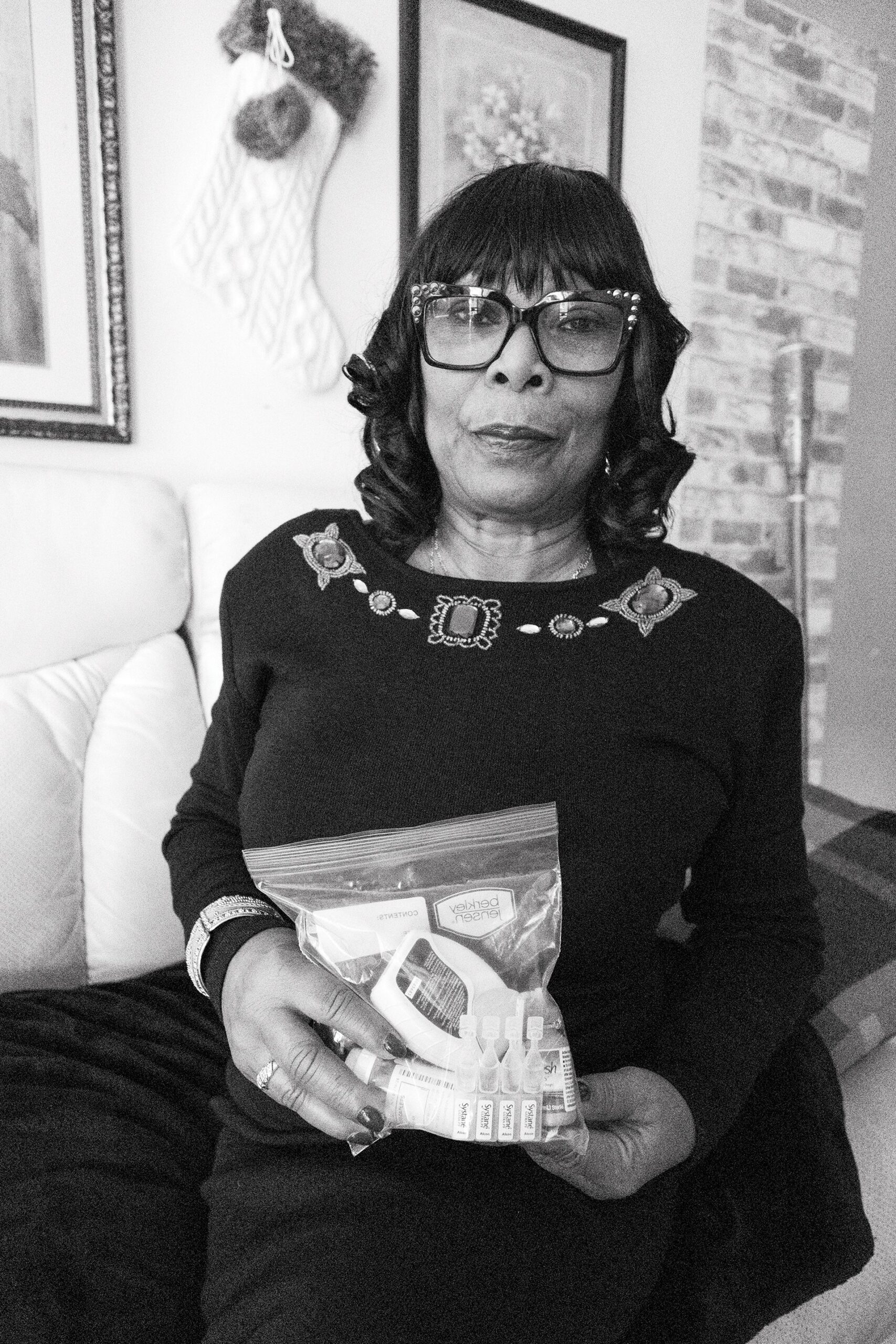
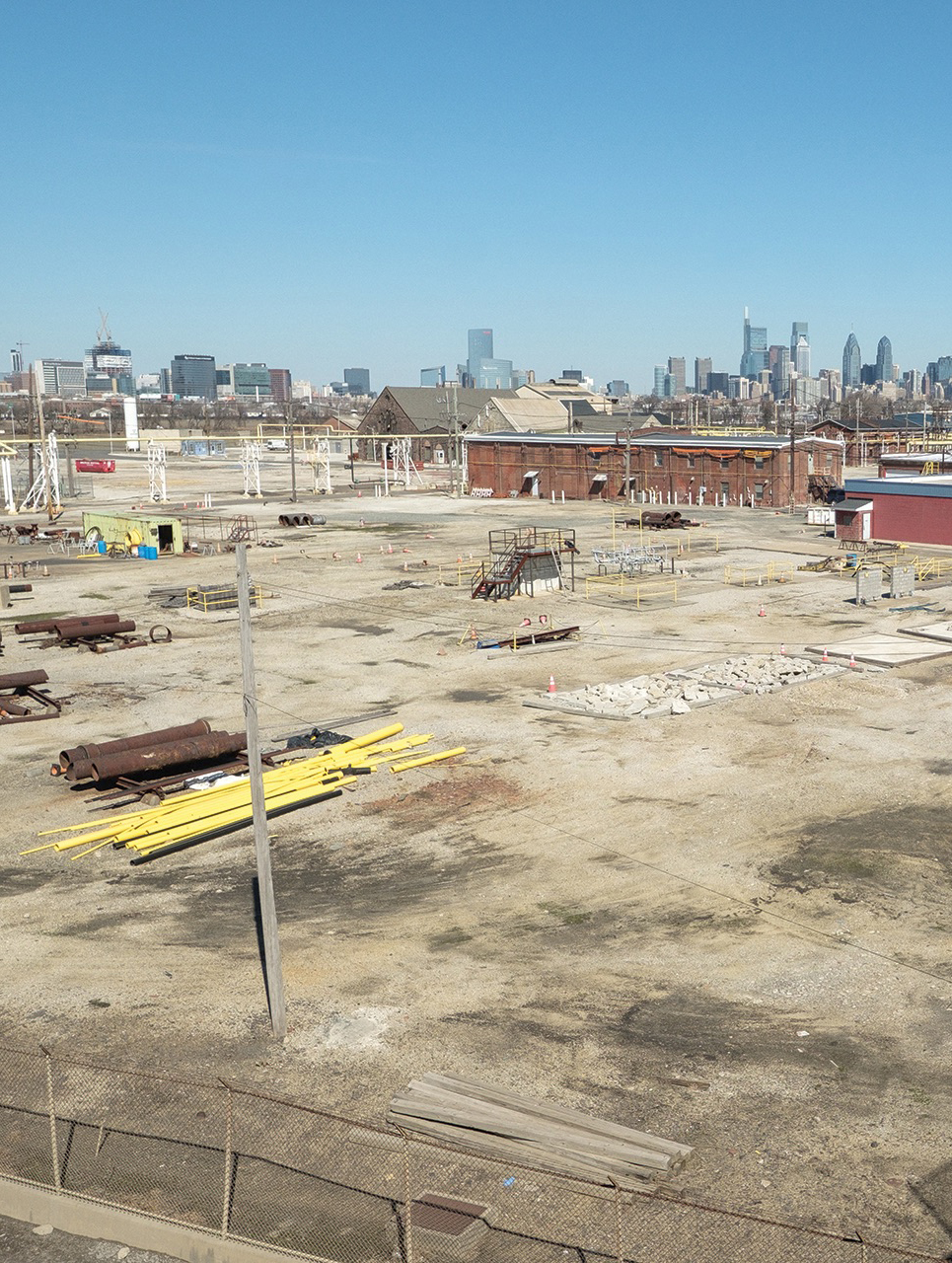
When faulty equipment at the Philadelphia Energy Solutions (PES) oil refinery caused an explosion on June 21, 2019, Carol White jolted awake and raced downstairs in her Grays Ferry home to investigate. She opened her front door and ash swept into her mouth and eyes, nearly blinding her and blocking her airways. As plumes of poisonous smoke barreled into the sky above her, White raced to her car to drive to the emergency room. But as she opened her car door, White once more inhaled ash and got even more in her eyes.
White was diagnosed with severe asthma shortly after moving to her home in 2006, but she had never felt as though she couldn’t breathe.
“I was thinking, ‘this is my last breath that I’m going to take,’” says White.
After arriving at Jefferson Methodist Hospital, she received three rounds of asthma treatments and didn’t return home for a week. She says her eyes were affected worse than her lungs. In the days following the explosion, which occurred less than a mile from her home, white pus and residual ash leaked out of her eyes, causing abrasions that required surgery.
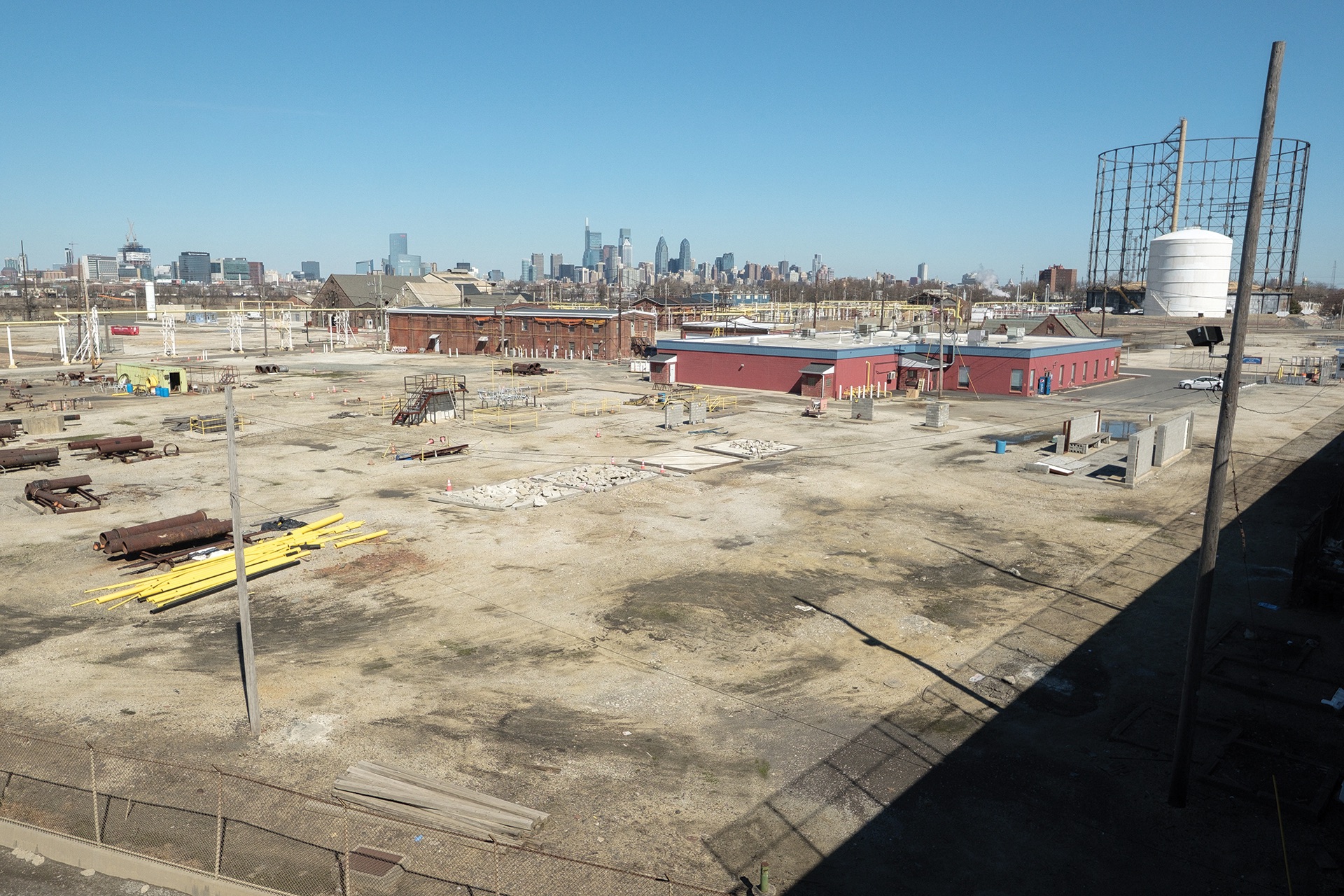
PES was the largest polluter in Philadelphia in 2016, accounting for 72% of the city’s toxic emissions. Benzene, a cancer-causing chemical, was produced at levels up to 444% higher than EPA standards. PES paid a $4.2 million settlement to the Environmental Protection Agency in 2024, but neither White nor her neighbors have received compensation.
Since the Reagan administration, The EPA has performed cost-benefit analyses for all environmental regulations, factoring in the suffering of people like Carol White. Historically, the EPA estimated the economic consequences of complying with regulations compared with the benefits to public health and the environment.
But because of a Jan. 15 EPA decision, the people assessing air pollution regulations will no longer consider human health impact. Instead, regulations and limits will be determined based only on their impact on industry rather than their capacity to save human lives.
How can you put money over life? They’ve been doing it for far too long. Where’s the compassion? Where’s the love? Where’s the care?”
— Carol White, Grays Ferry resident
“The Trump administration is undermining the bedrock on which environmental policy in our country is built,” says Jane Clougherty, an air pollution exposure scientist and epidemiologist at Drexel University.
“None of us like the idea of putting a dollar value on a specific human life,” Clougherty says. “But because we live in a capitalist country, where cost-benefit analysis of policies is done, this is how we have to force human life and health benefits into the equation. We don’t know the exact value of any given statistical human life, but we know that it’s not zero. And that’s effectively what this administration has done — is to force the health costs and the life costs of any given environmental practice to be zero.”
Almost seven years after the chemical explosion, the residual symptoms make it difficult for White to lead a normal life. At 67, her asthma often keeps her worried and indoors, while she simultaneously experiences eye pain and blurry vision. Her bag of prescription medications, which she keeps with her at all times, features a rotation of three high-strength daily inhalers and a variety of eyedrops.
On bad air quality days, White says, her neighbors remind her to stay inside and keep her doors closed. “Who lives like that? Who lives like that?!”
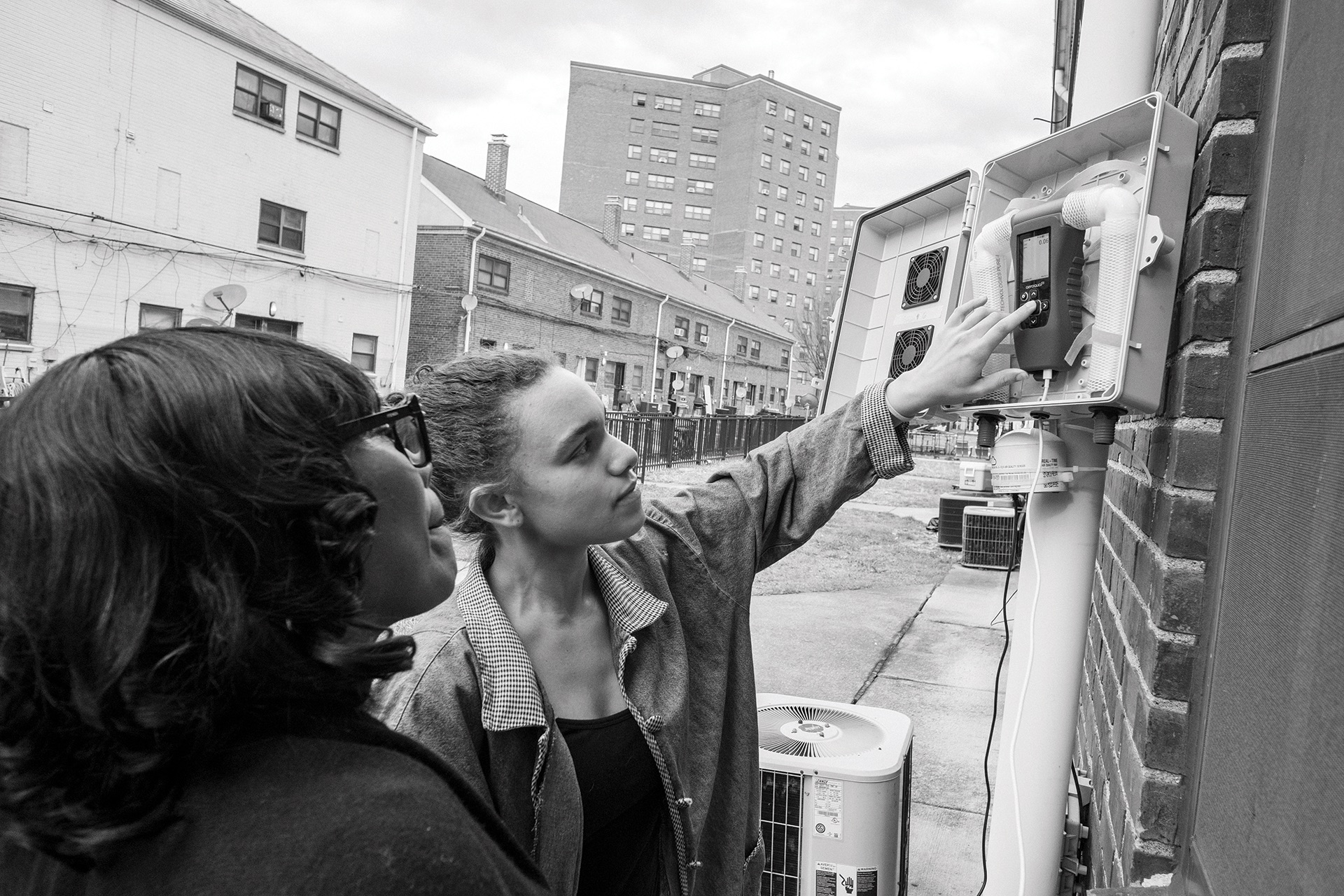
Grid spoke to White at her home on a sunny March afternoon as children played in a nearby park. Though the air pollution monitor in her backyard read clean, White stayed indoors, fearful of the South Philly air she was breathing. Even on good air quality days, despite her cache of medications, she can experience flare-ups. “When the EPA is pulling back on regulations, it’s easier for big polluters to pollute without any restraint,” says Alex Bomstein, executive director of Clean Air Council. “That means everybody is going to be breathing dirtier air. And when we’re breathing dirtier air, we are going to get sicker. We’re going to end up in the hospital more often. We are going to die more often.”
Even when a polluter shutters operations, its footprint doesn’t just vanish — nor do the cancer and asthma in nearby residents. Though closed since 2019, the PES site remains a major polluter. In 2022, the site had the second-highest benzene emissions among all U.S. refineries. As the site transitions into the Bellwether District, concerns remain not only about air pollution, but also soil and groundwater contamination.
“To start valuing a statistical life at zero is one more way of saying: ‘We don’t care about the impacts, we don’t care about your health or your kids’ health — your lives don’t matter.’ That’s the underlying message that this decision really sends to communities that are already overburdened by our pollution,” Clougherty says.
The Trump EPA hasn’t stopped there. According to a 2025 Associated Press examination, at least “30 rules meant to protect air and water and reduce emissions that cause climate change,” collectively “estimated to save at least $275 billion a year and more than 30,000 lives annually,” were being targeted by the administration.
On Feb. 12, the EPA repealed the 2009 Endangerment Finding, which determined that climate pollution harms public health and welfare. The landmark decision had allowed for the regulation of greenhouse gas emissions from commercial vehicles.
Vehicle emissions directly impact White: standing between her home and the former PES refinery is Interstate 76. Road transportation is already among the largest pollution sources in Philadelphia and an MIT study from 2022 found that it causes approximately 53,000 PM2.5-related deaths per year. Without strict regulations, car companies can avoid controlling the emissions of the cars they manufacture, further polluting Philadelphia’s air and leaving the health of residents like White even more compromised.
“How can you put money over life? They’ve been doing it for far too long. Where’s the compassion? Where’s the love? Where’s the care?” White asks, exasperated, tears welling up in her eyes. “I need the people that sit in those chairs and sign those papers to give us a chance. I’m not just talking about me. I’m talking about newborn babies. Seniors that shouldn’t have to live the rest of their life saying, ‘Oh my God, help me, I can’t breathe.’ This is not what God promised for us. Why does one person that holds a pen and paper get to decide how we live and die?”