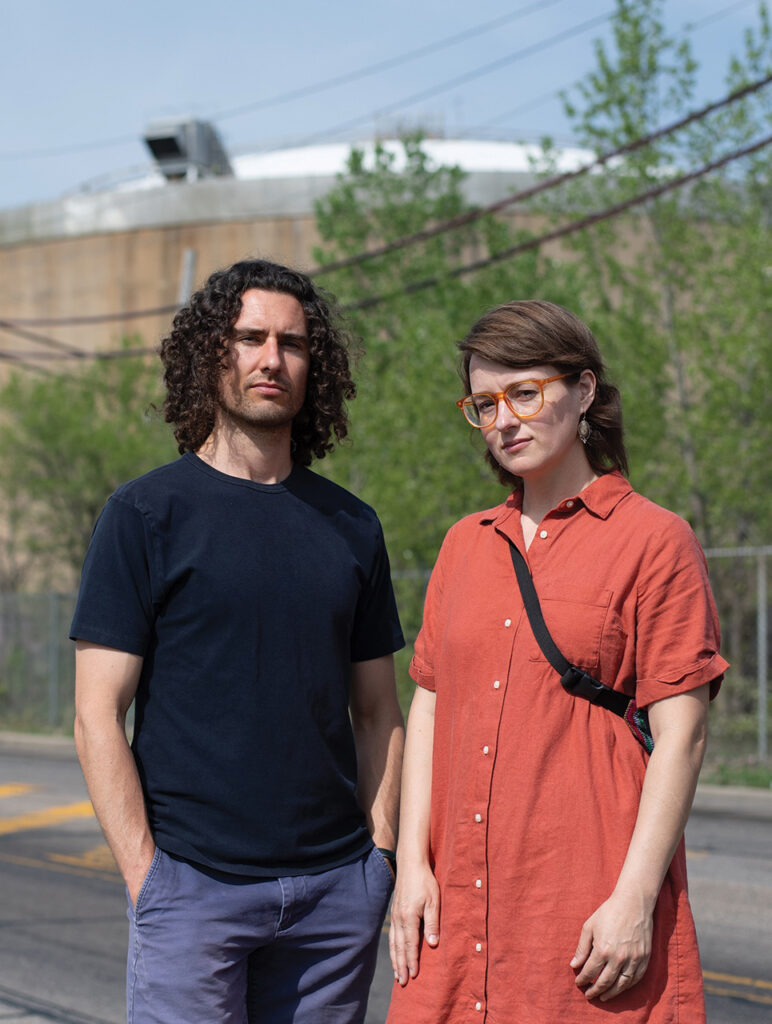
When York Energy Storage LLC proposed in 2023 to turn the small valley of Cuff’s Run in York County, on the western bank of the Susquehanna River, into an energy storage reservoir, William McMahon, the engineer and energy entrepreneur behind the plan, billed it as a solution to the limitations of renewable energy. As is often said, the wind doesn’t always blow, and the sun doesn’t shine at night. The grid needs to store renewable energy to ensure an even supply.
In 2026, as artificial intelligence data centers spring up across America and energy prices rise, McMahon says the project is critical. “There is a great need for storage in the PJM grid,” he says.
If granted, the license would allow the company to build the project and use eminent domain to force property owners on the site to sell.
Soon after Grid’s article ran in 2024, the Federal Energy Regulatory Commission (FERC) granted York Energy Storage a preliminary permit. In effect for four years, it gives the company priority for building a project on the site (essentially calling dibs) and opens up a public input period as the company begins to assemble the studies and other documents necessary for a full license application. If granted, the license would allow the company to build the project and use eminent domain to force property owners on the site to sell.
The FERC’s decision drove a group of environmental organizations and local residents, led by the Lower Susquehanna Riverkeeper Association, to sue in December, demanding that the commission reverse the preliminary permit decision. The petitioners argue that the project would flood the residents out of their homes and would ruin a scenic valley that the environmental groups have long worked to protect. The FERC argues that it followed the law and that the preliminary permit is not in itself a green light to build the project.
McMahon says he is currently looking for investors to fund the preliminary studies and, if it gets approved, the full project. Three owners with minority shares left the project in September, though McMahon says they were older friends of his who decided it was taking too much time from their retirement.
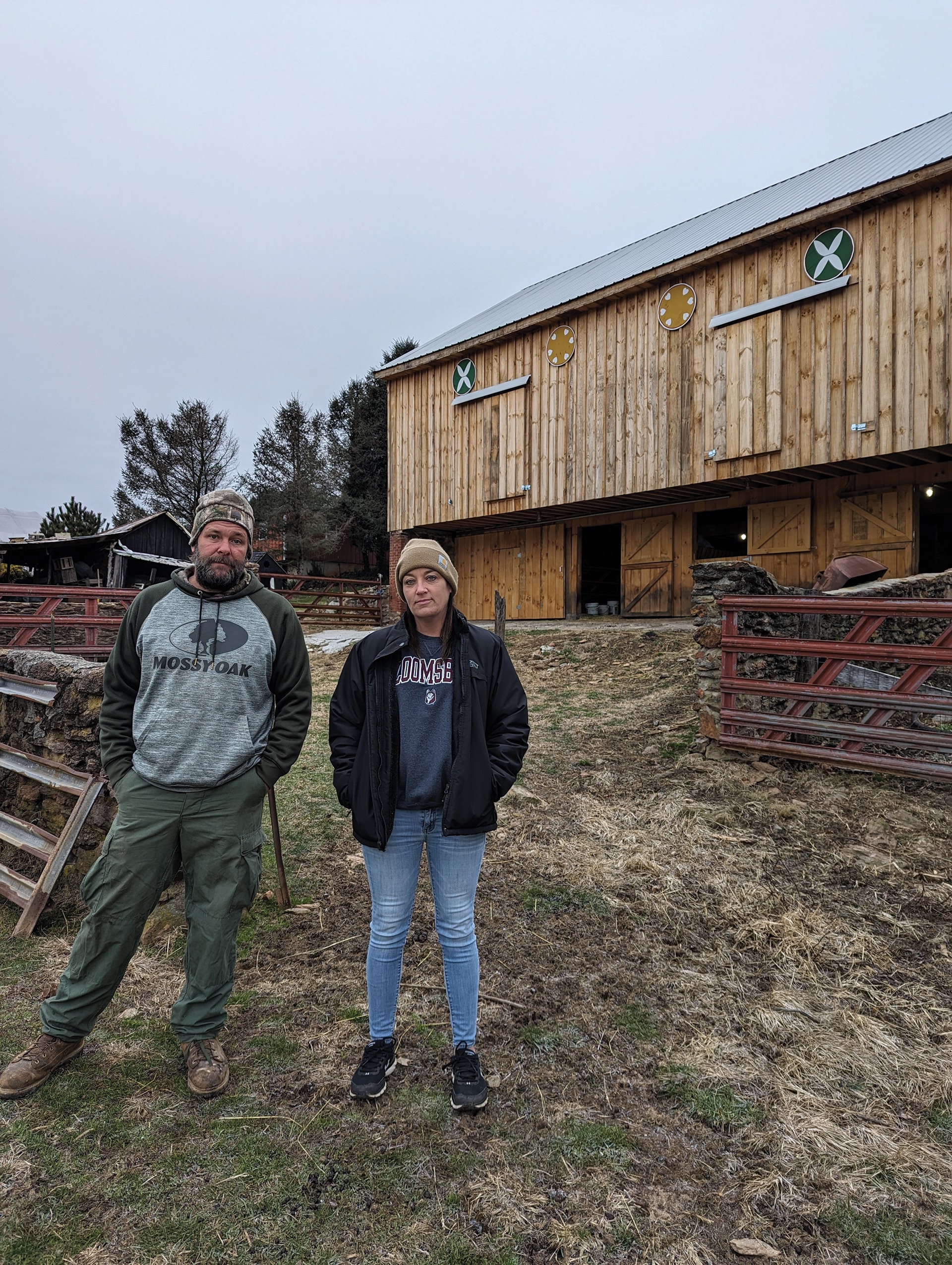
Jen and Jake Horton are petitioners in the lawsuit. Their home and farm would be flooded if the reservoir gets built. Although she thinks the loss of the minority owners and the resistance to the project indicate that it might not get built, Jen says the uncertainty is difficult for residents, particularly if they want to sell their property while the preliminary permit is in effect. “No one’s going to buy your home with something like this looming over it.”