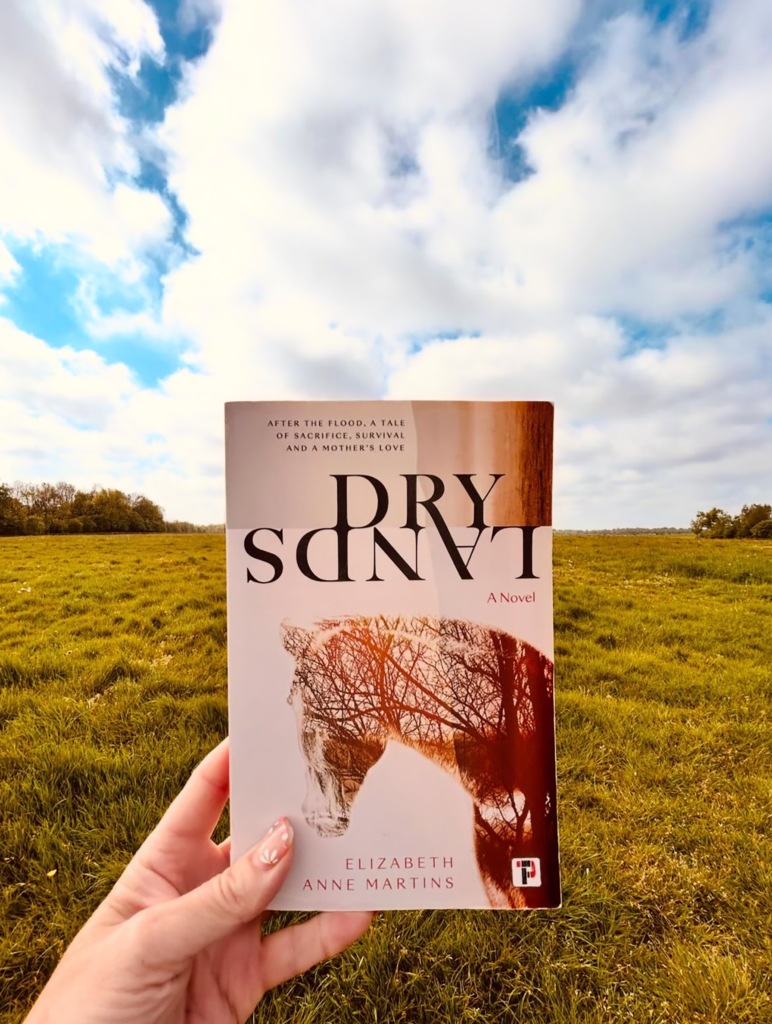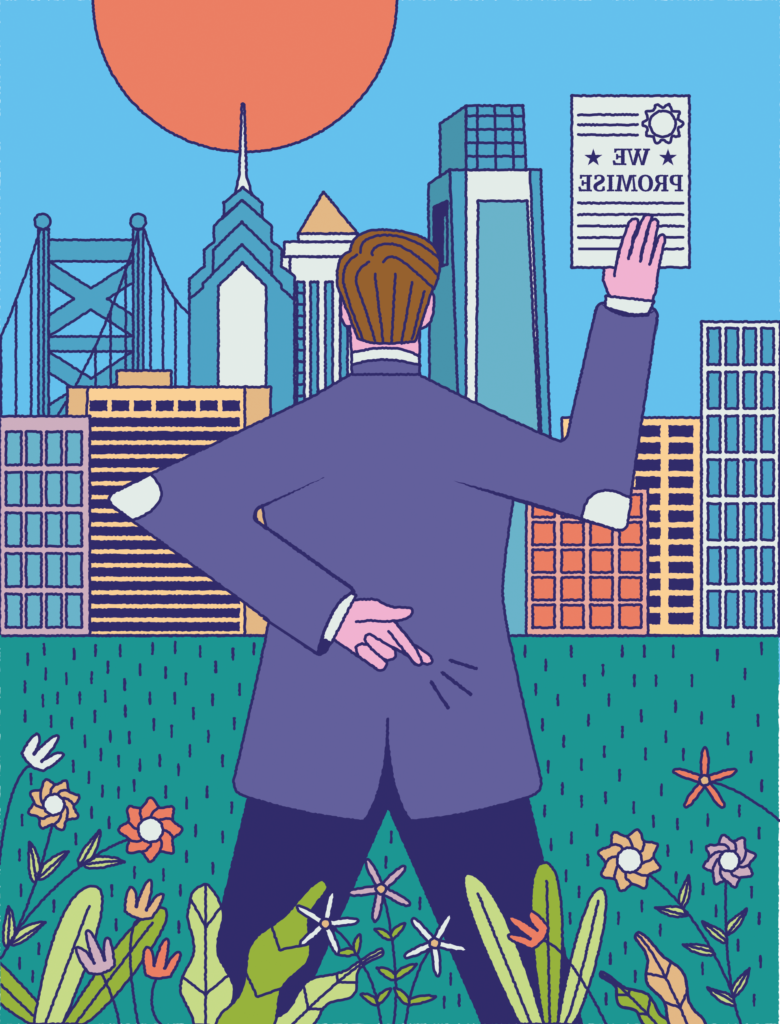
“The Price of Everything,” a novel by Philadelphian Jon McGoran, was longlisted for the second Climate Fiction Prize, alongside 11 others in the running for a $13,550 prize. The Climate Fiction Prize is awarded by the UK-based organization Climate Spring, which supports the integration of climate crisis-related storytelling in digital media. “The Price of Everything”
MoreFor three days last summer, smoke drifted down from forest fires in the Canadian taiga, some of it shrouding 1800 North American Street, where volunteers were working on a climate justice mural. Mirroring the dramatic depiction of oil spills, deforestation and smog being painted on the 300-foot long wall, the very real smoky orange haze
MoreWhen the U.S. Department of Agriculture released an updated map of hardiness zones last November, gardeners and farmers in the Philadelphia region — and across much of the United States — found affirmation of the warmer weather they’ve been experiencing since the map’s last refresh in 2012. In just over 10 years, nearly half the
MoreIn April, the Philadelphia Eagles scored a few days of positive publicity when quarterback Jalen Hurts donated $200,000 to install more than 300 air conditioning units in 10 Philly public schools. The problem the donation addressed is real; Philly’s ancient school buildings afflict our students with temperatures too hot to learn safely in our warming
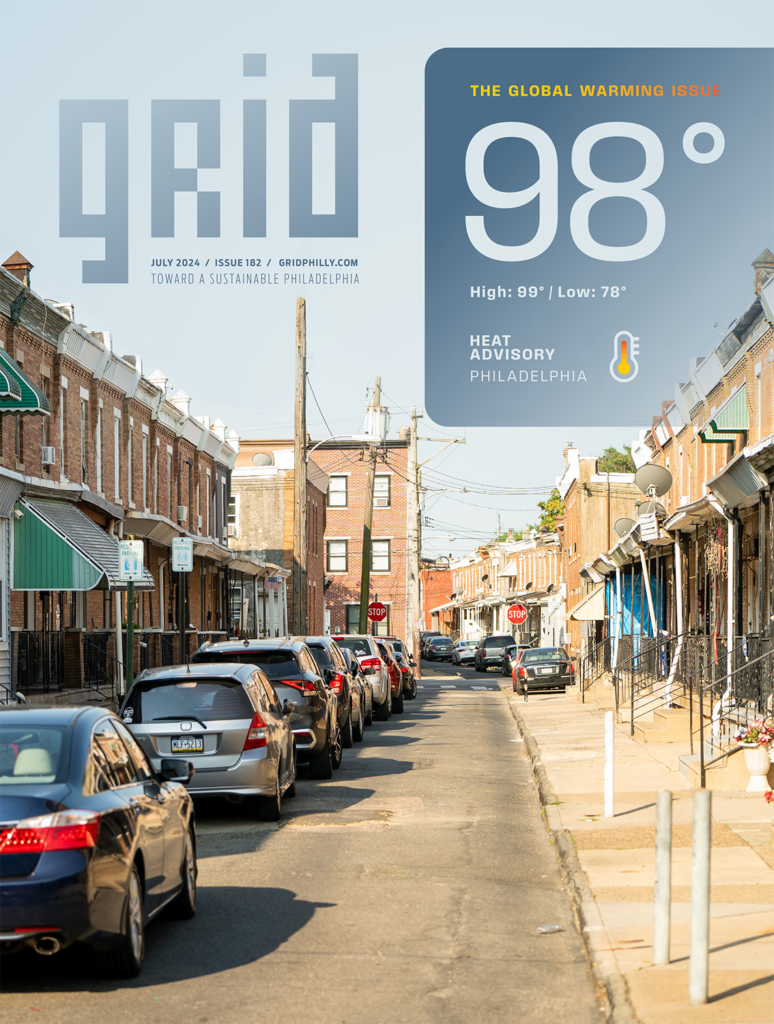
MoreIt’s right there in the name: global warming. Step outside and the air is thick, like you’re breathing steam. Walking is almost too much effort. You try to find shade, but the treeless sidewalk offers no refuge from the sun’s rays. At night you open the windows to let in a fresh breeze, but only
MoreWhat are we doing to this planet, and what are we doing about what we’re doing to this planet? No writer’s body of work surpasses Elizabeth Kolbert’s to answer these questions. Kolbert has been a staff writer for The New Yorker for 25 years, documenting climate change with an unflinching eye. Her first book on
MoreFour years ago, Re:Dish CEO and founder, Caroline Vanderlip, set out with the goal of reducing the amount of plastic waste in the United States. The U.S. alone has produced 8.3 metric tons of plastics since 2018 and production is expected to triple by 2050, a report compiled by nonprofit ocean conservation organization Oceana shows.
MoreA dancing penguin. A googly-eyed amoeba. Psychedelic fonts amidst splashes of avocado, harvest gold, mod magenta. “Playing Dirty,” the Science History Institute’s latest outdoor exhibition, features the “bright colors and groovy graphics” — to borrow senior manager of exhibition projects and programming Christy Schneider’s words — you’d expect from the era of lava lamps and
MoreIn his classroom at Lankenau High School, veteran teacher Matthew VanKouwenberg points out to his students the connection between average daily temperatures across Philadelphia and tree canopies, noting that the lack of tree cover can leave some neighborhoods — often poor, often majority-minority — overheated in summer. VanKouwenberg, who teaches chemistry and environmental science at
MoreYes, this is our food and farming issue, but it’s so much more. When we launched the 2030 Series in April, our goal was to focus each month on a single topic through the lens of sustainability. The themed issue is a tried and true convention for editorial, but when it comes to sustainability, the
More