By the Philadelphia Climate Justice Collective
(Mantua Civic Association, SEAMAAC, Overbrook Environmental Education Center, Esperanza, and The Environmental Collaboratory at Drexel University)
Philadelphia is heating up — and too many of our neighbors can’t escape it. In parts of North, West and South Philadelphia, summer temperatures can soar 20 degrees higher than in greener, wealthier parts of the city. Heat is deadly — it’s a public health emergency that exposes the deep inequities shaping who stays safe and who suffers when the heat rises.
Our conclusion is clear: Cooling must be recognized as a basic human right.
Extreme heat is an equity crisis.
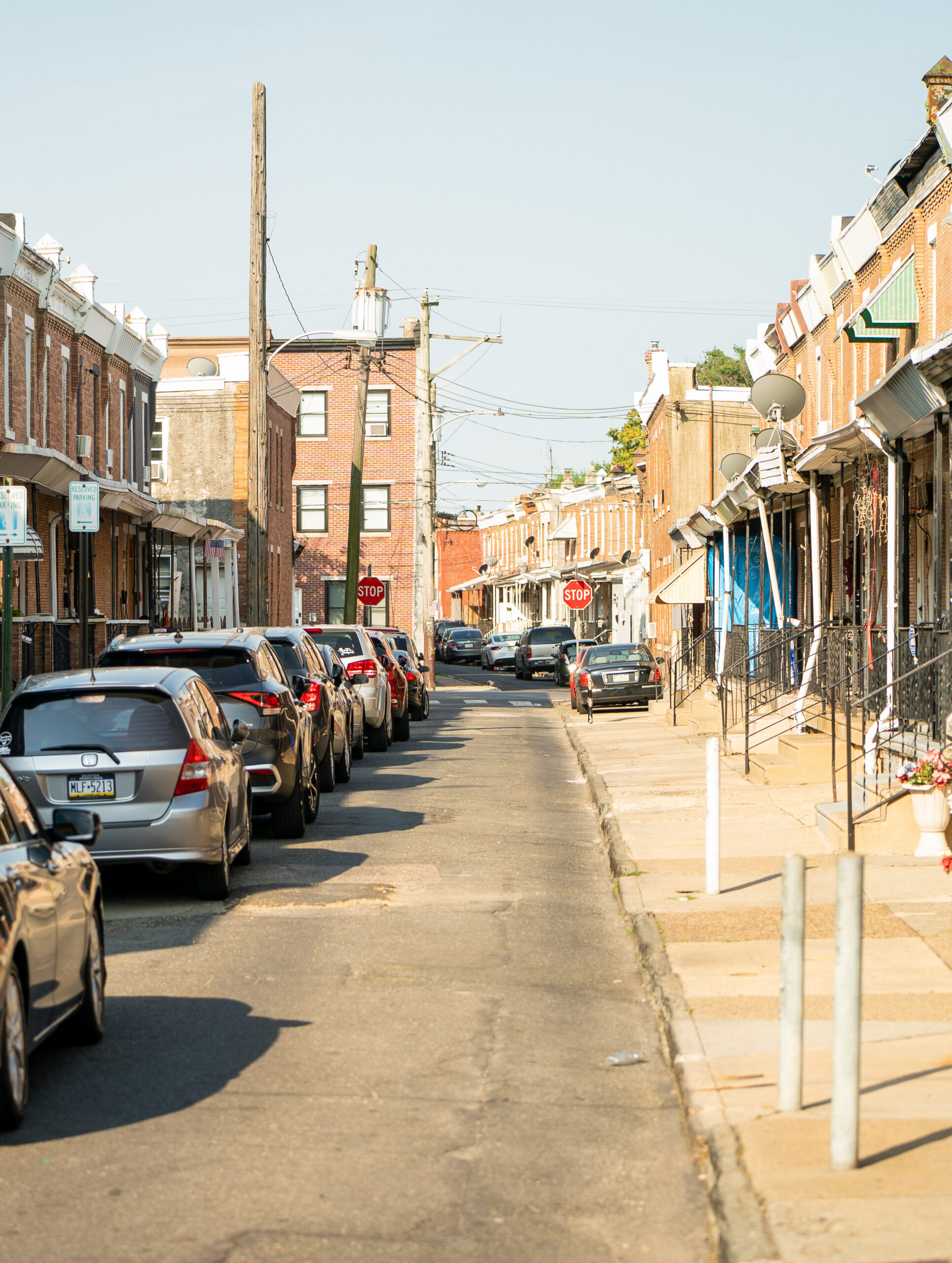
Every summer, the same neighborhoods in Philadelphia suffer the most: Black, Brown, immigrant and low-income residents living in old, poorly insulated homes with little green space. In neighborhoods with limited tree canopy, minimal green space and extensive asphalt, homes can become “heat traps,” absorbing heat during the day and radiating it through the night.
Philadelphia’s aging housing stock traps heat. Renters often lack the power or resources to install air conditioning or improve insulation. More trees and green infrastructure are also essential to cool neighborhoods — but without safeguards, they can also drive gentrification.
Philadelphia’s network of cooling centers offers some relief — but there are too few, often too far away from struggling residents, and they close by early evening, even while overnight temperatures remain dangerously high. Some people feel unwelcome due to language barriers or restrictive rules. Others simply cannot get there.
A right to cooling means more than temporary cooling shelters. It requires thinking proactively and creatively to ensure that there is equitable access to cooling on high heat days, including the deployment of mobile cooling buses, extended hours, multilingual outreach and inclusive spaces for everyone, including unhoused residents. City policies should allow community-based groups to open cooling centers proactively, rather than waiting for an official heat health emergency declaration that comes only after danger has already arrived.
Even when air conditioners are available, too many Philadelphians can’t afford to turn them on. Philadelphia households spend nearly 7% of their income on energy — more than double the national average. Many report skipping meals or medications to pay utility bills.
We must prevent energy shut-offs during extreme heat, expand utility assistance and require community-benefit agreements for energy-intensive projects, such as data centers, that threaten to raise rates and strain local grids.
Health systems must treat heat as a hazard. Heat worsens asthma, heart disease and mental health conditions, yet cooling is still not recognized as a preventive health measure. Hospitals and clinics must begin screening patients for heat vulnerability, integrating temperature exposure into medical records and training providers to ask the right questions. Other communities are showing the way: Maricopa County, Arizona, uses real-time emergency room data to track heat illness, and New York City dispatches community health workers to guide residents to cooling centers. Philadelphia can do the same.
Calls to Action
We urge the City and state to expand Whole Home Repairs and weatherization programs to include cooling measures such as reflective roofs and efficient AC installation. The commonwealth’s proposed Home Preservation Program should prioritize the zip codes facing the highest heat and health burdens.
Philadelphia already has a “right to heat” policy to ensure residents aren’t left freezing in winter. Now we need a right to cooling policy that’s equally comprehensive, community-driven and backed by funding.
Each of these is a lifesaving intervention. Together, they represent a moral imperative.
Cooling is not a privilege. It is a human right.
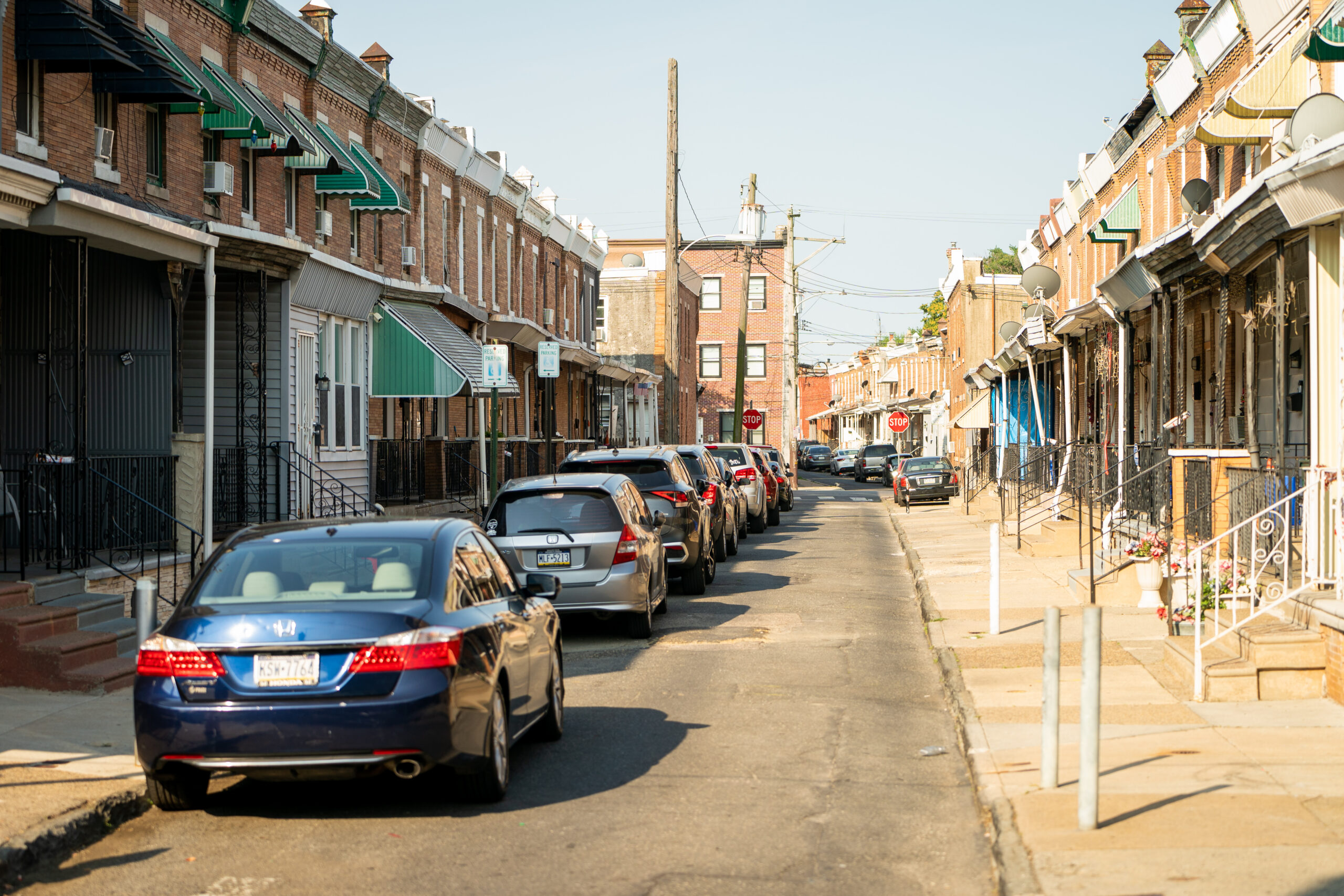


Also Trees help there are so many blocks without trees