My daughter lay in bed, her dark green cast propped on a stack of pillows.
“This sucks,” she said.
As a rule I discourage the use of the word “sucks,” an artifact of how I was raised. But after reviewing the facts — injured on the last play of the last game of the season, four days before a summer vacation that’s suddenly without swimming or circus camp — I had to admit she was right.
“Yes,” I said, “this sucks.”
In addition to the pain, she had to process the grief of the loss of summer plans.
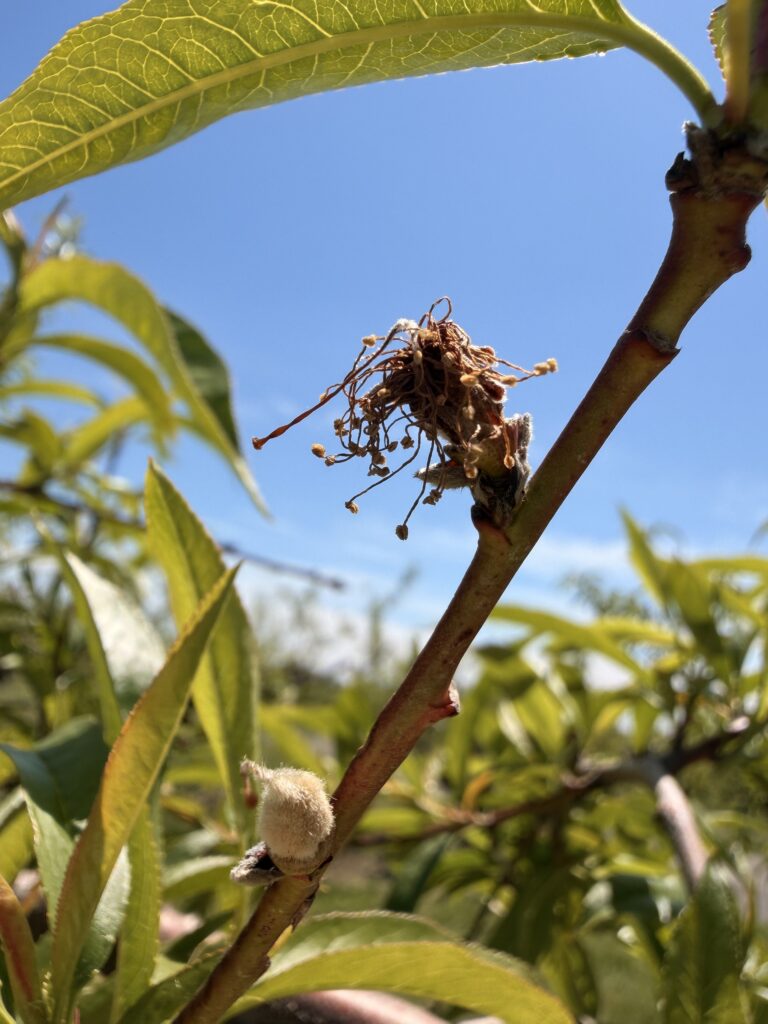
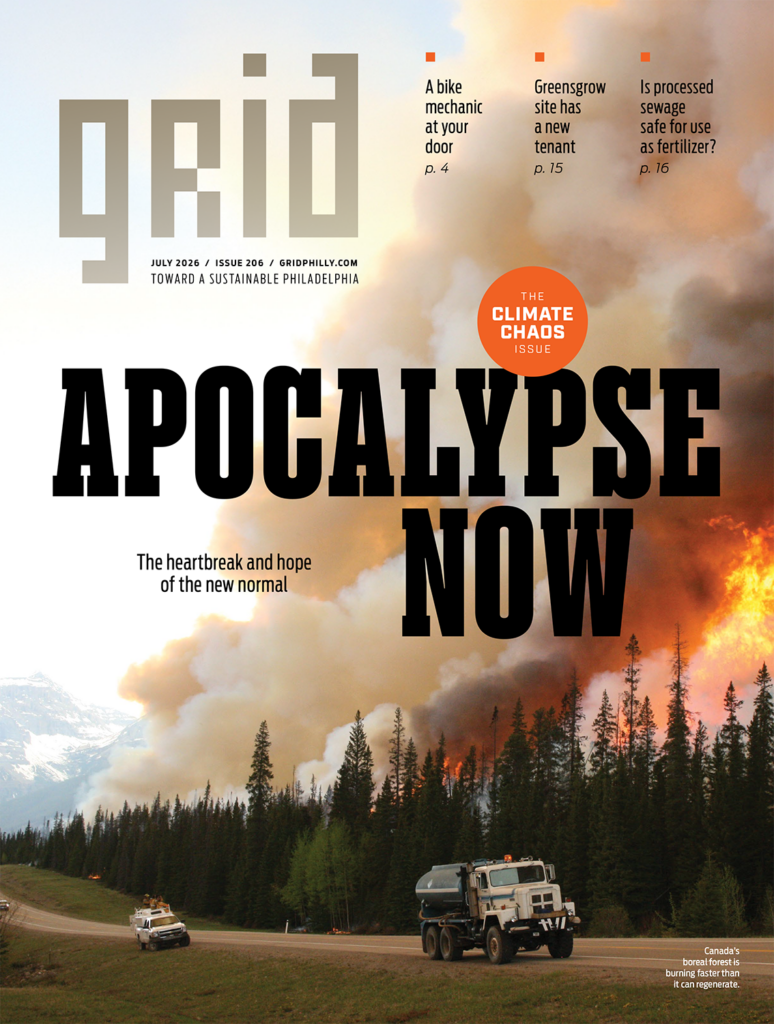
As I read our climate chaos issue, I arrived at the same conclusion my daughter reached: This sucks. It’s positively heartbreaking that we humans disrupted the climate so greatly that there won’t be local apples this year. That Canada’s vast boreal forest may lose the ability to regenerate due to the pace of wildfires. That those fires — and their smoke — are no longer the exception, but the rule.
We need to process that.
Thankfully, there are writers who have spent years thinking about life on a planet pushed into instability. Their books don’t offer optimism, or even comprehensive solutions. They offer the truth, which we know in our bones, but isn’t reflected in the way our society functions.
“Warmth: Coming of Age at the End of Our World” (2021) by Daniel Sherrell is a memoir written by a climate activist in the form of a letter written to a hypothetical, future child. Philadelphia’s Nathaniel Popkin’s “To Reach the Spring: From Complicity to Consciousness in the Age of Eco-Crisis” (2020) is a rumination on the systems that paralyze us from acting. (Popkin, a generation older, writes a letter to a
hypothetical grandchild.)
Then there’s the book that may have started the climate grief genre: “Active Hope: How to Face the Mess We’re in Without Going Crazy” (2012) by Joanna Macy and Chris Johnstone. This book acknowledges that witnessing a global crisis can wreck your mental health, and provides a blueprint for moving from despair to action.
All three of these books look unflinchingly at our reality, imploring us to internalize loss and accept it.
And then, to act.
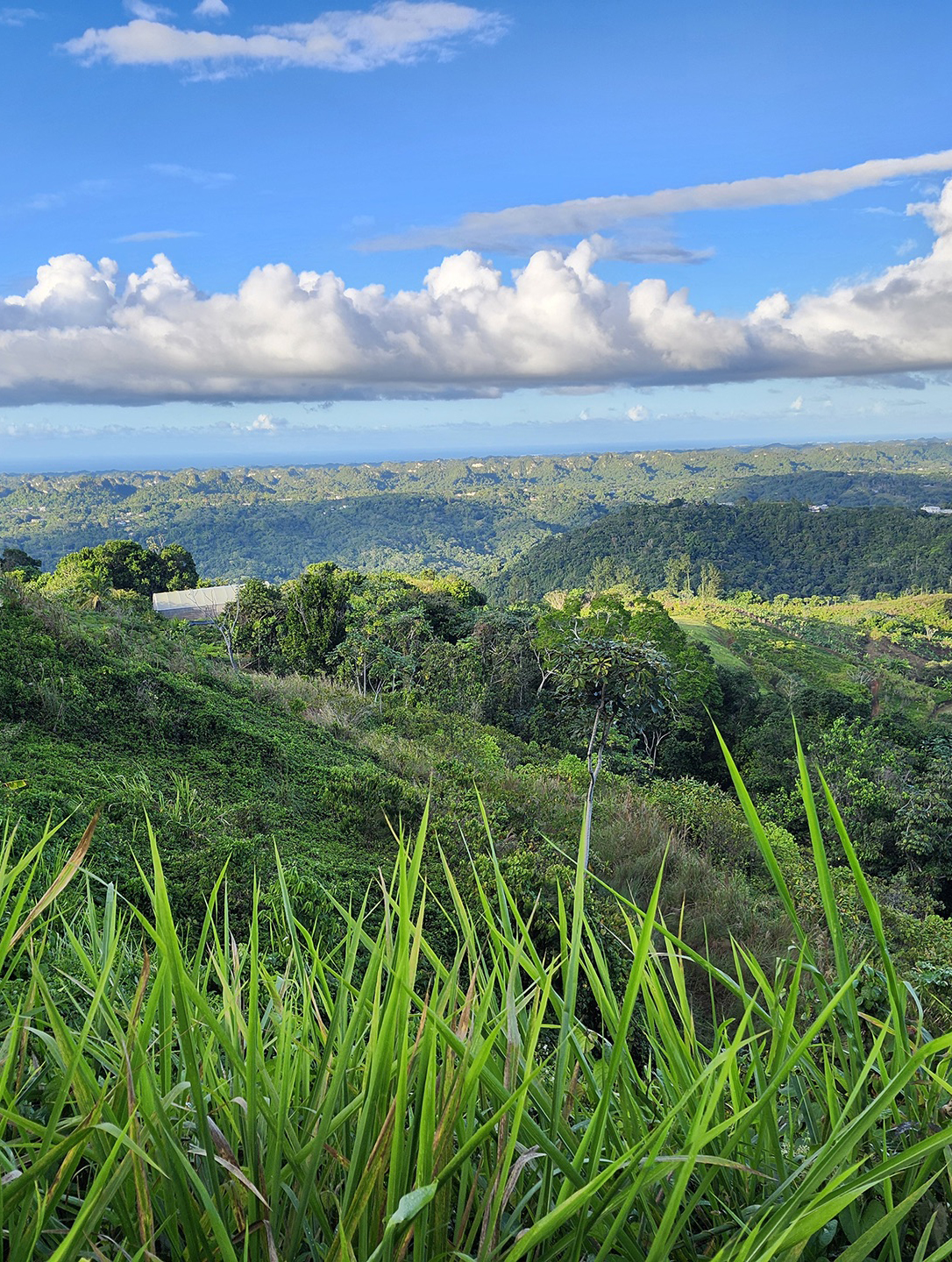
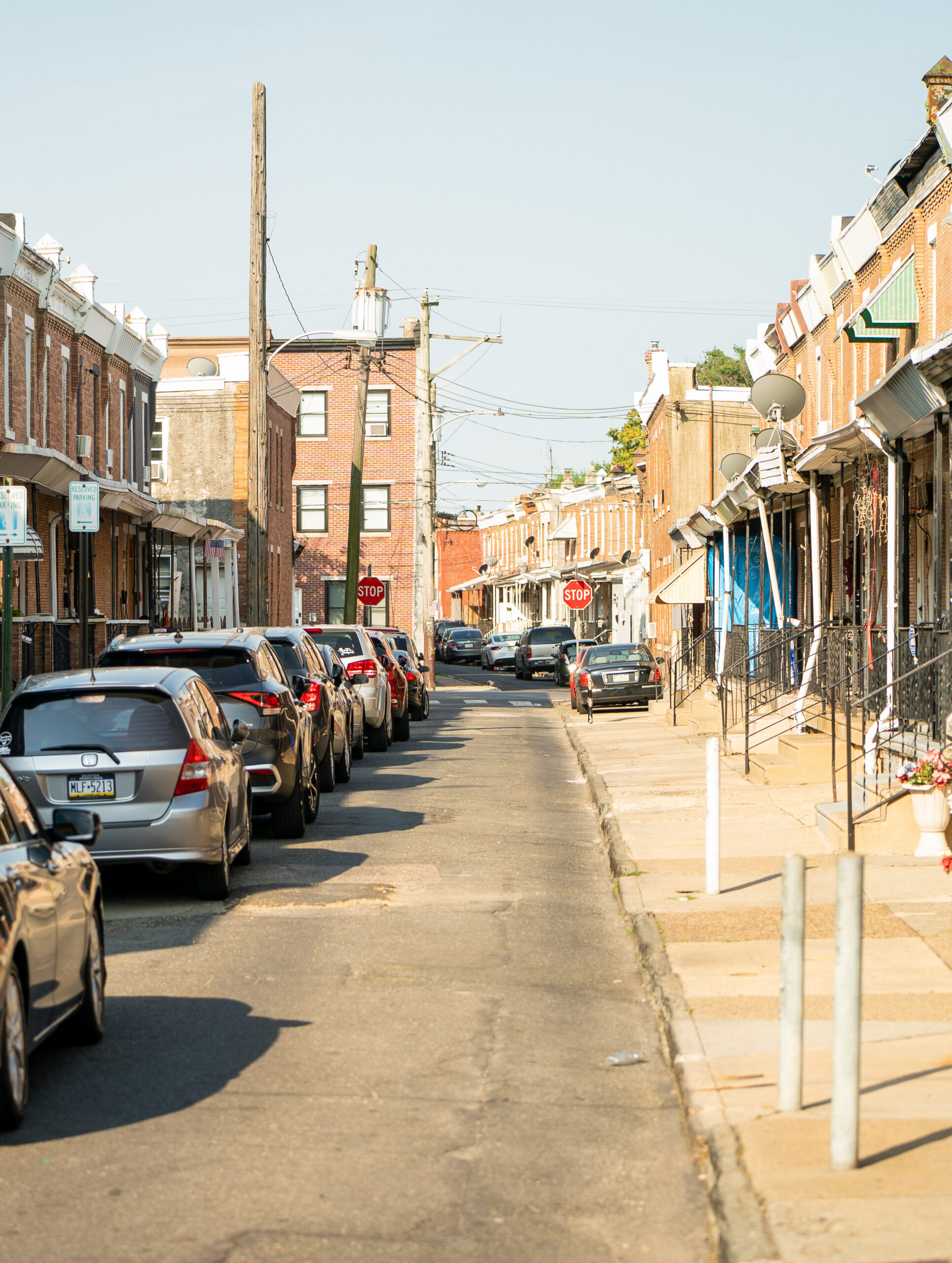
This month’s issue documents some people who are responding to the crisis at hand, like the activists from Extinction Rebellion who unfurl banners saying in large print who is responsible for climate change, and the members of Puerto Rico’s Caño Martín Peña community who are restoring forests to stabilize their watershed, and the North Philadelphia residents who traveled there to learn firsthand how neighborhoods adapt to climate change.
As for my daughter, she’s on the mend and has a spring in her crutches. After her first day of attending a School of Rock camp, she mentioned that, in addition to being a teacher and a major league baseball player, she might want to be a musician, too.
Of course, this is an imperfect analogy. My daughter is young and will heal, and climate change won’t be vanquished by optimism alone. It requires courage. We need to see what’s lost, what we are losing, and then fight for what is worth saving. Only after grief can we actively hope.