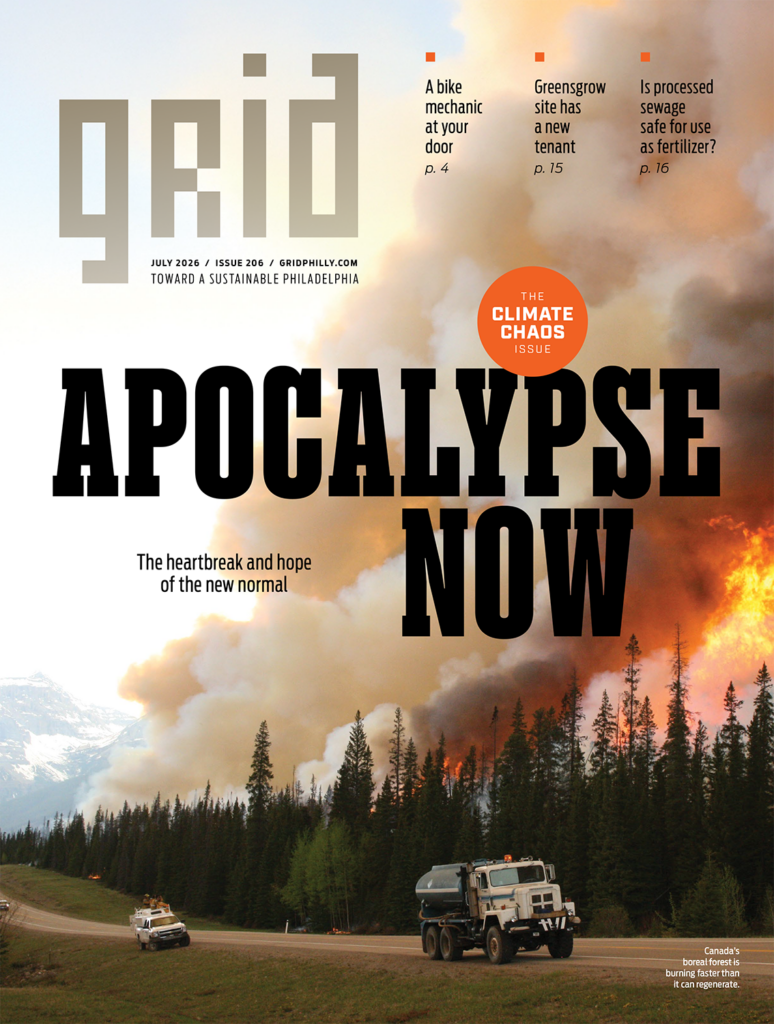
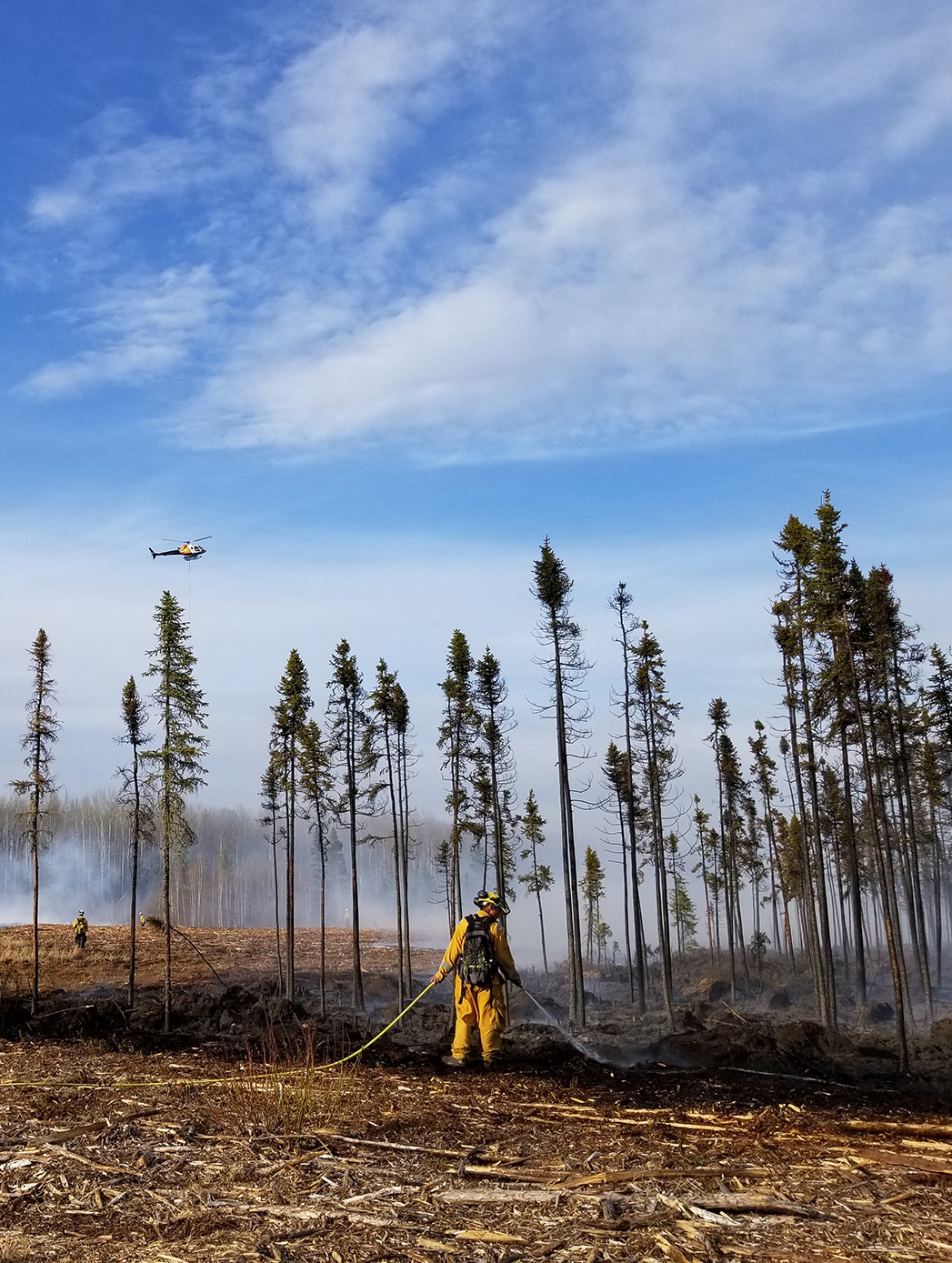
The past three summers in Philadelphia have seen smoke drifting overhead, making for beautiful sunsets and, when it settles close to the ground, hazardous air. That smoke came from forest fires that burned thousands of miles away in the boreal forests of Canada. These woods cover 270 million hectares (or about one million square miles) in Canada, equivalent to about 29% of the United States’ land area. To better understand what might be the new abnormal, Grid called up Yan Boulanger, a biologist with the Canadian Forest Service who studies the impact of climate change on the boreal forest. The conversation has been edited for length and clarity.
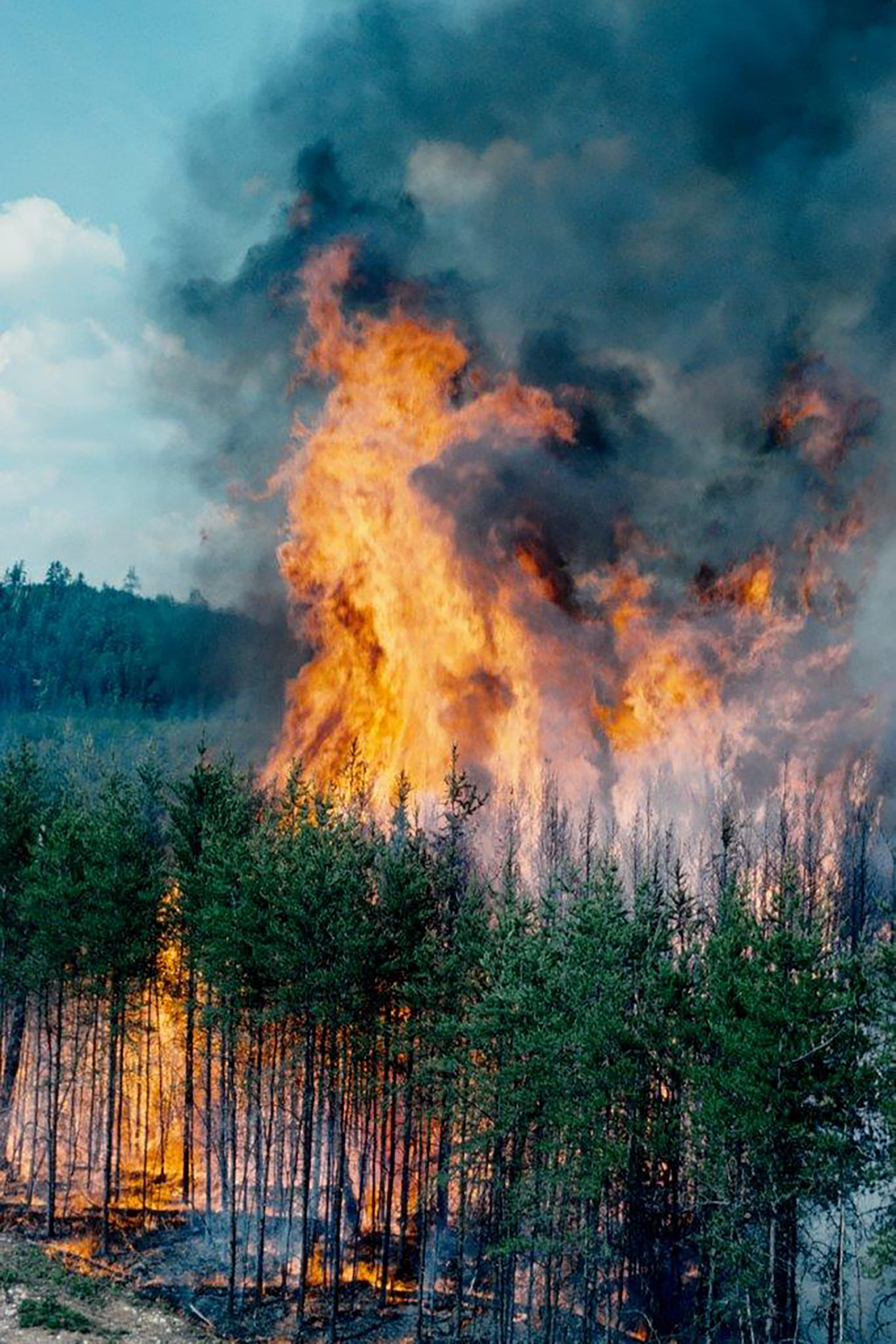
What is a normal fire season like in the boreal forest? On average, about 2.5 million hectares burn in Canada annually. There are some years that are way more severe than others, and we are getting more and more of those.
Most of the trees — for example, black spruce, jack pines, balsam fir — are completely burned. But most of these species have strategies to regenerate after fire. For example, black spruce and jack pine, they have what we call serotinous cones. So, it means that when a fire occurs, the heat of the fire is enough to open the cones, and the seeds are freed to colonize after the fire.
What has made the last few years more severe? Snow has been melting earlier in the spring, which offers a larger window of fire to occur. In some cases, it’s almost one month earlier than it was in the 1950s, for example.
The conditions that we are observing during the fire season are also changing. We have more warmer days when the fire danger is high.
The last three years are the most severe that we have experienced in Canada since records began. There were almost 30 million hectares that burned. That’s almost the equivalent of 8% of all the forested area in Canada.
How long does it take boreal forest to regrow after a forest fire? It depends on the latitude because the more you go north, the harsher the conditions are. But just to give you an idea, it may take 30, 40, 50 years before having mature trees.
I hate using ‘the new normal,’ because it’s not normal at all.”
— Yan Boulanger, research scientist, Canadian Forest Service
But if you lose 30 million hectares every three years, and it takes 40 years to regenerate, that means you’re losing boreal forest faster than it can regenerate. Those recent years were very severe, but that’s what I’m studying, actually. We are developing models that are projecting what could be the impact of forest fires into the future on forest landscapes.
The trees that I mentioned before are adapted to fire, but they are not adapted to too much fire. So if there is too much fire on the landscape, the fires are occurring in stands that are getting younger and younger. What’s happening there, we call it a regeneration failure.
It can be a forest with a closed canopy, but after that, if there’s a regeneration failure, it’s much more open. The composition will change to species like birch and aspen. It can stay like that for hundreds of years. There will be much less biomass within the forest also. So it has a great impact on carbon storage.
What is the impact on the people who live in the areas hit by wildfire? The impact is very important, and even more important for First Nations [Indigenous peoples], because many of them live in communities that are very remote, that are located within the boreal forest. Because they are remote areas, sometimes it’s very difficult to evacuate. They have to evacuate by plane or by boat. Sometimes there are no roads to go there or very few roads, so the roads get jam-packed when there are evacuations.
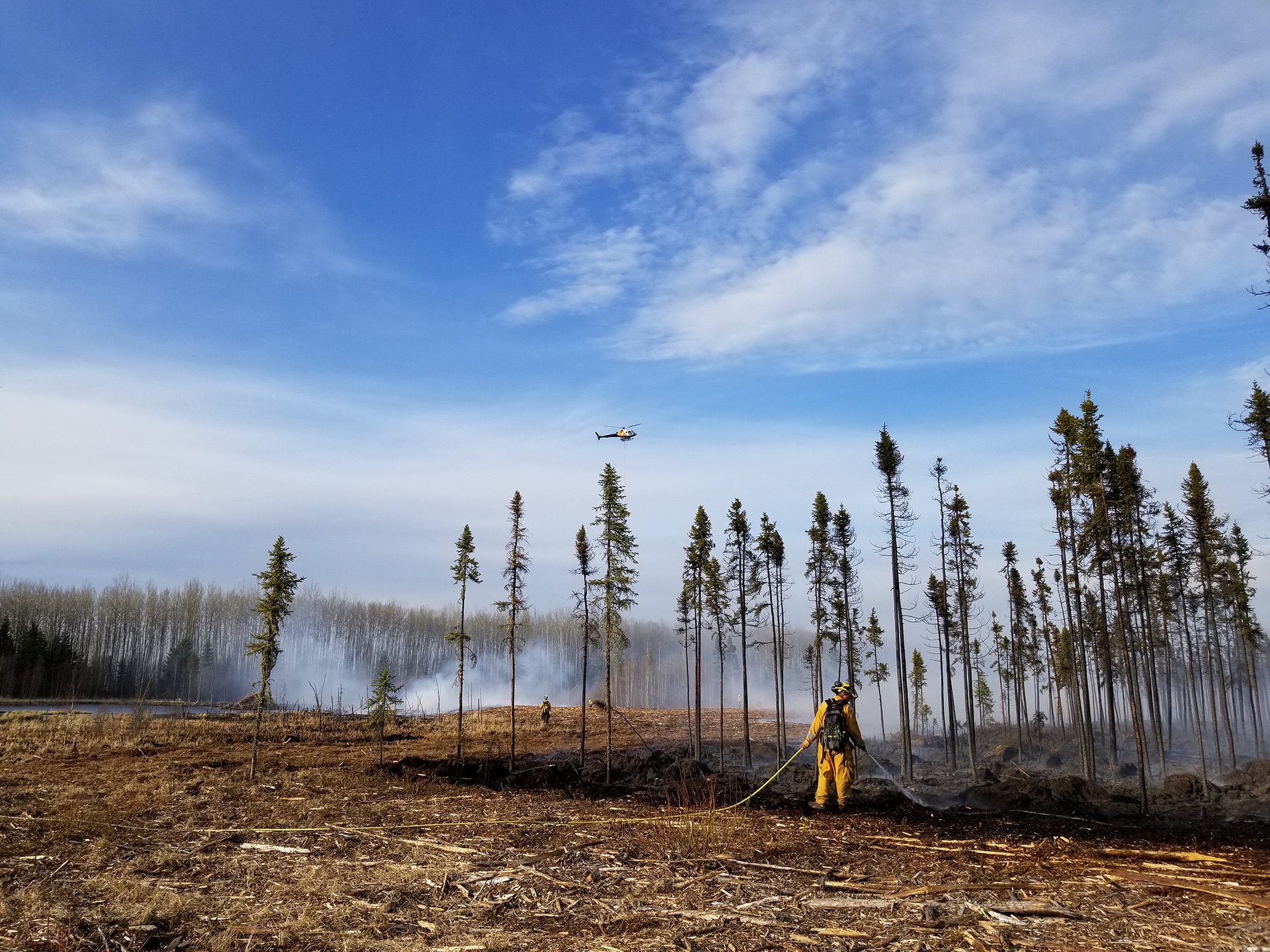
What is the new normal? How can people adapt if these conditions shouldn’t be considered unusual anymore, but are instead what we can expect with climate change? I hate using “the new normal,” because it’s not normal at all. And it’s not stable. It’s getting even worse. So, we have to learn to live in a world where fire is getting much more important. The forest sector has to adapt. The economy has to adapt. The communities have to adapt.