When research was needed to create a climate resilience plan for the neighborhood surrounding North Philadelphia’s Tacony Creek, leaders of the Tookany/Tacony-Frankford Watershed Partnership (TTF) had something more ambitious in mind than a traditional written study.
“We were going to bring together environmental organizations and leaders in this city, … then have experiences together where we’re seeing relevant climate resilience firsthand and hopefully getting inspired by that and using that as the foundation for action,” TTF executive director Justin DiBerardinis says.
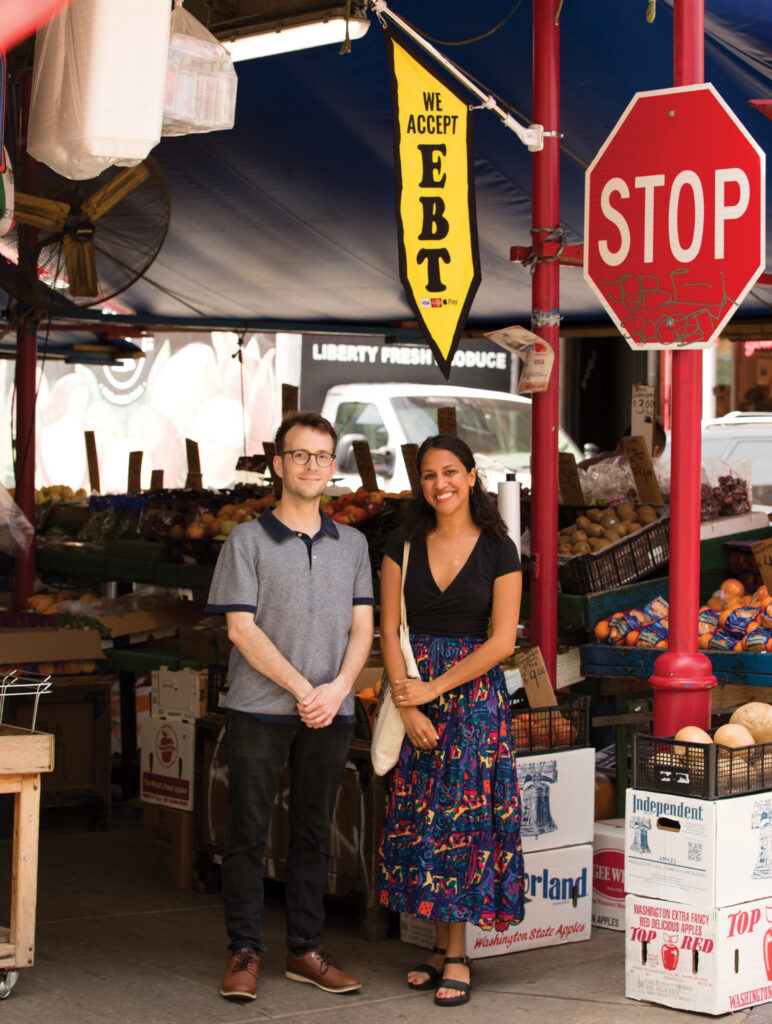
Unsure what that could look like in practice, DiBerardinis and TTF’s director of community organizing and public programs, Cesali Morales, put their heads together. The result was an idea inspired by longtime Philly gardener Iris Brown and based on Morales’ commitment to incorporate the cultures of the people TTF serves into the organization’s work.
“When I think about Philadelphia and I think about the neighborhoods that surround Tacony Creek Park, I think about how influenced it is by Puerto Rican culture,” she says. “We don’t often get the chance to learn from the places that we left, … from people on the front lines that are facing this climate crisis and get to share in that, and learn and prioritize the cultures that reflect us.”
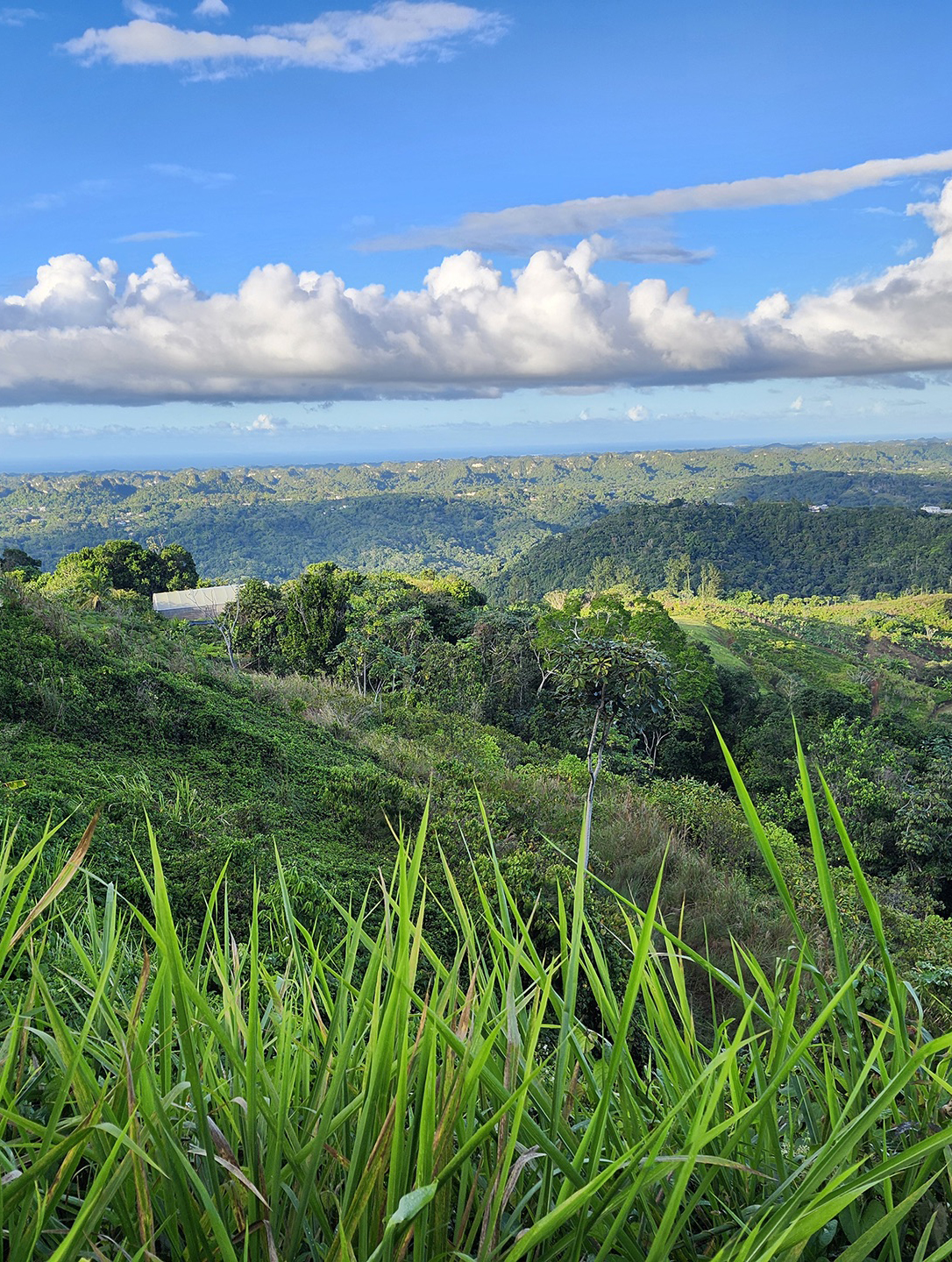
So, on March 12, Morales and DiBerardinis, with a group of community leaders and state and city legislators in tow, boarded a plane to Puerto Rico in search of culturally relevant climate resilience techniques that could be implemented in North Philadelphia. The group spent two days visiting the Caño Martín Peña community land trust and Tabonuco, a farm and education center. Jackly Rivera, the unit director for the Lauretha Vaird Boys & Girls Club near Tacony Creek Park, called the trip “amazing” for the insight it gave into the community there: “how they get together, and when they want things done, how determined they are to get it done.”
When you go down to the Caribbean, climate resilience is deep in the fabric of communities.”
— Justin DiBerardinis, executive director, Tookany/Tacony-Frankford Watershed Partnership
DiBerardinis says the idea that climate resilience is only discussed by academics, intellectuals and progressives is simply untrue. “When you go down to the Caribbean, climate resilience is deep in the fabric of communities. That is across income lines, that is across racial lines,” he says.
However, it’s often the poorest communities, he points out, that are burdened with figuring out solutions to climate change. Consequently, “You see this interesting dynamic where climate resilience, climate action is being driven by the grassroots, not being driven by institutions,” DiBerardinis says.
That was reflected at the Martín Peña channel, where nearby residents created a land trust that has protected people from displacement due to ecological conditions and threats from developers.
“You can basically see the delineation of the land trust, because you see a working-class community, … and you see the high-rises of the San Juan financial district push right up to the border of that land trust,” DiBerardinis says. “You can see how these things that came out of a need for environmental restoration have created an opportunity for these communities to continue to live and to thrive and continue their traditions in the space that they built.”
He says it’s the closest parallel to the conditions in North Philadelphia, where illegal dumping, erosion and gentrification — challenges also faced in Caño Martín Peña — are prevalent, but can be solved with collective action.
Particularly relevant were the forest restoration efforts underway there and at Tabonuco. In Caño Martín Peña, residents are replanting mangrove trees along the channel, work that is mirrored by what TTF has started along Tacony Creek. Since returning from the trip, a five-year tree plan has been initiated through Parks & Recreation, DiBerardinis says.
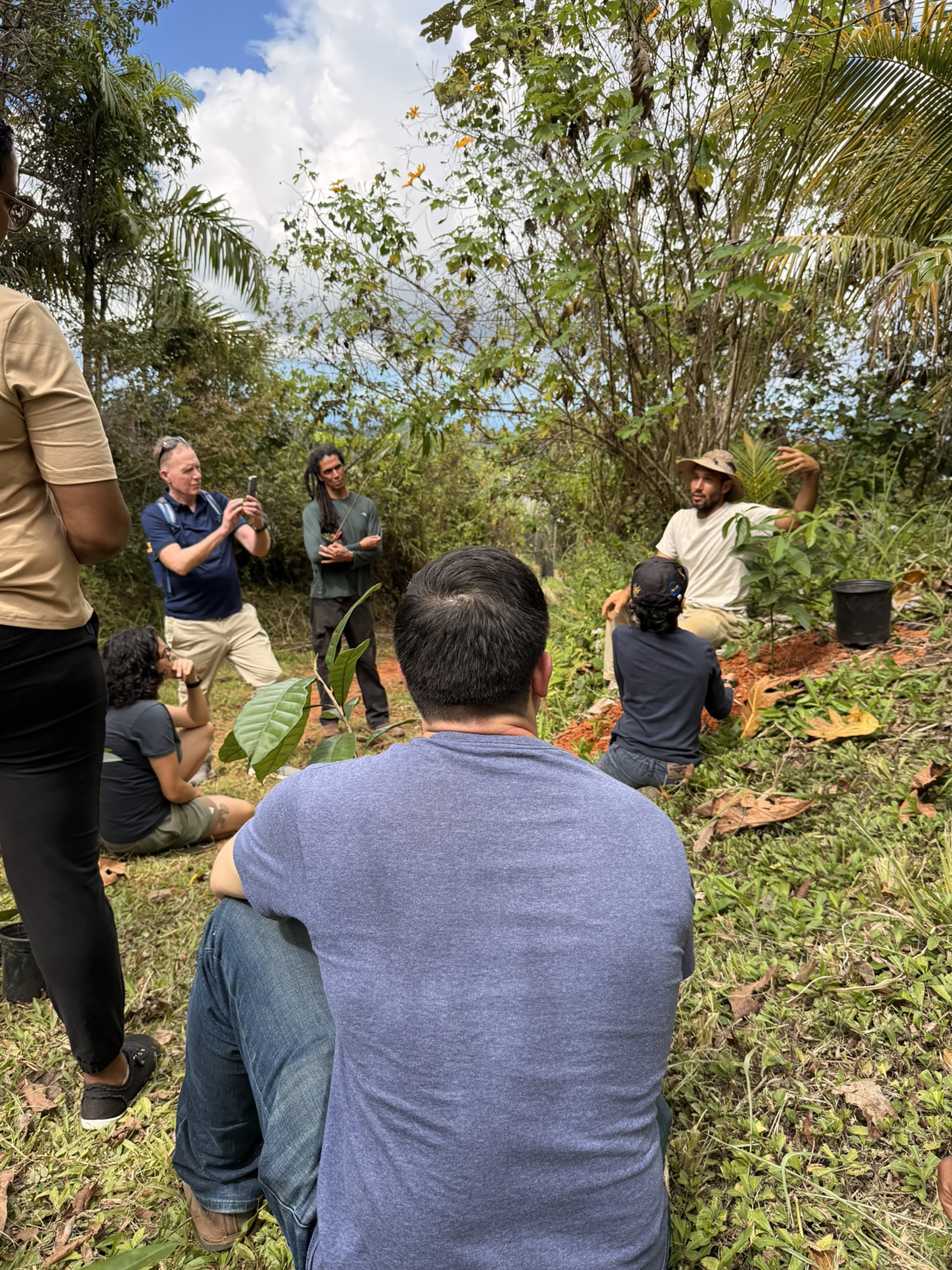
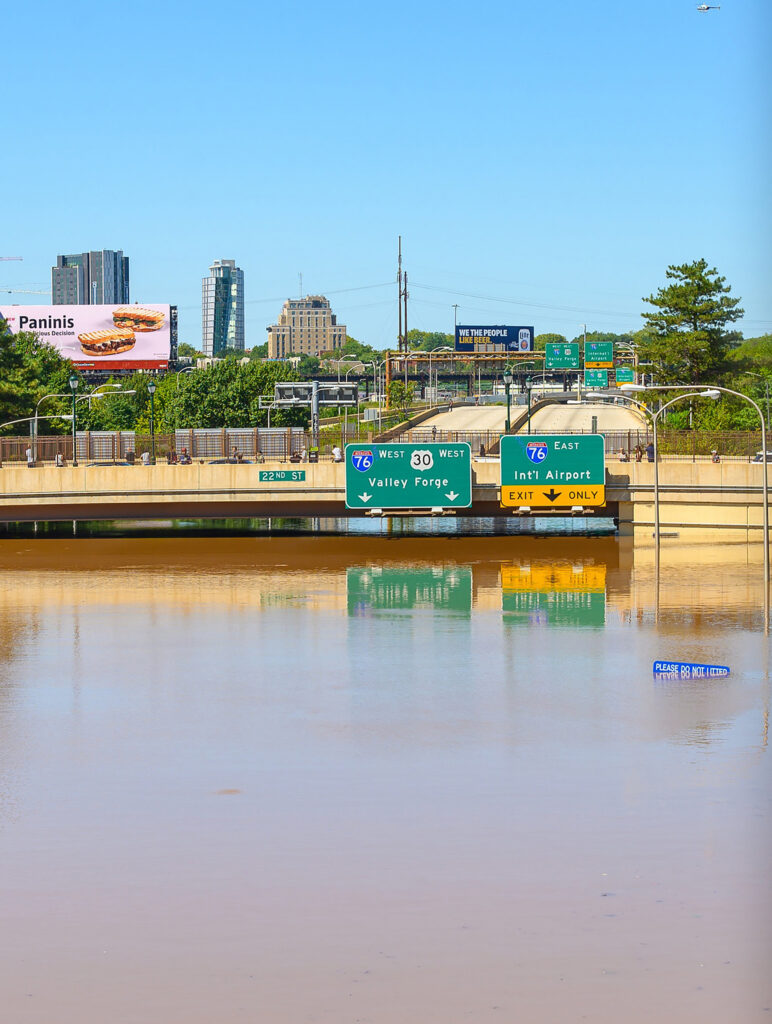
Tacony Creek’s banks are eroding, and better stormwater management is needed, especially as climate change intensifies storms. One challenge, TTF leaders say, is the fact that some of the land abutting the creek is privately owned. In a move similar to the development of Caño Martín Peña (though TTF doesn’t need to start from scratch as they did), the organization plans to deprivatize the land surrounding the creek so it can protect the entirety of the watershed.
Rosaura Rodríguez, an educator, artist and co-founder of Tabonuco, says she was nervous but excited to work with the Philadelphia group on their visit, because the avenues of decision-making are so different from what she knows.
“I have everyone’s numbers in the community. The engagement is very straightforward and direct. … It’s very foreign to me, catalyzing change from a more bureaucratic position,” she says.
Ecological restoration at Tabonuco is grounded in cultural preservation and environmental justice led by people of all ages. Hosting TTF, Rodríguez says, made her feel “even more sure and confident in what we do.”
“It gave me a lot of clarity,” she says, telling of an instance when neighborhood children impressed their visitors by their knowledge, curiosity and eloquence. “It just made me feel like, ‘Yeah, this is exactly what we do, and this is how it manifests. These are our kids from our community.’”
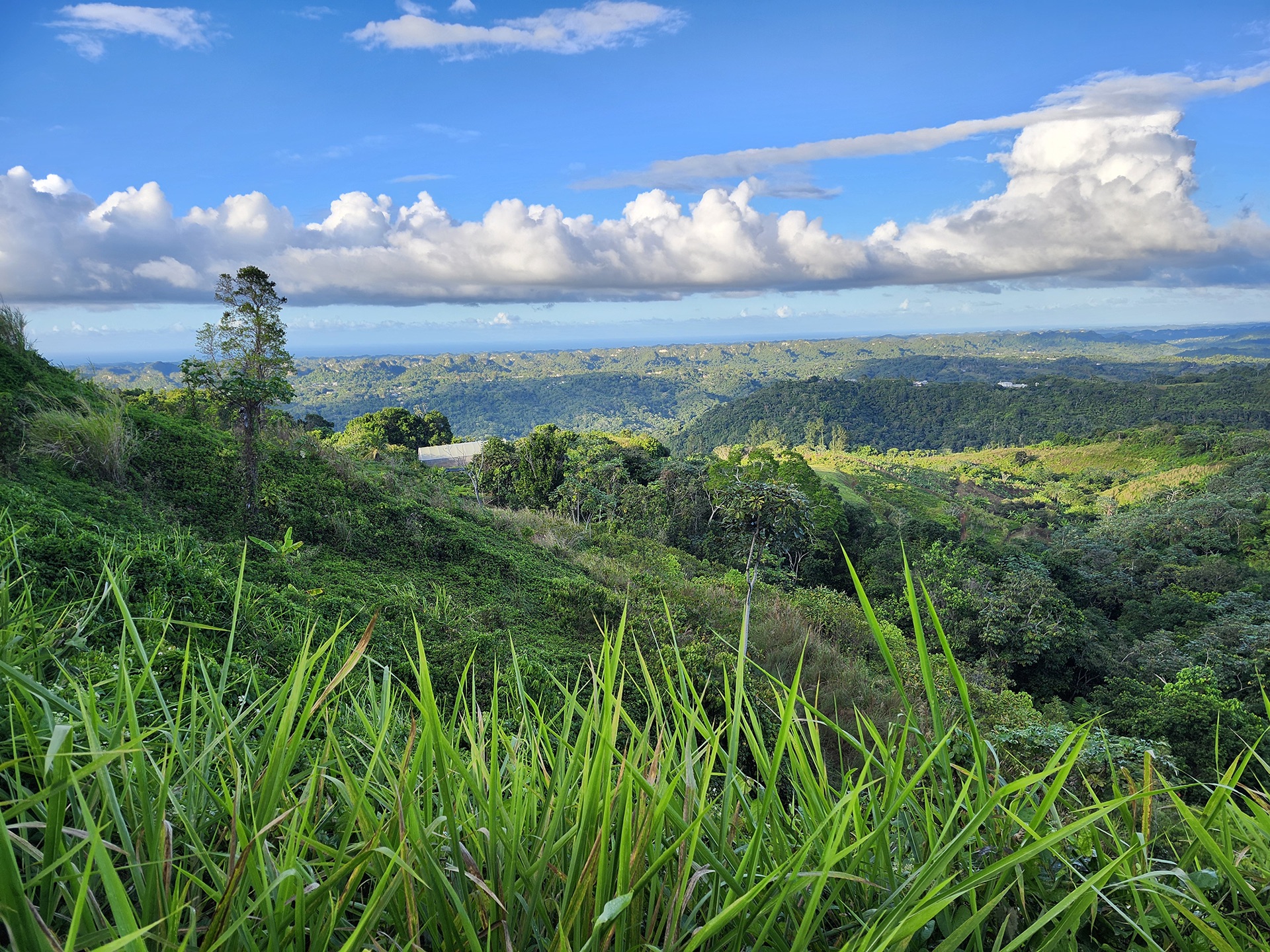
Interacting with the local children left an impression on Morales, who saw how spending time outside and being involved in the community affected the interest they had in their surroundings, the confidence with which they carried themselves and their interactions with adults. “There’s just something about intellectualizing and in a theoretical way being like, ‘Yeah, we know we need green spaces, and we know that they’re important,’ and then actually having the opportunity to spend a lot of time and see young people who spend a lot of time outdoors and how transformational that is for them,” Morales says.
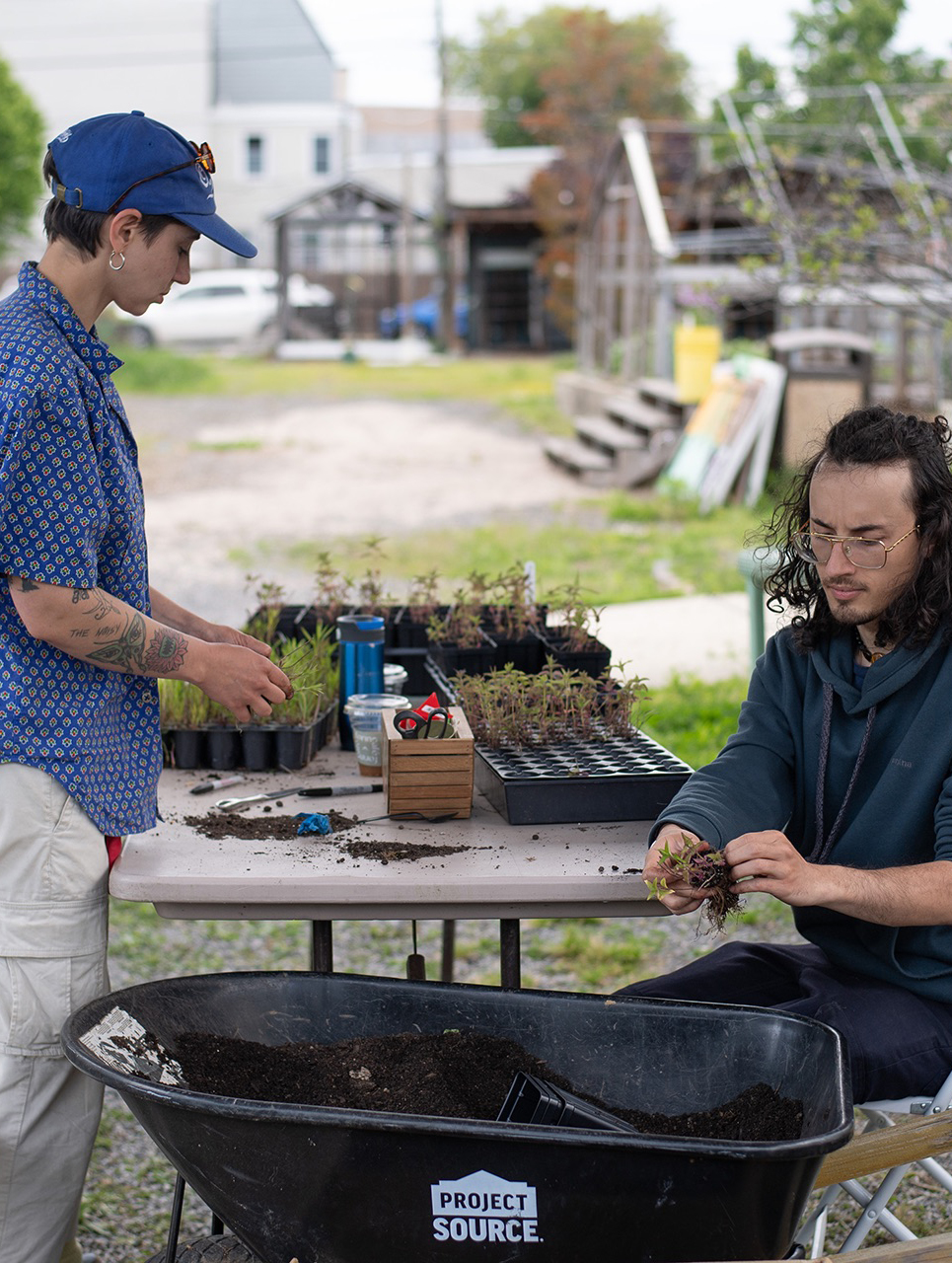
She and DiBerardinis have started envisioning ways that TTF can integrate lessons learned from the trip in its programming, particularly with a focus on young people. One goal is to create a youth-led, intergenerational food project to grow produce “celebrating Caribbean food culture that could live here on the banks of the Tacony Creek,” DiBerardinis says. In creating such a program, he and Morales say, TTF can connect culture to the land and embed a sense of stewardship into the participants.
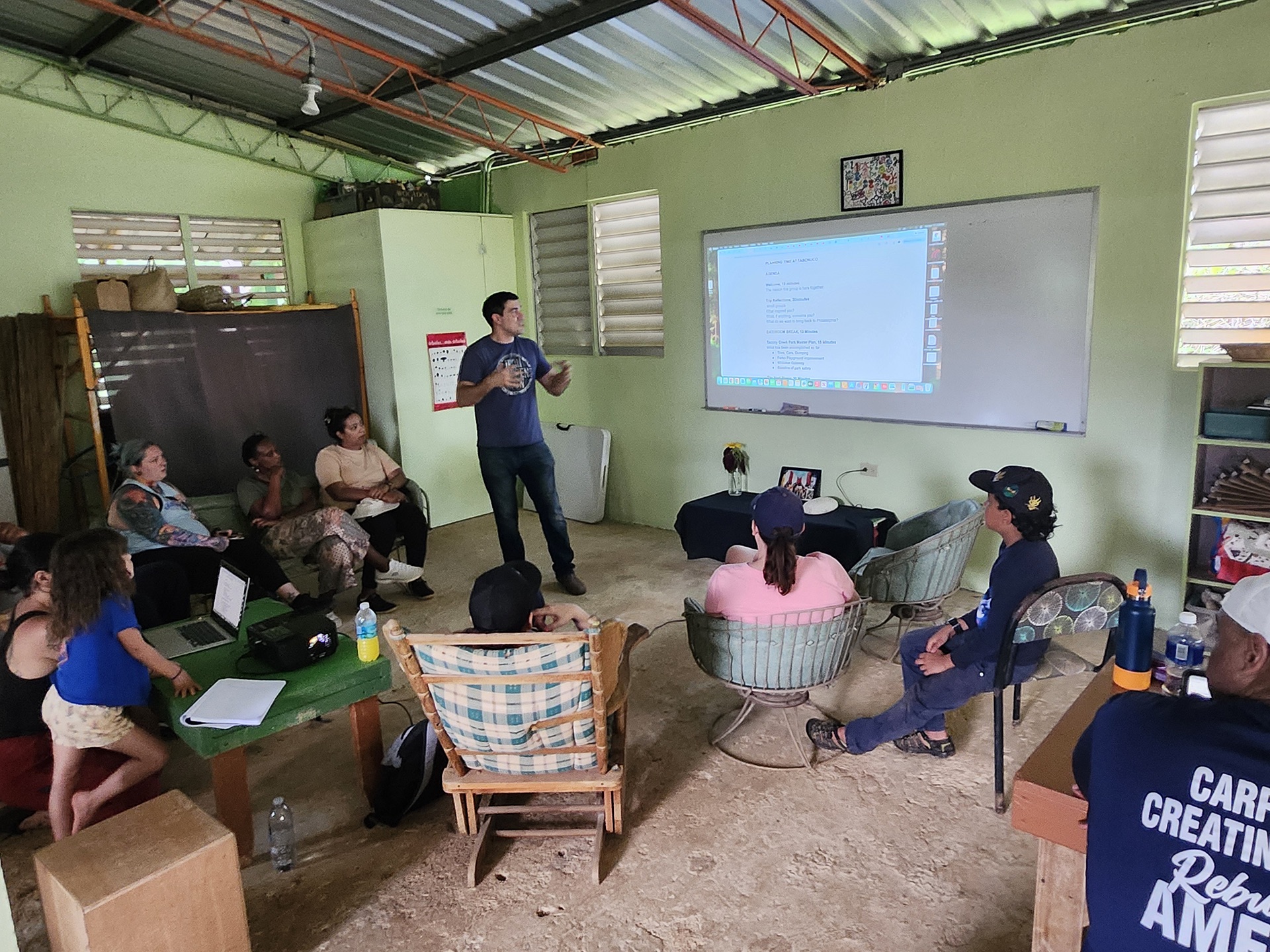
Similarly, Rivera from the Boys & Girls Club, which already has an established relationship with TTF that includes monthly program-planning meetings, says she hopes to give the kids she works with opportunities to learn more about growing food and take home the produce they harvest.
Morales says that in the last couple of years, she’s seen an influx in teenagers spending time at Tacony Creek Park. Finding value in the space is just one step in building a larger movement.
Councilmember Quetcy Lozada, whose 7th District includes the park, says her biggest takeaway from the trip was the importance of having trusted community members lead the work. “For some people, government should be doing that, and only government. I think that that is just not the case,” she says. “When people are involved in the process, they take ownership of it. And when government walks away, the community continues to move the project forward.”
As the work advances here in Philadelphia, Rodríguez encourages the use of artistic or recreational activities to build relationships and strengthen the movement.
You just have to go outside and meet your neighbors if you’re going to get down to the basics. Then you could figure out what are the challenges that people are interested in tackling first.”
— Rosaura Rodríguez, co-founder, Tabonuco
“You just have to go outside and meet your neighbors if you’re going to get down to the basics,” she advises. “Then you could figure out what are the challenges that people are interested in tackling first, because I’m sure there’s a million of them. But what does the community care about the most? And then the community can figure out what tools they want to use to figure them out. It could be arts or advocacy or activism, protests. It can be through children or through the elderly, can be through food.… But relationships are the foundation.”
While the relationship building continues and strengthens, TTF has a host of plans for strengthening the banks of Tacony Creek and turning the land surrounding it into a public corridor.
“This 50-acre parcel of nature preserve that we’re in right now is going to be transformed over the next five years into just a powerhouse of watershed protection and community climate resilience,” DiBerardinis says. “That’s the work that TTF is about and that we’re in, to get our decision makers and our community members to see the possibilities of that. We’re feeling the support as we’re now pursuing more funding for this project. We’re feeling that support with the private landowners to advance this vision.”