Donald Rumsfeld famously, or maybe infamously, once said, “[T]here are known knowns; there are things we know we know. We also know there are known unknowns; that is to say we know there are some things we do not know. But there are also unknown unknowns — the ones we don’t know we don’t know.”
Rumsfeld was truly the Yogi Berra of statesmen, capable of saying something so convoluted it starts to make sense.
When a new technology is introduced, we should consider the “unknown unknowns.”
When Ben Sasse, the former Republican senator from Nebraska who was diagnosed with stage 4 cancer in November, was recently interviewed by Ross Douthat of the New York Times, he expressed an interesting take on the political chaos of our time, that it’s a byproduct of a technological shift.
“The historian in me says 75 or 100 years from now, when you look back on our moment, we’re not going to talk about politics at all.
“[W]hat’s really happening is these superdevices in our pockets — the largest tools any median individual’s ever had access to in all of human history — allow our consciousness to leave the time and place where we actually live, the places where we break bread, the people who are living next door to us, the people that you can physically touch and hug, the small platoons of real community, and we allow our consciousness to go really far away.”
Who could have guessed 22 years ago when Facebook launched or 19 years ago when the first iPhone was unveiled the profound effects on our culture that Sasse describes. The technology’s promise that, with regular updates, we could stay connected to our grade school classmates, a former neighbor, a cousin who lives thousands of miles away. Not only that, we could find communities based on our passions, regardless of where we lived.
To some degree that has been true, but the technology has also been blamed for political divisiveness and insurrection, children’s suicides and a flood of misinformation that threatens to undermine our public health — just to name a few.
Now here comes artificial intelligence, another technology reshuffling how we approach life and work. I think it’s fair to say this revolution is being met with more apprehension than the last one. New York Times book reviewer Dwight Garner recently wrote that AI is “here to either a) help with our homework, or b) end the world.”
The techno-optimists appear to be currently outnumbered by the techno-skeptical and techno-exhausted, but each of them has a vision of how things will unfold. But, alas, what the future holds is unknown.
There is, however, an unknowable we do know about — and it’s climate change. The enormous amount of energy required to deploy AI as a product accessible to all is staggering. Politicians tend to focus on rising consumer prices that will result from increased demand for electricity. That’s undoubtedly true, but it’s not the Big Story of climate chaos. If climate change demands that we go on an energy diet, this is the equivalent of formalizing a daily fourth meal from Taco Bell.
The only chance we have to maintain our lifestyle — perhaps a dubious and dangerous goal — is to seek every opportunity we have to reduce how much energy we use. We should celebrate the district energy that Vicinity provides, and encourage them to follow through on their longstanding plans to fuel their efficient system with renewable energy instead of fossil fuels.
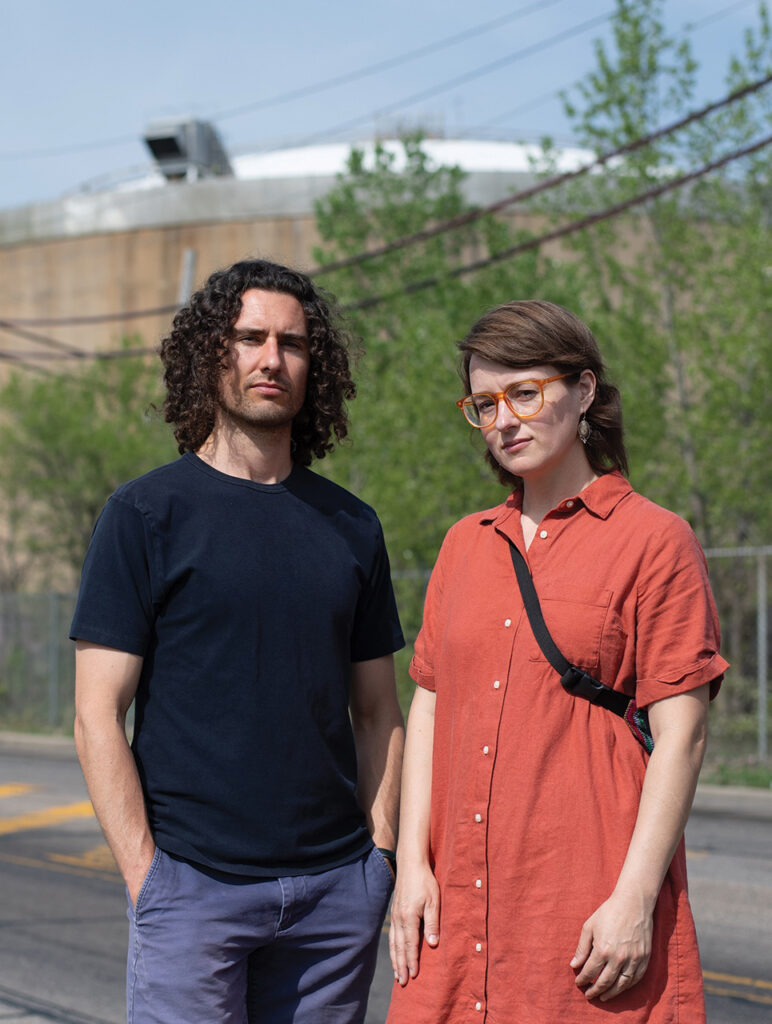
We shouldn’t be building new fossil fuel infrastructure in Port Richmond.
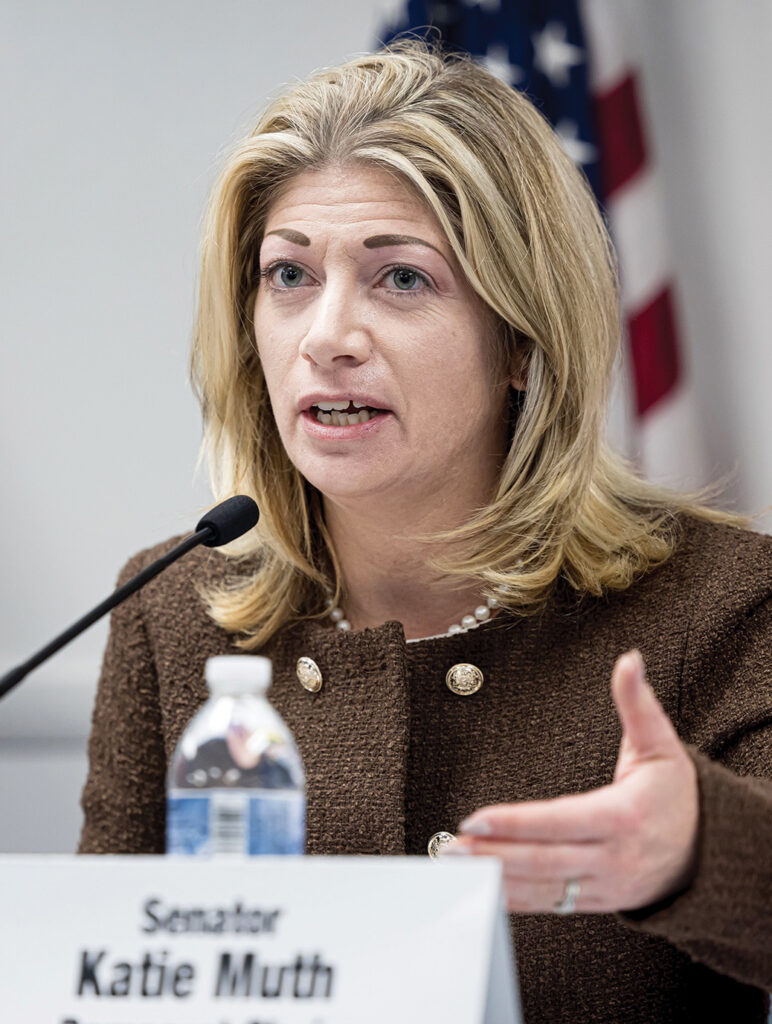
We absolutely should be passing the law, introduced by State Sen. Katie Muth, that would create a three-year window to slow down the building of data centers.
And we don’t need AI to tell us whether we should accelerate climate change.