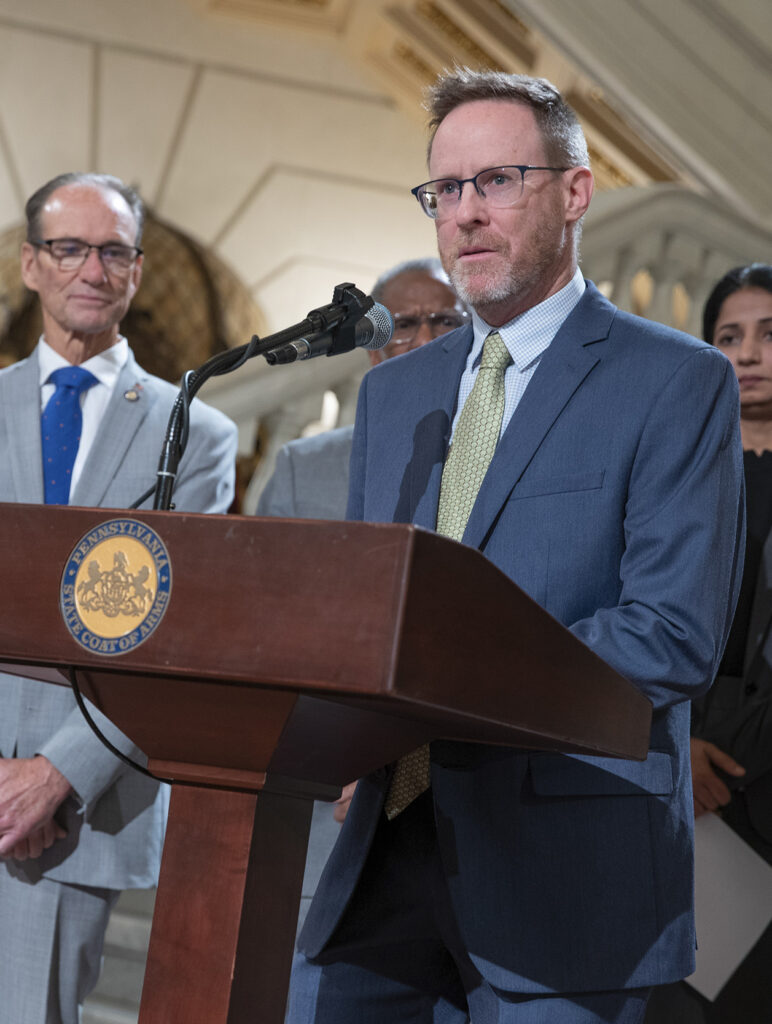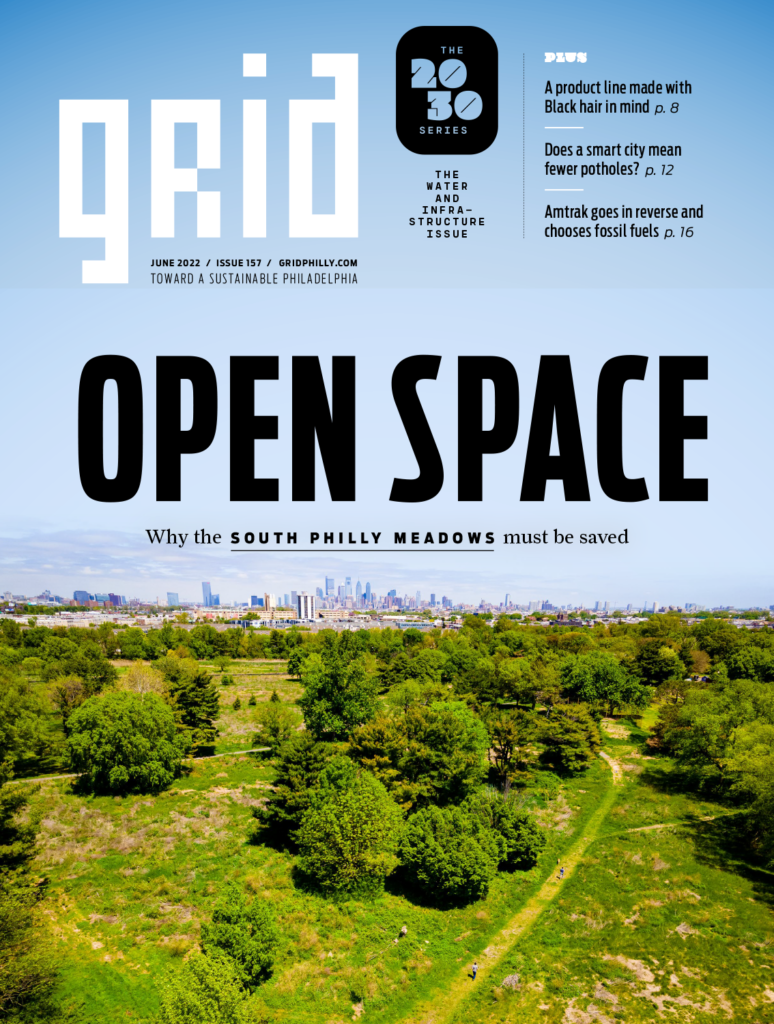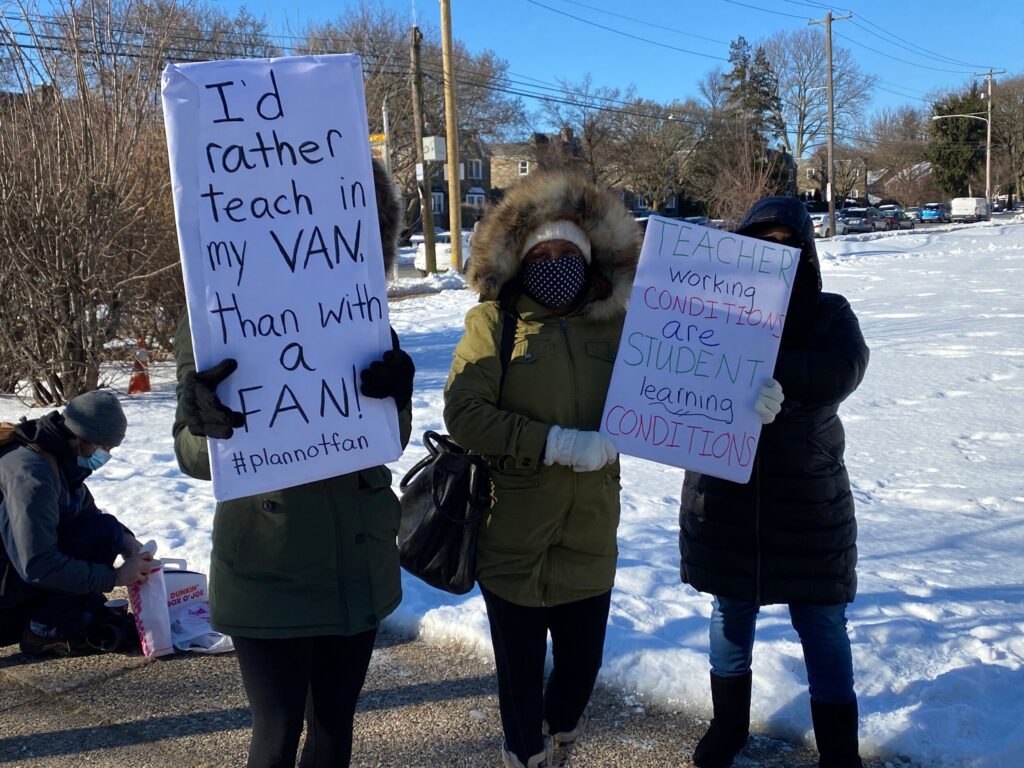
Every human produces a little more than 4.5 ounces of excrement per day. Multiplied by the 2.2 million customers of the Philadelphia Water Department’s wastewater system, the cumulative daily dump equals about 620,811 pounds, or about 310 tons. The story of biosolids (treated sewage sludge) starts with clean water in the toilet bowls of the
MoreFor decades heroin was the drug that evoked the most fear, but what was formerly known as the “heroin epidemic” has shifted into the “opioid epidemic,” as synthetic opioids and pharmaceutical drugs have become more prevalent. Fentanyl has emerged as one of the most harmful synthetic opiates and has become commonplace among Philadelphia’s drug market.
MoreExposed: the Toxic Chemistry of Everyday Products and What's at Stake for American Powerby Mark SchapiroChelsea Green, $16.95There has never been a shortage of books critiquing American government policy or society, but with the current economic crisis, such books now have a lot more cachet. Exposed, by Mark Schapiro, editorial director of the Center for
MoreA local teen finds success by growing healthy foodby Dana HenryThe school bell rings and teenagers fill the entrance halls of University City High School. Many are running and some are calling out to their friends, relieved from a long day of classes. A young man apologizes to the woman at the front desk who
MorePatients as Person, City as Healer?by Nathaniel PopkinIn the earliest days of the Center for Community Partnerships at Penn, a project I was a part of for a few years in the mid-’90s, we considered (but never executed) a “misery/happiness index” for West Philadelphia. The index was an idea of the historian Lee Benson, the
More