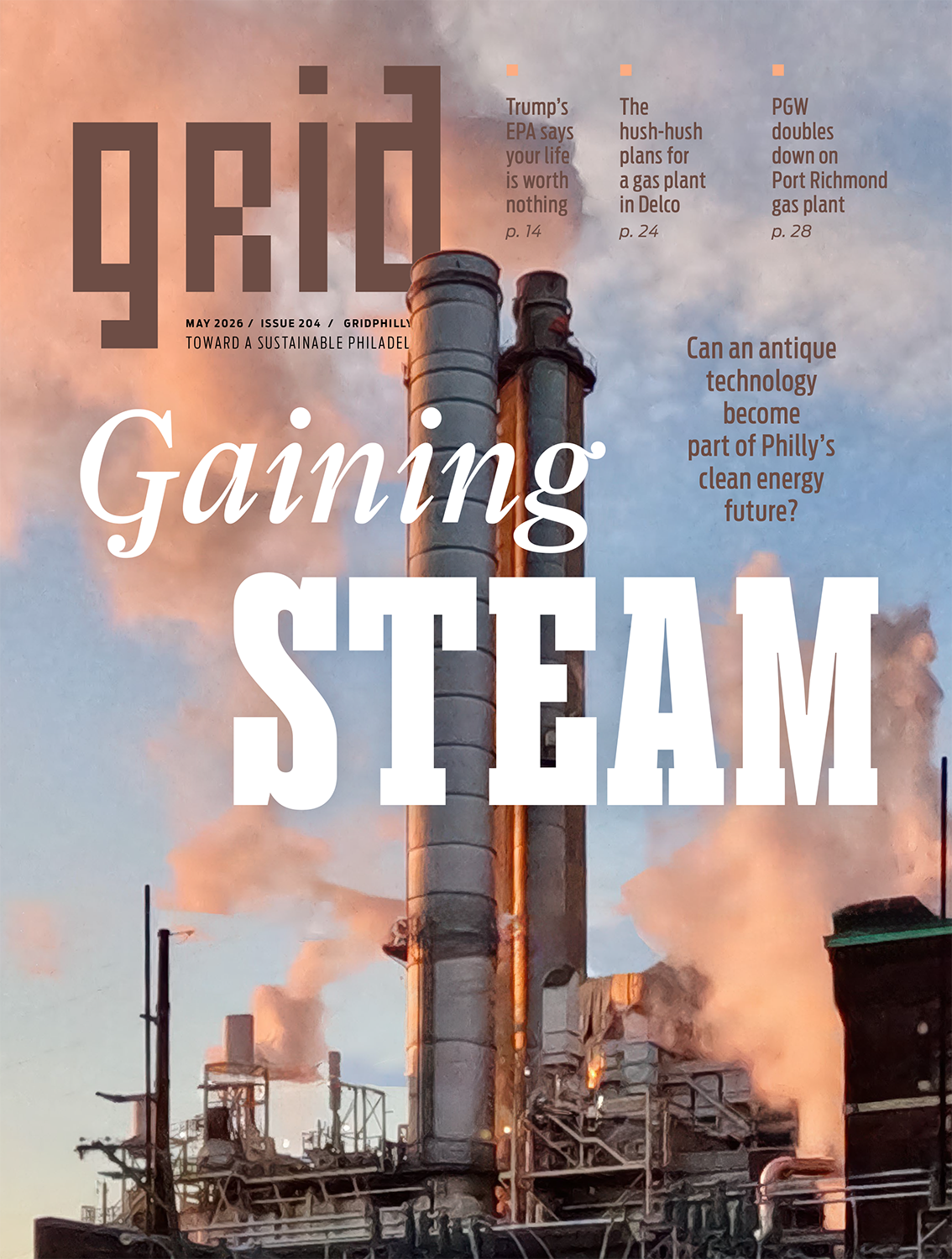
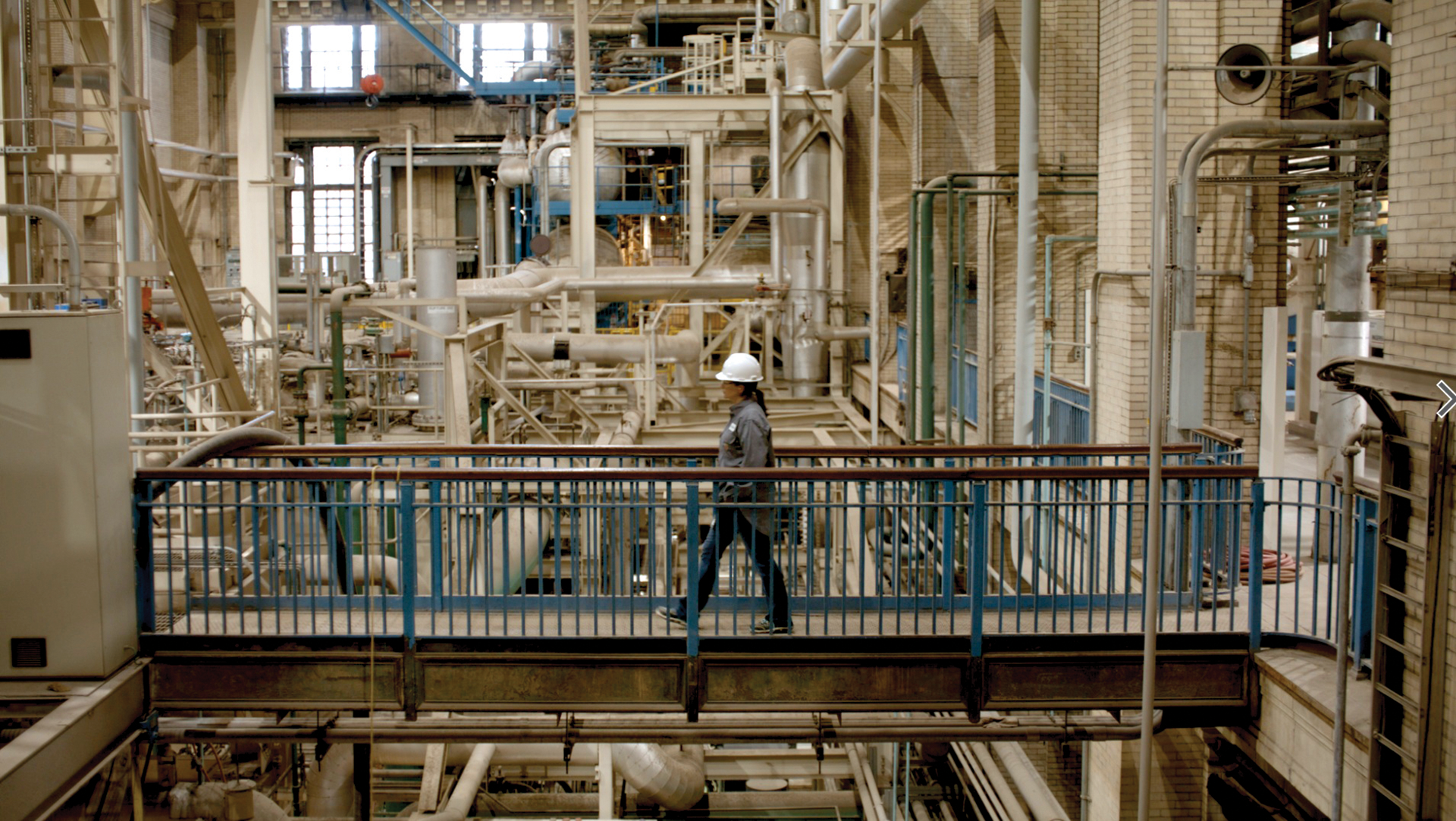
Tucked into a still corner of Grays Ferry, a block-spanning brick building with towering stacks overlooks the river and its walking trail. Thick steel pipes snake around the compound, carrying water and gas to tanks and boilers. The air thrums with the sound of machinery hard at work turning water into steam.
This is the Vicinity Energy Schuylkill plant, and it’s what’s known as a combined heat and power plant. Giant boilers within combust fuel to spin turbines that generate electricity. The excess heat from that process is then used to create high-pressure steam that gets funneled out to customers through the “steam loop,” a 41-mile circuit of piping under the city. Steam is used by many of the city’s office buildings, Thomas Jefferson University Hospital, the University of Pennsylvania and the Philadelphia Museum of Art, among others, to both warm radiators and drive cooling compressors.
Steam systems, also known as district energy systems, undergird hundreds of U.S. cities, college campuses, hospital complexes, military bases and airports, providing heat, cooling and power to millions of people. The Department of Energy estimates there are 660 active district energy systems in the country. Vicinity is the largest operator of district energy systems in North America. In Philadelphia, they serve over 100 million square feet across 400 buildings.
These systems are more than just relics of the bygone “steam age.” They have been evolving alongside cities for over a century, taking advantage of new technologies and fuels as the energy landscape has changed.
An old sustainability technology
According to International District Energy Association President and CEO Rob Thornton, district energy was one of the first urban air quality solutions. It rose to popularity about 140 years ago, during a time when coal was used to heat cities.
“Every building had a coal furnace or a boiler, and as a result, the air quality was really bad,” says Thornton. “District energy was really an investment in a primary central plant to eliminate hundreds, if not thousands of uncontrolled emission sources.”
Since then, the trajectory of district energy has arced towards enhanced sustainability. Built in 1903, the Schuylkill plant was made to burn coal, but as oil and later gas became more viable, equipment was upgraded or adapted to burn these new, less air-polluting fuels. Today, the plant primarily burns gas, as well as heating oil and a recycled cooking oil called LR100 — essentially the grease collected from a city’s worth of cheesesteaks and fries.
The combined heat and power process is a less carbon-intensive process than the separate generation of heat and power. We’re avoiding over a half-million tons of carbon annually today.”
— Nate Paist, Vicinity Energy
According to Nate Paist, Vicinity’s director of business development and account management, centralized generation has the added benefit of efficiency. Individual boilers have to be overdesigned to meet high-demand moments — cold midwinter nights, for example — but at all other times, the excess energy generated would go to waste. District energy systems allow customers to pull only what energy they need from the system.
With cities like Philadelphia now searching for ways to reduce fossil fuel use, this antique tech offers modern possibilities.
“The combined heat and power process is a less carbon-intensive process than the separate generation of heat and power,” says Paist. “We’re avoiding over a half-million tons of carbon annually today.”
New carbon-free possibility
That half-million-ton figure will climb as Vicinity plans to decarbonize its operations. At its plant in Cambridge, Massachusetts, the future is already underway.
A 42-megawatt electric boiler was installed there in 2024. These boilers use arcs of electricity to vaporize water into massive volumes of steam. The electricity can be sourced from anywhere, but Vicinity Chief Commercial Officer Pam Clark says the company intends to run these boilers on renewables.
The company has also broken ground on the construction of a 35-megawatt heat pump system that uses refrigerants to extract heat from river water. That heat will be used to make steam, and the water will be returned to the Charles River a few degrees colder than it was, according to Paist.
“It’s actually kind of reversing some of the [warming] impact that industrial facilities have had on rivers for many years,” says Paist.
These changes are headed for Philadelphia, too. Clark says they are scoping the installation of an electric boiler at the Schuylkill plant as early as 2028 and a heat pump system by 2030. According to Paist, just one 85-megawatt heat pump system could support half the volume of steam generated at the Schuylkill plant in a year. These upgrades would take a major step toward Philadelphia’s goal to decarbonize its municipal infrastructure entirely by 2030, as laid out in the 2025 update to the City’s Municipal Energy Master Plan.
“The cool part about this is we’re able to leverage all of the existing infrastructure that we have,” says Paist. “The pipes in the street don’t have to change. So we make one change here at the plant in Philadelphia, and it impacts the 100 million square feet that we serve.”
This is district energy’s secret strength. For over a century, plants have been retrofitting core equipment to adopt new technologies on behalf of a whole city.
“And now we’re at the stage where a number of steam systems are integrating electrification of steam,” says Thornton. “So, they’re keeping the veins and arteries of the steam networks in the streets to serve the buildings, and changing the heart and the lungs.”
Not without risk
In the early morning of Dec. 14, 2025, engineers at the Philadelphia Museum of Art started raising alarms. In the bowels of the monumental building’s steam vault, pressure readings were dropping rapidly out of their normal range.
The museum uses steam for climate control in its galleries and collections. Temperature and humidity must be precisely maintained to avoid damaging delicate artwork or cracking frames.
A call that night from Vicinity confirmed the plant was experiencing a “low-pressure incident,” meaning they weren’t able to push out usual levels of steam to their customers. According to museum assistant chief engineer, Frank Torres, protocol immediately kicked in and engineers diverted what steam they had left from non-essential spaces like offices to maintain conditions in the galleries while they waited for pressure to be restored.
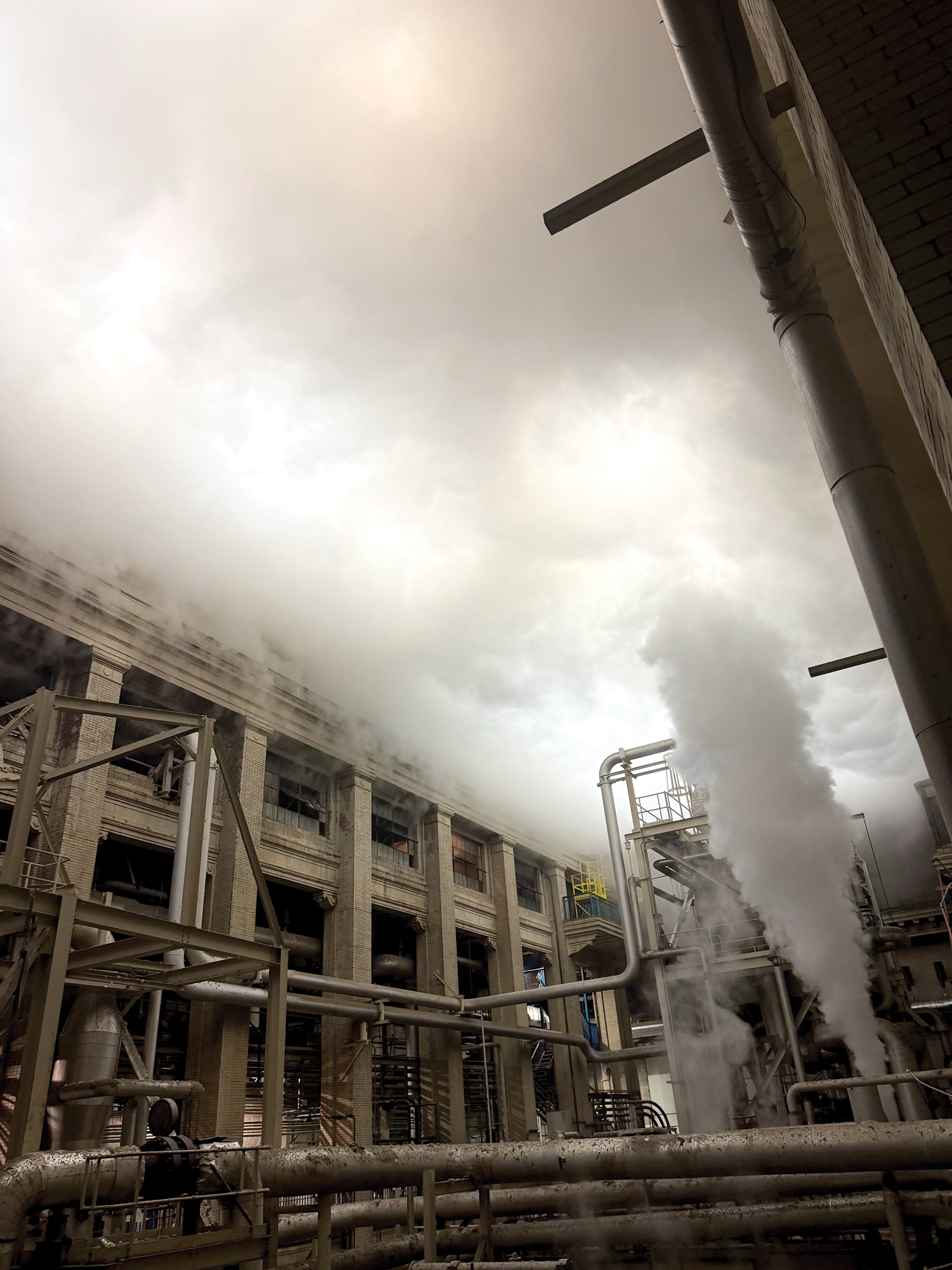
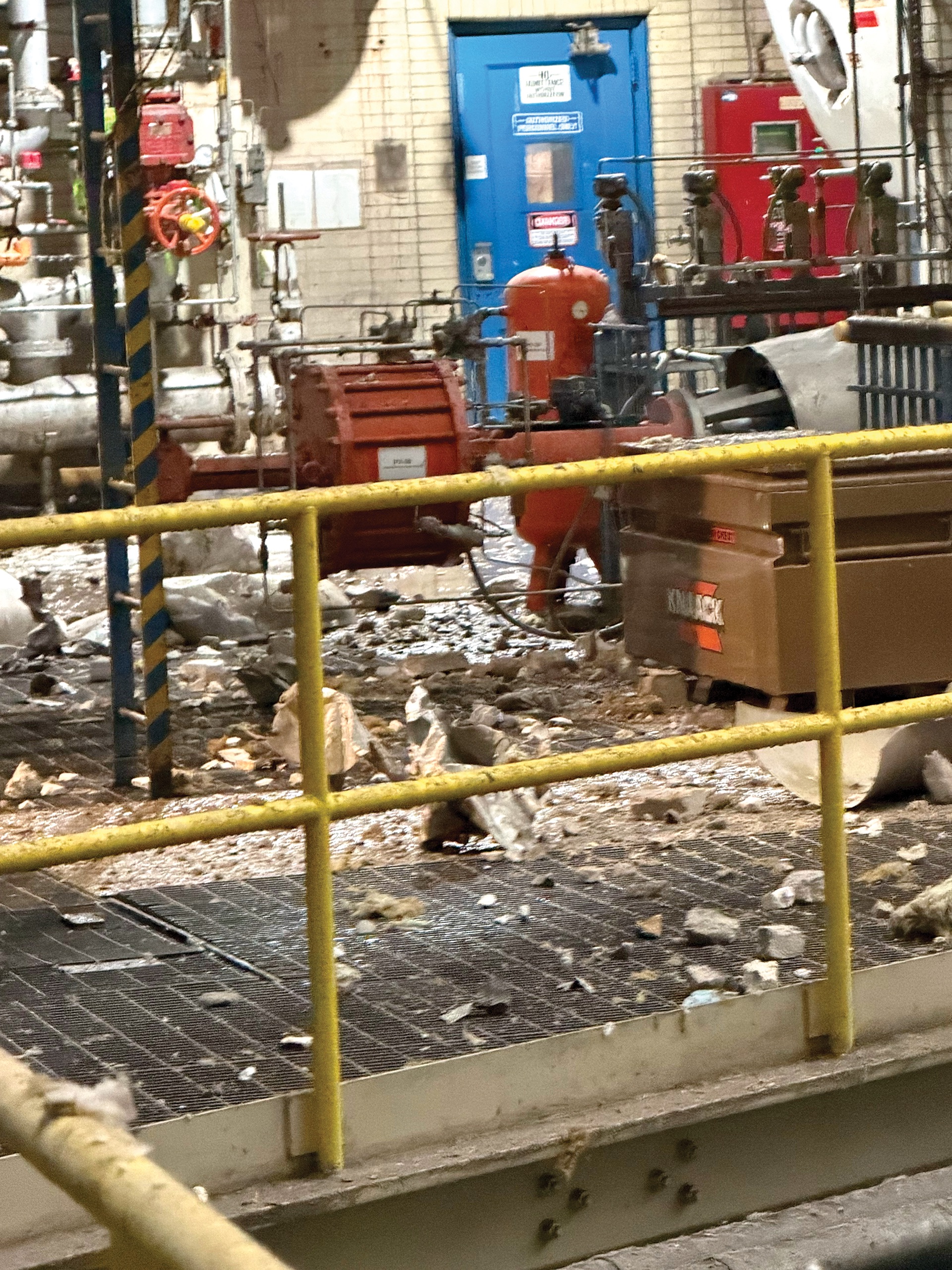
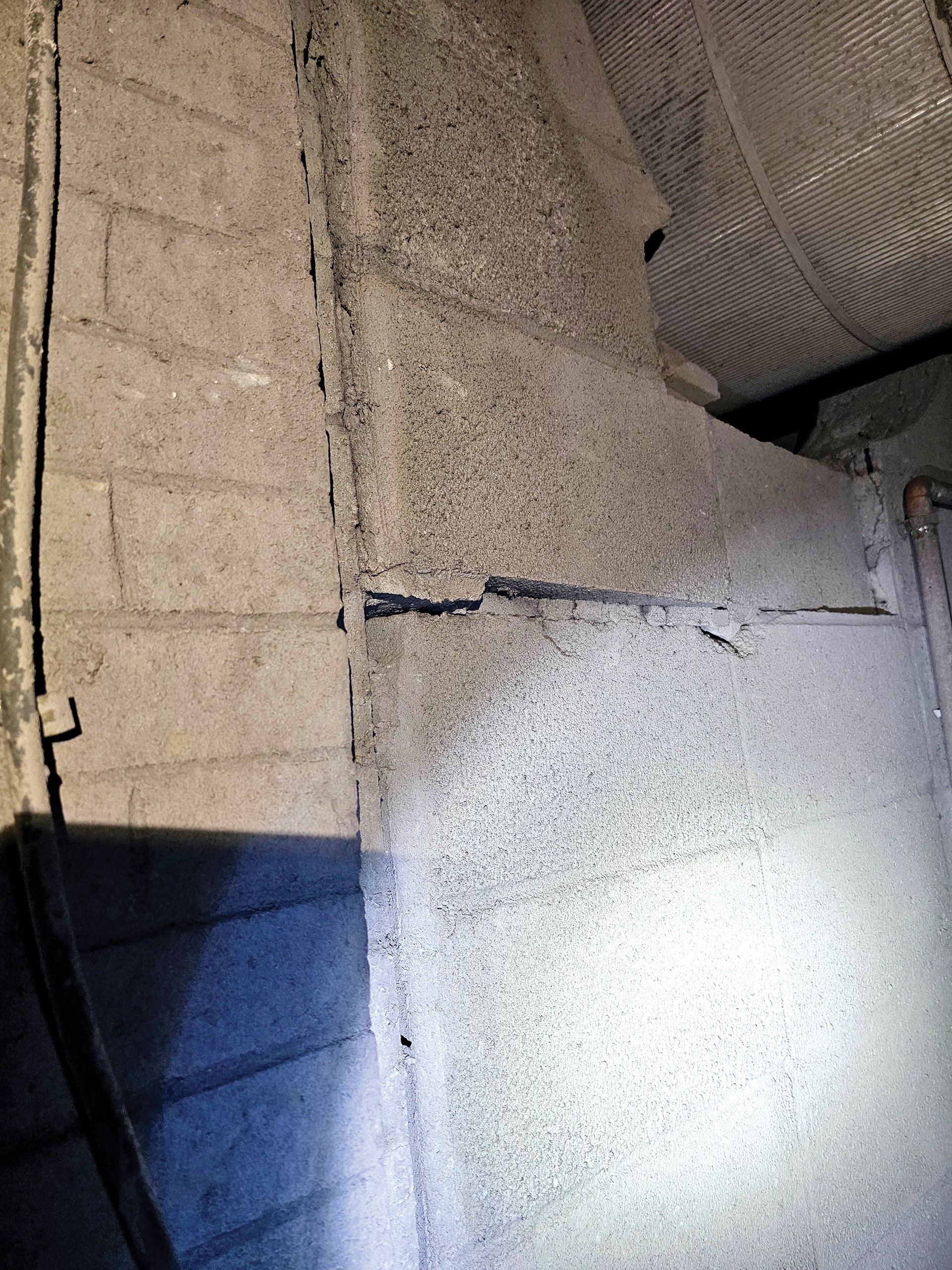
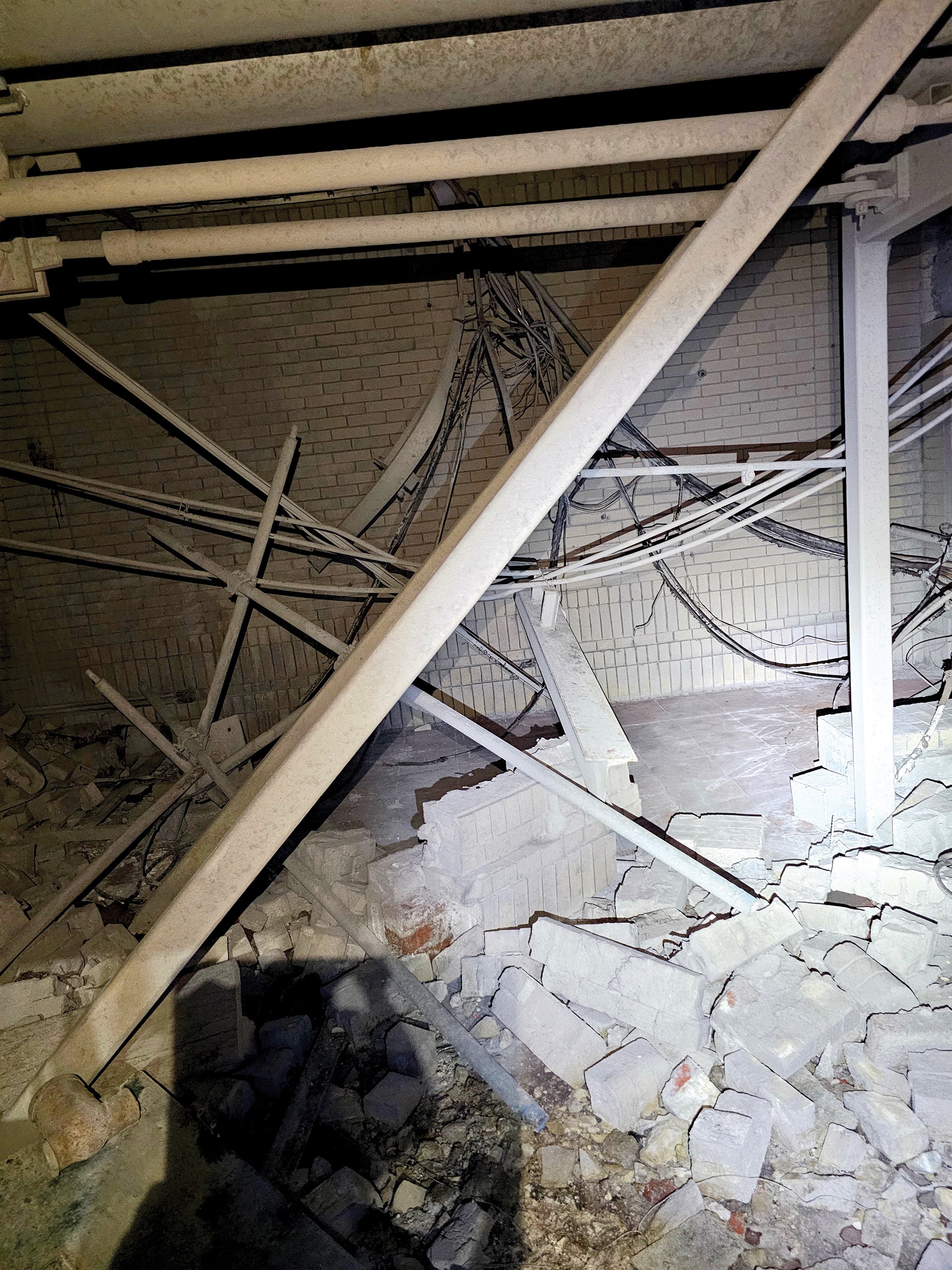
Across town at the steam plant, that “low-pressure incident” translated to something explosive. In the process of bringing a boiler online to meet increased heating demand, water vapor trapped in the pipe expanded suddenly, causing the pipe to rip open at a weld point. Steam flooded the facility. The force of the explosion propelled heavy debris, including brick, metal and asbestos insulation, throughout the inside of the plant.
According to union president Larry Anastasi, plant employees had repeatedly raised concerns over the upkeep of equipment, as well as insufficient training for operators.
No employees were near the pipe when it burst, and there were no injuries, though Sean Finnegan, an auxiliary operator at the plant and business manager for the International Brotherhood of Electrical Workers (IBEW) Local 614 says, “one guy said he was under the table because he thought the building was coming down. He was right under where it exploded.”
The incident occurred just three months after members of IBEW Local 614 filed an OSHA complaint, citing unsafe working conditions that Vicinity had failed to address. According to union president Larry Anastasi, plant employees had repeatedly raised concerns over the upkeep of equipment, as well as insufficient training for operators.
“Steam is a great form of energy [but] it requires maintenance, requires skilled labor,” says Anastasi. “When you have inundated plants that aren’t maintained, it’s going to lend credence to those people that say things like, ‘That’s why we don’t use steam.’”
People powered
Over the century of its operation, the Philadelphia district energy system has become an interlocking matrix of machinery from different decades. Paist says the oldest operational boiler at the Schuylkill plant was established in the 1970s; with continuous repair, boilers can have a lifespan of more than 50 years.
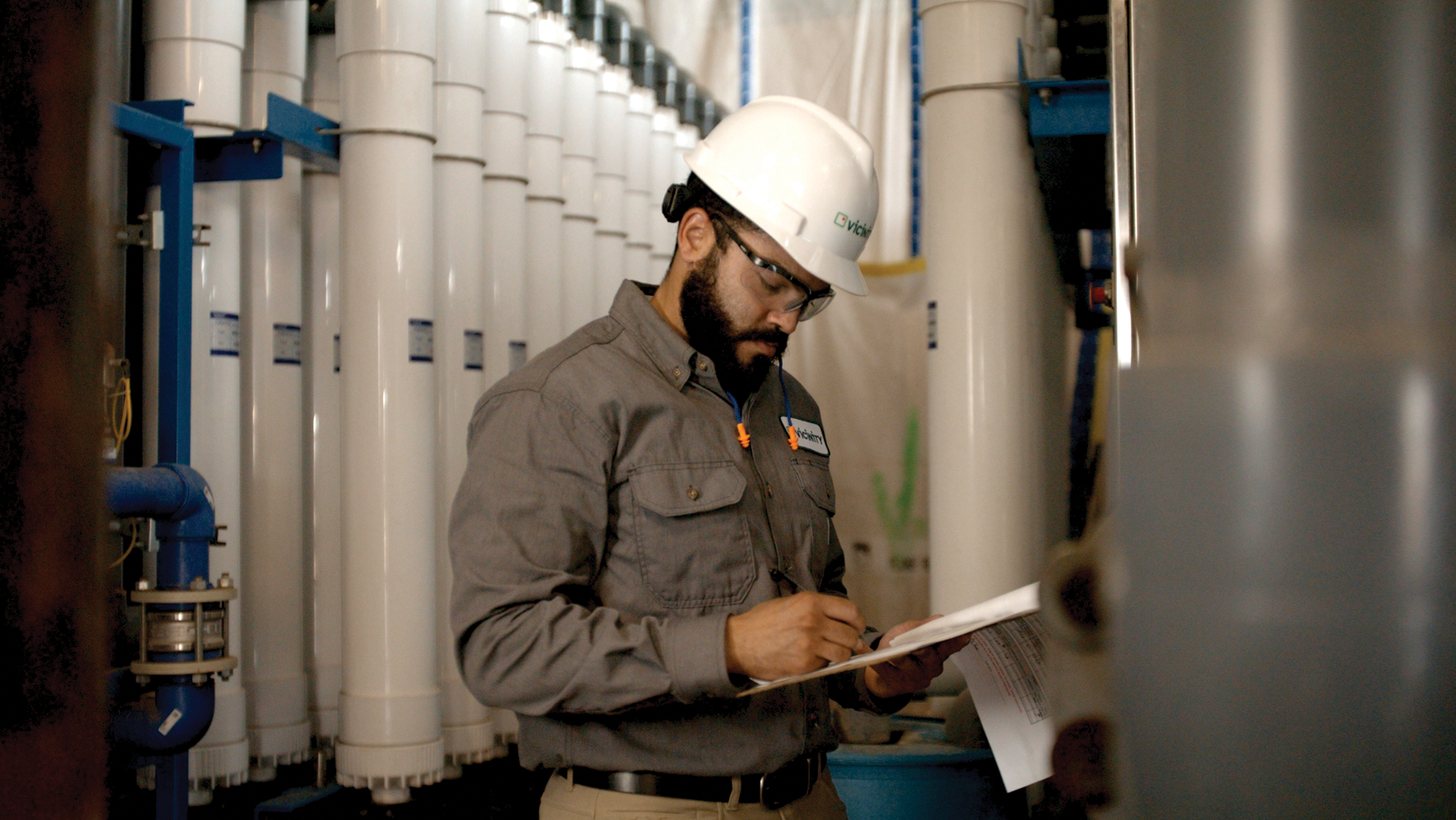
People are perhaps the most important piece of that matrix. Paist acknowledges, “There’s always risk in bringing on a steam-generating piece of equipment”— high heat and high pressure are a volatile combination. But expert operators significantly reduce the risk of incidents like the December explosion.
Finnegan says operating the Schuylkill plant’s unique combination of machinery requires the kind of judgment you have to learn on the job. He’s concerned that as the oldest, most experienced operators start to retire, institutional knowledge accrued over years of operating will be lost.
“A lot of guys that used to work there worked in the Navy … on boats, some of them on submarines, and it’s the same kind of equipment they used,” says Finnegan. “A lot of them guys are retired now, so that’s a lot of knowledge that’s walking out the door.”
Clark says Vicinity takes safety and operator training very seriously. Newly hired operators go through a rigorous training process that involves shadowing more experienced operators, and all staff receive annual, ongoing safety training. A statement from Vicinity added that last year’s OSHA complaint has also been reviewed and addressed. Vicinity staff have been at work on repairs to the boiler room that was damaged in the December incident, including asbestos abatement.
“We have since inspected every similar weld in our plant to ensure that there was not a similar issue that was identified in the December incident,” says Clark.
Finnegan says he would also like to see upgraded equipment installed so they don’t have to work in fear of another incident like this happening.
When the repairs are finished, Clark says Vicinity will decide what to do with the faulty boiler. With a new electric boiler on the way, the old one may not be needed anymore.
“That boiler may just go into retirement,” says Clark.
The path to clean steam
Even further down the line, Clark says Vicinity is exploring options for thermal storage at the plant. This technology acts like a battery that stores heat rather than electricity. A material with high heat storage capacity, such as molten salt, is “charged” with excess heat generated during off-peak times that can be used to create steam during later periods of peak demand.
Thermal storage units would increase reliability by continuing to provide heat even when renewable supplies fluctuate — but Clark says Vicinity’s adoption of the technology is dependent on when more renewables start showing up in the grid. Customer demand is a big determinant for where and how Vicinity prioritizes decarbonization.
“In Philadelphia, there is a very strong interest in decarbonization,” says Clark. “There’s a lot of people who are leaning forward, still looking to move off of fossil fuels.”
Thornton also cites regulation changes as important in transitioning district energy systems to zero-carbon systems. Currently, electric utilities can set their prices based on the amount of infrastructure they own, which incentivizes building new structures rather than taking advantage of existing infrastructure in a district energy system. Additionally, Thornton says local sustainability standards, often derived from the American Society of Heating, Refrigerating and Air-Conditioning Engineers, champion building-by-building carbon solutions and don’t easily reward customers for connecting to a centralized low-carbon source.
And while district energy’s reliance on existing infrastructure is a cost-saving benefit, Thornton says new steam pipes are being laid in many places to bring pockets of new development into the network. Just this year, Vicinity completed a major extension, adding 2,000 feet of pipe to their existing loop.
Ultimately, Thornton says district energy won’t be the only solution to a zero-carbon future. Instead, it’ll offer cities a “quiver of technologies” they can use to achieve resilience.
“I think cities that have district energy are in a much better situation than the ones that don’t,” says Thornton. “A community has greater resilience, better economics, better reliability, particularly under extreme weather conditions, and ultimately has more control over its energy future.”
At the Schuylkill plant, the future of energy coexists alongside a century of past lives. The original coal dust well is still there, as well as the tracks that brought coal in from river barges. Beautiful arched windows and brick detailing sit next to utilitarian metal constructions. Inside, Cold War-era control panels have been retired in place, awaiting demolition for something newer and shinier.
“I think a lot of folks see, like, an older industrial site, and they just assume it’s bad, right?” says Paist. “We’re trying to change that story.”
Clark sees the beauty in all that juxtaposition.
“It reminds us how far we’ve come.”