
When local productions need a feather boa to add to a costume or a vintage phone to serve as a prop, they know just where to look: to their fellow theater colleagues.
The aptly named Resource Sharing Committee brings the Greater Philadelphia theater community together to share their materials for productions. The committee’s website has a free shared inventory database, where theater companies can both upload their stock and search for costumes, props and other theater equipment to rent or borrow from their peers.
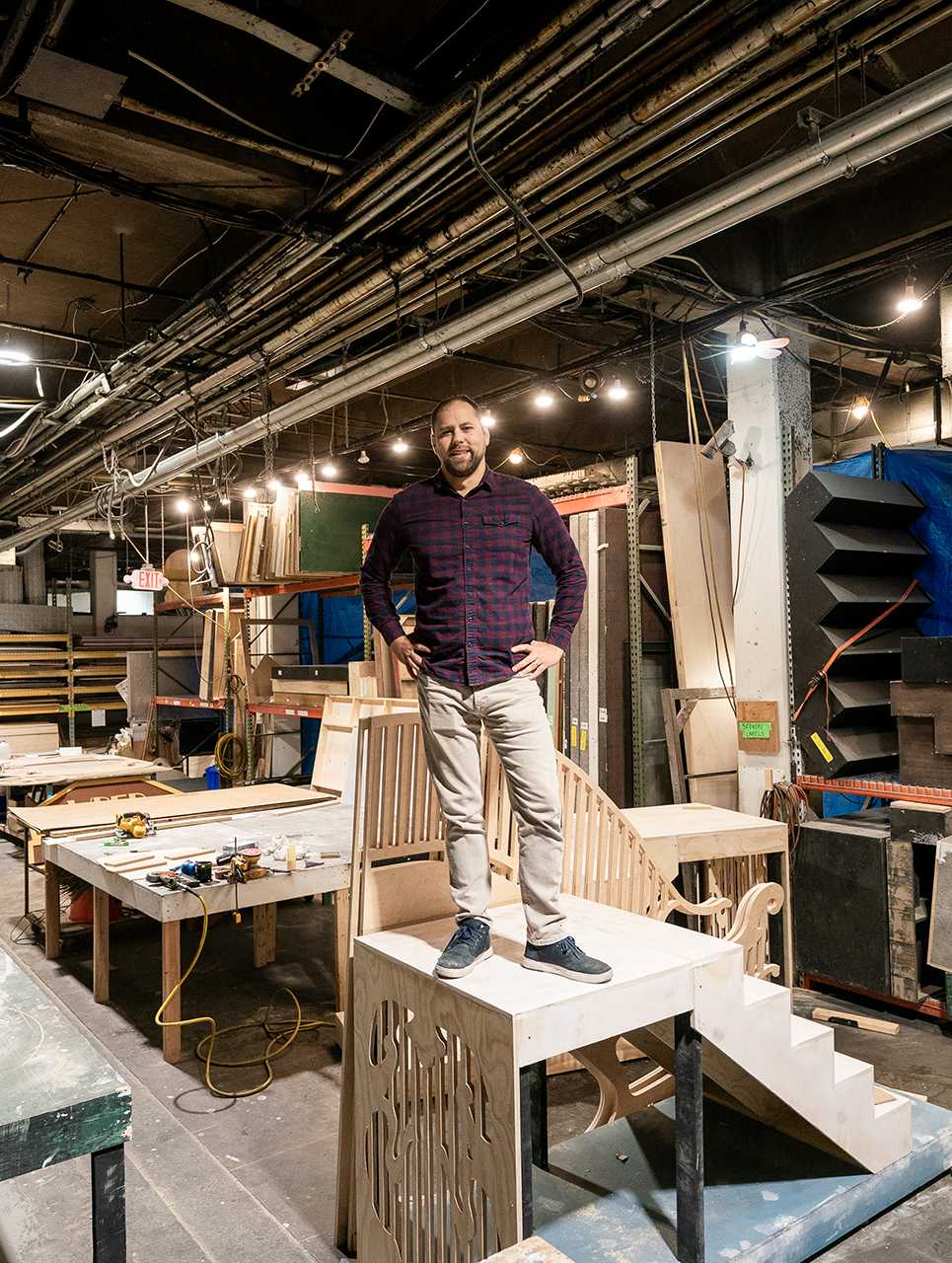
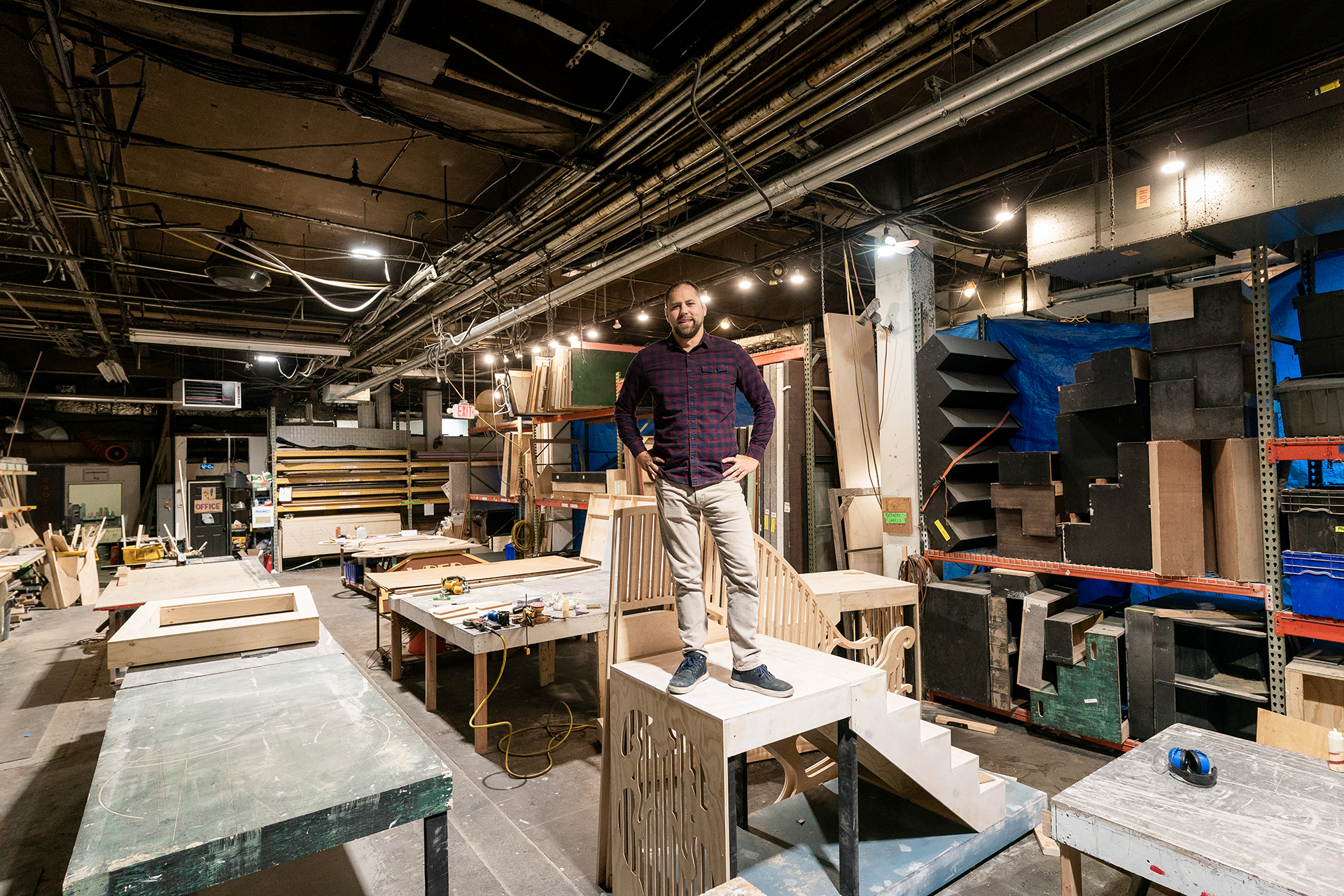
The goal of the Resource Sharing Committee is “reducing financial and material waste” while building community, says Nathan Renner-Johnson, committee member and executive director of Philadelphia Scenic Works, a nonprofit theatrical scene shop.
Renner-Johnson is one of about 10 volunteers who meet weekly to run the Resource Sharing Committee, which formed five years ago during the COVID-19 pandemic.
The committee started out as a way for theater workers to band together during an uncertain time when resources were scarce and costs high. In the years since, group members continued to meet, bonding over their passion for sustainability and the arts.
Ann Garner, a committee member and managing director of InterAct Theatre Company, says the theater industry can be paradoxical — companies always need more money to do their work, but they also throw away a lot of stuff.
Renner-Johnson says the reason theater companies trash their scenery, costumes and props most often has to do with lack of storage space, time and money.
Because the cost of space in the city is expensive, many companies just don’t have the funds to rent storage units or warehouses, meaning they can’t keep everything from each production. Local shows usually only run for about three weeks.
It’s particularly hard to hold onto scenery because of its size and site-specific details, Renner-Johnson adds. Even revamping and reusing scenery can be a challenge.
“At the end of the day, it’s cheaper to buy a new piece of wood than it is to pay someone to take an old piece of wood and make it good again,” he says.
If we can find ways for sustainability to be the cheaper, more affordable option, that’s a win-win-win that people are going to pursue.”
— Nathan Renner-Johnson
Garner says ordering items on Amazon is tempting because it saves time — theater companies can buy exactly what they need rather than searching thrift shops throughout the city and relying on luck to get a good find.
Similarly, Garner says it also takes “extra effort” to sift through the committee’s inventory database instead of directly ordering items online. But still, she urges the theater community to use the available resources and adopt a sustainability mindset.
“All the people on the committee are really passionate about sustainability and trying to keep things out of the landfill,” Renner-Johnson adds.
He says the benefit of the shared inventory database is that it can save theater companies money, whether through cheap rental rates or the free option of borrowing.
“If we can find ways for sustainability to be the cheaper, more affordable option, that’s a win-win-win that people are going to pursue,” he says.
In addition to the inventory database, the committee also facilitates an email chain of local production staff, so they can inquire about items or offer up their own stock for shows.
The committee also holds events, like a textile swap in July, when people brought their unwanted costumes, clothing and fabric to exchange with one another — the leftovers went to thrift stores.
Additionally, the committee has a database of venues on its website and other resource lists to share local industry knowledge.
“The places we’ve had the most success are just about being connectors and about supporting other people who have ideas or initiatives,” Renner-Johnson says.