Every human produces a little more than 4.5 ounces of excrement per day. Multiplied by the 2.2 million customers of the Philadelphia Water Department’s wastewater system, the cumulative daily dump equals about 620,811 pounds, or about 310 tons. The story of biosolids (treated sewage sludge) starts with clean water in the toilet bowls of the
MoreOn a blisteringly hot day during Philadelphia’s mid-July heat wave, Bruno Rodrigo and Rafael Ibero leapt from the floating dock at Pleasant Hill Park in Northeast Philadelphia and into the refreshingly cool water of the Delaware River. Further into the channel people on jet skis zipped by, water spraying into the air in their wake.
MoreAt its height, it reached three feet. The color of chocolate milk, the water flooded The Tricycle Shop’s first-floor retail and café space, submerging bistro tables and balance bikes, buoying trash cans and stacks of paper cups, lapping at the midsections of mannequins sporting branded jerseys. Hurricane Ida’s September 2021 rampage through the Philadelphia region
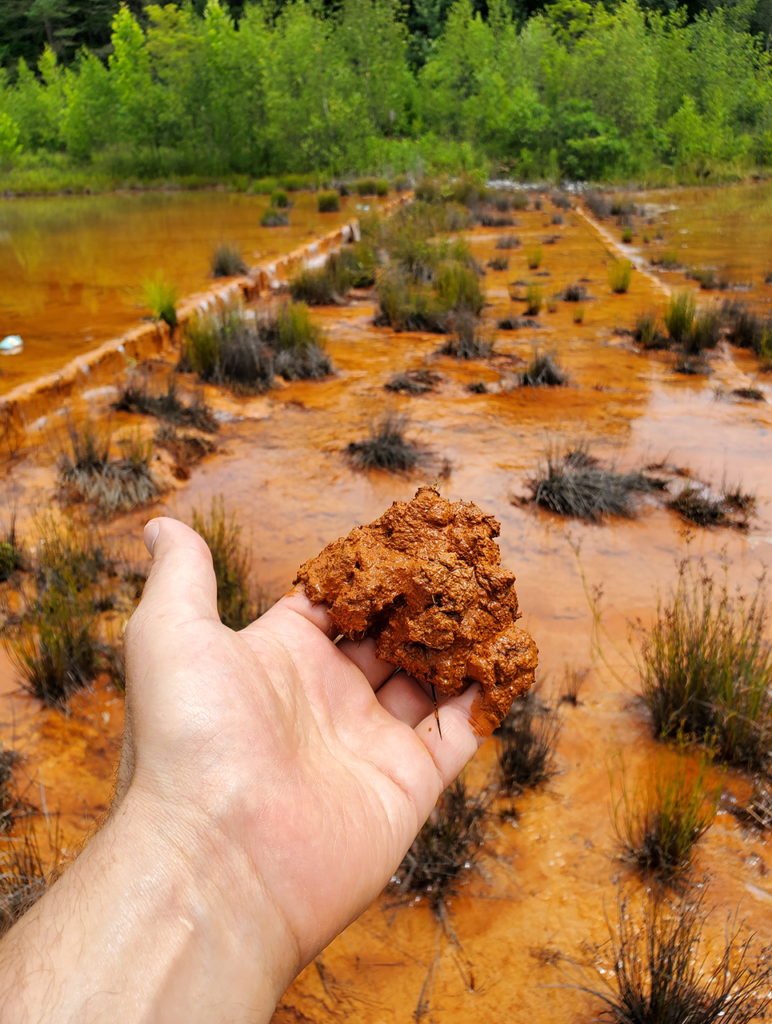
MoreAcloudy pool of water marks the spot where, every minute, about 1,200 gallons of toxic mine drainage, contaminated with sulfuric acid and iron, flows out of the ground in the hills above New Philadelphia, in Schuylkill County. Below lies a flooded mine void, the space where miners extracted tons of anthracite coal from the ground
MoreTraffic streams over the Adams Avenue Bridge in the video on the Tacony Creek Suite website. To the motorists, the creek and the park around it are simply something to cross, but the camera, as well as the music, focus on Tacony Creek Park, the corridor of flowing water and forest in the middle. “Each
MoreLike many American cities, Philadelphia is built on land that wants to be wet. Franklin Delano Roosevelt (FDR) Park sits in a particularly soggy corner, right at the junction where the Schuylkill River rushes into the Delaware. The park is perforated by several lakes and water channels, and flooding regularly renders pedestrian walkways impassible. Over
MoreFlooding is the reason for the FDR Park master plan. It also could be its undoing. No one denies that FDR Park has been growing soggier over the years. Paths that once led walkers around the “lakes” now run through marshy ground at the edge of the water. Stormwater flows off of I-95 and the
MoreTed pickett counts himself lucky. He and his wife were home when the flooding started. As Hurricane Isaias dumped rain over the Delaware Valley and Darby Creek crested its banks on August 4, 2020, he and his wife got to work. “We were able to mitigate a real nasty thing,” Pickett says. For five hours
MoreWater flows from North Philadelphia’s Juniata Park neighborhood into Tacony Creek Park. It joins the wooded creek corridor to the rowhouse and asphalt streetscape above, but the connection can be hard to notice. This summer the Tookany/Tacony-Frankford Watershed Partnership — TTF for short — will work with partners to transform East Cayuga Street near the
MoreWater quality has been a hot topic in Philadelphia from the beginning. Early promotional materials for William Penn’s new city hyped the many streams that would carry away waste, and in the 1730s the likes of Benjamin Franklin tried to regulate industry to clean up the horribly polluted Dock Creek. (These efforts failed, and later
MoreThe Tookany/Tacony-Frankford Watershed Partnership (TTF) has launched a master planning process for North Philadelphia’s Tacony Creek Park. The 300-acre park, one of Philadelphia’s five watershed parks, directly serves the Olney, Lawncrest, Feltonville, Juniata Park, and Frankford neighborhoods. The last master plan, dating back to 1997, focused on the park’s ecological assets. The current process will
More