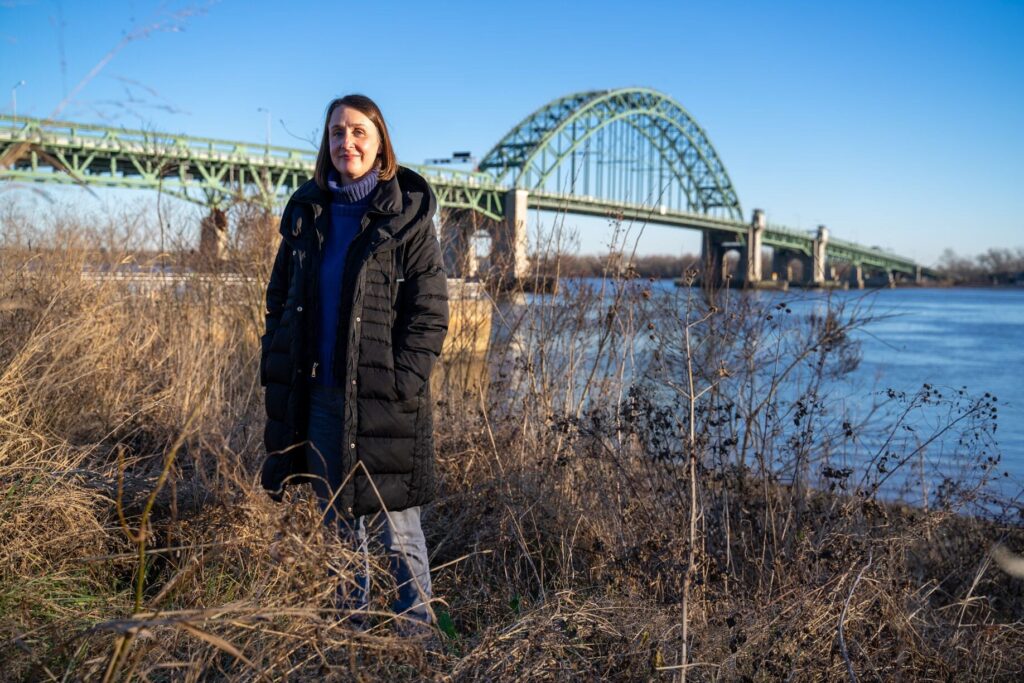
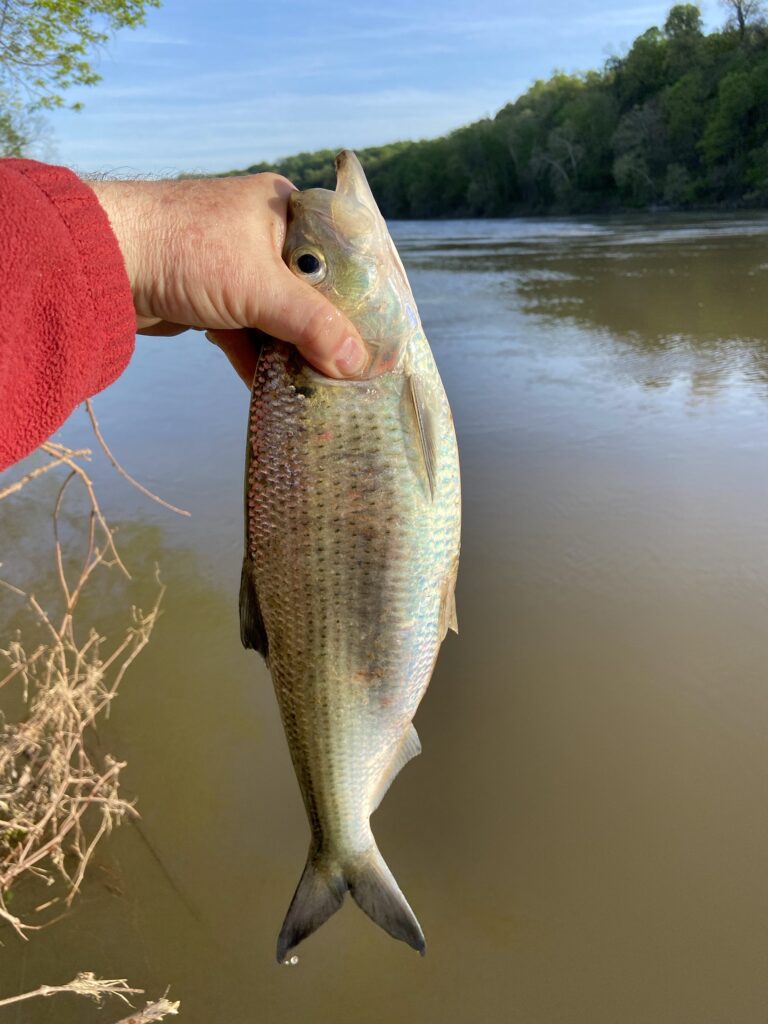
I would need to book a flight to Portland, Oregon, to see shad runs like Philadelphians once did. That might surprise Delaware Valley residents accustomed to hearing how scarce the once-abundant fish are. But while shad have long suffered in their home range, they have flourished out West. The sleek silver herring is a celebrity
MoreTwo beavers sat in the shallows of the Delaware River eating breakfast as I met Jim Fries, project manager at Riverfront North Partnership, for a tour of the living shoreline at Lardner’s Point Park in Northeast Philadelphia. True to their reputation, the large rodents busily stripped the bark off branches they had clipped from willows
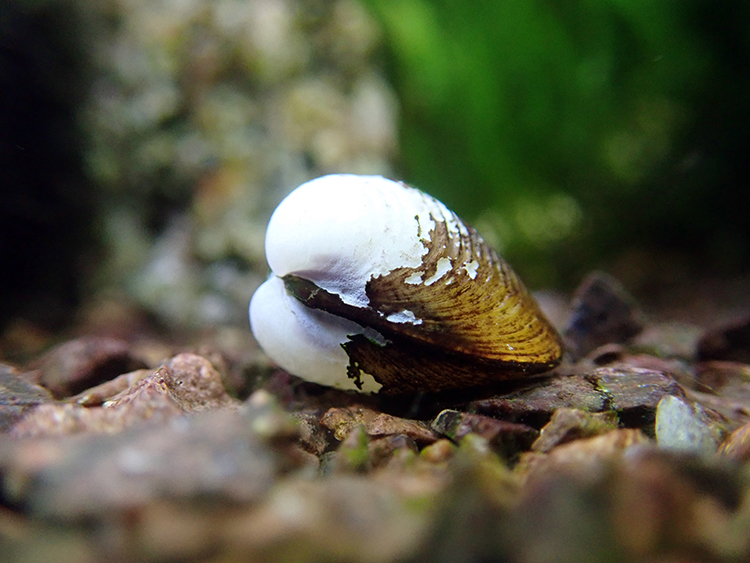
MoreSome classrooms keep guinea pigs or guppies as pets, but last year at Cook Wissahickon School in Roxborough, sixth-graders tended young freshwater mussels. “The students feed them and then, when they reach a larger stage, the Fairmount Water Works will place them in a creek,” says Jose L. Ramos, a middle-years reading and English language
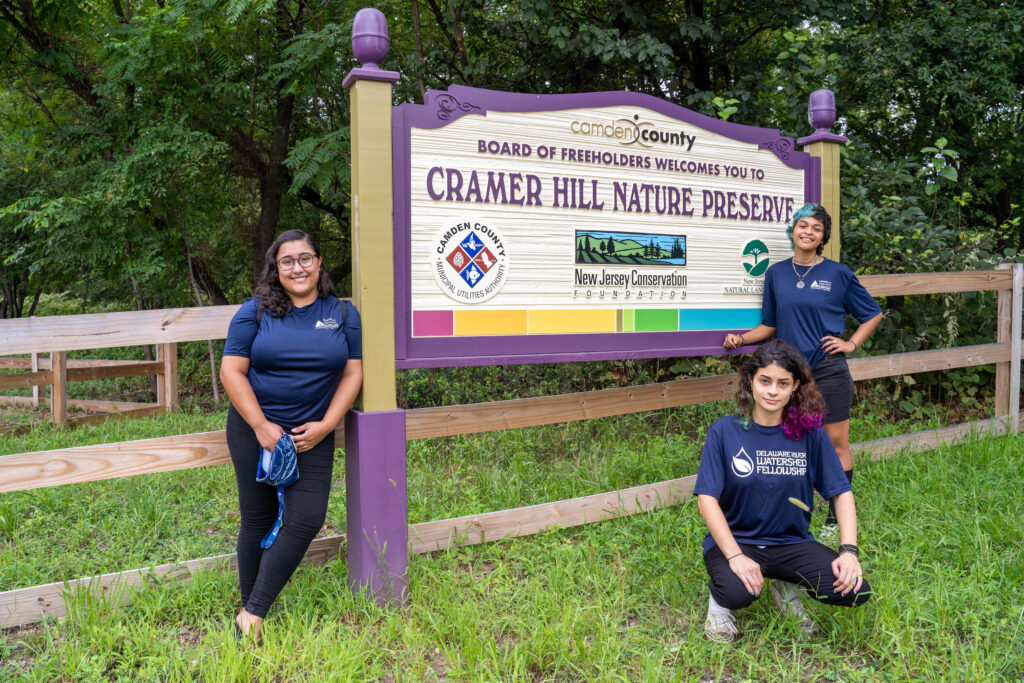
MoreWith birds singing in the background, three fellows at the Alliance for Watershed Education (AWE) walk through Camden’s Cramer Hill Nature Preserve. They point out a frog in a puddle, examine bones and feathers of a wild turkey, and point out invasive plants, among other conservation challenges. They wrap up with a request for visitors
MoreRefuge manager Lamar Gore watched as Tropical Storm Isaias tore up footpaths and surged over the boardwalk at John Heinz National Wildlife Refuge at Tinicum. “It was too much for the banks to hold,” says Gore. Gore’s place of work, John Heinz, is the first and largest urban refuge in the United States. It is responsible
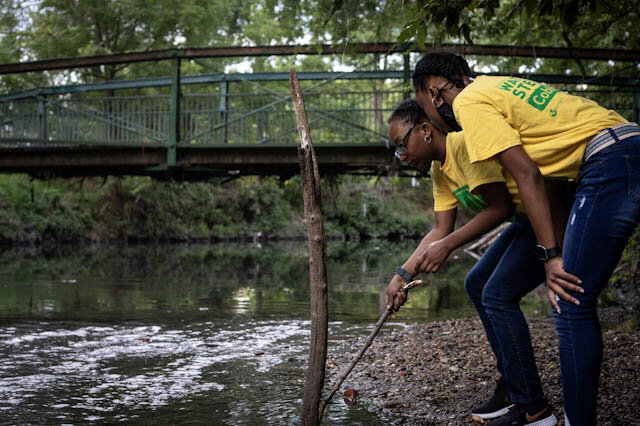
MoreVirtual learning may not seem optimal for interacting with the natural world, but for the teenagers in the Philadelphia Watershed Stewardship Program, digital instruction has been a source of empowerment. Now in its fourth year, the program has more stewards than ever before. Students from more than 40 high schools applied to the program to
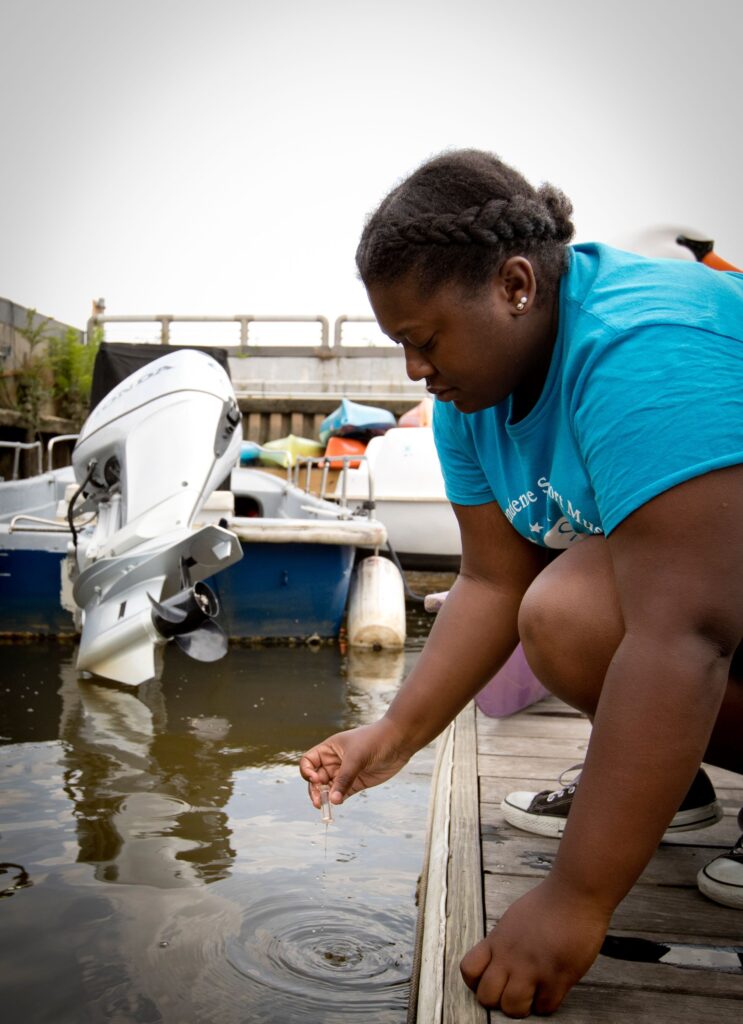
MoreA lot of americans have a vague idea of where their water comes from, says Kayla Callender, a former participant in the Independence Seaport Museum’s River Ambassador program. “We take water for granted,” she says. “We assume it’s never going to run out.” The River Ambassadors program is bridging the disconnect between citizens and their
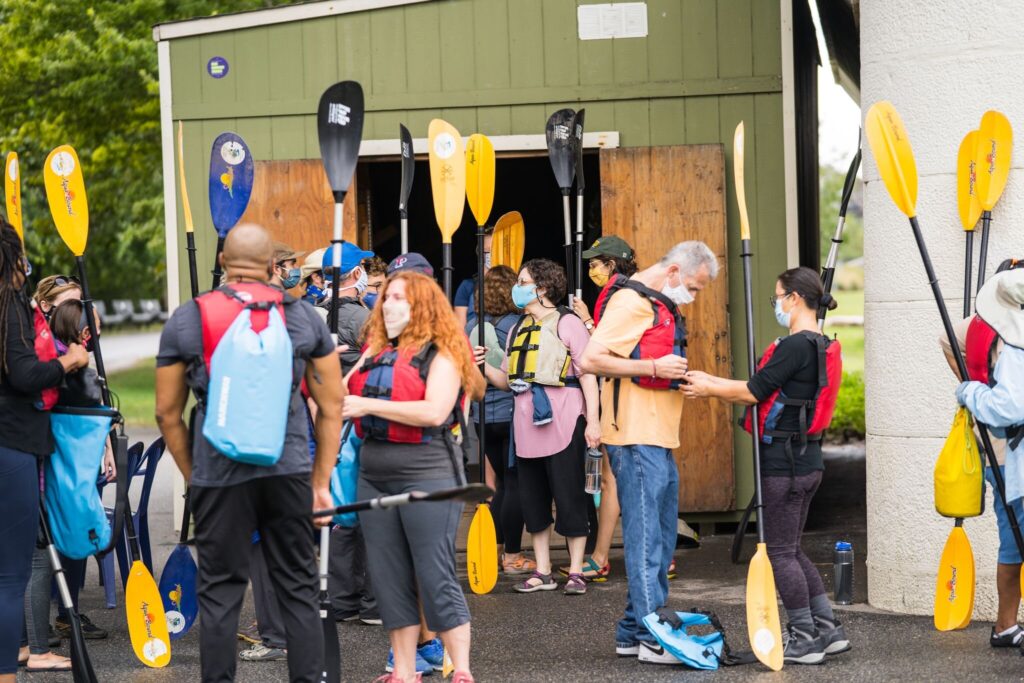
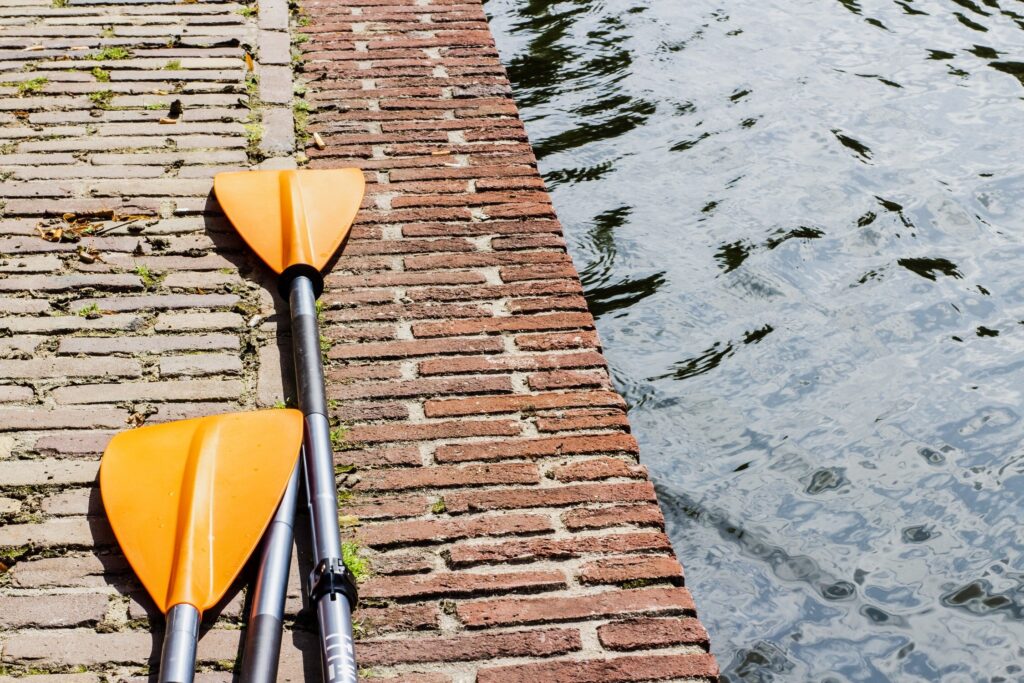
MoreIf you’re like me, summer means paddling on our urban waterways. And, if you’re like me, the thought of getting out on the water offers freedom from your largely homebound life and the hassles of visiting crowded parks while social distancing. Many people from New Jersey and Pennsylvania consider paddling to be exercise, just like
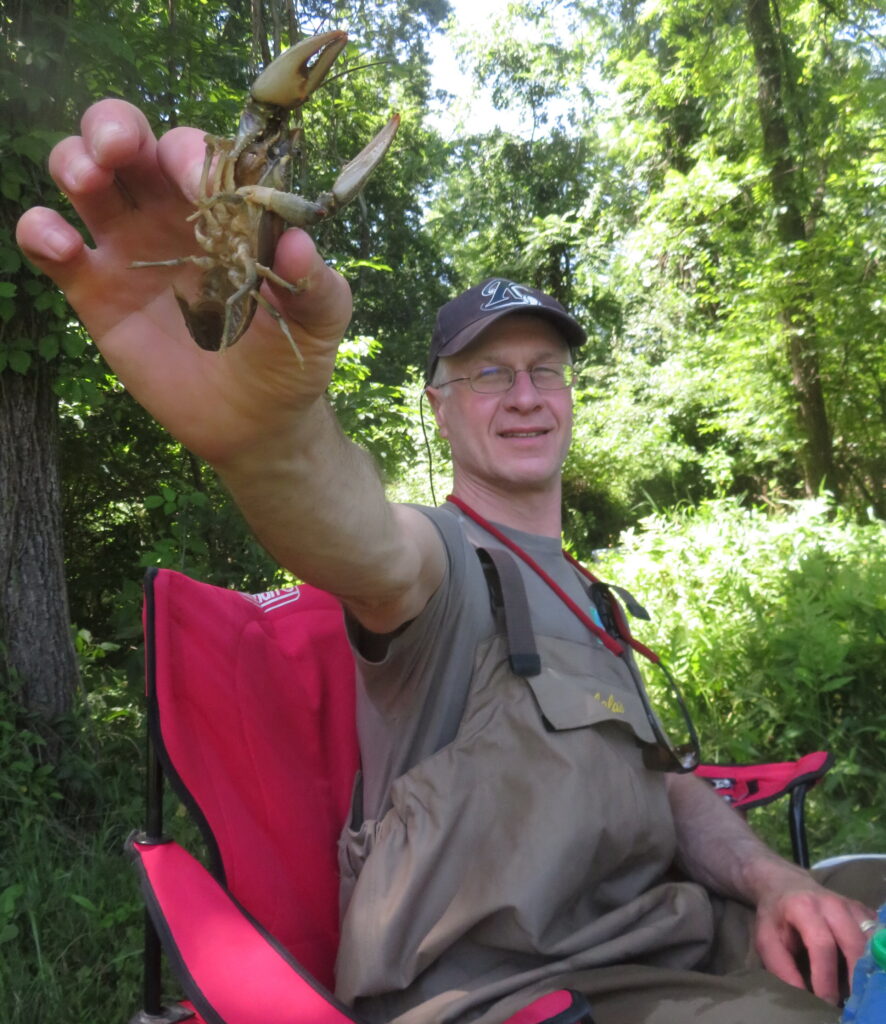
MoreBy Bernard BrownPhilly researchers recruit American eels to fight invasive crayfish.
MoreRacks of tanks with plastic tubes feeding in and out stand against the thick stone walls of the Fairmount Water Works. Together with the microscopes and other lab equipment, it looks like a mad scientist’s underground workshop—that is, until you start reading the cheerful interpretive panels about freshwater mussel restoration. “We’re demonstrating why we care about
Moreby Bernard Brown
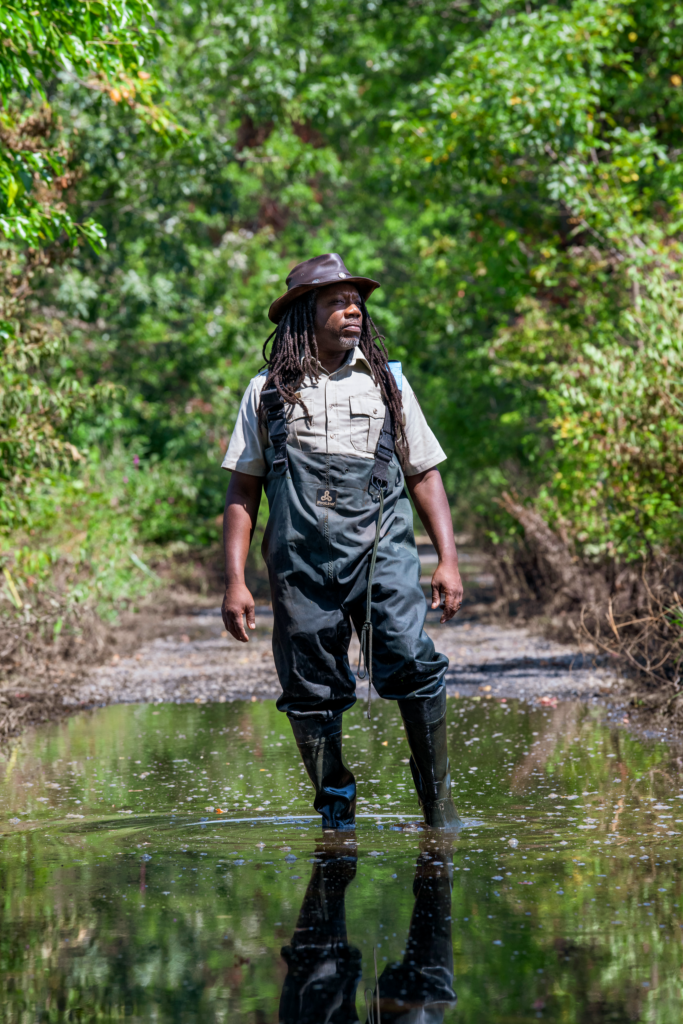
I waded in from a rocky bank in the mountains of Schuylkill County and quickly forgot what I was looking for. My plan on that hot afternoon had been to snorkel for turtles, a pursuit that involves actively investigating underwater boulders and snags. Instead, I watched the fish and rocks on the bottom