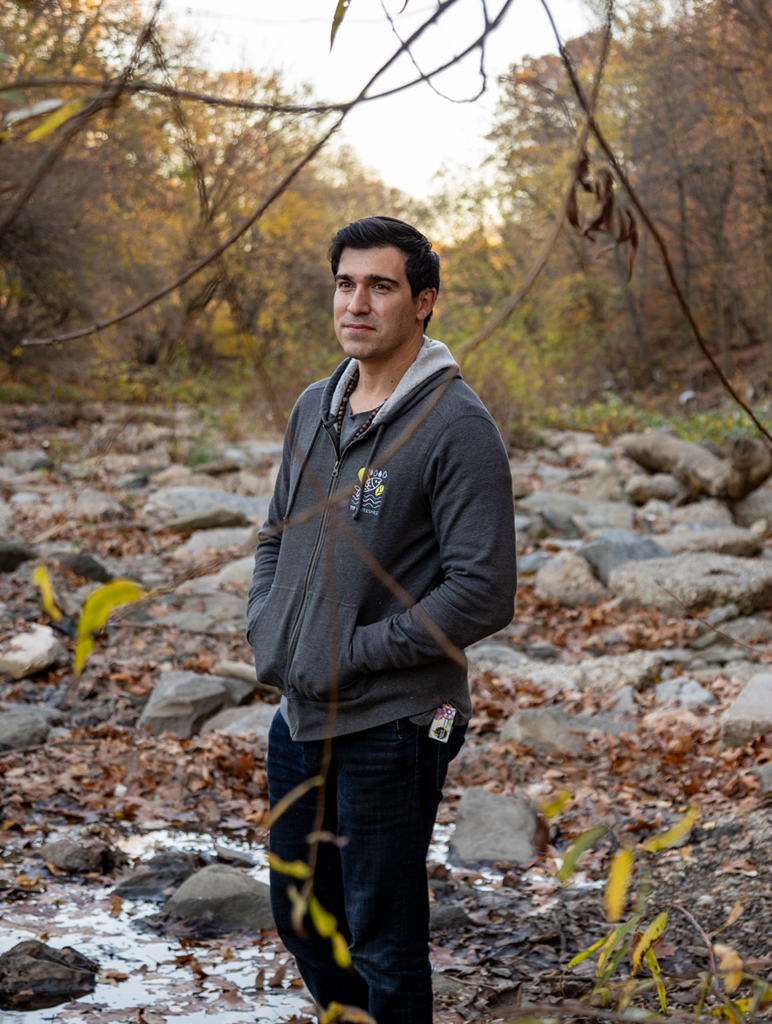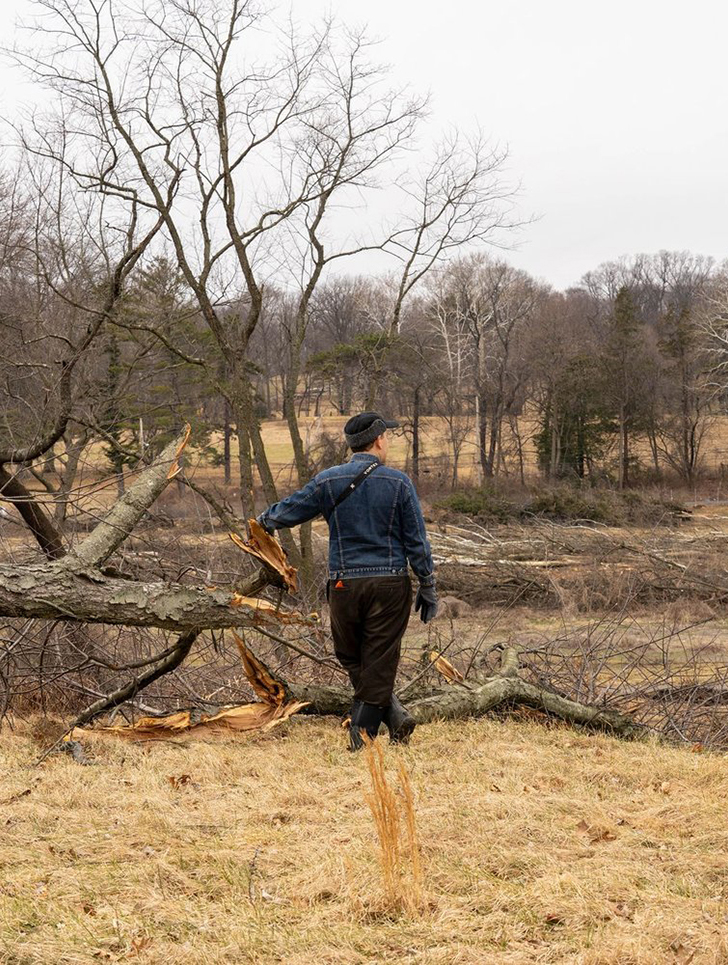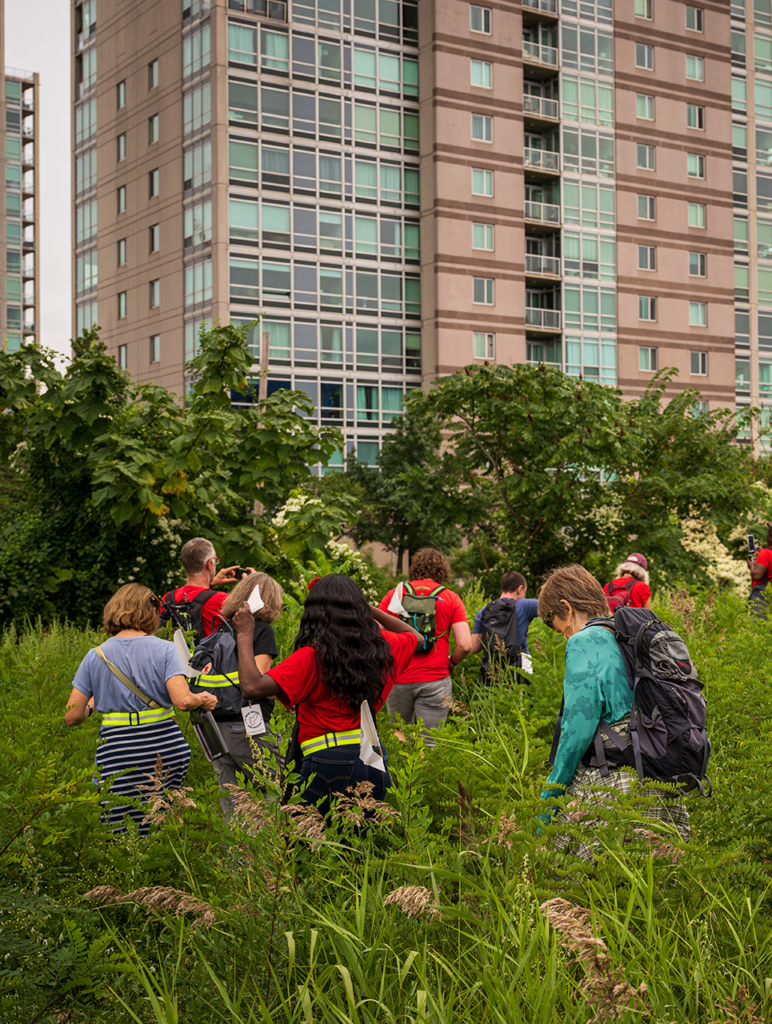
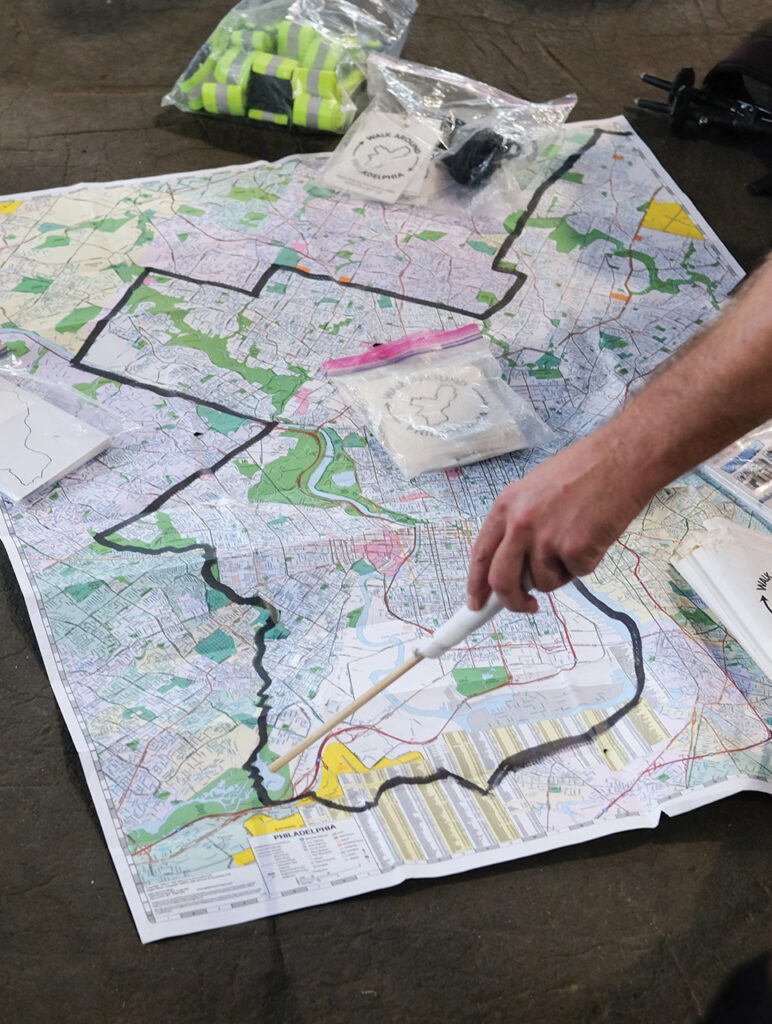
“1854,” says Jacques-Jean “JJ” Tiziou, with authority, when asked about the origins of Philadelphia’s borders. “That’s when the Consolidation was signed: February 2, 1854.” Good luck finding another Philadelphian who could, on the spot, provide the exact date on which the Consolidation Act transformed the neat rectangle of William Penn’s colonial city — from Vine
MorePhiladelphia is facing a silent crisis: the rapid loss of its urban tree canopy. Over the past decade, we’ve lost at least 7% of our trees—shade-giving, air-cleaning, life-enhancing sentinels that shape the character of our city. The benefits of trees are indisputable. They cool our neighborhoods, lowering summertime heat indexes by as much as 22
MoreIn 2003 former Tuskegee Airman and pioneering Black journalist Chuck Stone wrote “Squizzy the Black Squirrel,” about a Philadelphia boy who bonds with a black squirrel in Fairmount Park. Squizzy was the only black squirrel the boy had ever seen in the park, but visitors today still spot them gathering acorns and running up trees.
MoreNearly two years after the launch of the Philly Tree Plan, the City’s ambitious effort to reverse decades of urban canopy loss is still in its infancy. A $12 million U.S. Department of Agriculture (USDA) grant represents a significant step forward, but community advocates and public health leaders worry that progress isn’t moving quickly enough.
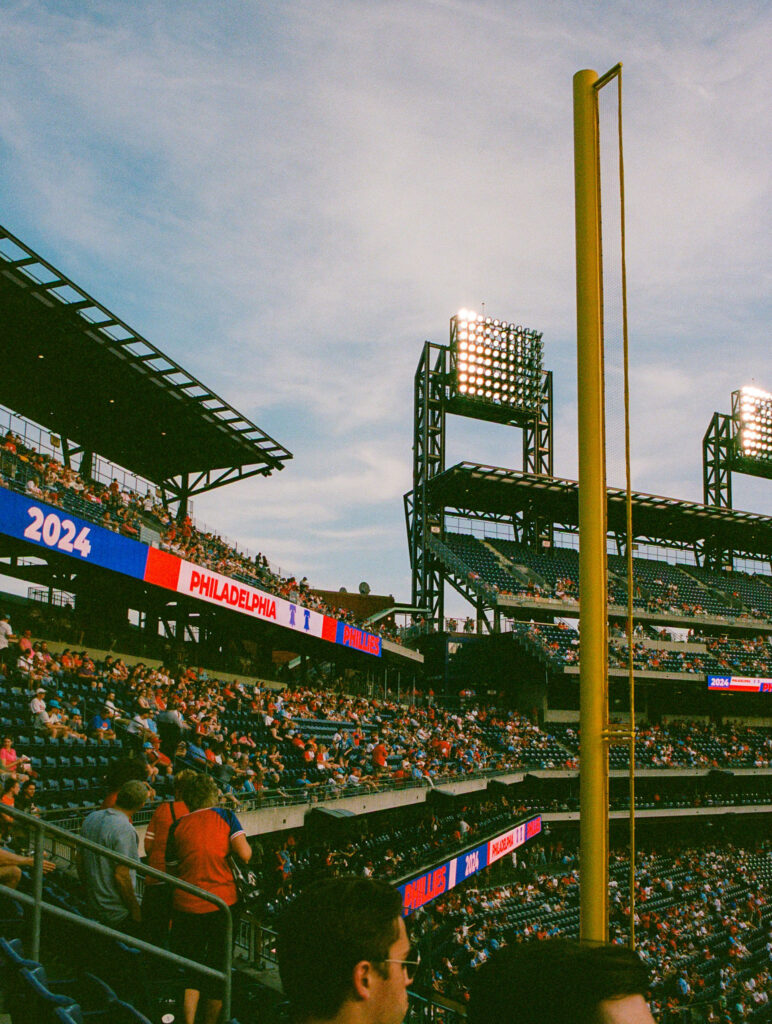
MorePHILADELPHIA — Even though the Phillies fell far short of their goal to win the World Series in 2024, their home runs are impacting the city in a very green way. Home Runs for Trees, a 13-years-and-counting partnership between Asplundh, the Phillies organization and the Pennsylvania Horticultural Society (PHS), plants one tree in the Greater
MoreIn Philadelphia, there was once a large public park where humans had previously intervened but where nature was reasserting itself. Residents flocked there to leave the noise and rigidity of the city grid behind and bathe in the wild unruliness of trees and meadows. This was a world unto itself, but not for long: one
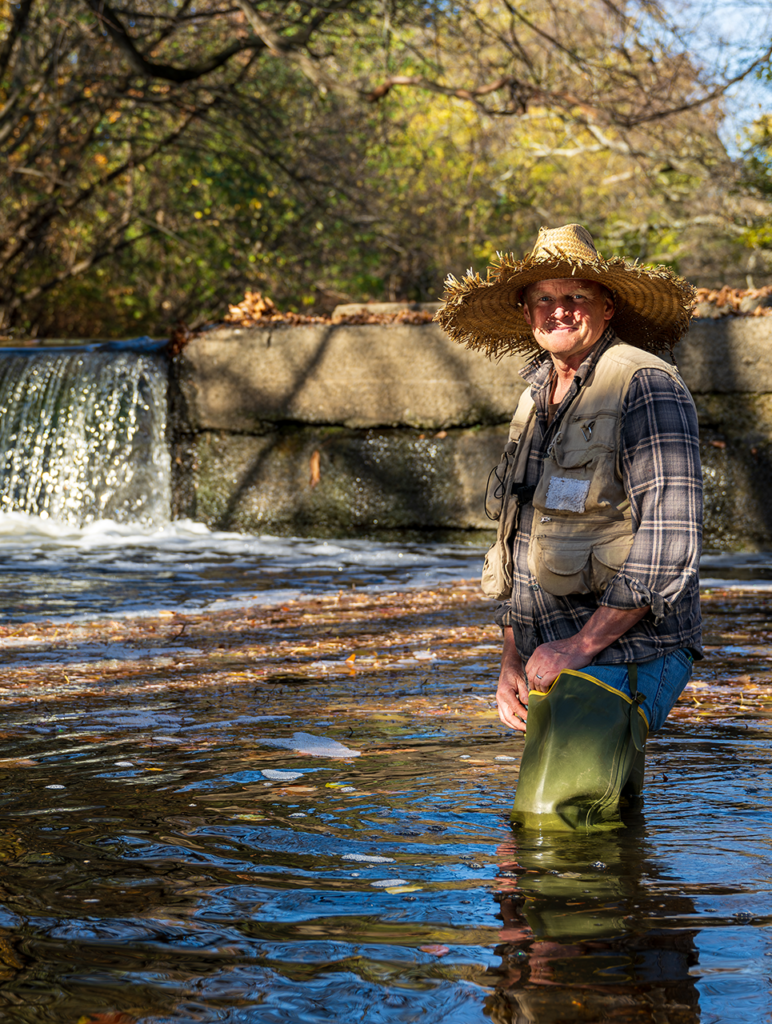
MoreBy Dawn Kane and Bernard Brown It has been nearly 380 years since blueback herring have been able to swim up Cobbs Creek beyond what is now Woodland Avenue. Back in 1645, New Sweden’s governor, Johan Björnsson Printz, built a gristmill on the waterway the Lenape call Karakung. Water-powered mills generally rely on a dam
MoreWhen the Fairmount Water Works was built in the early 19th century to provide clean drinking water to Philadelphia, it was a feat of modern engineering. Steam engines and a dam across the Schuylkill River powered water wheels large enough to pump millions of gallons a day uphill to a reservoir atop nearby Fair Mount.
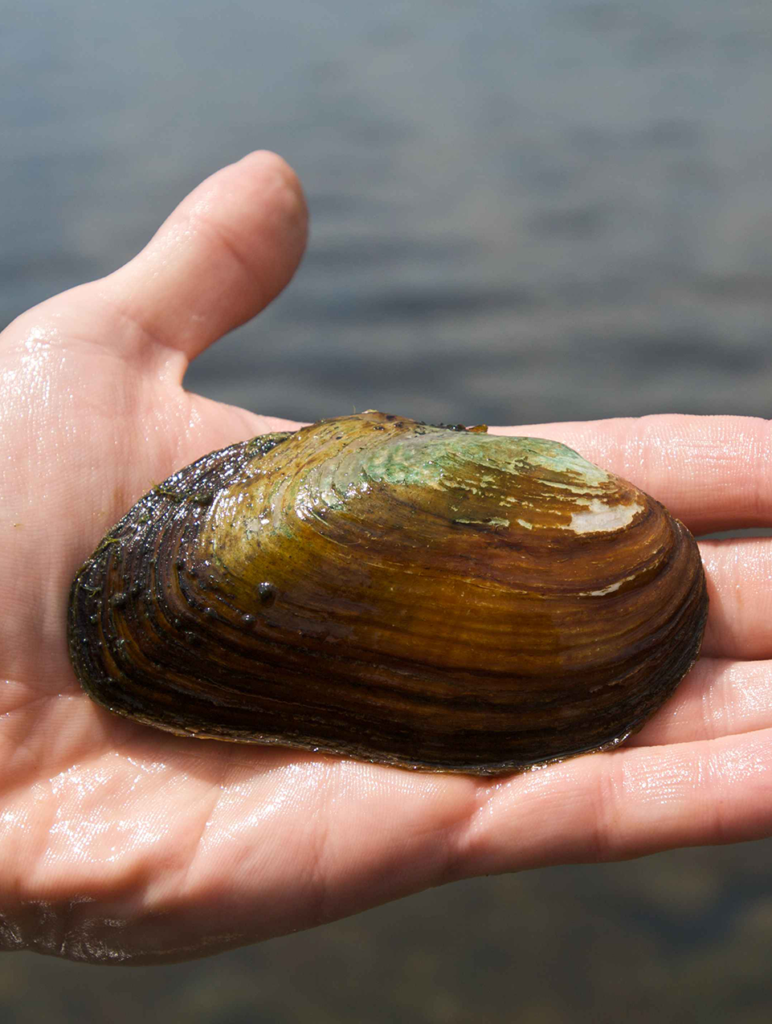
MoreFor a few years now, I have been avoiding writing an article about freshwater mussels like the one Kyle Bagenstose wrote for this issue. His article airs doubts about the claim that restoring native freshwater mussels can help clean polluted waters — just as efforts are ramping up to breed and reintroduce mussels to our
MoreOn yet another wet weekend, a group of ten braced a downpour to walk along the trails of Strawberry Mansion’s Discovery Center for a wild plant tour. Their journey began at the trail entrance, where an innocuous weed was growing. Tour guide Lady Danni Morinich, a local herbalist and forager, identified the plant as yellow
MoreOn September 6, a group of 18 gathered at the Delaware River waterfront with Walk Around Philadelphia. Setting off from Cherry Street Pier, some planned to cover 10 miles on that day’s stroll while others planned to do 120 — completing a circuit of the entire city of Philadelphia. All were bound to learn something
More