Every human produces a little more than 4.5 ounces of excrement per day. Multiplied by the 2.2 million customers of the Philadelphia Water Department’s wastewater system, the cumulative daily dump equals about 620,811 pounds, or about 310 tons. The story of biosolids (treated sewage sludge) starts with clean water in the toilet bowls of the
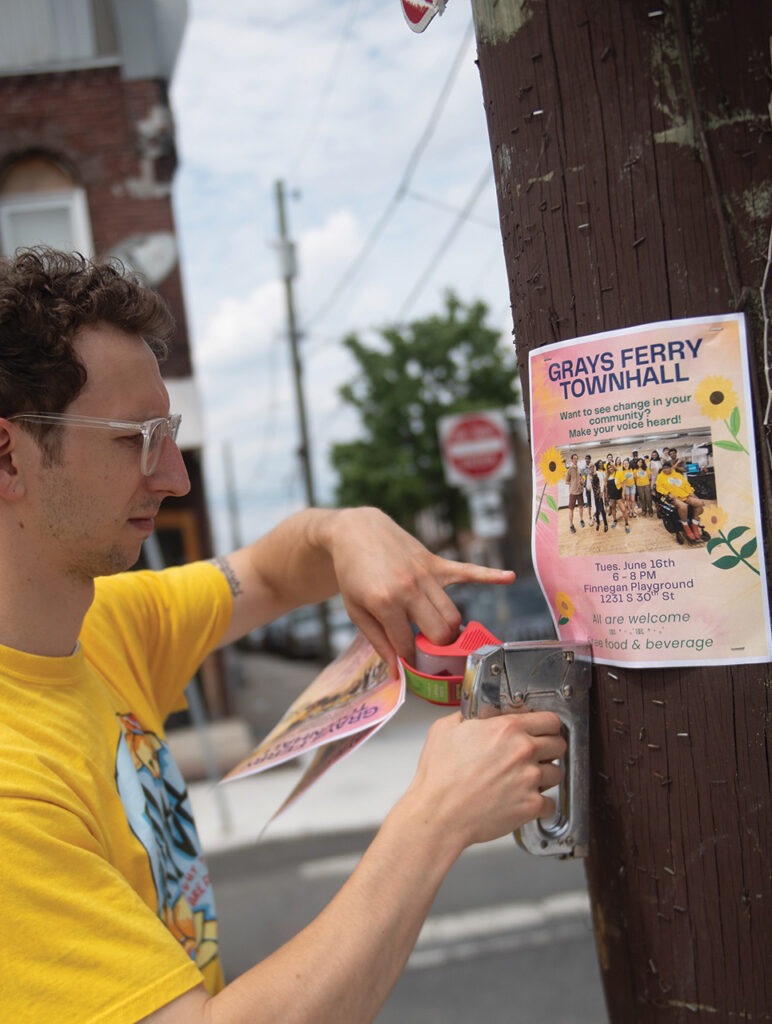
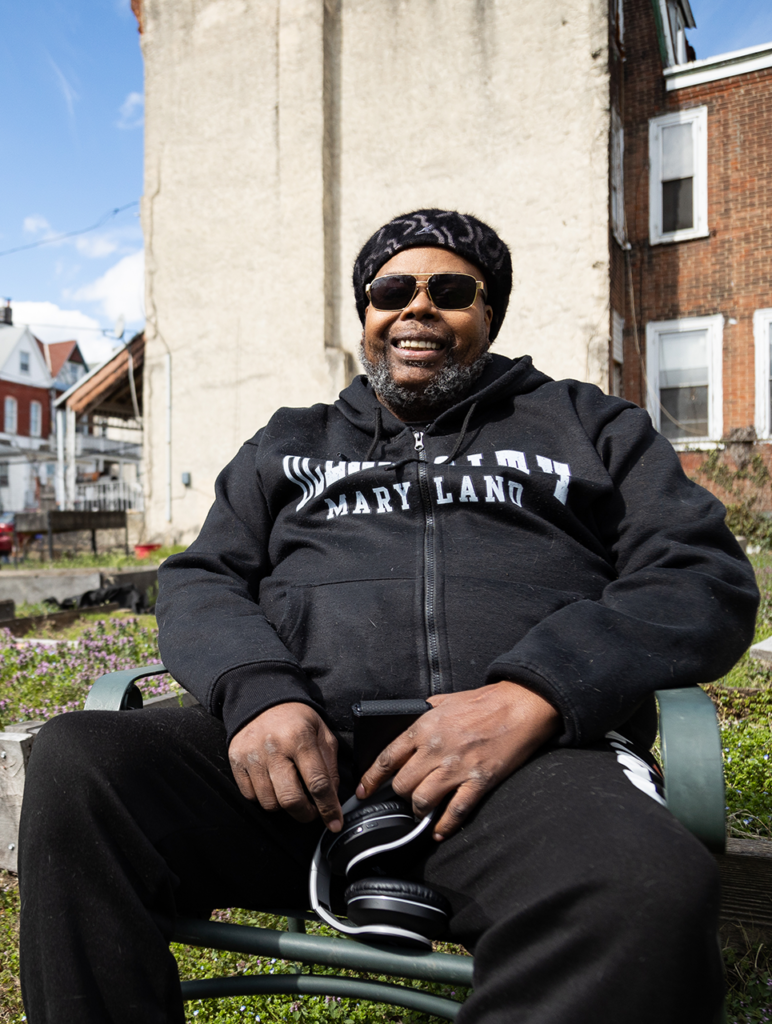
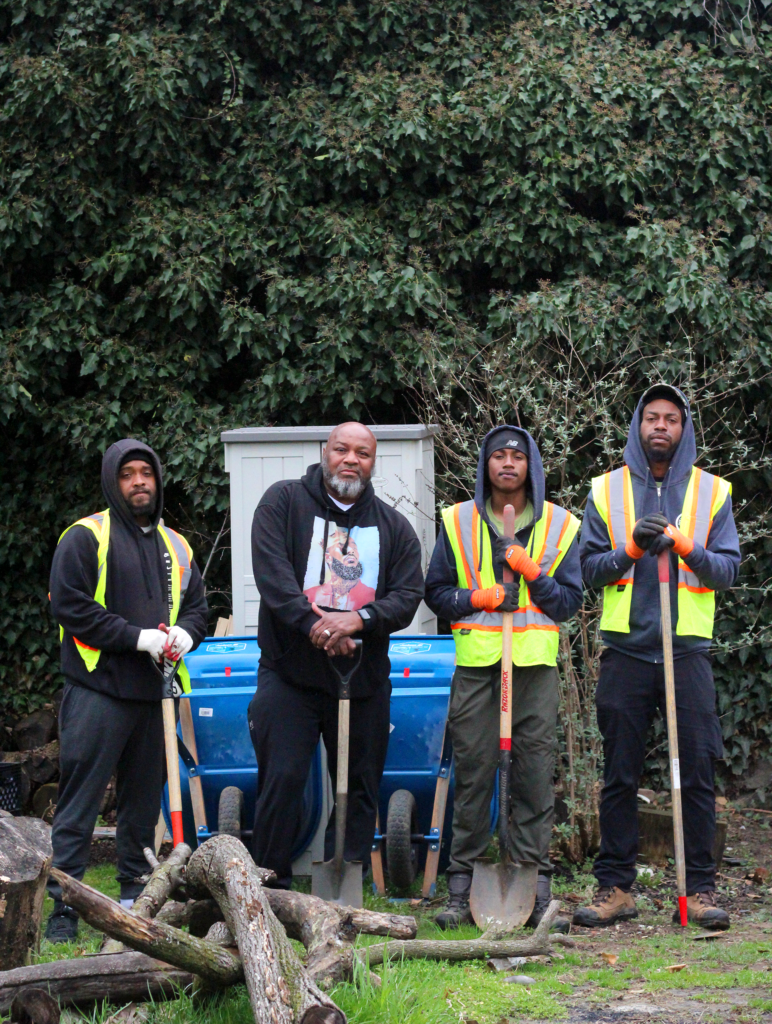
MoreGardening was woven into Victor Young’s life at an early age. His mother and aunt introduced him to the concept of growing your own food as he helped them in their gardens as a kid. The West Philly resident tried to carry these lessons into adulthood — but not without hitting some obstacles. “I was
MoreMost mornings, Victoria Miles-Chambliss walks down the street from her home in Kingsessing to the Cecil Street Community Garden to drink a cup of coffee. Among the newly-planted native trees and echinacea plants, she sees something that was once a rare sight in her neighborhood: birds. “Our block has really changed since we put in
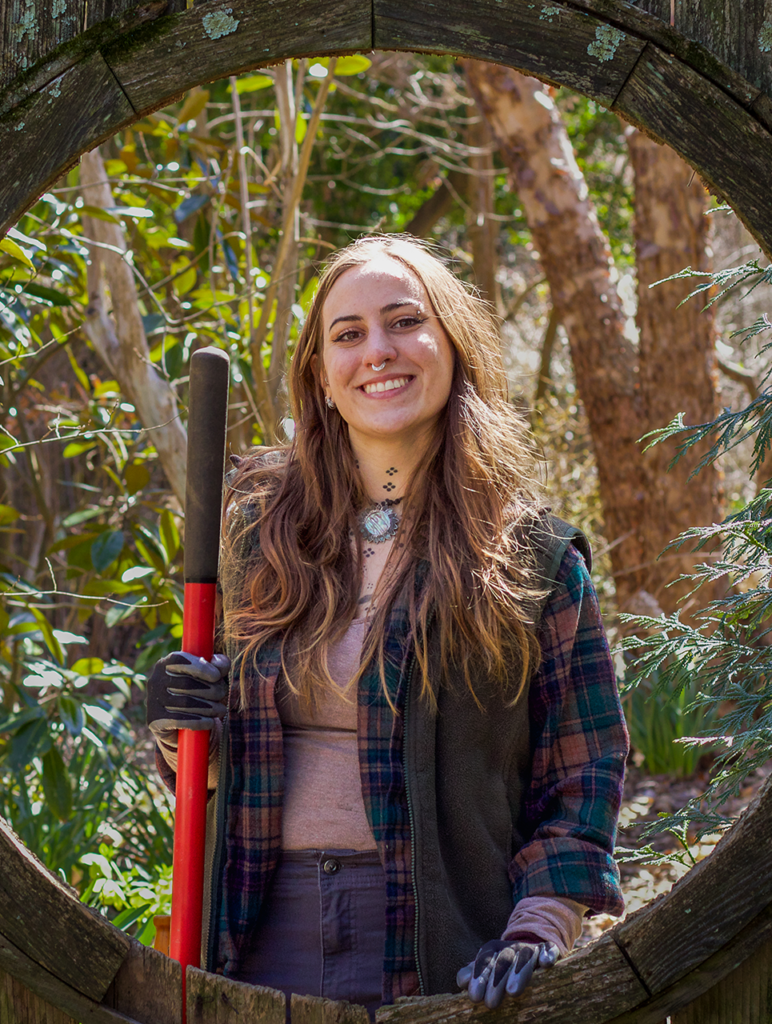
MoreBekah Carminati spent her childhood making mud pies and inspecting insects in her backyard in Montgomery County. When she grew up, she took up landscaping as a way to channel her love for craft and nature. But there was a problem. The company she worked for insisted on applying black dyed mulch, planting annuals and
MoreFrom April 26 to April 29, Philadelphia and its adjacent counties will be competing against cities around the world to recruit the greatest number of people to find the most species in their regions. Using the iNaturalist app as a tool, the City Nature Challenge encourages us to explore and document the biodiversity right where
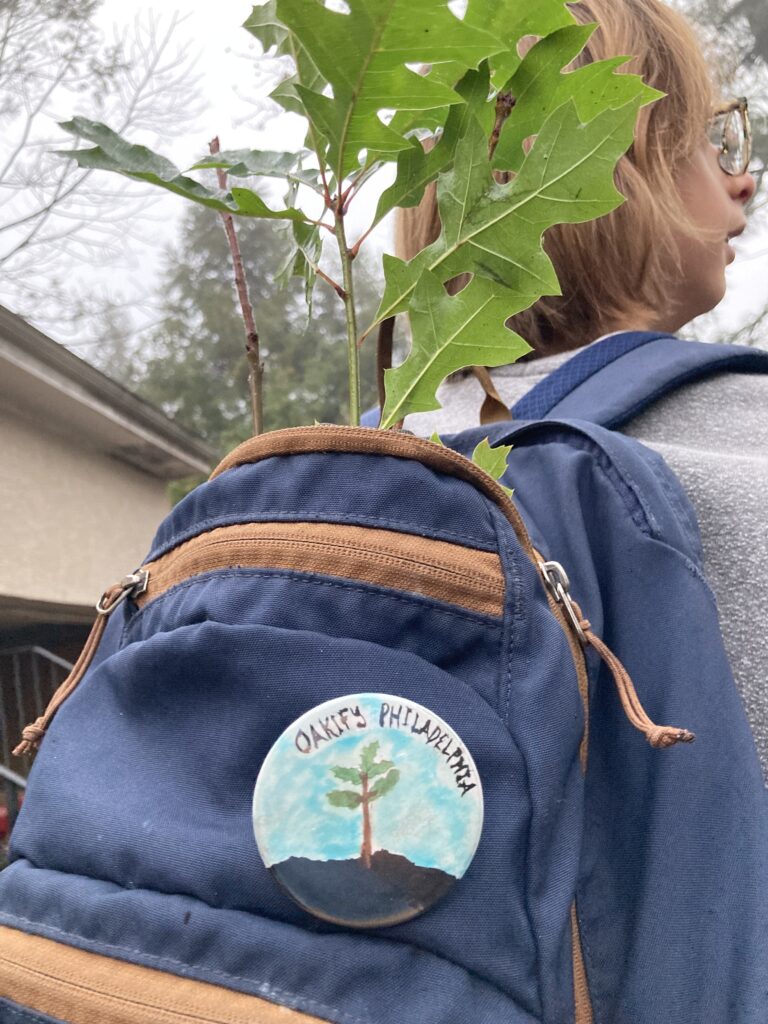
MoreBy Noah Raven and Francis Raven We filled our backpacks with over a dozen trees: chestnut oaks, black cherries and red mulberries, as well as two shovels, a pair of clippers, two pairs of gloves and several wooden stakes to label each of the seedlings. Our goal was to plant them in a degraded area
MoreOn Feb. 21, 32 environmental justice organizations submitted a joint letter protesting the first public meeting on the proposed Mid-Atlantic Hydrogen Hub (MACH2) that is scheduled to take place on March 11. The letter calls for the meeting to be made more accessible to community members who would be affected by MACH2, which is set
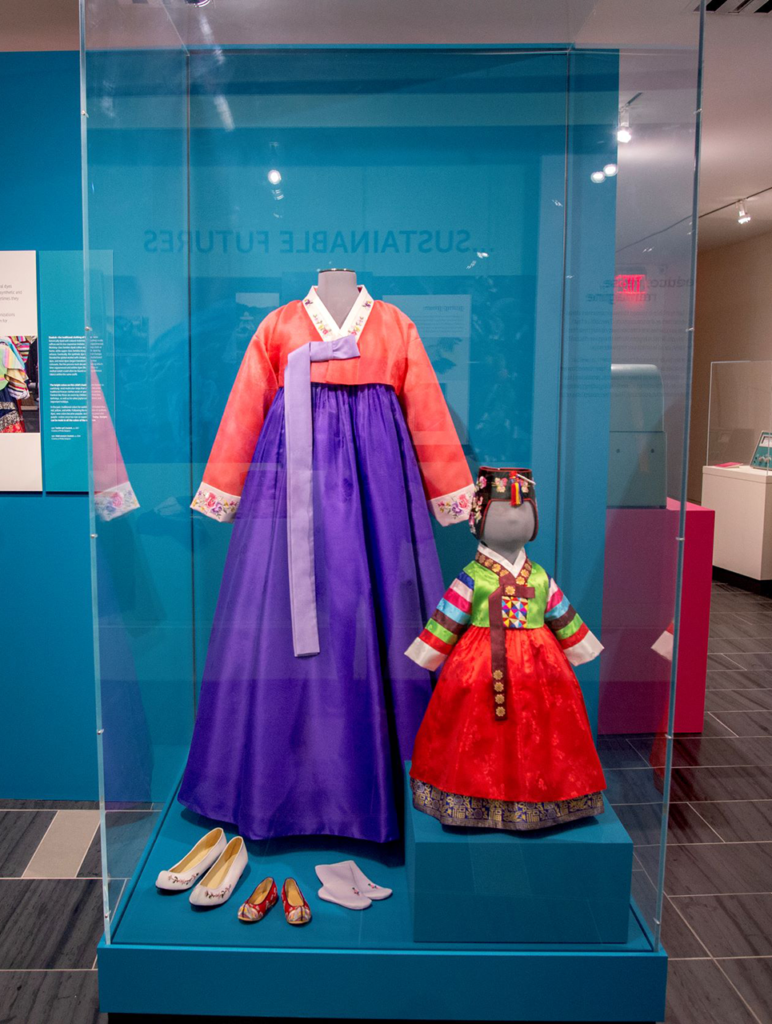
MoreFor thousands of years, people used organic materials like plants, insects and minerals to create dyes. But in 1856, an 18-year-old chemistry student named William Henry Perkin changed everything. While attempting to create synthetic quinine using coal tar, Perkin accidentally developed mauveine, the world’s first synthetic dye. His invention of the rich purple hue unlocked
MoreUpdate: Would you like to weigh in on the EPA’s proposed dissolved oxygen standards in the Delaware River? The public can provide comments about the proposed regulation changes through the EPA website no later than February 20, 2024. By Meg McGuire and Katherine Rapin In December 2023, the U.S. Environmental Protection Agency made a bold
More