Every human produces a little more than 4.5 ounces of excrement per day. Multiplied by the 2.2 million customers of the Philadelphia Water Department’s wastewater system, the cumulative daily dump equals about 620,811 pounds, or about 310 tons. The story of biosolids (treated sewage sludge) starts with clean water in the toilet bowls of the
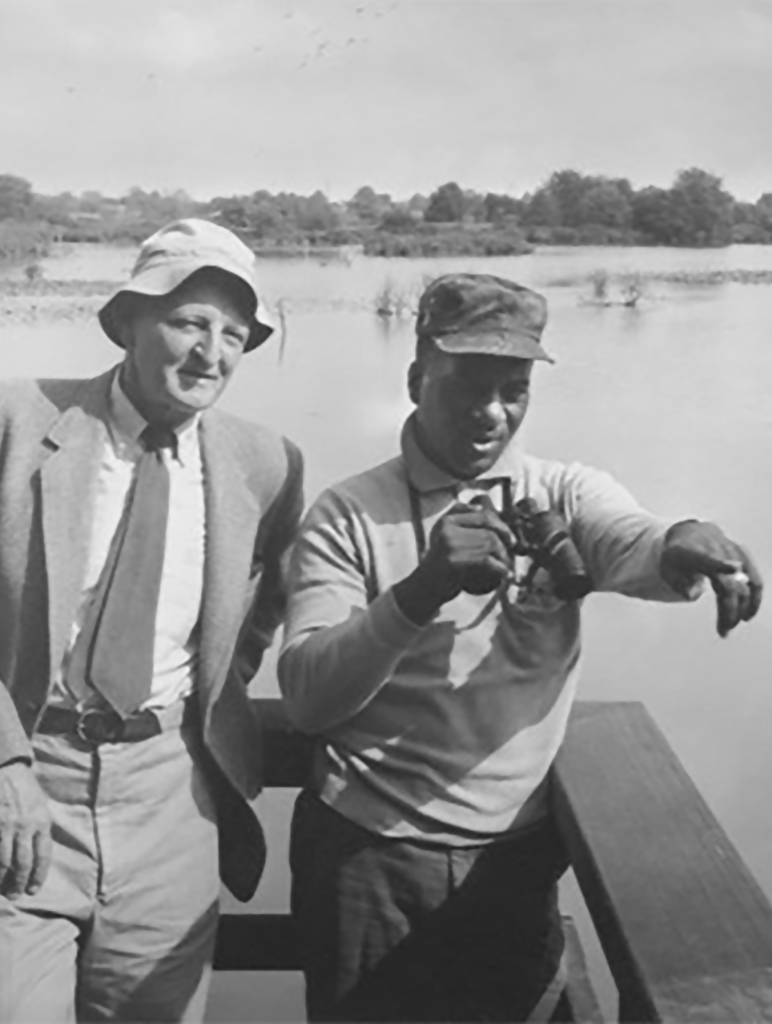
MoreGrid is honoring Black Birders Week (May 26 – June 1) by printing an obituary recently published by the Delaware Valley Ornithological Club (DVOC) about their first Black member, James “Jim” Carroll. On the 30th anniversary of the founding of the John Heinz National Wildlife Refuge at Tinicum, June 30, 2002, pioneering Black birder Jim
MoreOur Water Matters is an ongoing series produced through an editorial collaboration of the Chestnut Hill Local, Delaware Currents and Grid Magazine. Across the country, civil engineers and water experts are bracing for new requirements announced in December 2023 by the Environmental Protection Agency (EPA) to take effect. For the first time, water systems may
MoreIf you want to elicit some angry comments from readers, print something unflattering about cats. We’ve done that more than once in Grid, pointing out the devastating impact that outdoor cats have on wildlife (they kill billions of birds, mammals and other critters per year in the United States). Author Scott Weidensaul drives that point
MoreSponsored Content: Community volunteers, with the help of nonprofit and private sector, create urban pollinator habitat in Point Breeze park
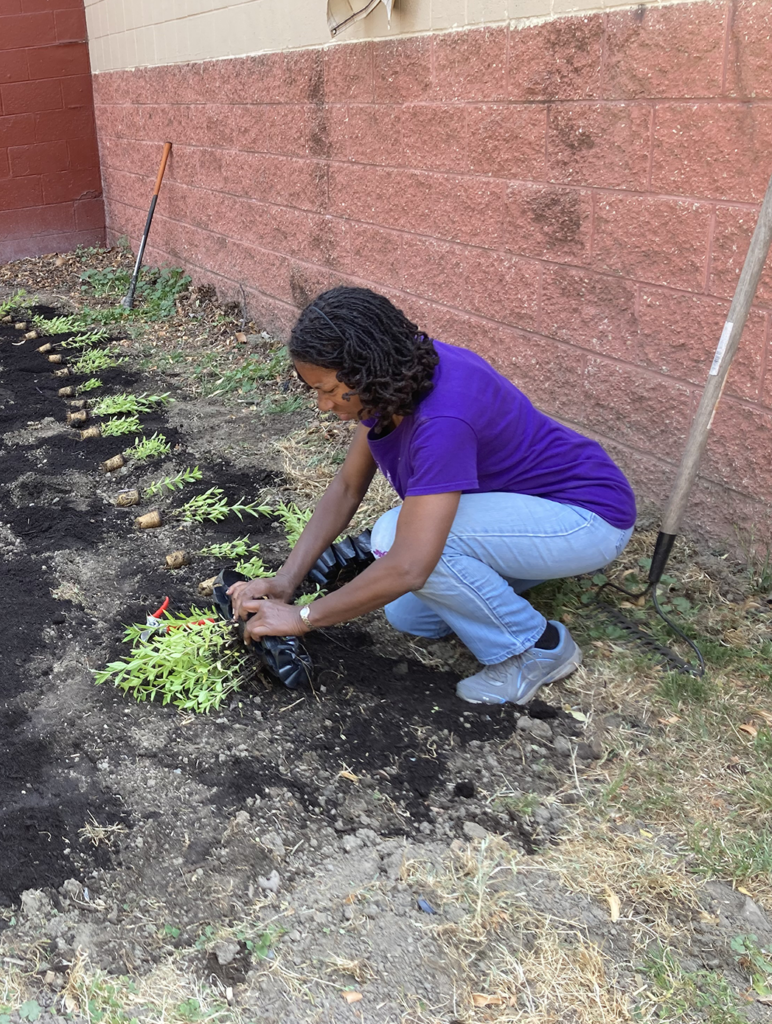
There’s a buzz around the new native plant habitats at Wharton Square Park in Point Breeze, and it’s spread all the way to Harrisburg. On April 30, the Friends of Wharton Square Park, in partnership with the Penn State Extension Master Watershed Stewards of Philadelphia County, received the Governor’s Award for Environmental Excellence for the
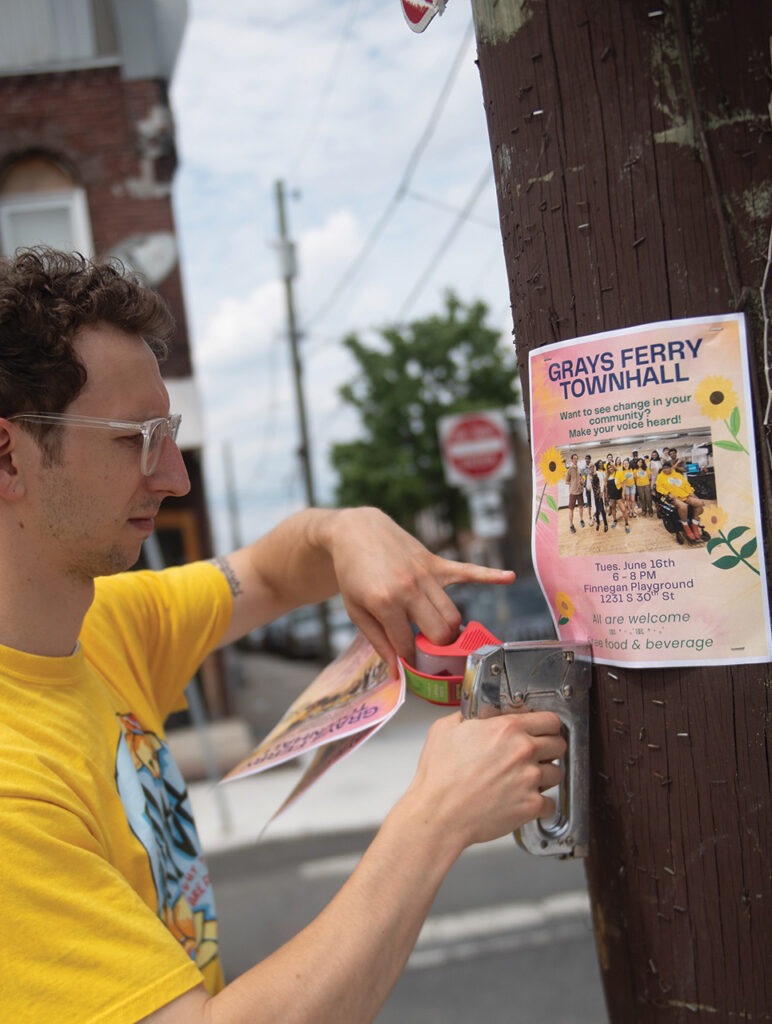
MoreMaybe it’s to grow fresh fruits and veggies that taste better than what you can buy at the grocery store. Maybe it’s for the satisfaction of seeing seeds you plant grow into something magnificent over months or even years of care. Maybe it’s to lay out a verdant and beautiful welcome mat to your neighbors.
MoreWe’ve sung the praises of native plants numerous times in these pages. Because truly, what’s not to love? Native plants — or “regionally-appropriate” plants, as Ryan Drake, McCausland Natural Areas manager at Morris Arboretum, urges us to call them — have abundant ecological benefits. They attract pollinators, sequester carbon, promote biodiversity, prevent erosion and require
MoreThe rain garden along Kelly Drive looks like any other installed by the Philadelphia Water Department: A mix of wildflowers, grasses, reeds and sedges grow in a shallow basin designed to soak up stormwater. The soil in which the plants sink their roots is what makes this particular garden unique. The two-foot-deep mix of compost
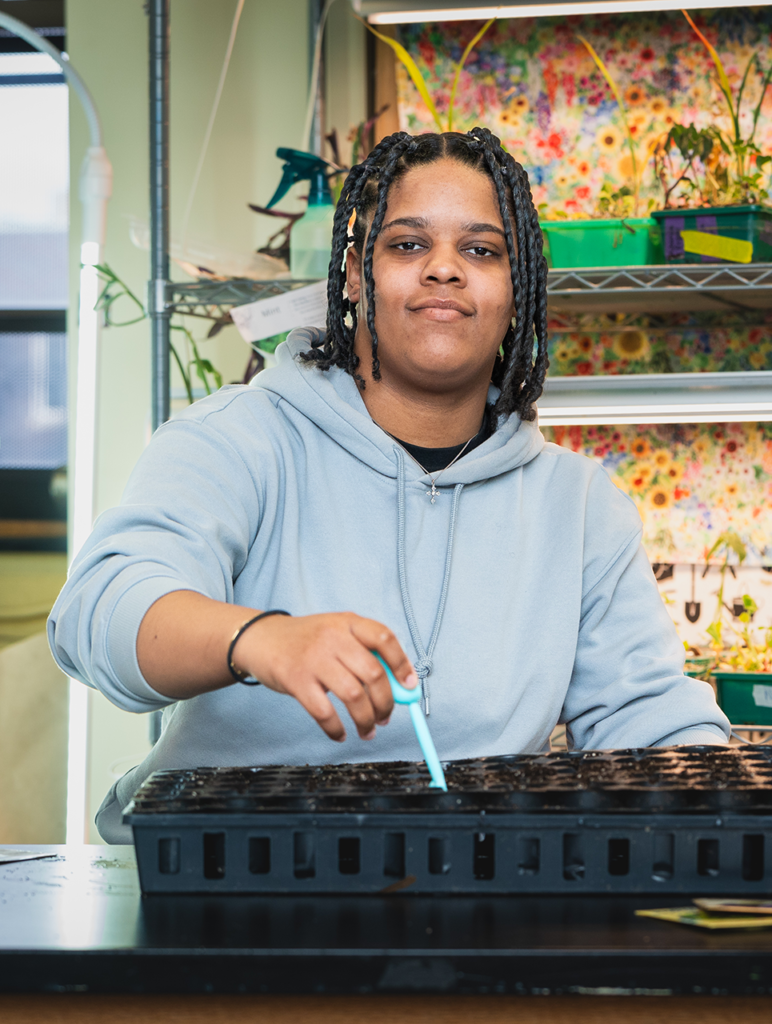
MoreAmani Lee, a senior at The U School, hadn’t given gardening much thought until this year. As part of her school’s horticultural program, she’s now researching crops in Ukraine, Puerto Rico and the Dominican Republic. She is learning what the people in these countries grow and eat, and the stories behind their famous dishes. Under
MoreIn 2018, at 42 years old, I finally became a homeowner. I had landscaped my previous rental properties, only to have contractors destroy the plantings, or I would move, wondering if my plants persist. Now, I had autonomy over my property and could alter the grounds as I saw fit. More accurately, I had the
MoreSo you want to save the world? Start small: save your backyard. That’s the message University of Delaware professor Doug Tallamy has been trumpeting for decades. His work in the Department of Entomology and Wildlife Ecology fuses scientific scholarship with rhetorical flair, packaged into practical advice for everyone who owes their life to an ecosystem
More