In 2023, J.C. Zerbe, community advocate and acclaimed muralist, welcomed an unusual offer: a spiffy, brand-new space for below-market rent. The offer came from the Kensington Corridor Trust (KCT). Most landlords buy buildings to hold onto them, but KCT buys properties to give them away — rehabbing them and transferring them to community ownership.
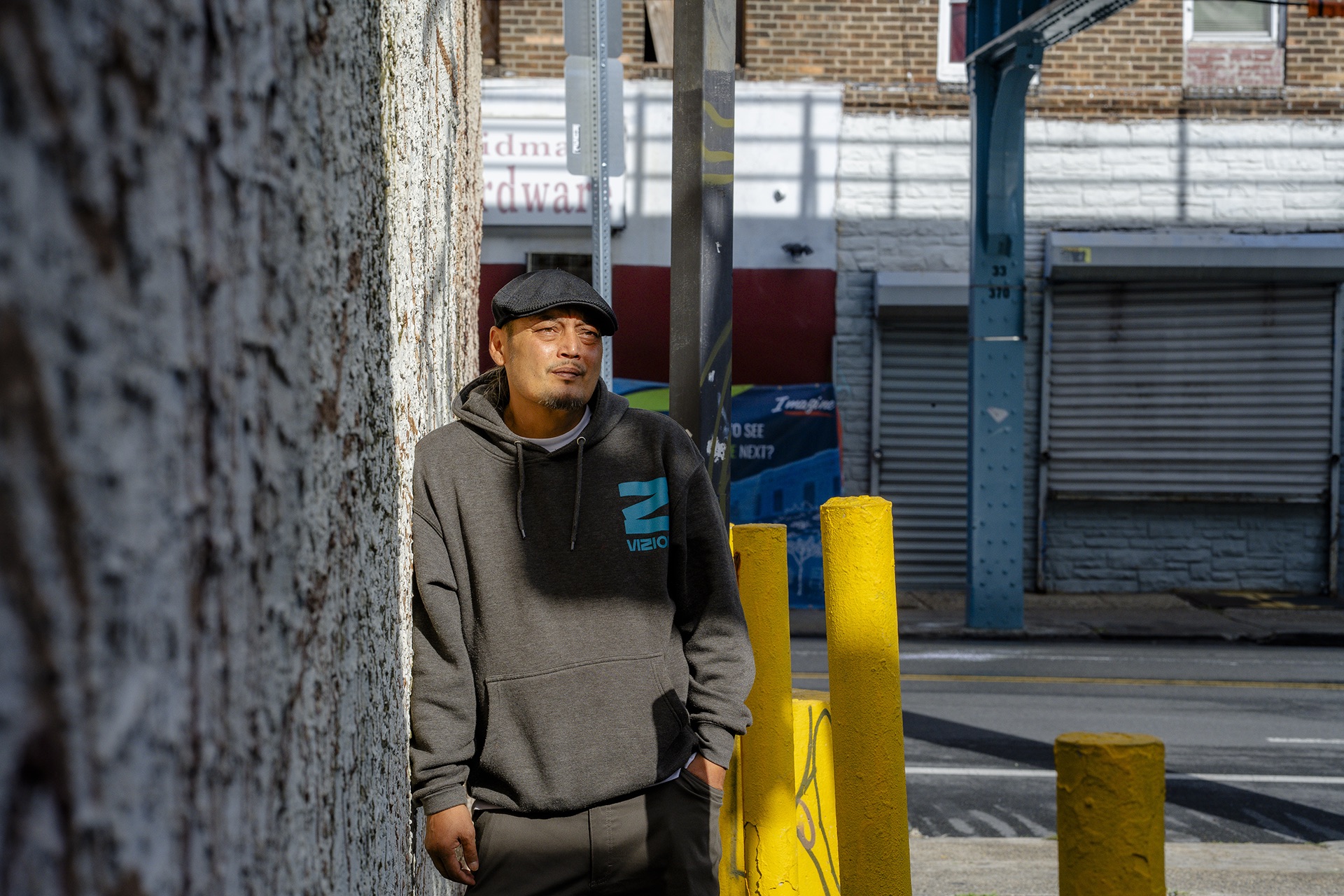
Zerbe was already well-known in Kensington for building grassroots relationships, including using art projects to practice harm reduction for homeless neighbors living with mental illness. Now, his space is large enough to accommodate not only living quarters but also Vizion, an art gallery that has become a hub for exhibitions, workshops and community events. “I have an after-school program too,” says Zerbe, whose gallery in the 3300 block of Kensington Avenue has exposed-brick walls alive with spectacular street art. “I’ve always liked working with kids.”
In addition to providing room for classes and exhibitions, Vizion has helped revitalize Kensington Avenue by encouraging other galleries to open nearby. It’s the kind of outcome that KCT seeks, as does Joseph Margulies, professor of the practice of government at Cornell University and a leading proponent of community ownership of real estate. Margulies, author of “Thanks for Everything (Now Get Out): Can We Restore Neighborhoods Without Destroying Them?” advocates for neighborhood trust models to deter displacement of longtime community residents due to gentrification.
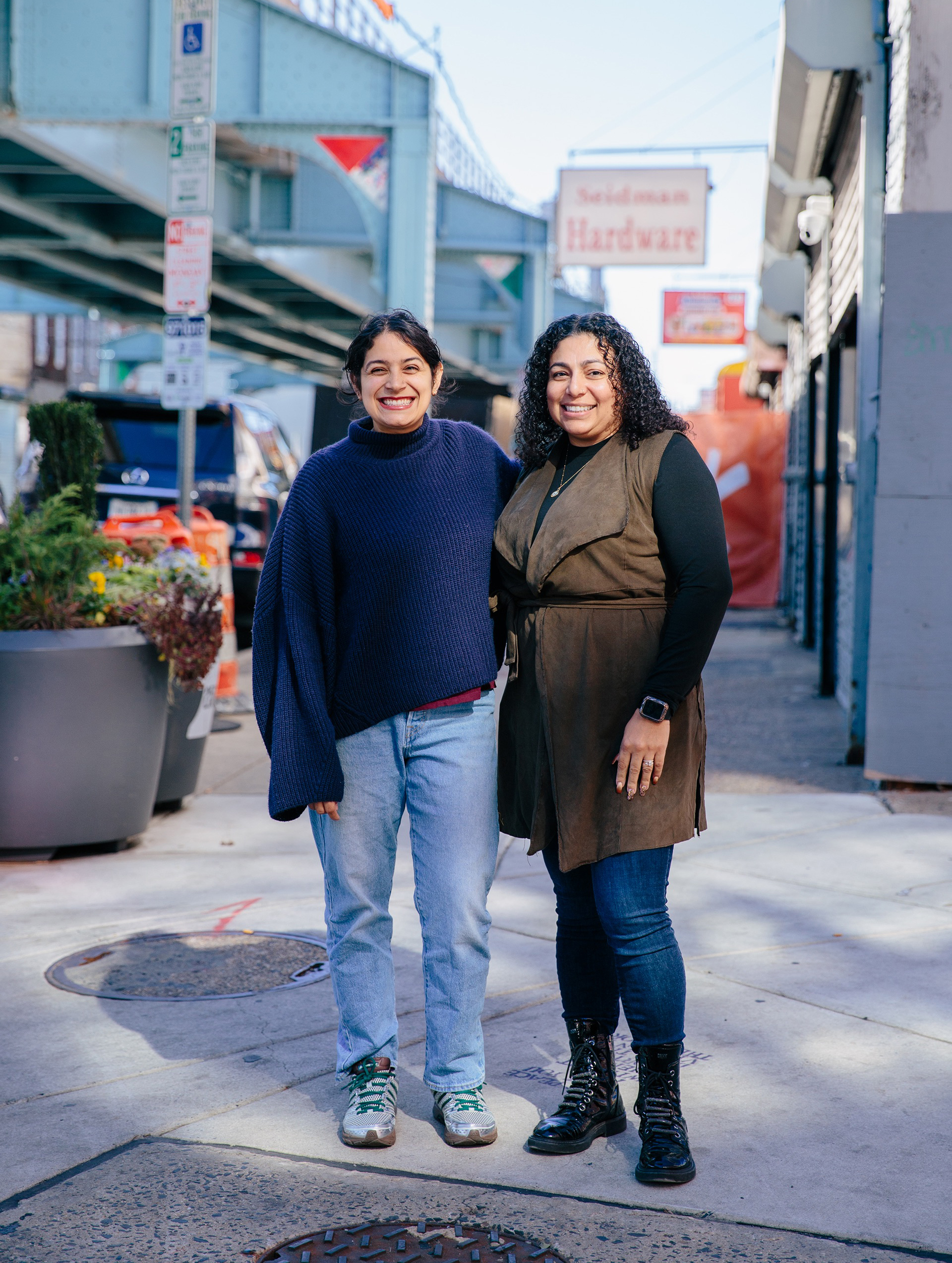
Margulies and cities facing gentrification are keeping a close eye on KCT. The first program of its kind in the country, KCT could become a model and resource center for other cities seeking anti-displacement and economic justice, says Jasmin Velez, KCT’s manager of development and communications. “Our goal is to preserve affordability in ZIP Code 19134, [which includes Kensington, Harrowgate and Port Richmond],” says Velez, who, like many KCT staffers, grew up in Kensington.
KCT addresses a crying need. Kensington’s once-bustling textile mills closed between 1960 and 1980, taking with them the jobs on which Kensington’s largely Black and Brown families depended. The opioid crisis and the COVID-19 pandemic shuttered still more businesses. Disinvestment took a toll. Kensington is treated like Philadelphia’s stepchild, some KCT employees say.
Kensington has become one of the poorest neighborhoods in America’s second-poorest big city. The area’s median household income is about $44,000, compared with about $62,000 citywide, according to the Pew “State of the City 2026” report.
To some outside developers, Kensington seemed ripe for the plucking. They began snapping up run-down buildings, rehabbing them and charging high rents, or constructing townhouses and apartments priced beyond the means of many longtime Kensington residents. For example, a two-bedroom apartment in a new building on Venango Street rents for $2,500 a month, according to Rent.com, while KCT charges, on average, $1,063 a month. “The amount varies, depending on tenants’ income,” Velez says, noting that the Department of Housing and Urban Development sets income guidelines. “Because we’re not charging market rate, people have room to breathe,” Velez says. “They can save money to, say, go back to school.”
For Chambs, a film artist who spoke under condition of using their first name only, a KCT apartment has meant much more. “I live below the poverty line, but KCT’s income-adjusted rent means that I can have my own apartment,” says Chambs, who values being near public transportation. “The managers [of the building] are nice and treat me humanely,” she adds. “That doesn’t always happen.”
With high rents threatening to price many neighbors out of the area, four groups stepped up: Impact Services, a local community developer; Shift Capital, a social-impact real estate developer; IF Lab, a small-business incubator; and Philadelphia Industrial Development Corporation, Philly’s public-private economic development corporation. In 2019, the four organizations co-developed KCT. They hired Adriana Abizadeh-Barbour, a Camden resident and policy fellow at both Princeton and Rutgers universities, who has experienced deep poverty, as inaugural executive director. Abizadeh-Barbour leads community engagement, project development and real estate acquisition at KCT.
KCT’s mission of buying real estate and putting it in trust for the community required an unusual legal structure. KCT is a hybrid, combining a 501(c)(3) nonprofit — which allows it to accept grants and donations — with a perpetual purpose trust, which establishes a way to hold land and buildings in perpetuity under community control.
While the hybrid entity is new, collective ownership has proven effective against gentrification in at least one other case. In the 1960s and 1970s, the Chinese Consolidated Benevolent Association, composed of cultural organizations and family groups, bought some 60 buildings in Manhattan’s Chinatown, journalist Nick Tabor writes in his 2015 article, “How Has Chinatown Stayed Chinatown?” That critical mass of real estate helps preserve the neighborhood’s distinctive culture and provides low-income housing for seniors and immigrants who have just arrived.
With KCT, community governance is assured in two ways: A board of directors oversees operations of the nonprofit arm while the Trust Stewardship Committee ensures that decisions fulfill the purpose of the trust. Both governing bodies consist of Kensington neighbors and small business owners.
By 2022, KCT had received $2.85 million in low-interest loans and $1.35 million in grants from philanthropies and donations from local and national organizations. The funds allowed KCT to purchase and rehab five buildings that year. “We’re focusing on properties on Kensington Avenue between Glenwood Avenue and Lehigh Avenue,” Velez says.
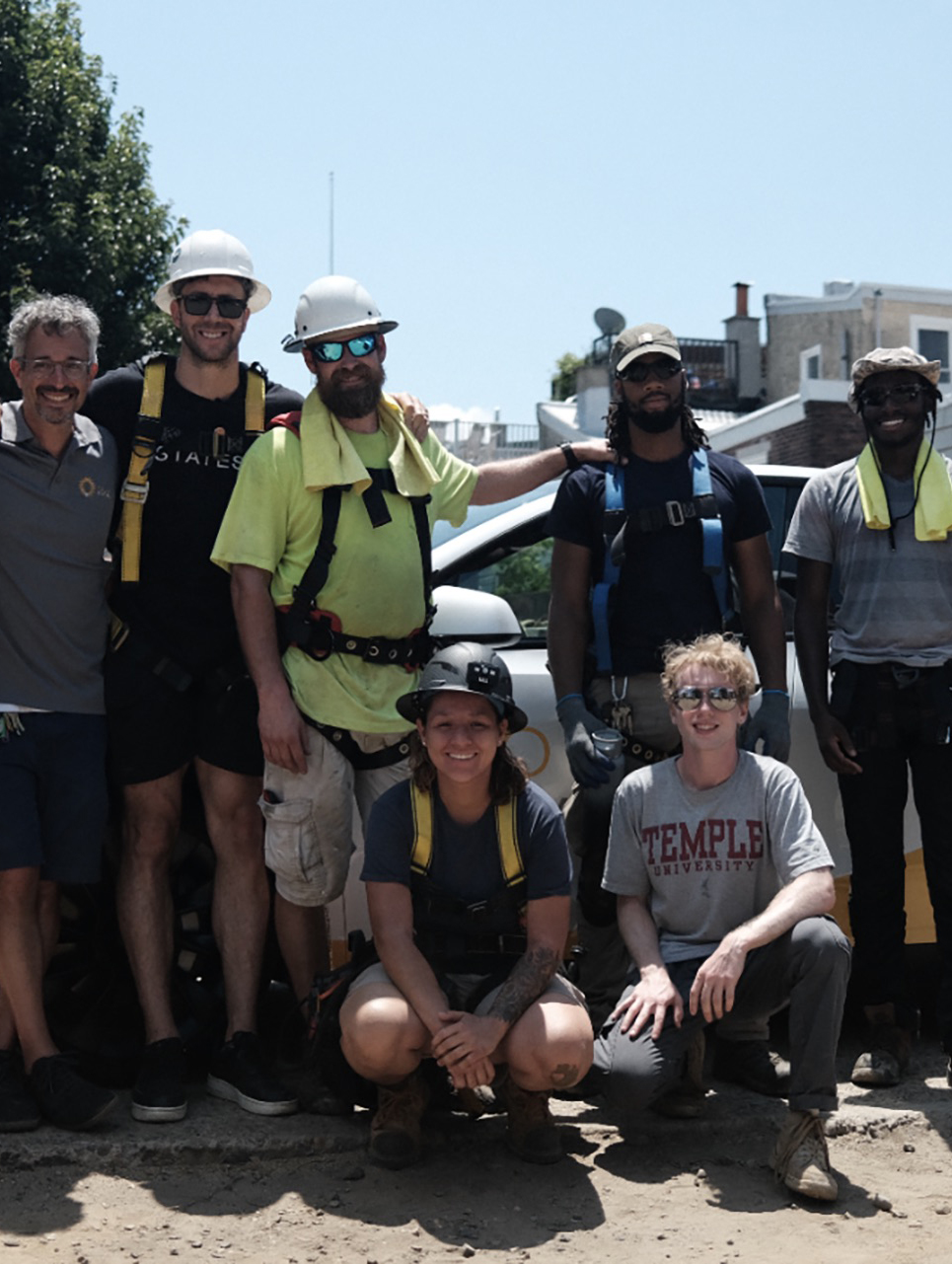
KCT rehabs buildings with both cost and the environment in mind, says Josh Harris, KCT’s staff contractor. “Most of the places have no insulation,” Harris says. Due to budget constraints, “We can’t put in triple-pane windows, but we put in good ones and seal up every leak,” he says. “In the future, when we buy contiguous houses, we plan to put large solar panels across multiple properties for energy efficiency. We’ll build green roofs with native plants, when it’s appropriate, to reduce street flooding when big storms hit.”
Neighbors have a say in the kinds of businesses that move into rehabbed sites. The community has barred liquor stores, pawn shops and other enterprises that extract value, Velez says. On the other hand, KCT and neighbors welcome tenants like Vizion or the Waxery that encourage fun and creativity.
At Crystal Ortiz’s Waxery, in the 3300 block of Kensington Avenue, guests learn candle-making. “I wanted a space where people could feel comfortable being themselves,” says Ortiz, who offers birthday parties, family events, girls’ nights out and celebrations like “Candles and Karaoke.” “Sometimes, I have a DJ,” says Ortiz, who grew up in the area, adding that her business has grown steadily since it opened in 2023.
Steady growth seems a KCT hallmark. The organization now owns a total of 32 assets, including 25 leased residential units and several pollinator gardens, a solid achievement in just seven years. It also has 45 mixed-use units under development and stewards spaces for 12 small businesses.
However, KCT faces challenges. High on the list is securing funds to continue acquiring properties, given competition from other developers. Also, some grants will end while others will pay decreasing amounts. Operating costs are another consideration. The properties must generate enough rental income to cover staff salaries, maintenance and debt service. Stigma about opioid use in Kensington could also affect the area’s revitalization.
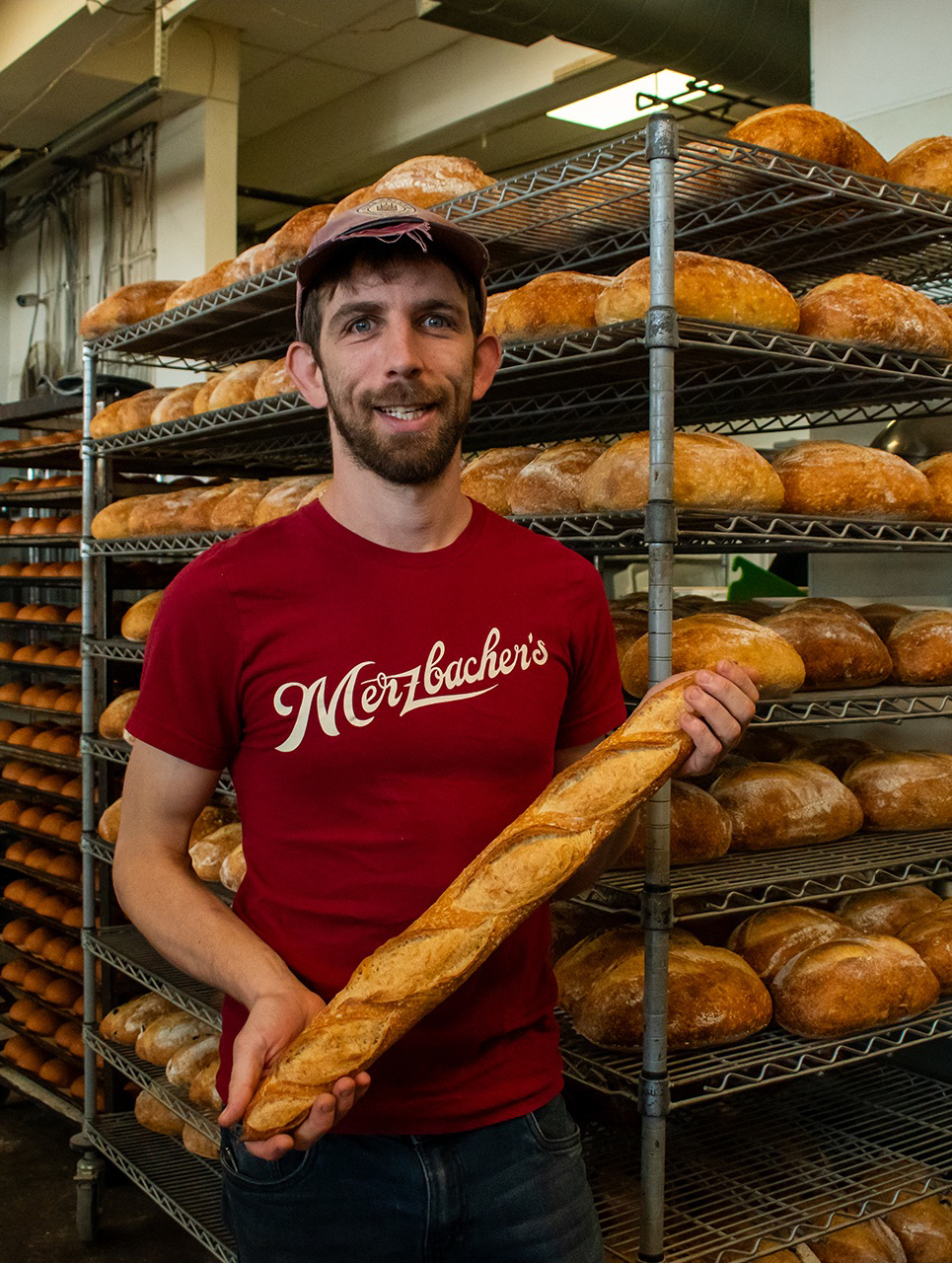
In addition, businesses sometimes get off to a slow start. Tom Sheridan, owner of the Kensington Food Company, which provides food inspections and restaurant supplies, opened a licensed commercial kitchen on the second floor of a building in the 3400 block of Kensington Avenue. The first floor houses Sheridan’s grocery store and bakery. Opened this July, it’s one of the few neighborhood places where one can buy fresh fruit and vegetables. “We’re getting 20 to 30 people a day, so I’ve had to compost a lot [of produce],” says Sheridan, born and raised in Kensington. “But we just got fully approved for SNAP [Supplemental Nutrition Assistance Program] benefits. I believe in what KCT is doing.”
Like Sheridan, Margulies has faith in KCT. “The model in Kensington is exactly what I had in mind,” he says. “From … what I can tell, [it] has been a stunning success. In fact, I think it should be more vigorously supported by the City. I also think the idea is making headway beyond Philadelphia. In addition to the sites with whom KCT is partnering — for example, Trenton — there is the Mixed Income Neighborhood Trust in Kansas City, for instance. I think the idea has legs.”