Philadelphia is changing all around us. Fresh off a tourism season celebrating our city’s colonial history, our building boom is racing to meet a housing crisis and is, in turn, reshaping the very fabric of our neighborhoods.
As that transformation pushes forward, developers, designers and community groups are wrestling with what it means to build responsibly in a city defined, in part, by the historic structures increasingly forgotten or replaced with modern, boxy builds.
So what makes a building green? For years, we’ve pointed to energy savings, materials and certifications. But green is also what we choose not to tear down, what we find new uses for and what we refuse to throw away.
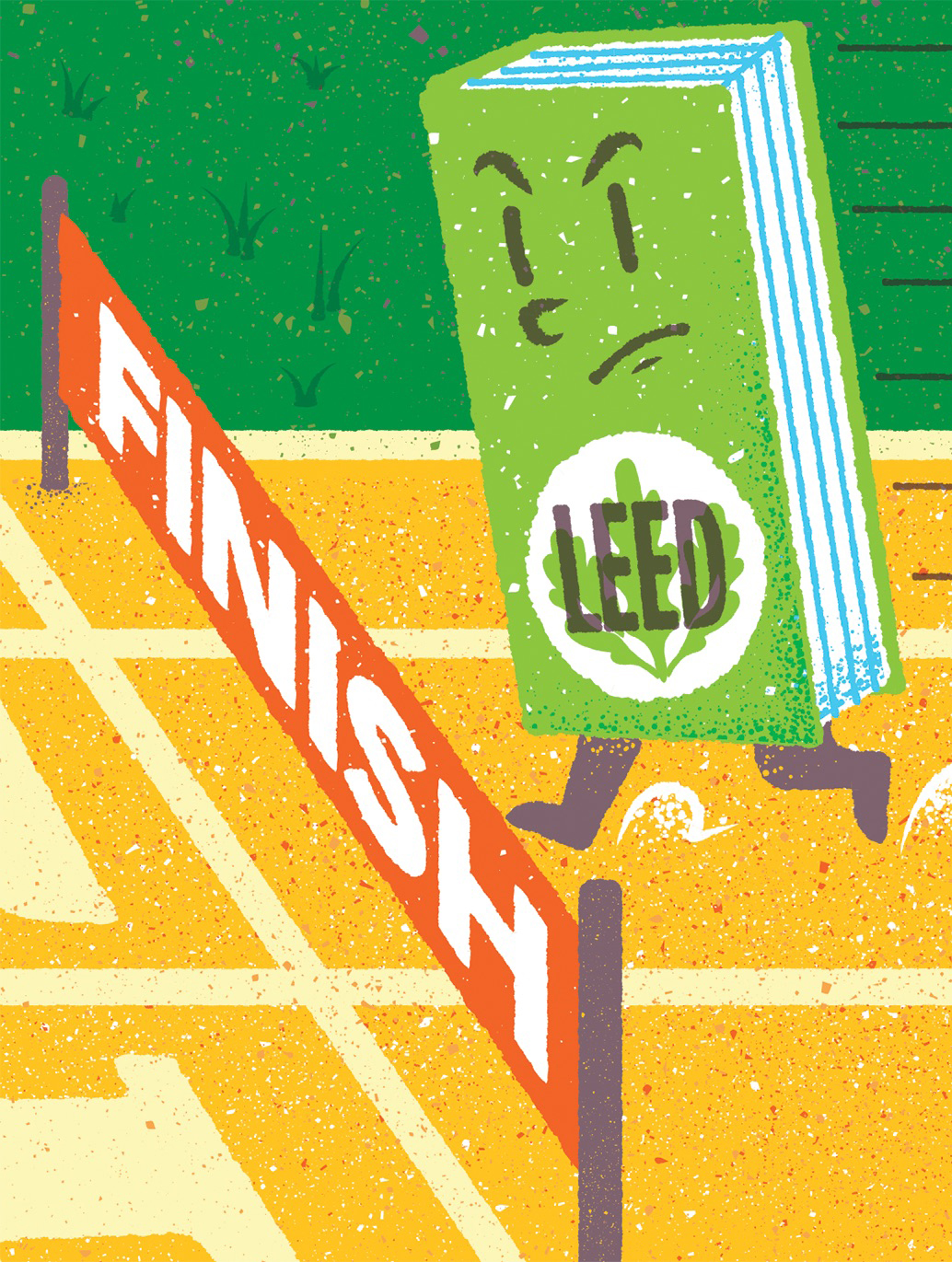
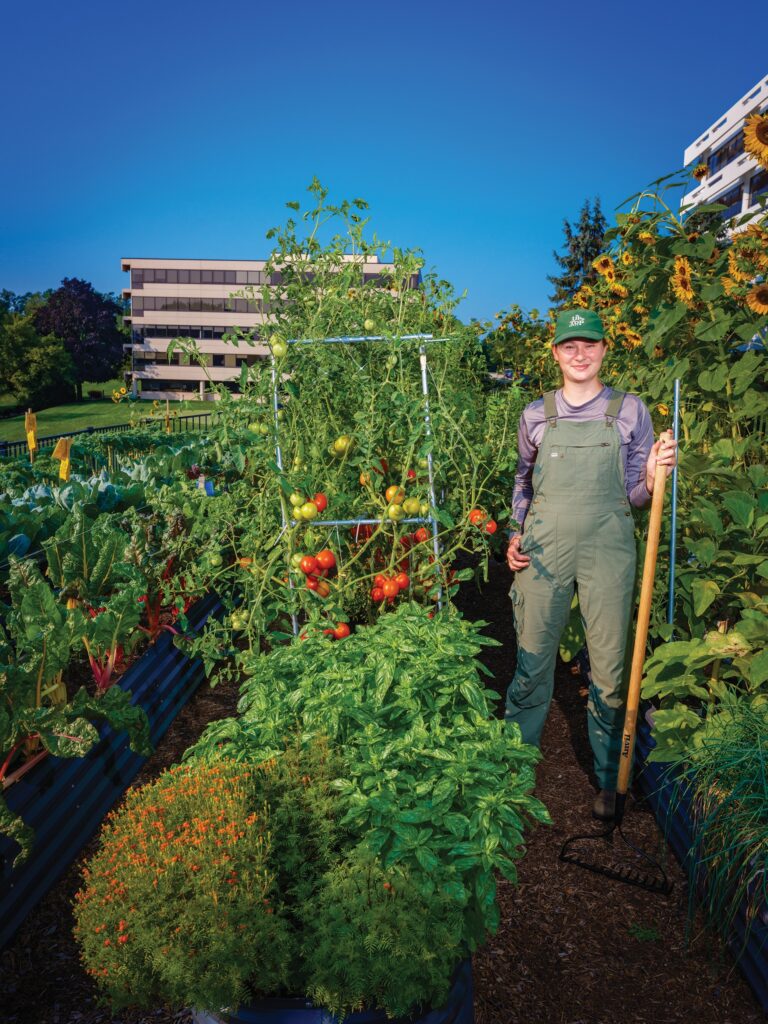
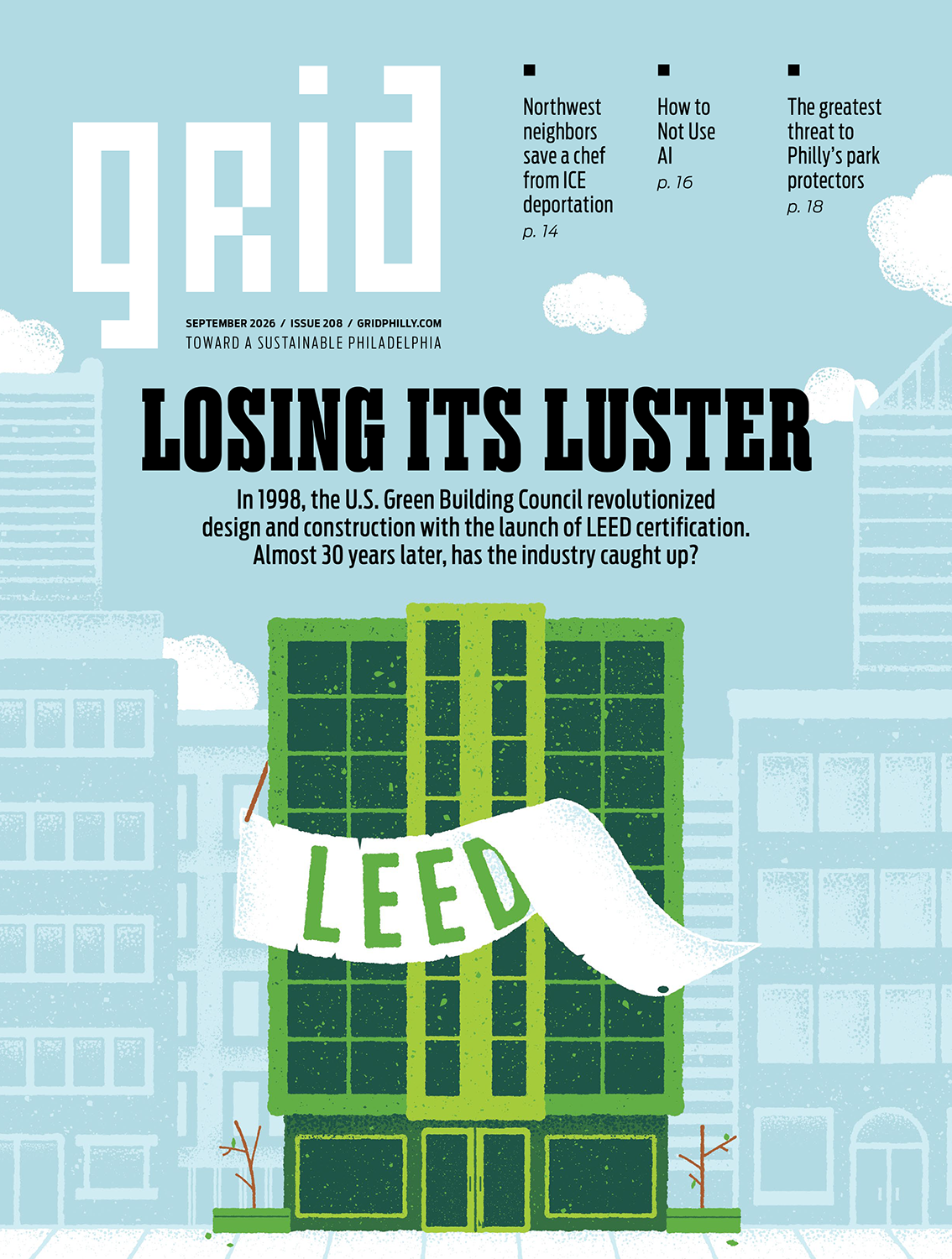
In this issue, we look at sustainable building not just as a checklist of features, but as a set of choices about how a structure, new or old, will shape the people and spaces around it for generations to come. How do we meet housing demand without burying neighborhoods in construction waste? Can corporate patches of lawn become productive farms? Are the standards we’ve relied on to define “green” buildings still ambitious enough? And how do we honor Philadelphia’s iconic rowhomes, churches and libraries as the city keeps building?
What we preserve, reuse, build from scratch and decide to demolish — these choices will separate Philadelphia’s architectural past from its future.