At Re:Vision Architecture’s Manayunk headquarters, energy-saving features are everywhere. Exterior walls are carefully sealed and insulated to keep the building warmer in the winter. Windows and skylights admit plenty of sun, reducing the need for artificial lighting. Those same skylights and windows can be opened on warm days to flush hot air up and out of the building.
But perhaps the most important energy-saving equipment of the building, which sports a Platinum rating in LEED’s Operations and Maintenance (O+M) certification, sits on the wall of the building’s garage: three electrical boards. These flat gray boxes with cables and wires snaking in and out are about the least sexy sustainable design features imaginable — but on a visit in July, Scott Kelly, founding principal of Re:Vision architecture, and Kristie Broussard, senior associate with Re:Vision’s High Performance Consulting Studio made sure to point them out.
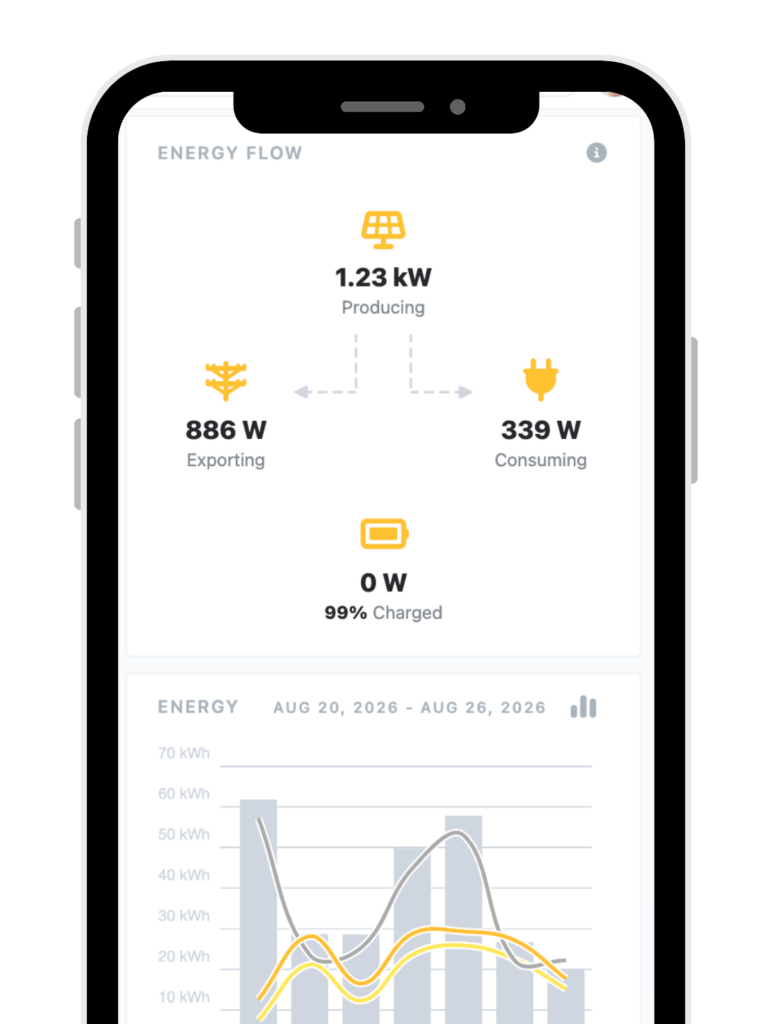
One board is for wall plugs, one for HVAC and one for lighting. Having three lets the firm track electricity usage carefully to make sure that their building, designed to be energy-efficient, actually uses power efficiently.
“You can’t understand what you don’t measure,” Broussard says. Reducing the environmental impact of buildings might start with sustainable design, but as mounting research and Re:Vision’s experience shows, it can’t end there.
LEED rewards sustainable design with tiers of recognition: basic certification, Silver, Gold and Platinum. LEED, which stands for Leadership in Energy and Environmental Design, is managed by the U.S. Green Building Council, which launched it as a pilot program in 1998. It pulls multiple aspects of sustainability into one certification by scoring buildings in categories such as Location and Transportation, Materials and Resources, and Water Efficiency. Some credits, such as “minimum energy performance” within the Energy and Atmosphere category, are prerequisites for basic certification. Others such as “renewable energy production,” offer optional points that can add up to the Silver, Gold and Platinum ratings.
Broussard likens the certification process to an ice cream sundae. The prerequisites for basic certification are like a bowl of vanilla ice cream, with additional points the toppings. “The more I layer on, the higher level of satisfaction I’m going to get out of this sundae. Those are my points,” she says. Re:Vision both designs buildings and offers consulting services to other architects trying to achieve sustainable certifications, including LEED.
Kelly says that LEED certification can provide a client with third-party verification that their architects have actually designed a sustainable building. “It demonstrates they’re getting what they’re supposed to and what they paid for.”

Over the past 28 years, LEED has expanded to additional types of certification. In 2007, the USGBC rolled out LEED Existing Buildings: Operations and Maintenance (O+M), which covers the ongoing performance of a building. With each new version of LEED — the USGBC released v5 in 2024 — the criteria have adapted to what has been learned in the previous versions and to evolving standards of sustainability.
But sustainability researchers have found that LEED buildings don’t always perform as advertised. John Scofield, then a physics professor at Oberlin College, started wondering about energy use by buildings after the college built a new environmental center in 2001. (Scofield spoke with Grid in a 2024 interview; he has since retired and declined to be interviewed again.) Schofield says the center used more energy than predicted, sparking a curiosity that led him to conduct a series of studies about the actual energy efficiency of green buildings. “I really began following these LEED-certified buildings and trying to find out what we can say about their measured energy savings,” Scofield said. “And what I discovered was it isn’t just LEED buildings. Many buildings, many many buildings, end up not performing the way they were described to their owners by the architects.”
How do they actually perform? Benchmarking programs, in which cities such as New York, Chicago and Philadelphia require commercial buildings to report how much energy they use, have allowed Scofield and other scholars to compare LEED-certified buildings to similar non-LEED buildings using real world numbers. In a study published in 2021, Scofield and co-authors compared LEED and non-LEED office buildings in 10 cities and found that LEED buildings saved about 10% in greenhouse gas emissions and source energy use. The authors also found that LEED-certified buildings’ energy use was far greater than predicted when they were certified.
A 2019 review paper that looked at 44 studies of energy efficiency in LEED buildings found a mixed bag. Some of the studies found that LEED buildings were more energy-efficient. Others, including some of Scofield’s, found the opposite. However, the authors concluded that higher levels of LEED (Gold and Platinum) were more likely to save energy than Silver or below.

In Scofield’s 2024 interview, he offered a few explanations for why LEED-certified buildings don’t end up as energy-efficient as planned. Sometimes the buildings are getting used differently than predicted. For example, the designers might have estimated based on standard building hours five days a week, but once opened, demand for the space extends into evenings and weekends.
Kelly puts a positive spin on this. “LEED buildings tend to be loved by the people who use them,” he says. People naturally gravitate towards new, carefully designed buildings and prefer to be in them, he adds. “You have fresh air inside. You have less toxicity. You have better daylight.”
“Occupant behavior has a much bigger impact than we sometimes assume,” says Yueming Qiu, a University of Maryland researcher who studied water use in LEED buildings and found a similar disparity between predicted and actual water use. She says LEED buildings might underperform because they scored points more in other aspects of certification, such as energy instead of water efficiency. “Another factor is that there’s often a difference between how a building is designed and how it actually operates,” she says. “And then there are the people using the building.”
Re:Vision’s Scott Kelly agrees. “The best thing you can do in this — we learned through the Quakers — is you train your people. We’ve done Net Zero Energy [a LEED certification] projects for them where they achieved Net Zero Energy, even though the energy model said, ‘you’re not going to come close.’ But they achieved Net Zero Energy because Quakers turn things off.”
Scofield also pointed out that if the baseline used to score predicted building performance is artificially inefficient, then it is easier to make new buildings look better on paper. He also said design teams have an incentive to lowball estimates of how a building will be used in order to predict lower energy usage. “In your calculation, you make every optimistic assumption you can.”
They’re not saying ‘be best in class.’ They’re saying ‘look, with today’s technology you can be here with very little cost increase.”
— Scott Kelly, founding principal, Re:Vision architecture
When it comes to energy efficiency, LEED certification standards compare the designed building’s predicted energy use to a baseline developed by the American Society of Heating, Refrigerating and Air-Conditioning Engineers (ASHRAE). Kelly says using their figures can lead to an easy baseline, but that this is not a cynical attempt to inflate scores. “They’re not saying ‘be best in class.’ They’re saying ‘look, with today’s technology you can be here with very little cost increase.’” Kelly and Broussard say that buildings can set a higher bar with optional LEED credits that encourage active energy and water use monitoring.
Another challenge with setting a baseline is that other non-LEED buildings are becoming more efficient as “sustainable” design becomes mainstream. More buildings insulate hot water pipes, install LED bulbs and use automated systems, like motion detection lighting. New furnaces are more efficient than the old models they replace, and double-paned windows let less heat escape in the winter than old single-paned designs.
This widespread improvement in efficiency figured in a 2023 study looking at retrofitted federal office buildings. The General Services Administration (the agency that manages federal properties) gave building managers the option of pursuing LEED certification as one path to save energy. The authors found that in general, LEED-certified buildings were not more energy-efficient. One explanation given by Edson Severnini, an environmental economist at Boston College who was one of the authors, was that managers could have scored highly in non-energy LEED categories, gaining certification without significant energy improvements.
Both the LEED-certified buildings and the similar non-LEED buildings became more energy-efficient over time, perhaps muting the effect of LEED certification. “The LEED certification was just one possible strategy to potentially improve the performance of the building. All the buildings were actually getting better,” Severnini says.
This might be the case in Philadelphia. A 2023 Philadelphia benchmarking report showed that since 2012, when the City started requiring owners of large buildings (50,000 square feet or more) to disclose energy and greenhouse gas performance, “buildings that complied with the program have improved their energy performance by about 18%.”
LEED gives us something to aspire to, and then as that becomes easy, the bar is raised.”
— Kristie Broussard, senior associate, Re:Vision architecture
LEED’s constant evolution means that “one also needs to consider what is being compared and when,” says Broussard. “As codes get better, I would expect them to be closing the gap in water and energy efficiency — that’s kind of the point. LEED gives us something to aspire to, and then as that becomes easy, the bar is raised.”
LEED, which helped bring sustainable design into the mainstream, is a victim of its success. “Many municipal codes are based on LEED,” Broussard says, which then closes the gap between LEED buildings and non-certified buildings.
To ensure that all large buildings, public and private, keep improving whether or not they’re certified, Philadelphia created a Building Energy Performance Program in 2019. It builds on the city’s benchmarking program by requiring “tuneups” for buildings larger than 50,000 square feet every five years, says Charlotte Shade, Philadelphia’s senior manager of building energy programs. In a tuneup, the building owners have to make sure energy-saving systems are functioning properly. Buildings can opt out if they have been LEED O+M certified and if “they can prove to us with their benchmarking data that they have reduced their energy use by at least 15% over a three-year period,” Shade says.
It is too soon to know the results of the first round of tuneups, but Shade hopes the City can use the data to guide more buildings to use less energy.
Scofield thinks the USGBC and the committees that draft LEED standards want LEED to encourage energy efficiency. “They have really great intentions, and they do want to save energy,” he said. “You know, it’s like modifying the tax code. As soon as you modify it, people figure out ways to get around it.”
(Grid emailed the USGBC, but it did not make an expert available for an interview.)
Re:Vision’s Scott Kelly points out that while energy and water use are critical to LEED, there’s a lot more to it. “We’re talking about materials, construction practices, correct siting and transportation networks.”
And even if the rest of the field might be catching up, LEED remains popular. Armstrong World Industries has been part of LEED from the start, and, according to sustainability manager Amy Costello, the company still gains a lot from the certification process.
Armstrong’s headquarters in Lancaster in 2007 was the first building outside of California to achieve O+M Platinum certification, Costello says. The company, which manufactures ceiling and wall surfaces that improve acoustics and save energy, was a founding member of the USGBC in 1993, she says, and their Building 701 was designed to the beta version of LEED v1.0 in 1998, though it wasn’t actually certified until O+M rolled out. They have since recertified it in 2014 as Platinum and in 2020 as Gold.
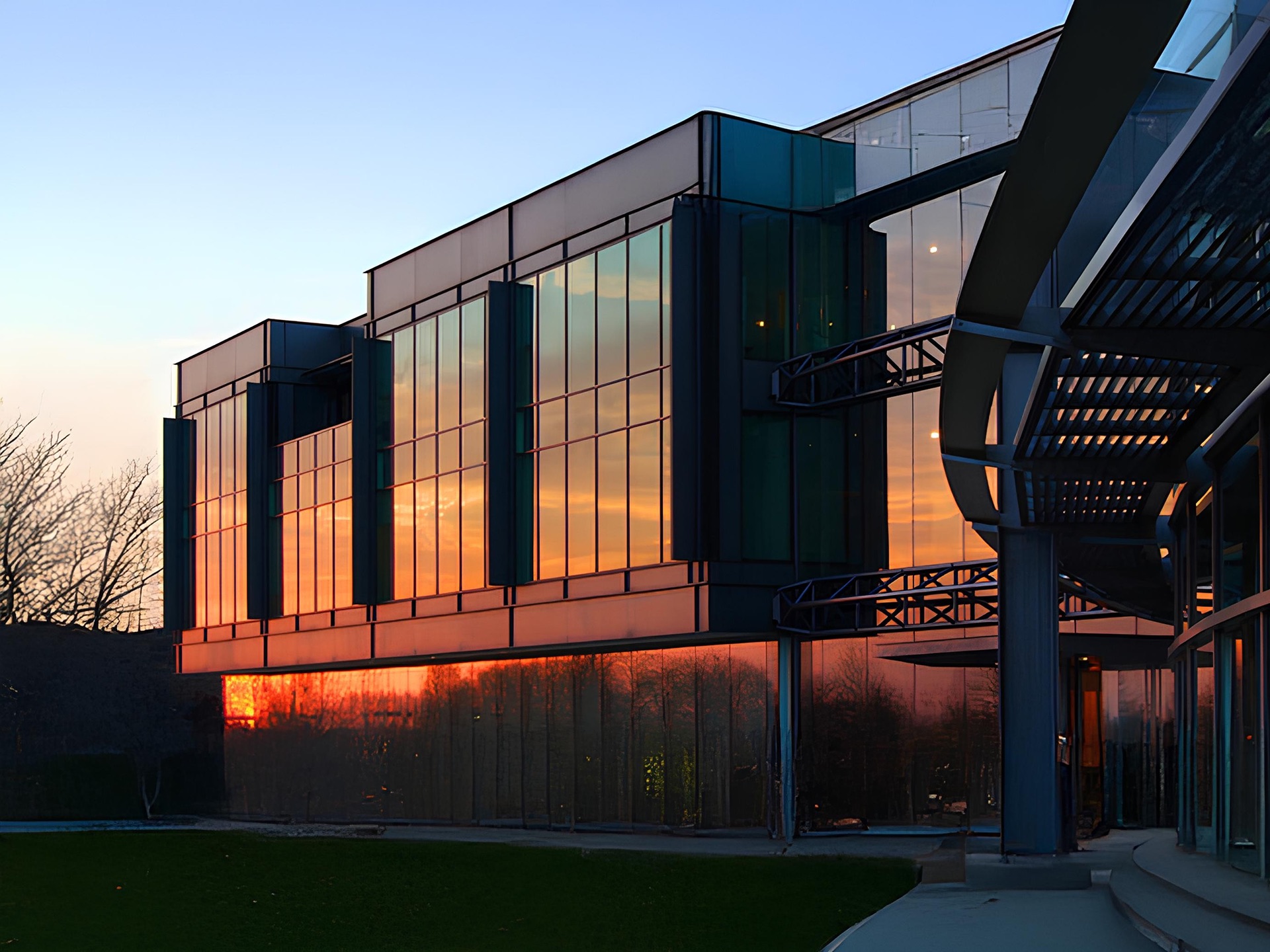
The building features a wide array of features to save energy and water. Light shelves outside bounce sunlight into windows and off of ceiling tiles to brighten rooms. Bathrooms featured waterless urinals. Costello says the LEED process has helped the company save money, not just at the 701 building. “We’ve actually taken a lot of the practices that we learned in our headquarters in Building 701, and we’ve implemented them across the campus here,” Costello says. “Almost every faucet is a low-flow faucet. Every toilet now is a dual-flush toilet.”
The City of Philadelphia’s policy is for all municipal buildings built or renovated after July 1, 2023 to earn a LEED Gold certification (previously the requirement had been for LEED Silver). “It keeps us up to date with advancing standards when it comes to holistic sustainability,” says Tammy Lee, senior manager for energy infrastructure with the City’s Office of Sustainability.
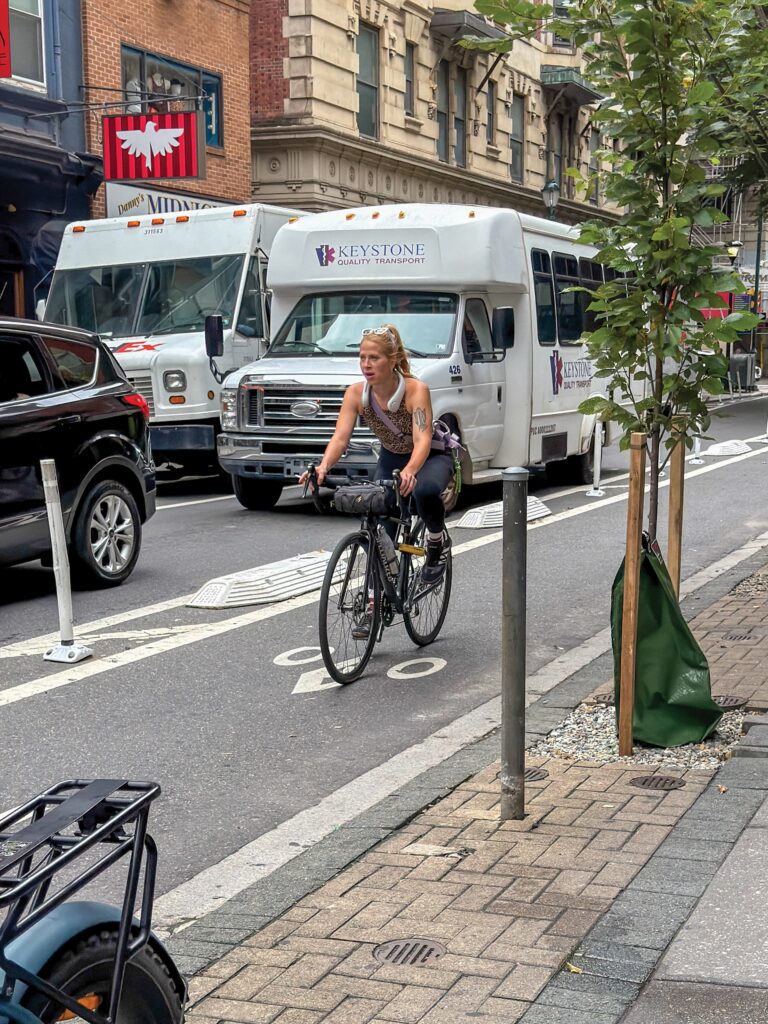
Re:Vision has had its office certified LEED O+M Platinum twice, and Kelly says it is about to go through certification again. During Grid’s visit, Kelly highlighted the popularity of the shower and lockers at Re:Vision’s office. “So many of our people ride bikes, we’ve got to schedule when they’re taking showers,” he says.
The firm will review how staff commute as part of their upcoming O+M recertification, but the fact that employees need to manage shower times shows that staff are taking advantage of the office’s bikeable location.
Broussard argues it takes ongoing attention and maintenance to ensure a building lives up to its certification. “It’s not just about a snapshot in time.”