Farmers are worried, but they don’t want to talk about it. Evidence is mounting that the nutrient-rich sewage sludge many have applied to their farmland for decades as a low-cost fertilizer often contains perfluoroalkyl substances, or PFAS, a class of “forever chemicals” that resist degradation in nature and are hazardous to human health. Typically vocal about the challenges they face, farmers are reluctant to discuss their own experience spreading the stuff — and it’s not hard to see why.
Ten years ago, Fred Stone learned that the cows on his third-generation Maine dairy farm were producing tainted milk. For decades, he had been spreading treated sewage across Stoneridge Farm’s 100 acres as part of a state program — one of many across the country. He’d never had a problem until the local water district found PFAS in a well it maintained on his land. The chemicals have been linked to a range of health risks, including cancer, decreased fertility, low birth weight and hormone disruption.
In some of the farm’s milk, PFAS levels were 20 times higher than the federal limit for drinking water. It was present in soil, hay and manure as well — particularly in areas where the sewage sludge had been applied. By the time a state investigation concluded, Stone had put down many of his poisoned cows and racked up nearly $500,000 in debt. His farm became a warning to others around the country about the risks of using sewage sludge.
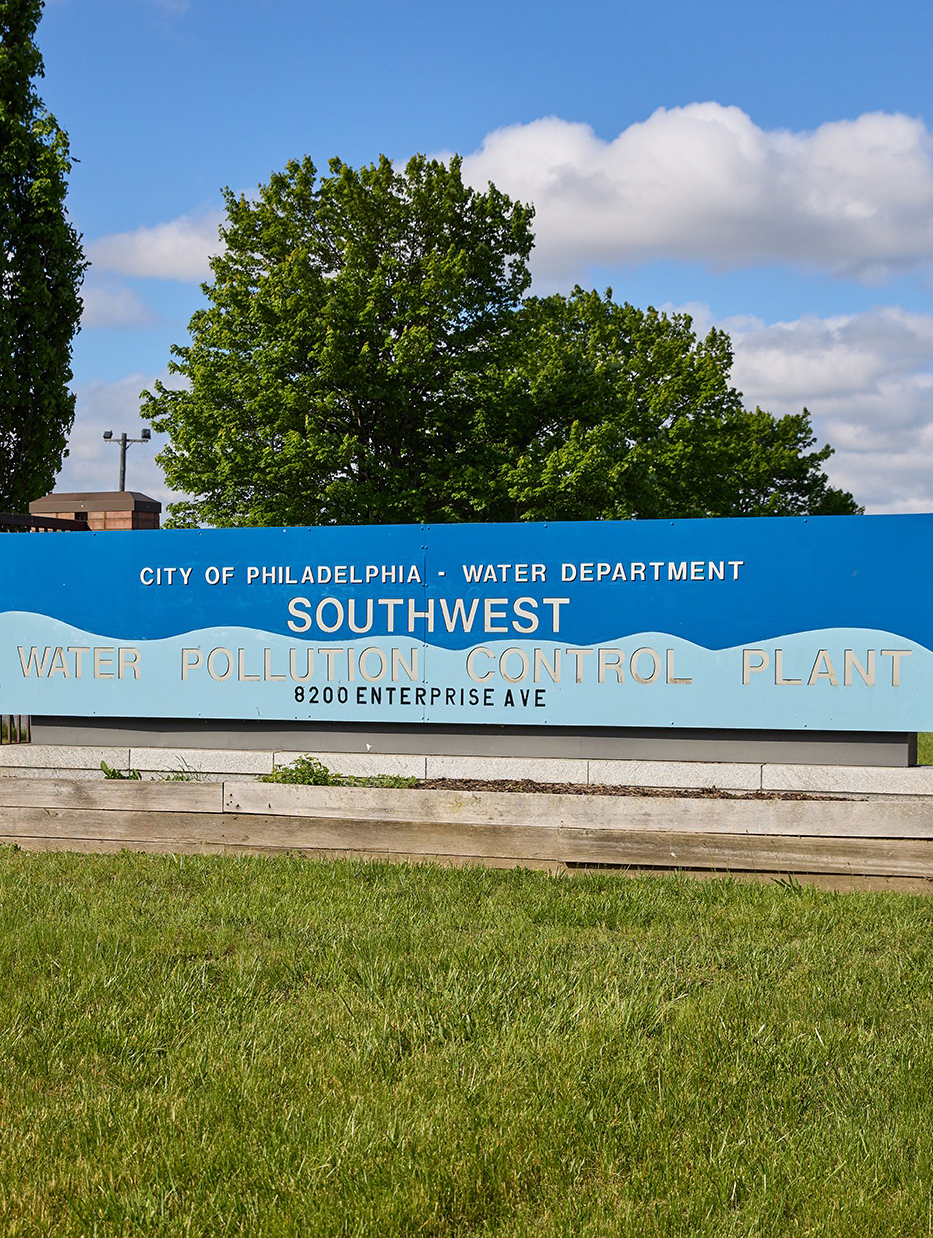
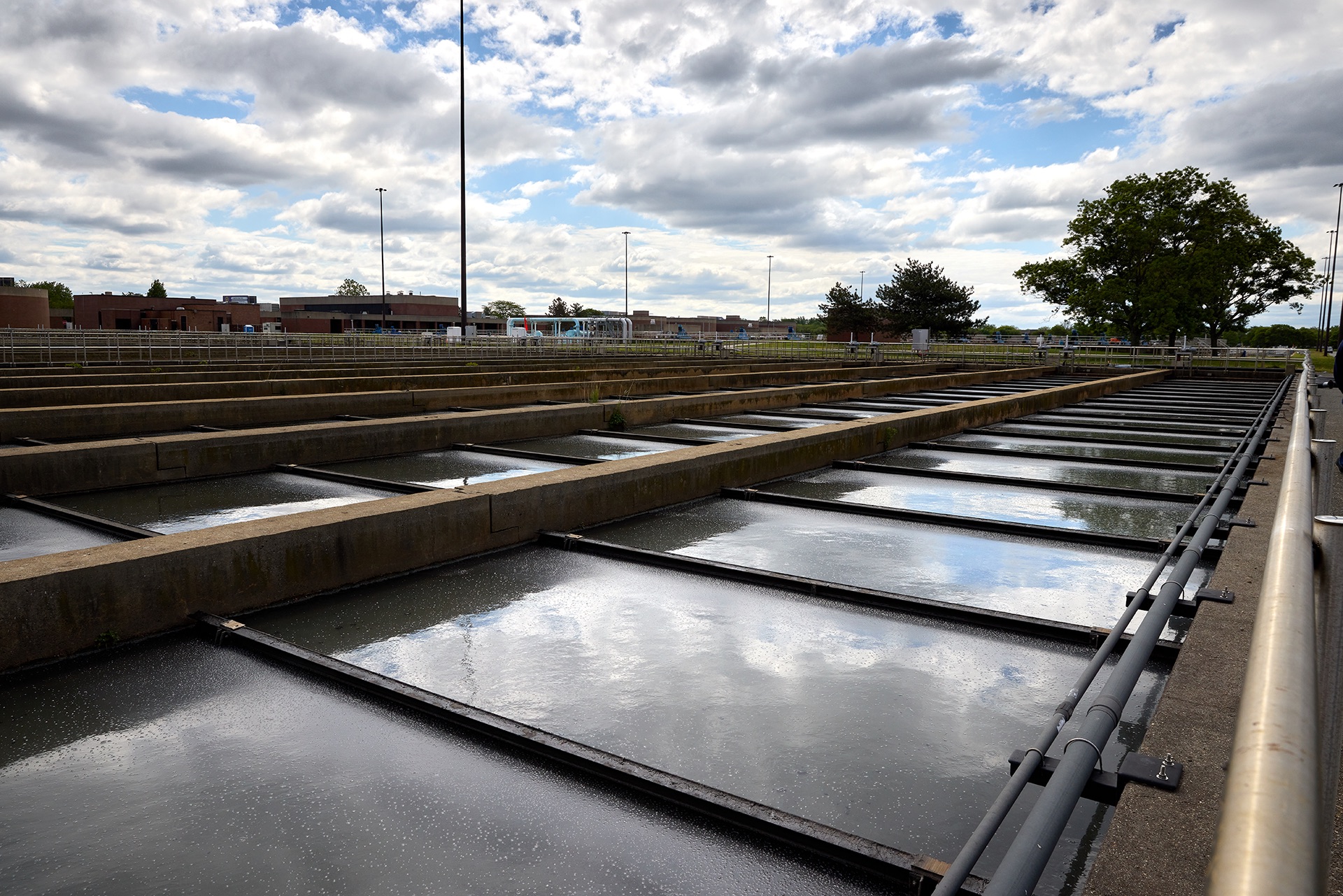
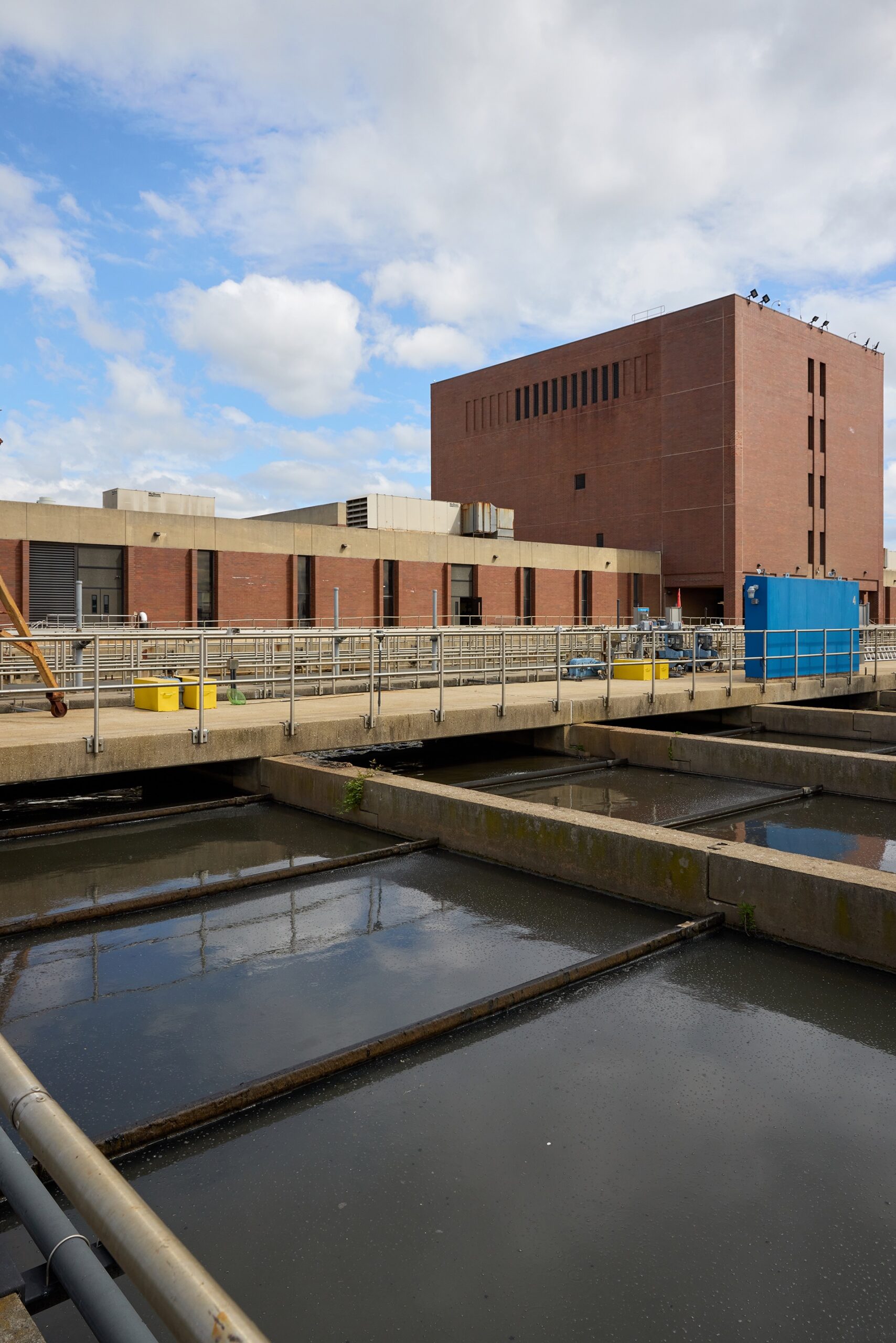
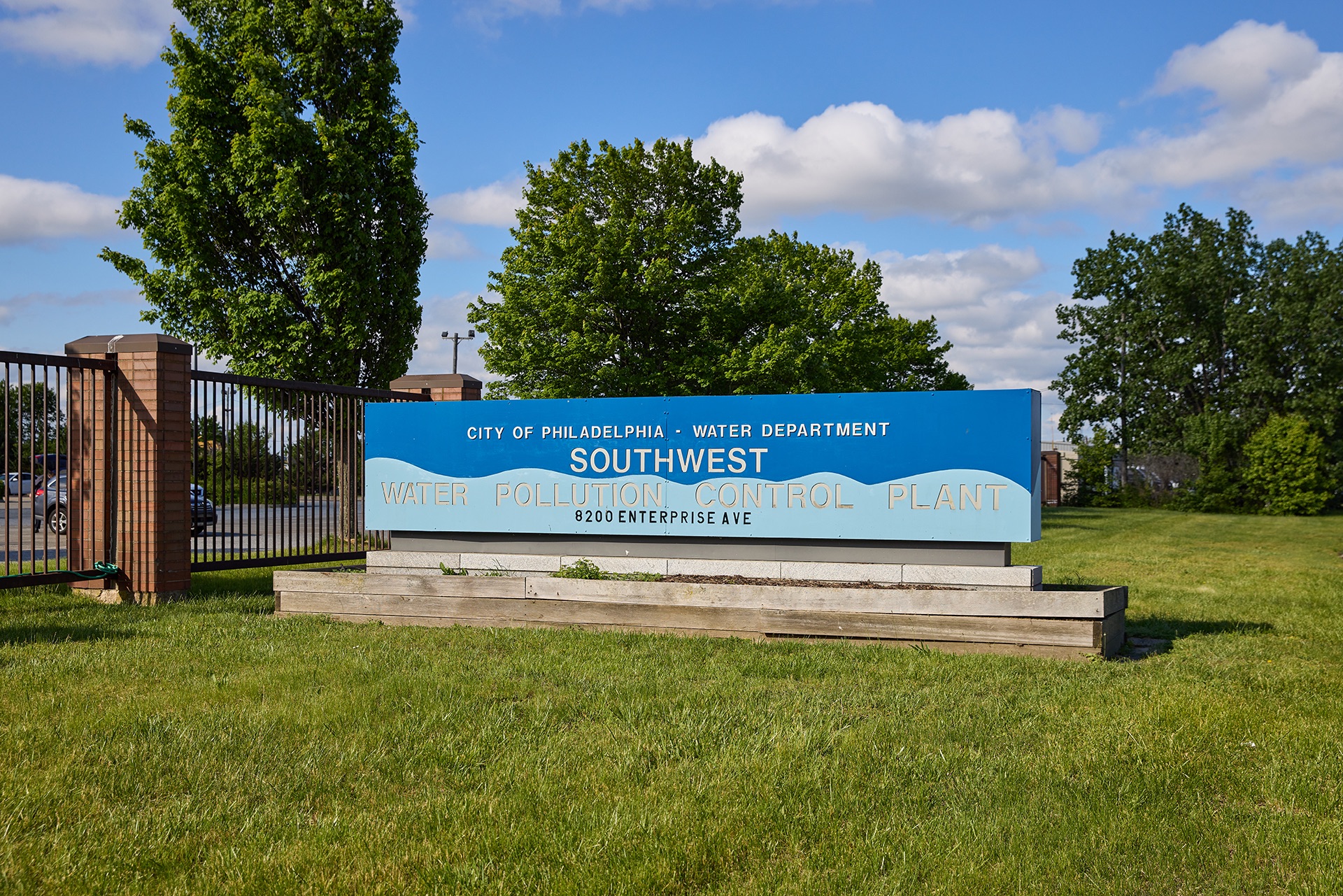
In 2022, Maine became the first state to ban the land application of biosolids — the industry term for the processed sludge that remains after wastewater treatment. A small number of states have either prohibited the use of biosolids that contain PFAS or initiated testing to monitor contamination levels, but Pennsylvania is not yet among them. And so each week, dozens of trucks arrive at Southwest Philadelphia’s Biosolids Recycling Center to haul dehydrated sewage pellets to farms and fields across the state at a rate of more than 50,000 tons per year.
All that waste has to go somewhere, and the present alternatives — landfills and incineration — are more costly and come with their own environmental concerns. A spokesperson for the state Department of Environmental Protection said in a statement that the agency is developing biosolids permit revisions “that would incorporate testing for PFAS” and will be released for public comment “in the coming months.” With the future of the state’s biosolids regulation hanging in the balance, environmental advocates are stressing the public health threats of continued use.
“They call it reusing and recycling. They call it replenishing. They call it nourishment. They call it fertilizer. It really is none of those things,” says Tracy Carluccio, deputy director of the Delaware Riverkeeper Network. “It’s really just a waste stream. It’s an easy and inexpensive way to get rid of all the sewage sludge that we produce as human beings at our wastewater treatment facilities.”
Rather than a circular approach to growing healthy crops, she says, biosolids distribution “turns farmland into an industry wasteland.”
Philadelphia’s three wastewater treatment plants are among more than 17,000 nationwide that dispose of their sewage sludge via the offtake of biosolids, some 60% of which is spread on croplands. Each of the city’s three plants sends its sludge to the Biosolids Recycling Center, a facility operated by Synagro Technologies, a Baltimore-based leader in the billion-dollar biosolids industry. Synagro has handled the city’s sludge since 2012 as part of a 23-year, $590 million contract that came under the microscope when a city integrity review found that a consultant who steered the deal through City Council over union opposition was promised $400,000 a year for his efforts, according to The Philadelphia Inquirer. The payments were later eliminated.
After undergoing what Synagro describes as a “thermal drying process,” the city’s biosolids are trucked off to farms, parks and fertilizer blenders to be distributed. Across the country, as many as 70 million acres of farmland are permitted to receive biosolids, according to industry estimates. The largest portion of biosolids — more than 2 million dry tons each year, according to one estimate — ends up in agricultural fields.
Asked about the emerging concerns about biosolids, a Synagro spokesperson said in an email that it maintains an “open dialog” with its farmer customers and highlighted the benefits biosolids offer, including “improved moisture absorption ability, recycling of micro and macro nutrients, carbon sequestration, reduced nutrient leaching and lower use of industrially produced chemical fertilizers.”
The Philadelphia Water Department said in a statement that it “takes its responsibility to protect public health and the environment extremely seriously,” noting that utilities, regulators, researchers and policymakers are working to better understand emerging concerns around PFAS. The agency is undergoing a “wastewater master planning process” to prepare for future regulatory requirements, evaluate infrastructure and ensure that “Philadelphia is positioned to respond responsibly to evolving environmental standards and public health expectations.”
Pennsylvania’s records show 139 active sites are permitted to receive biosolids from the Philadelphia Water Department, nearly one-quarter of which are farms. Synagro, meanwhile, has 280 active client sites in the commonwealth, many of which receive biosolids from other municipalities or states. A recent study of soils at 10 Pennsylvania farms found significantly higher levels of PFAS in fields that had been treated with biosolids than those that had not.
Although the U.S. Environmental Protection Agency has identified more than 350 pollutants in sewage sludge, including a range of PFAS compounds, heavy metals and pathogenic microorganisms, it regulates only nine in biosolids: arsenic, cadmium, lead, copper, mercury, molybdenum, zinc, selenium and nickel. In its final days, the Biden administration published a draft risk assessment that found that land-applied sludge containing 1 part per billion of PFOA or PFOS, a pair of common PFAS chemicals, exceeded the threshold for human health risk. It also said that drinking groundwater contaminated by biosolids posed a risk. It didn’t comment, however, on the public health risks of eating contaminated produce, meat or dairy. The draft assessment has failed to advance under the Trump administration.
To understand how farmers in Pennsylvania are navigating the emerging information about PFAS contamination in biosolids, Grid reached out to several farms on the PWD’s permit list. None of them responded. According to Faith Kibuye, a water resources extension specialist with Penn State’s College of Agricultural Sciences, that shouldn’t be a surprise. Even when farmers apply biosolids legally, the presence of PFAS introduced upstream is beyond their control. Regardless of the source, “farmers can face significant economic, social and reputational risks if PFAS is detected on their operations,” she says. As a result, farmers are “understandably cautious” about discussing their use of biosolids or even participating in research.
The Pennsylvania Farm Bureau referred questions about its biosolids policies and guidance for farmers to PennAg, an agribusiness industry association, which says it does not provide farmers with “direct or prescriptive guidance on the application or use of biosolids.” The New York Farm Bureau earlier this year updated its policy to oppose the land application of biosolids with “detectable amounts of PFAS and/or elevated levels of heavy metals.”
“Farmers are waking up. They’re angry. But a lot of them also don’t have any choice in the matter,” says Kyla Bennett, a former EPA staffer who is now director of science policy for the nonprofit Public Employees for Environmental Responsibility (PEER). She called the use of biosolids a “catch-22” for farmers, who have long utilized it as an inexpensive and purportedly safe alternative to fertilizer. Now that they know about the associated risks, some may still need to continue the practice to keep their farms running, especially as the war in Iran has spiked fertilizer costs and reduced availability.
As Grid recently reported, PWD in 2024 learned that “data anomalies” stemming from a plant manager’s number-fudging allowed a biosolids processing error to go unnoticed. Failing anaerobic digesters led the plant to produce biosolids that had not been properly processed to reduce pathogens. After an internal investigation, the agency alerted 25 farmers and land managers that they had been given noncompliant biosolids and paid $203,563 to the EPA to settle claims over its violations.
Even when the biosolids process works as expected, though, farmers lack information on any potential contaminants spread on their fields. Because current permits don’t include monitoring or reporting requirements for PFAS in biosolids, PWD said it does not conduct any testing.
The DEP is considering modifying its biosolids permits to utilize a tiered approach aimed at mitigating risks and better informing producers and distributors, according to a presentation the agency gave in January. Under the new model, which is based on a standard established in Michigan, biosolids would be applied normally only if the rate of PFAS were below 20 parts per billion. Between 20 and 100 parts per billion, they could be applied at a reduced rate, and land application would be prohibited beyond that limit.
PWD is closely following the DEP’s rulemaking, Water Commissioner Benjamin Jewell says, and will comply with any rules once finalized. Regulatory changes might make disposal of biosolids more expensive, forcing the department to expand its geographic range if limits are placed on how much and how often biosolids can be applied to certain fields, he adds.
State Rep. Brenda Pugh, R-Luzerne, introduced a bill last year that would require the DEP to test PFAS concentrations in the state’s biosolids and compare the chemicals’ presence in soil and water on farmland where biosolids have and have not been applied. It would also require analysis of the presence of PFAS in crops, livestock and milk on lands that have used biosolids, as well as a study of treatment methods and other states’ regulations. Pugh says she introduced the legislation, which has 10 co-sponsors but has not yet received a committee vote, after speaking with farmers concerned about the long-term impacts of biosolids on neighboring farmland.
“If Maine has already come to this determination, then why are we behind the eight ball?” Pugh says. “Why are we allowing it to happen here?”
For its part, Synagro says it supports “science-based and peer-reviewed” legislation, including Pugh’s bill.
As it prepares updates to its biosolids regulations, the DEP is investigating PFAS contamination of groundwater in Columbia County that the agency believes is tied to legacy biosolids distribution from as far back as 1980 — an indication of the challenges in dealing with “forever chemicals.” The agency has issued a fish consumption advisory and has been delivering bottled water to impacted residents.
Legacy pollution from PFAS-contaminated biosolids has resulted in high levels of PFAS being discovered on farms in Texas, Maine, New York, Michigan and Tennessee, among others. In 2024, PEER sued the EPA on behalf of a group of Texas farmers, arguing that the agency is responsible under the Clean Water Act for regulating the presence of PFAS and other toxic chemicals in biosolids. That suit was dismissed last year; PEER later appealed.
As a patchwork of state regulations develops, PEER’s Bennett and other advocates worry it will be insufficient to address the emerging crisis at its roots, in part because several states have already prevented policymakers from establishing standards stricter than those imposed by the federal government. Until the EPA effectively regulates PFAS, the chemicals will continue entering the wastewater stream from a range of industrial and household sources, leaving it to the treatment process to capture and remove them. Industrial pre-treatment offers one avenue for mitigation, but that won’t eliminate the chemicals’ presence, Bennett says.
The only long-term answer is to stop putting PFAS in products — to regulate them all as a large family, instead of this chemical-by-chemical basis.”
— Kyla Bennett, director of science policy, Public Employees for Environmental Responsibility
“The only long-term answer,” she says, “is to stop putting PFAS in products — to regulate them all as a large family, instead of this chemical-by-chemical basis.”
When it comes to the presence of PFAS on farmland, Carluccio argues that more states should follow Maine’s lead.
“Biosolids should be banned from being put on land,” Carluccio says. “It can’t be controlled, and it should be prohibited.”
Heather Preisendanz, a professor of agricultural and biological engineering at Penn State, hears a chorus of questions from farmers worried about their use of biosolids. They wonder which crops can be safely grown in soils impacted by PFAS and ask her to sample their well water to alleviate concerns about their families’ health. Her research aims to understand how different crops take up PFAS differently and whether riparian buffers can mitigate runoff from fields treated with biosolids. Last year, Preisendanz served on a DEP working group that gathered information for the agency to utilize in its biosolids response. That group, she notes, didn’t include any farmers. The DEP did not respond to a question about the group’s composition.
The science around biosolids and PFAS complicates any efforts to mitigate risk, Preisendanz says. “There’s not great toxicology-based information to say for sure what the appropriate risk is for accepting biosolids and at what levels,” she says. There are few straightforward answers to share with those concerned about public health or the welfare of farmers who have land-applied biosolids.
“It’s really challenging, even if you have the numbers, to make sense of what to do with it,” Preisendanz says.
There are, however, steps that could minimize risk, she says: If biosolids are tested to reveal high quantities of PFAS, upstream testing should aim to identify the industrial source of the pollution and address it before it can reach the wastewater stream. And biosolids should be tested and data on PFAS contamination shared with farmers spreading it as fertilizer, Preisendanz says.
“Until we start testing it coming out of the facilities prior to spreading, we’re never going to know,” Pugh says.
Pugh is perplexed by the failure of her bill to advance in the General Assembly and fears that further delays in responding to biosolids contamination will leave Pennsylvania farmers and residents at risk.
“I don’t want our state to be a dumping ground,” Pugh says.