One of the most common questions I get is, “Why should I pay for a composting service when I can compost on my own?” And my answer is, “If you can compost on your own, you should!” Many people don’t have the time, space or inclination to compost — that’s why our business exists — but making your own compost can be magical. So let’s talk about the three primary ways you can compost at home.
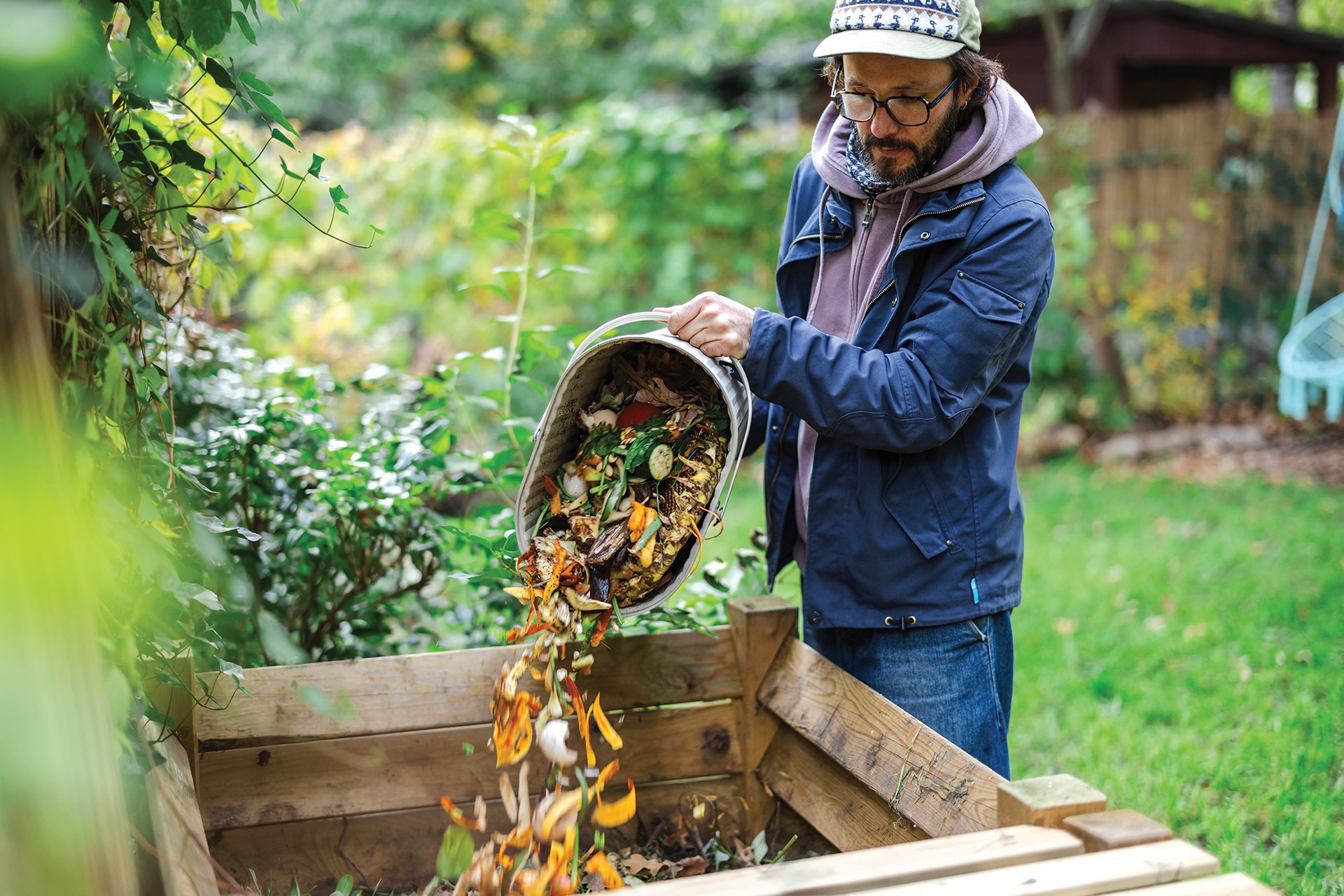
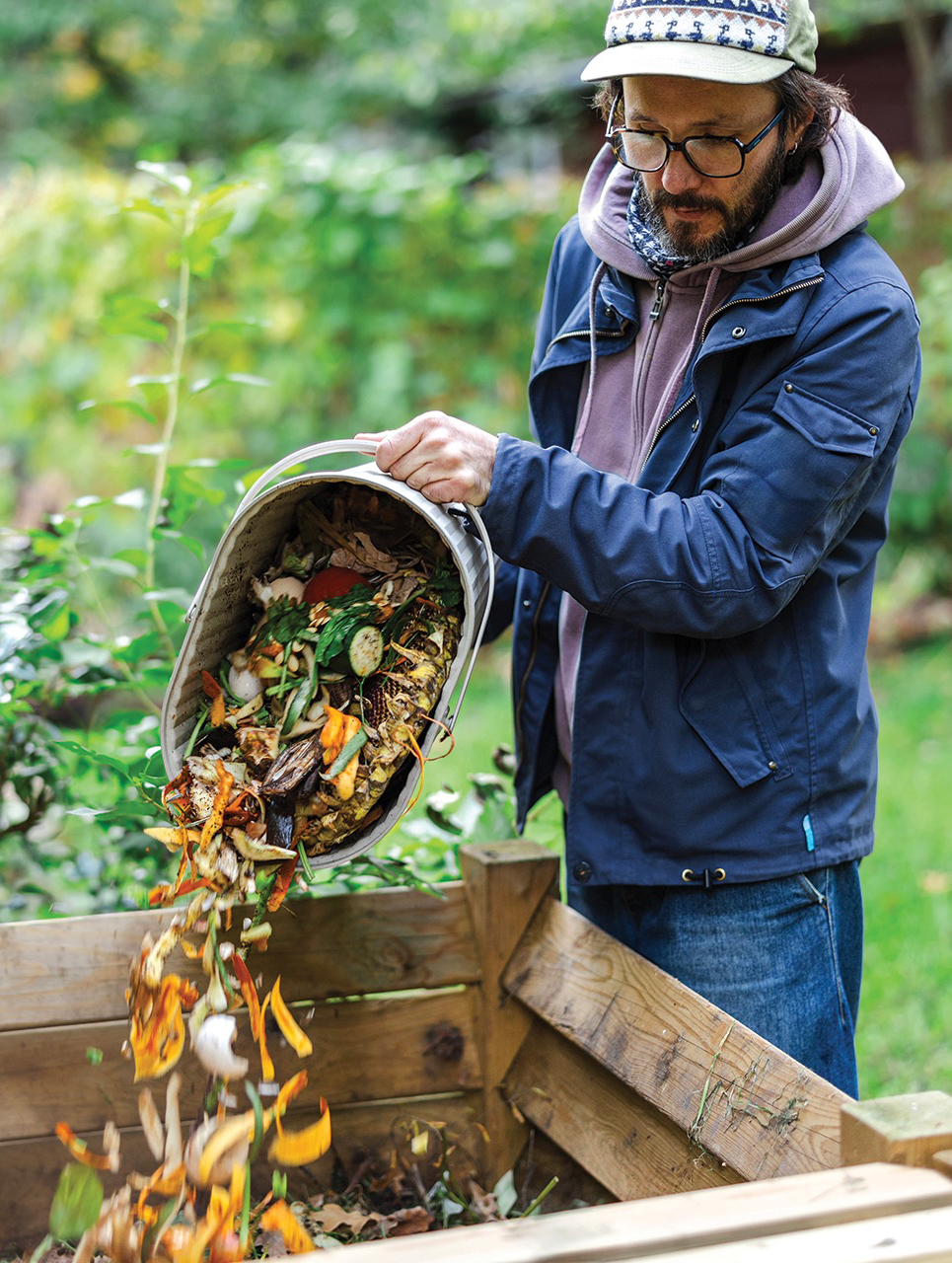
The most common way people compost is with a bin system. The classic system uses three bins (although I have seen people make do with two or one, depending on their setup). The idea is you build (or buy) a bin — think of a cube or other container — and you layer your greens and browns in it. Everytime you add material, you turn the material in the first bin with a shovel or pitchfork. When the first bin is full you move the contents to the second bin, and then move it back and forth between the other two bins until the first has filled up again. A single bin system would require you to be able to remove the material at the bottom of the bin.
The advantage of this method is that it is relatively simple and easy to make good compost. It is the method Bennett Compost used when we first started in a South Philly community garden 17 years ago. The disadvantage is that it is the most labor intensive of all the composting methods. It also requires an outdoor space and access to an adequate amount of browns (leaves, woodchips, shredded newspaper) to mix with your food scraps. If you live in Fishtown, maybe it’s not the right fit. If you are in Mount Airy or Fox Chase, this could be a great option.
A second way to compost is with a tumbler. A tumbler is an enclosed container that sits off the ground and spins, either by turning a crank or spinning with your hand. Tumblers can be purchased, or you can build them yourself. Tumbling mixes browns and greens together and ensures all parts are getting an appropriate amount of air. It significantly reduces the amount of labor needed when turning a pile by hand. If you only have one tumbler, you won’t be able to continue to add new food scraps and get finished compost out (because all the material is constantly being mixed together). You will need a second tumbler that you don’t add new material to, so you can rotate between the two or another kind of container that you add your food scraps (and browns) to while you are composting in the tumbler. Like the bin system, you need space for a tumbler and the browns. Depending on where you live, these could be at a premium.
A third way to compost is with vermicomposting. Vermicomposting involves obtaining a special kind of composting worm (red wigglers), building a home (worm bin) for them and feeding them your food scraps. Like other composting systems, worm bins can be purchased or built. Vermicomposting can be done indoors without a lot of space, and the worms make an incredibly rich compost. Vermicomposting requires patience and attention to detail. It is animal husbandry, after all, and the worms are living creatures that need to be cared for. Feed them too much, and the food will start to rot before they eat it. Feed them too little, and they will die. Additionally, worms are not able to handle as many kinds of food scraps — no garlic or onion peels, for example, as in other types of composting.
A warning to people considering composting: It can be addictive. There is something awe-inspiring about watching your food scraps transform into rich compost. A good reminder that anything society considers disposable — food scraps, people or ideas — can often have a beautiful second life building the future with a little love, labor, persistence and patience. Let’s get composting!