If you’ve been following energy news across the region, or even just looking at your electric bill each month, you know that rates are up. Again. Last year, PECO asked regulators for permission to charge you more while it reported $814 million in profit. Not revenue. Profit.
Here’s what that means in practical terms for your electric bill. The average residential rate has climbed steadily for years, and, due to the cost of maintaining or replacing aging infrastructure coupled with the intensely high energy demands from data centers, prices are climbing at a faster rate than they have in the past. This seems unlikely to reverse. Solar has always been a hedge against runaway prices, but the way you access that hedge has changed significantly in the last 12 months.
The tax credit is gone. Here’s what replaced it.
For years, the 30% federal Investment Tax Credit made the math simple: Install a system, get 30% back on your taxes. That credit expired at the end of 2025.
But the expiration of the tax credit didn’t kill solar economics. It changed them. And in some cases, it created better options for working families who didn’t have the tax liability to claim the credit in the first place.
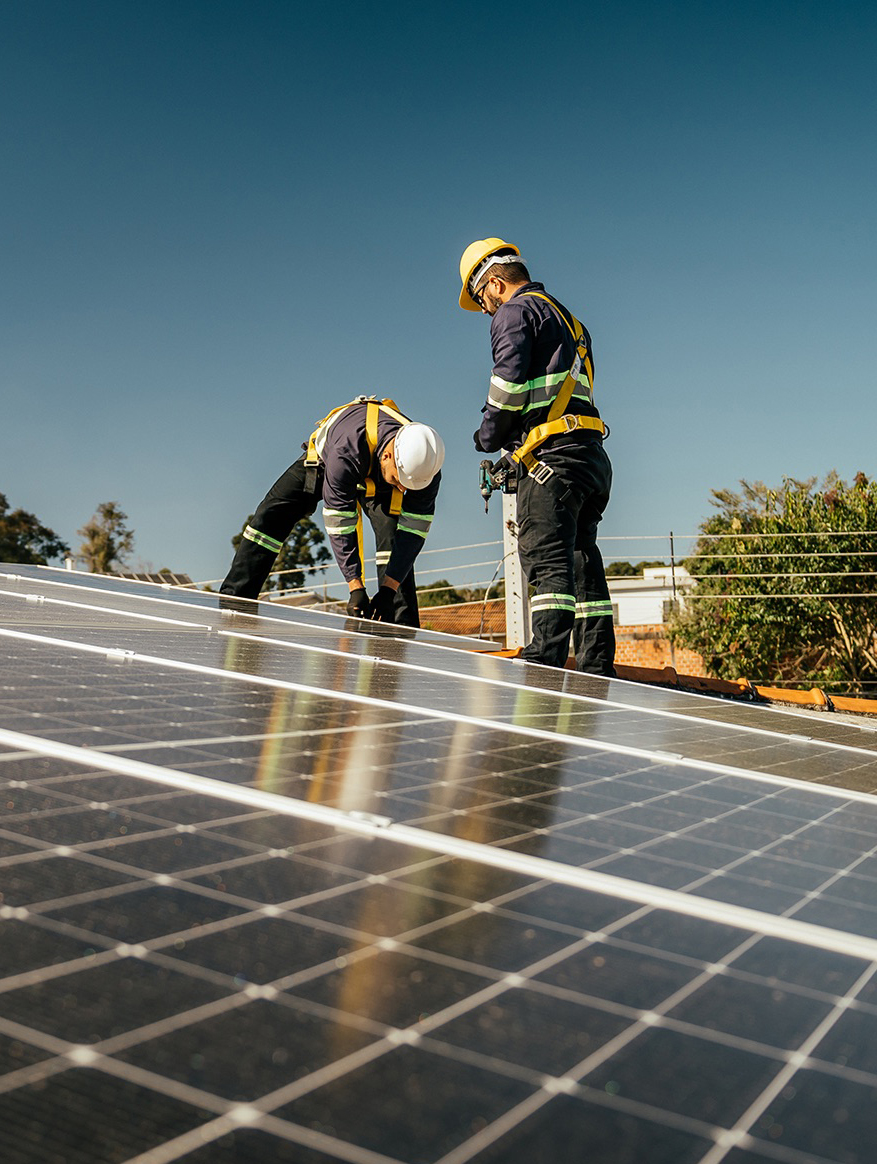
Today, there are three main paths to going solar:
1. Cash purchase. Still a great value proposition. Without the tax credit, the payback period is longer — roughly six to 15 years depending on your system size, roof, usage and a range of other variables. You own it outright, and every kilowatt-hour it produces is a kilowatt-hour you don’t purchase at the utility’s escalating rate.
2. Loans. Market rates are hovering around 9%. Candidly, without the 30% credit to offset the interest, loans don’t offer the same monthly savings story they used to. For some homeowners, it still makes sense. For others, the next option is better.
3. Lease. This is new for Solar States in 2026, and it’s the option I’m most excited about. A third-party provider installs and owns the system on your roof. You buy the power it produces at a locked rate that’s guaranteed to be lower than what you are currently paying the utility. You can lock in that rate for 25 years, no matter how high the utilities’ rates go. What’s so appealing about this option is that you avoid the less glamorous sides of ownership: upfront costs and maintenance responsibility. And because the tax credit situation didn’t change for third-party ownership the way it did for homeowners, lease providers can still offer very competitive pricing. Our lease options have been a game-changer for families who want solar but couldn’t justify the upfront investment.
So what should you do?
That depends on your roof, your bill and your financial situation. There is no one-size-fits-all answer, which is exactly why we’re hosting a free online presentation and Q&A on Wednesday, June 17, at 6:00 p.m. — a casual session where our team will walk through all of this in plain language, answer your questions live and help you figure out whether solar makes sense for your home right now. Just an honest conversation about what’s changed and what your options are in 2026.
Register at wattsupphilly.eventbrite.com. Bring your PECO bill and your questions. We’ll bring the answers!
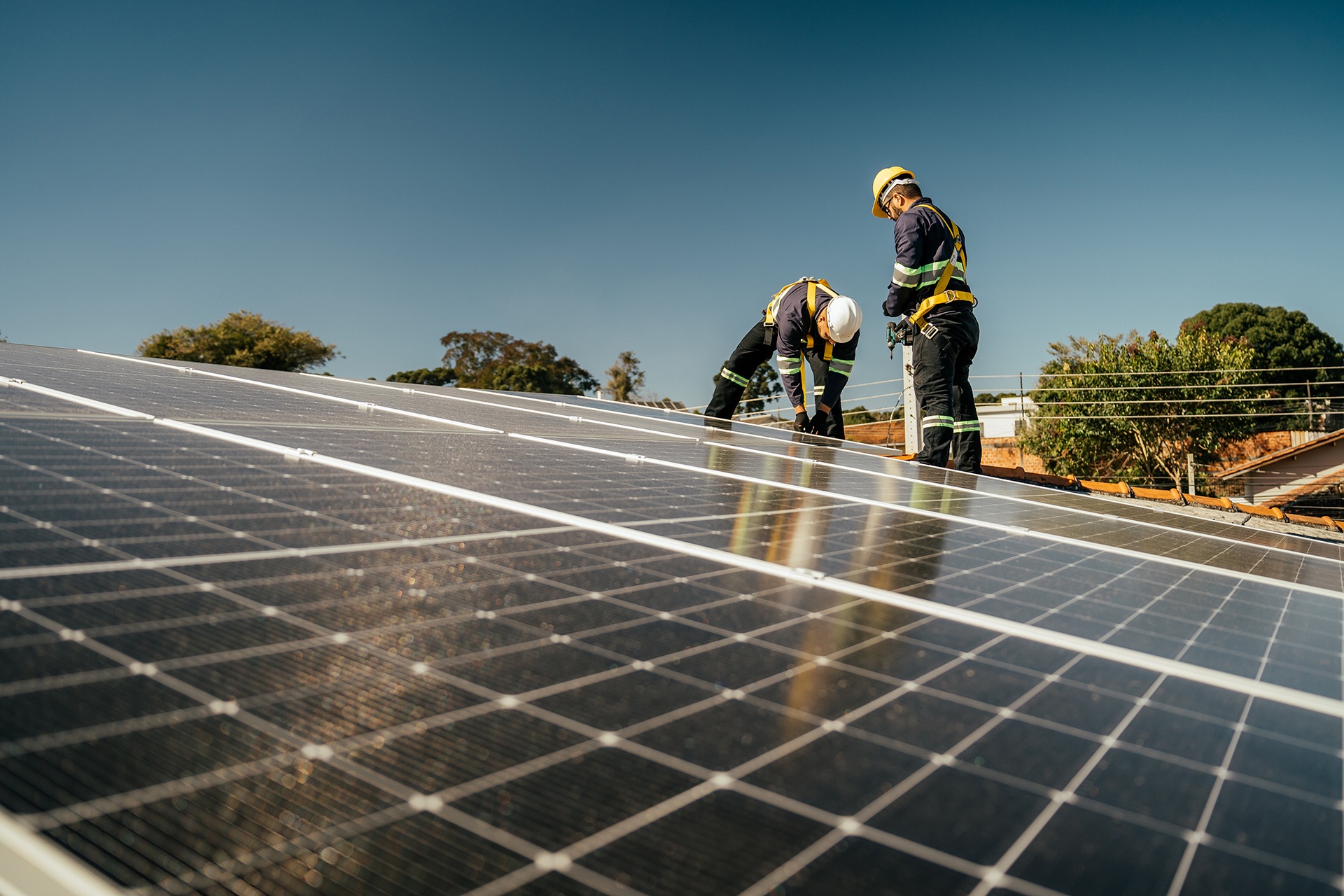
Micah Gold-Markel is the founder of Solar States, a Philadelphia-based solar and storage installer. Learn more at solar-states.com.