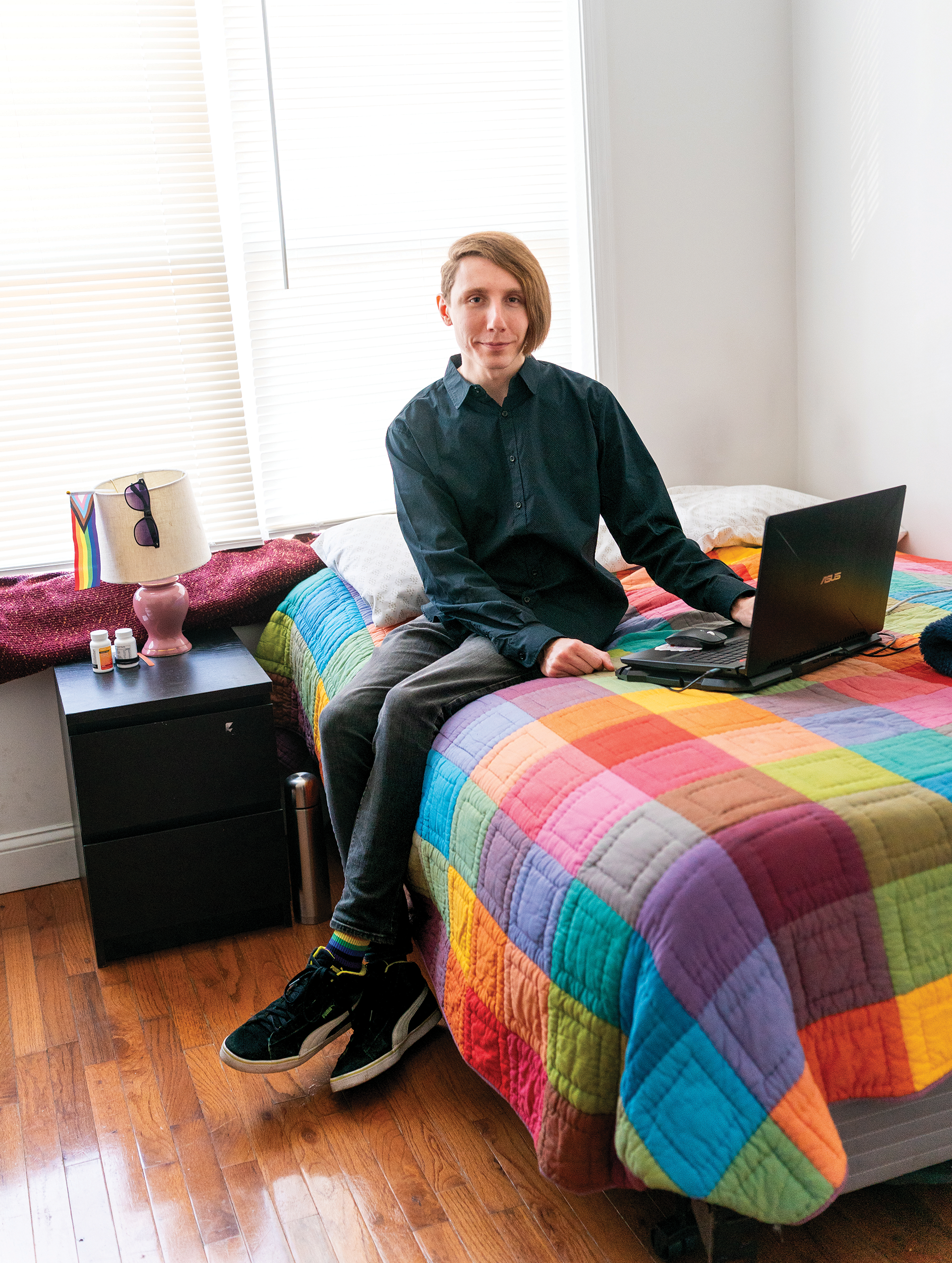
Within days of a police raid in the home he shared with his parents in Krasnodar, southern Russia, Ilia Chernov, 26, a computer programmer and system administrator, went into hiding. Over five years, “I was subjected to repeated questioning, threats, police surveillance and house searches due to my political views and activism,” says Chernov. A vocal critic of Russian President Vladimir Putin and a member of the Navalny Headquarters — a progressive group fighting for the release of the late activist Alexei Navalny, who died in prison under unclear circumstances — Chernov faced possible arrest.
Now, thanks to housing and services provided by Asylum Pride House (APH), Chernov has begun a new life in West Philly. Now, neither his politics nor his gender identity puts him at risk. “I am nonbinary,” he says. LGBTQ+ citizens in Russia risk persecution “for their mere existences,” says the Human Rights Campaign, the largest LGBTQ+ civil rights organization in the U.S. “Russian law prohibits demonstrations or [distributing] information about LGBTQIA+ people,” Chernov said.
In August 2023, Chernov escaped into neighboring Belarus. From there, he flew to Dubai, then on to Mexico, where he spent eight months waiting for an appointment with U.S. Immigration. At the San Ysidro-Tijuana border, U.S. Immigration and Customs Enforcement detained him. More than a year passed before Chernov reached Philadelphia to start a new life with the help of Asylum Pride House (APH).
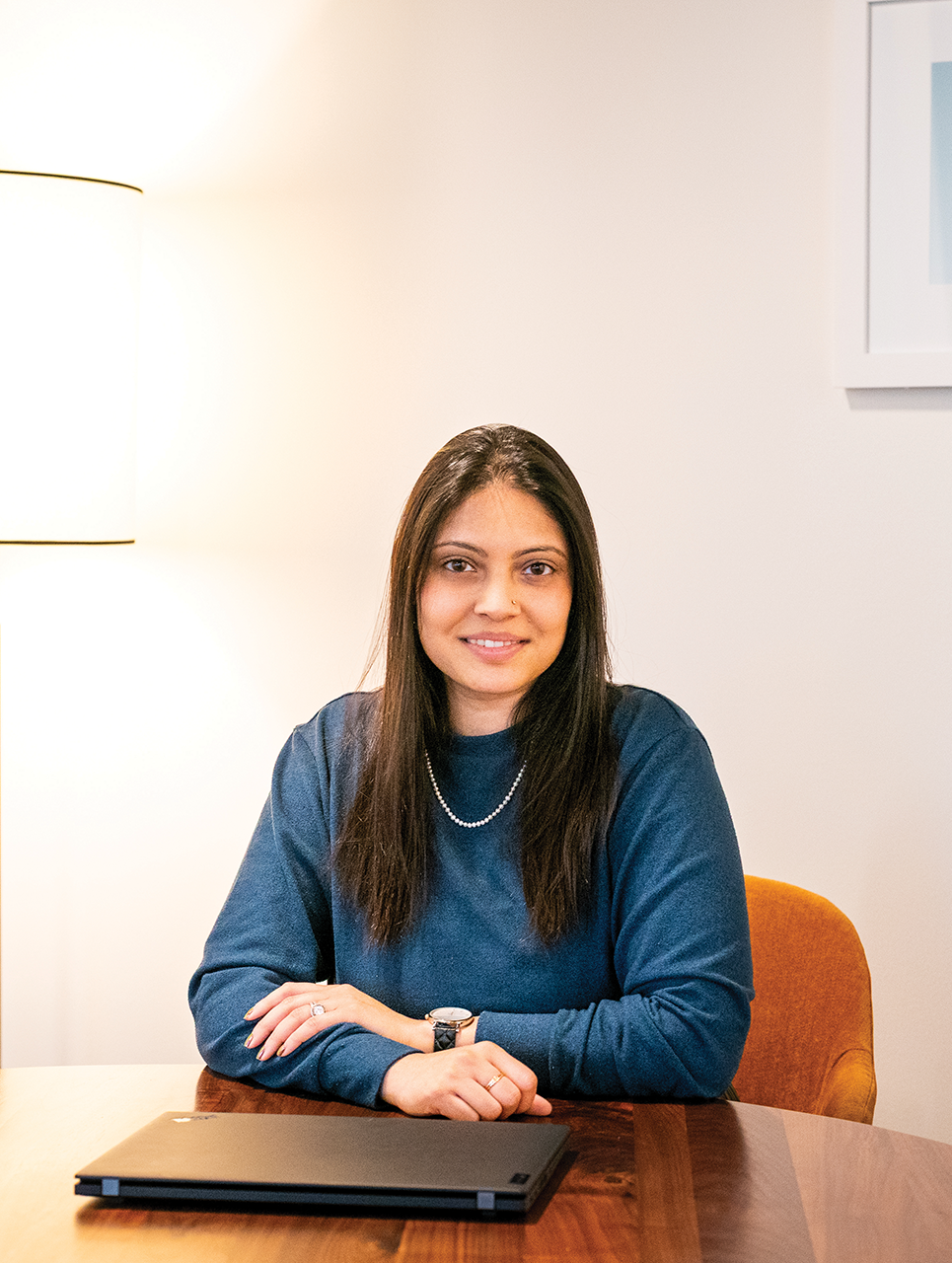
“We support LGBTQIA+ asylum-seeking immigrants through free housing and case management,” says Victoria Sirois, president of APH, a nonprofit she founded in 2022.
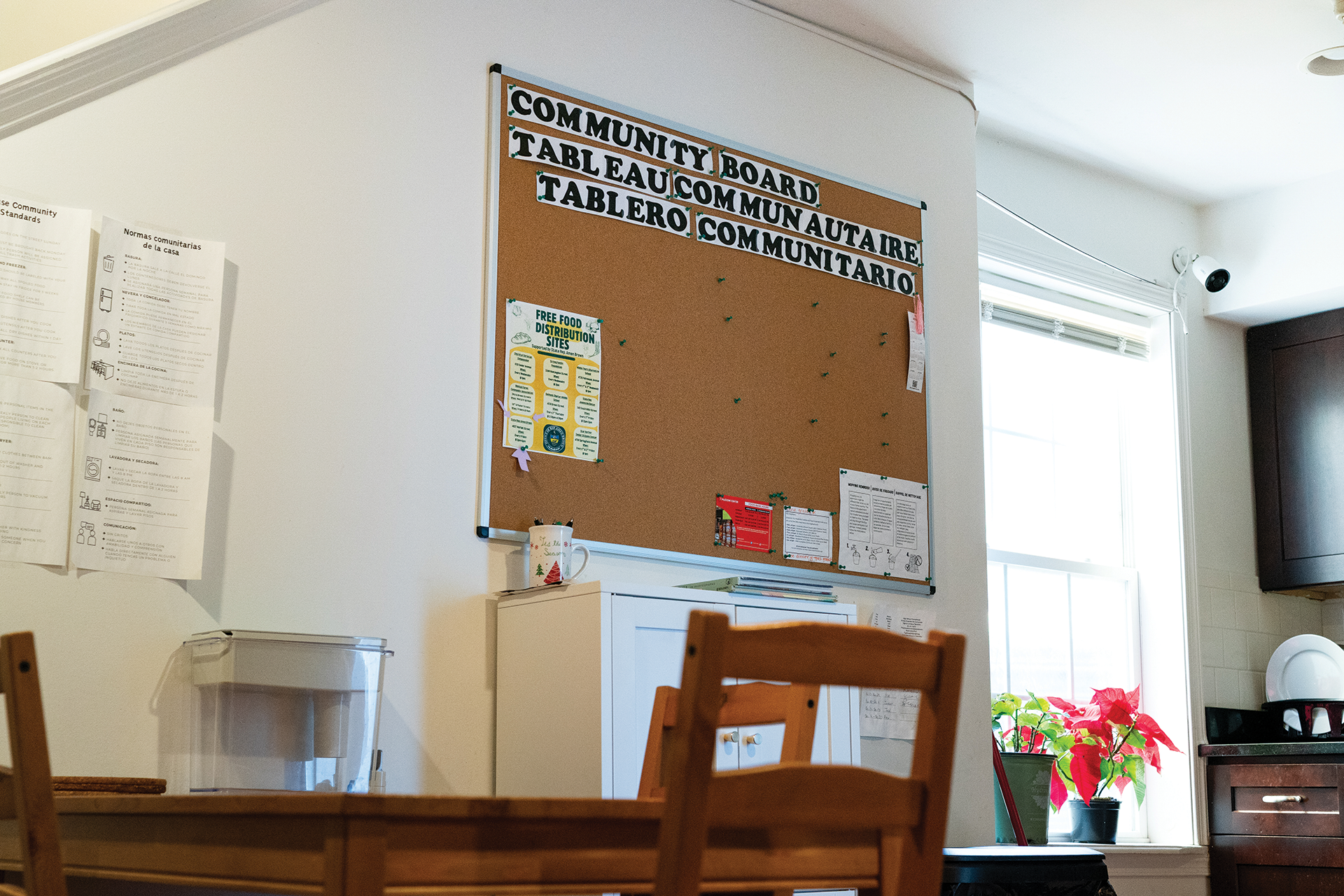
APH, which accommodates six residents at a time, always has a waitlist. Given the repressive laws in many nations, that comes as no surprise. Sixty-seven countries have laws criminalizing same-sex relationships, according to Human Rights Watch, a New York City-based nonprofit that exposes human rights abuses around the world. In 12 of those countries, including Afghanistan, Saudi Arabia and Nigeria, same-sex consensual intimacy is punishable by death, according to the Death Penalty Information Center.
In many nations, LGBTQ+ citizens live with constant fear. A July 2024 report by the Women’s Refugee Committee identified Mexico as “a particularly harrowing place” for LGBTQ+ individuals. “Violence against LGBTQIA individuals is pervasive in Mexico. And transgender women, in particular, face grave danger,” the report said.
Looming peril leads some individuals to flee their homeland. A 2022 report from the Williams Institute, a think tank at the University of California School of Law that researches sexual orientation and gender identity law and public policy, found that the majority of LGBTQ+ people seeking asylum in the U.S. came from Honduras, Guatemala and El Salvador, which have all seen declines in the acceptance of LGBTQ+ people.
Chernov had eluded Russian police, but his case with ICE dragged on. ICE transferred him from San Diego to a Mississippi detention facility for three months. From there, he was sent to the Winn Correctional Center, a men’s medium-security prison in Winnfield, Louisiana, to await the hearing about his petition for asylum. It took a year.
“Conditions at the detention center were very bad,” Chernov says. “It was cold because the air conditioning was always on full blast. Some of the food could make you sick and sometimes there wasn’t enough. Water flowed yellow out of the taps. There were two showers and two toilets for 50 men.”
Staff from the American Immigration Council (AIC) helped Chernov get ready for court, but he had already managed to do much of the work on his own. “At the detention center everything is designed to prevent people from preparing for court on their own,” he said. “However, the AIC approved my work and helped me find a representative for my court case.” The judge granted Chernov asylee status. AIC, which partners with Asylum Pride House, referred him there upon his release in July 2025.
Finally, [at APH], I was able to sleep on a soft mattress in silence.”
— Ilia Chernov
Chernov endured a 44-hour bus ride from Shreveport to Philadelphia. “I was extremely tired when I arrived,” he recalls. “Finally, [at APH], I was able to sleep on a soft mattress in silence.”
When residents first arrive, Sirois says, “since most people have traveled long distances or left terrible places, or both, they need to decompress to feel that they have started a new life.” APH has hosted residents from 20 countries since it began accepting them in September 2023. Residents speak English, Spanish, Uzbek and other languages. “They live in an apartment and are assigned to one of five lockable bedrooms. They have access to bathrooms, a kitchen, living room and workstations. APH also provides essentials like grocery cards, clothing, travel passes and hygiene kits,” Sirois says. There are plans to purchase a new space in 2026 and double the housing capacity to 10 to 11 residents in 2027.
Most residents stay from six months to a year. They must participate in APH’s individualized case management that prepares them for independent living. “It’s a holistic program that includes medical clinics, legal support, career development, work permits and ESL classes,” says APH social worker Louisa Benatovich. In some cases, residents need attention for medical conditions exacerbated by travel or conditions in detention centers. “If they have been trafficked or suffered other trauma, they receive counseling for their emotional health,” Benatovich says.
Residents’ backgrounds and the training they seek vary. “Some arrive with degrees in filmmaking and other fields, while others seek training in marketing, culinary skills, hairdressing, programming, legal matters and English,” Sirois says.
Chernov had a head start with English. “I began learning English at the detention center, but now I have my own books,” he says. “I also needed a work permit, a Social Security card and a driver’s license. They also help me prepare for a new life by explaining housing and work possibilities,” says Chernov, who would like to get a job as a system administrator.
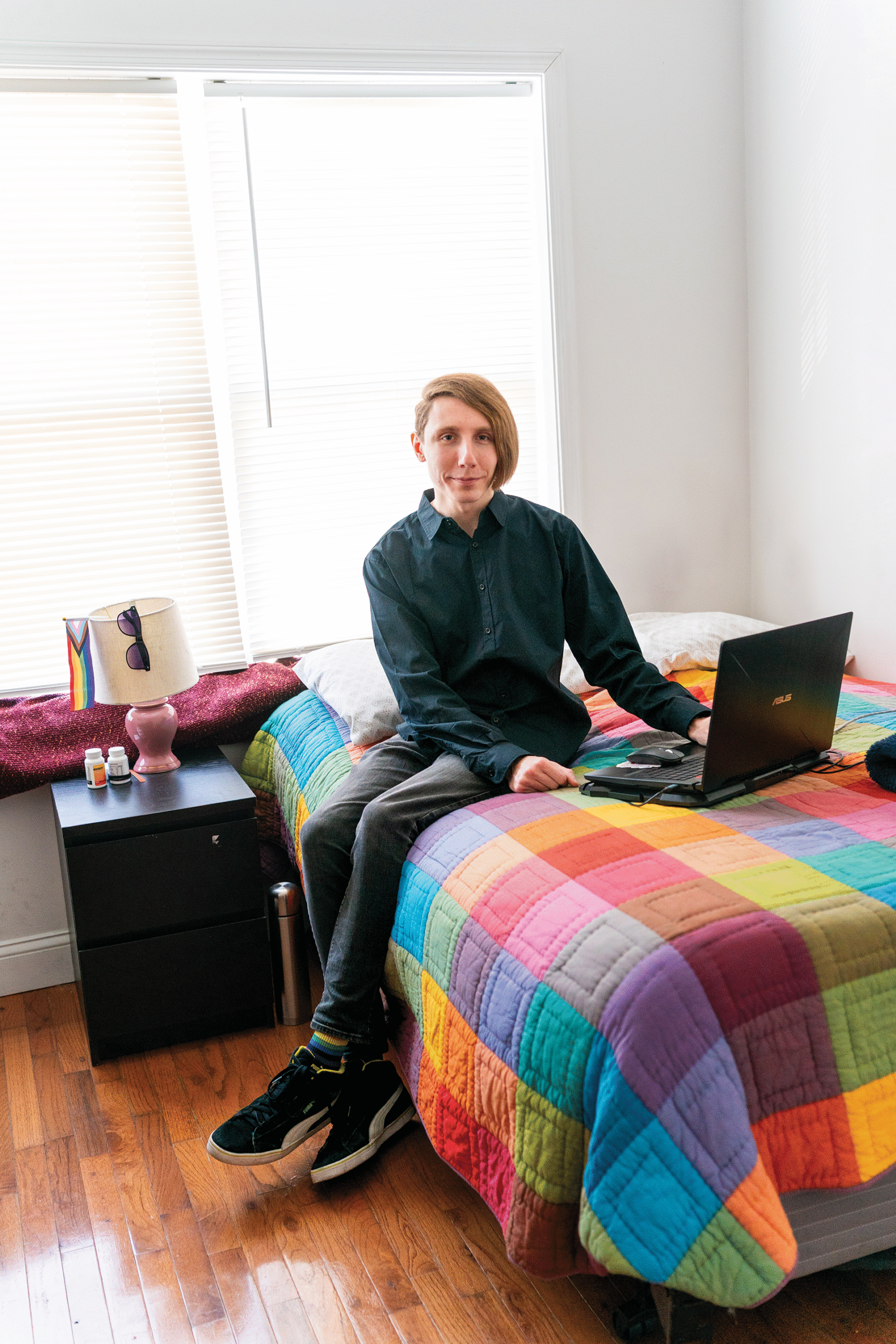
A range of activities go beyond the basics, helping residents familiarize themselves with the city, build community and trust, and have fun. “We have nutrition and cooking classes, yoga, dance classes, as well as workshops on budgeting,” Sirois says. “Healing-centered outings include trips to the zoo, the art museum, pottery classes and the Clark Park Farmers Market.”
Volunteers, and now interns, allow APH to broaden its program. “I was eager to work with LGBTQ asylum seekers,” says Nicole Ru, a medical student at Drexel University. Internships began this year, but APH has always had volunteers. “We planned a lot of health and well-being events, including a health fair and a trip to the Mazzoni Center, a comprehensive LBGTQ health and wellness center.”
Five months into his APH stay, Chernov sometimes finds himself champing at the bit. “Obtaining documents turned out to be much slower and more complicated than I expected,” he says. “I am also a little upset by the unexpectedly high housing prices.” He is reworking the personal budget he’ll follow when he leaves APH to factor in the higher cost.
Now, Chernov brims with optimism. “The energy of the city gives me hope,” he says. “There are so many friendly people. I am … very impressed by the natural beauty combined with the city’s architecture. There are enormous opportunities [here] for growth and fulfillment.”
Asylum Pride House, funded by foundations and individual donors, welcomes volunteers and donations. For details, visit asylumpridehouse.org