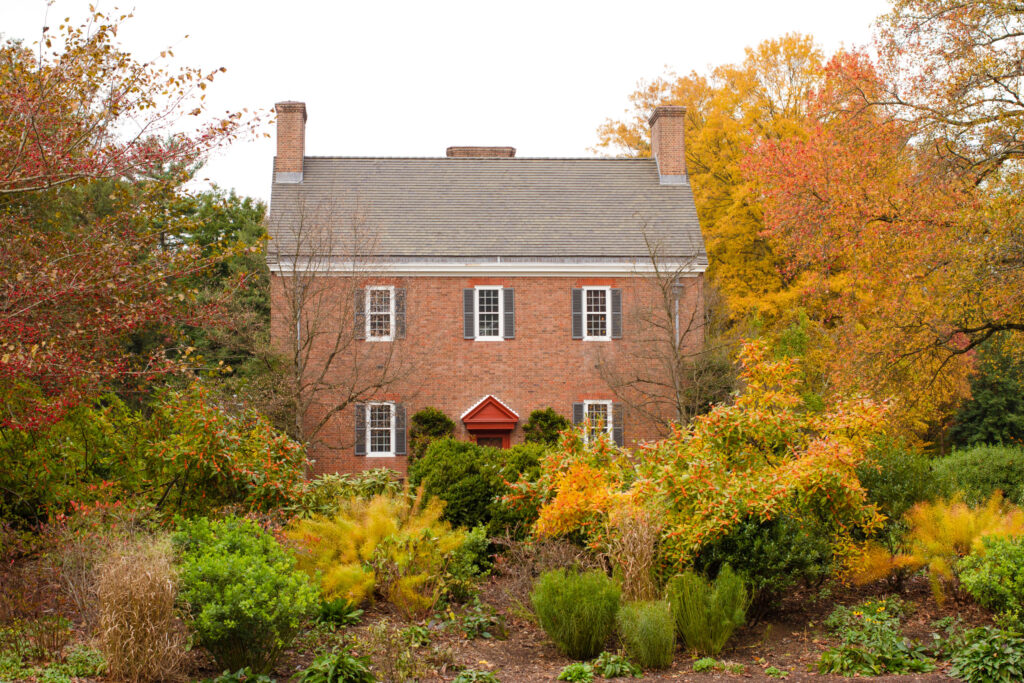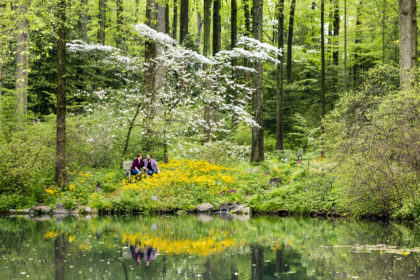
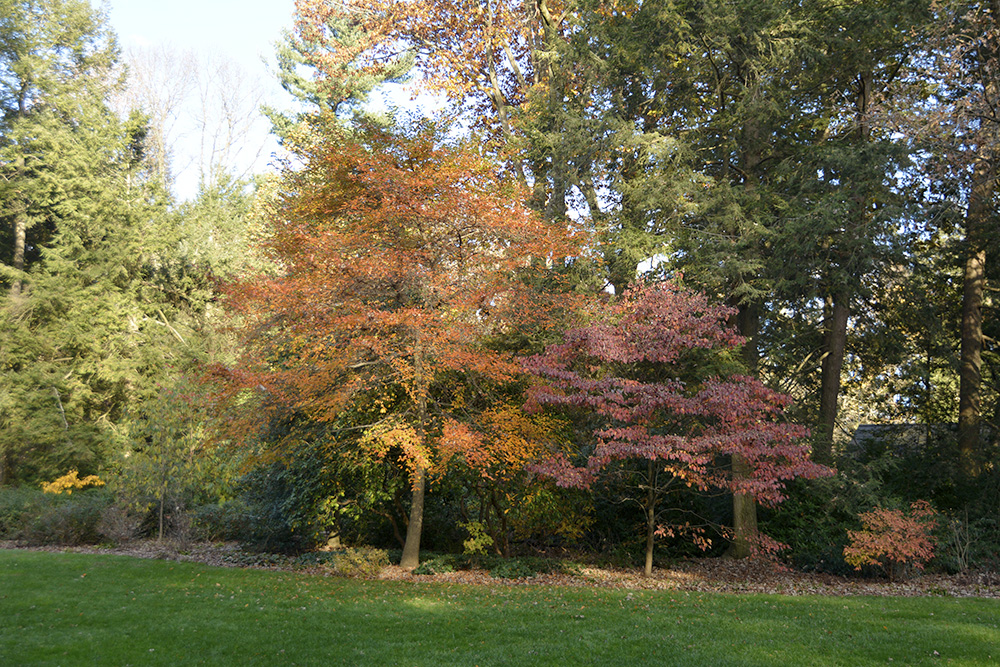
The woodland edge is crucial for protecting forests and providing habitat to wildlife. With increased fragmentation due to development, these habitat islands are now a common feature of suburbia. Discover what plants stabilize the woodland edge and maximize value to wildlife, and how we can use our own backyards to resemble this important habitat. This
MoreFrom spectacular seed heads to excellent exfoliating bark characteristics, hear about the plants that continue the garden highlights through the late fall and into the winter. Be inspired to go beyond the blooms and add plants to your garden that provide interest throughout the year. This program takes place in-person at Mt. Cuba Center Saturday,
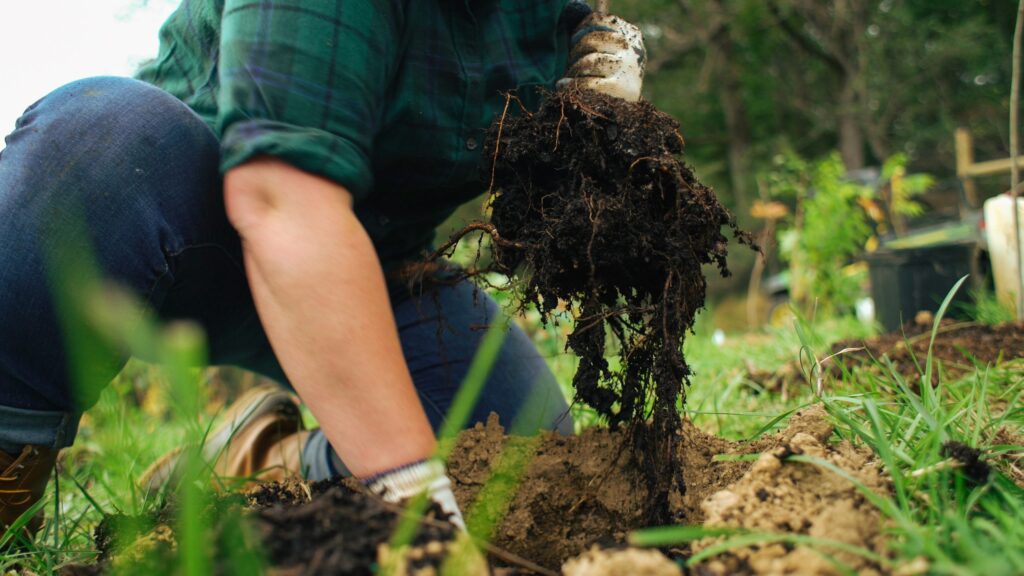
MoreThe secret to beautiful gardens is buried in the soil. Learn ways in which native plants rely on the work of an underground network for their vigor and beauty. Discover how to revitalize your garden by supporting important bacteria, fungi, and microorganisms-creating happy, healthy, living soil! This program takes place in-person at Mt. Cuba Center
MoreDiscover how to garden in harmony with nature and select the best native plants for your yard. Spring is a season of beauty and conservation. Join us for the day and attend all four classes or register for individual sessions. Supporting Your Plants with Garden Structures: 10 – 11 am Planting Native for All Seasons:
MoreTransform your garden beds by replacing traditional mulch with a vibrant layer of native groundcovers that provide both beauty and ecological function. Learn how selecting the right mix of hardy, regionally appropriate species can reduce maintenance, suppress weeds, support wildlife, and create a dynamic spring and early summer display. Explore attractive, durable, and versatile groundcovers
MoreShaded gardens can be some of the most captivating spaces—when planted with species that truly thrive beneath mature trees. Learn how to assess the different degrees of shade in your landscape so you can confidently select plants that will flourish in these often-underused areas. Join renowned Ornamental Horticulturist, Duncan Himmelman to discover a diverse palette
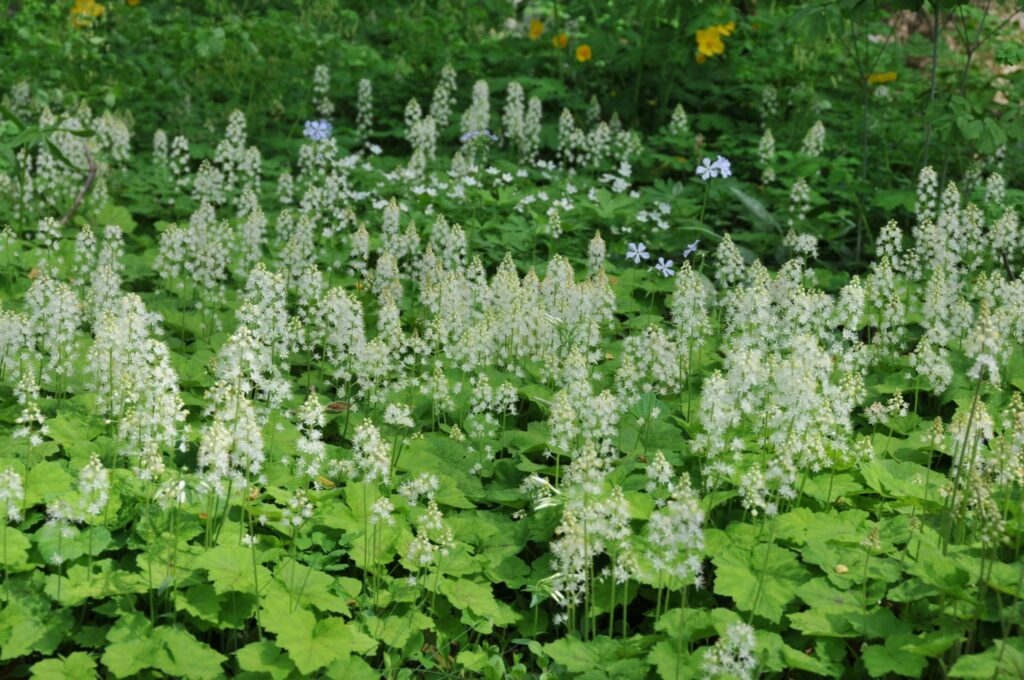
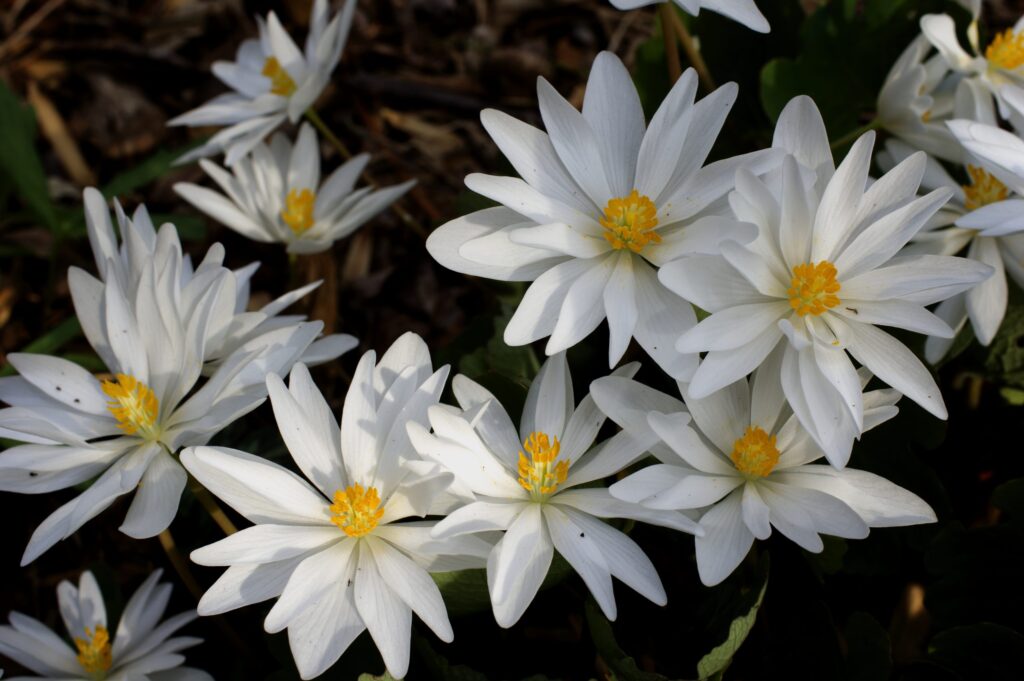
MoreSkunk cabbage, bloodroot, and trout lilies are among the first signs of spring and warmer weather ahead. Spring ephemerals and wildflowers must complete part of their life cycles before the tree canopy leafs out, reducing light levels at the forest floor. These plants face many challenges, including unpredictable weather and pollinator availability. Spring wildflowers have
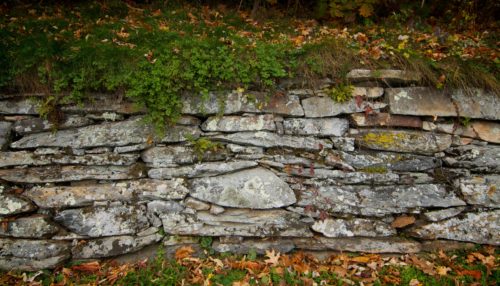
MoreAre you interested in building stone walls in your garden? This one-day workshop introduces you to basic mortar-free masonry techniques. Start with a classroom introduction to the fundamental steps involved in stacked-stone wall construction, then get some hands-on instruction in setting stones on site. Bring work gloves, safety glasses, a water bottle, and lunch. This
MoreDisregard traditional design rules and adopt a new approach to garden design. Look to nature for your inspiration. What clues can you take from your landscape to help your site thrive? Learn to evaluate sunlight, moisture, soil and other factors to encourage a successful garden that does not require many inputs in the way of
MoreScientific names offer precision and accuracy when identifying plants, but they can also intimidate even the most seasoned gardener. Élan Alford, Mt. Cuba’s conservation scientist, breaks down the various components in a Latin binomial, including why plants are named in this way and what a Latin name can teach us about a plant. This introductory
More