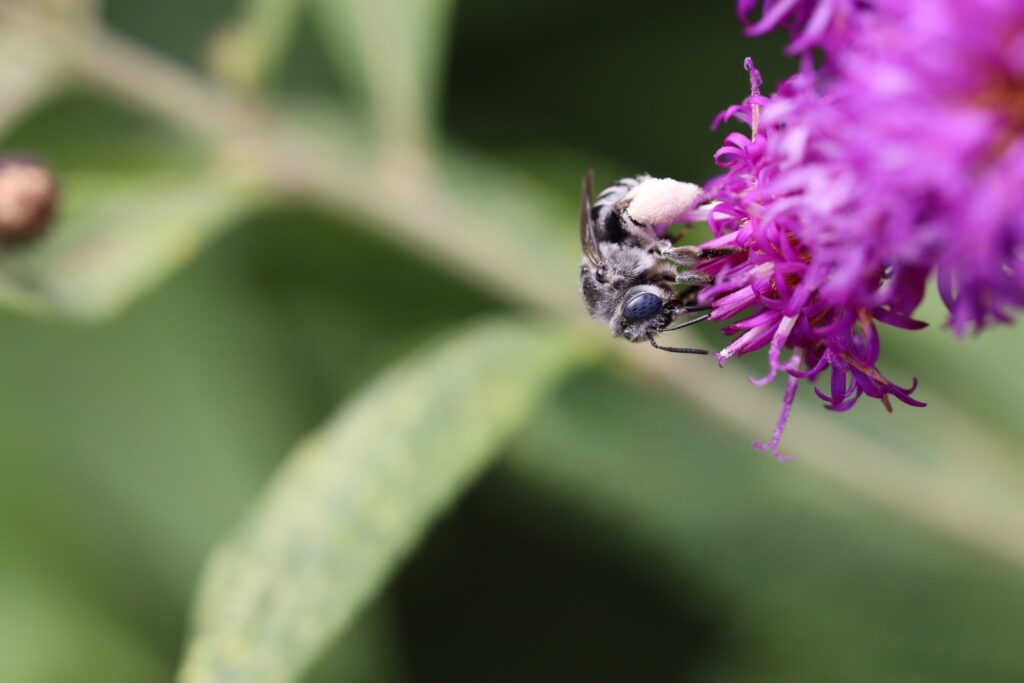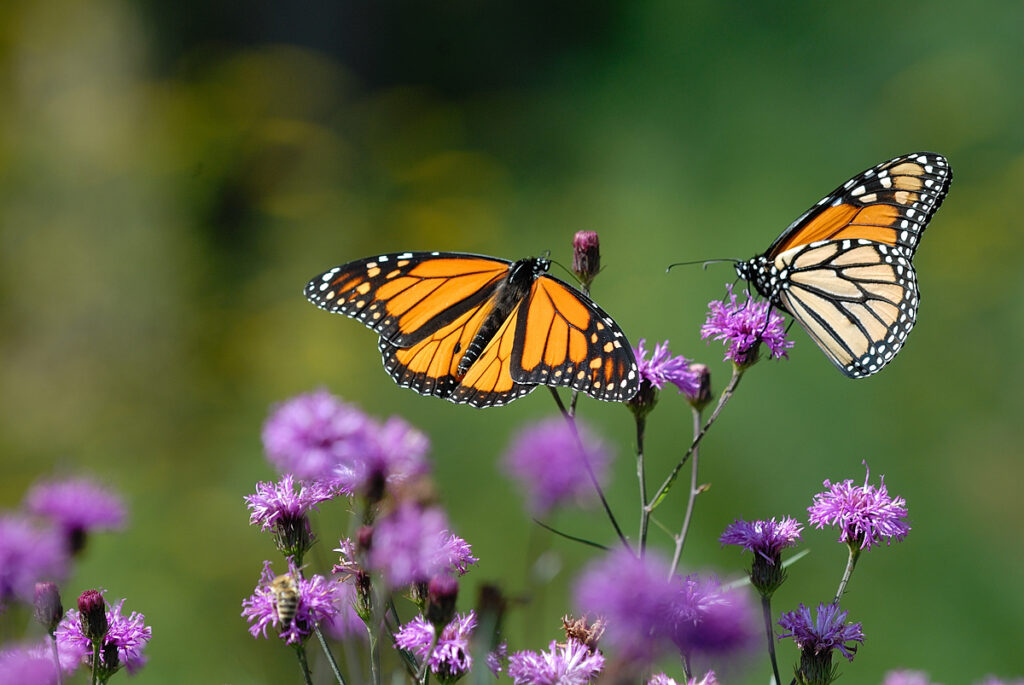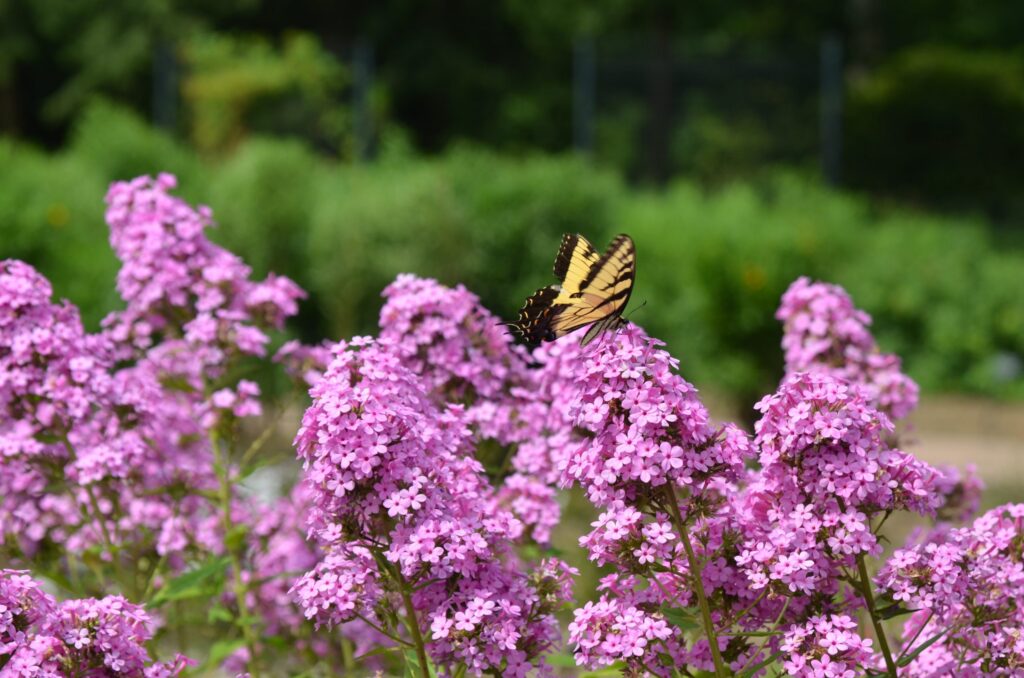
Specialist pollinators need our help more than ever. While generalist bees and butterflies can use a wide range of plants, many caterpillars, bees, and other insects rely on very specific native species for food, shelter, and reproduction. When those plants disappear from our landscapes, the pollinators that depend on them disappear as well. In this
MoreSpecialist pollinators need our help more than ever. While generalist bees and butterflies can use a wide range of plants, many caterpillars, bees, and other insects rely on very specific native species for food, shelter, and reproduction. When those plants disappear from our landscapes, the pollinators that depend on them disappear as well. In this
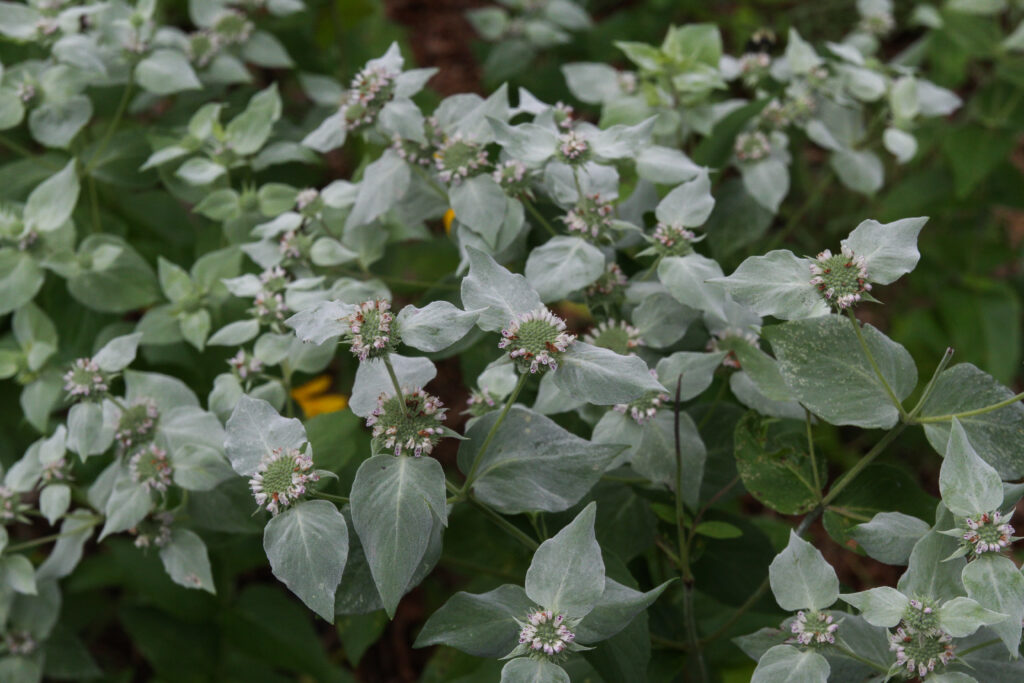
MoreExplore native plant allies that can help outcompete invasive species and bolster biodiversity. This interactive class will equip you with the confidence to confidently tackle tenacious introduced species without chemical sprays. One lucky participant will be gifted a “Native Plant Ally” kit, equipped with native landscape plants to help launch your next restoration project! This
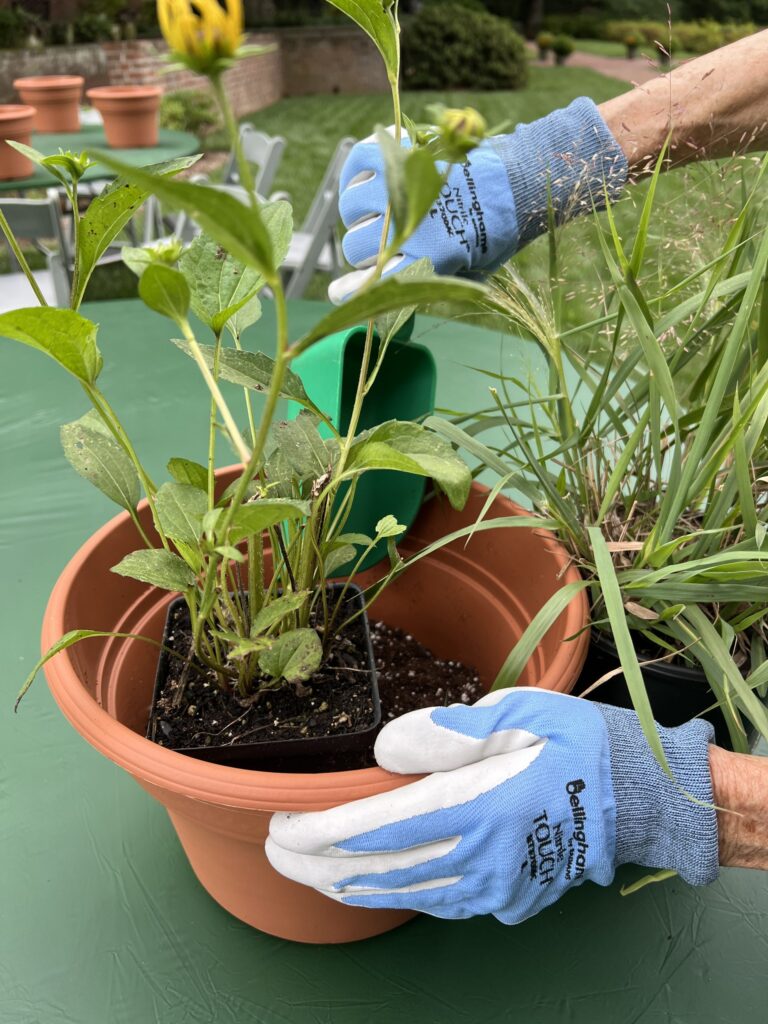
MoreJoin Kathleen Elliot and other Mt. Cuba experts as they share design ideas and techniques behind our signature native plant displays. Discover how stunning and sustainable a container garden can be when it’s designed with native plants. In this hands-on workshop, you’ll create your own one-of-a-kind, vibrant container that supports local ecosystems while adding season-long beauty
MoreJoin Sam Hoadley, Mt. Cuba Center’s Manager of Horticultural Research, for a deep dive into the controversial and complicated world of nativars. Get a crash course on what makes a cultivar a cultivar and learn about which cultivars may, or may not, be beneficial for wildlife and where and when cultivars may be most appropriate
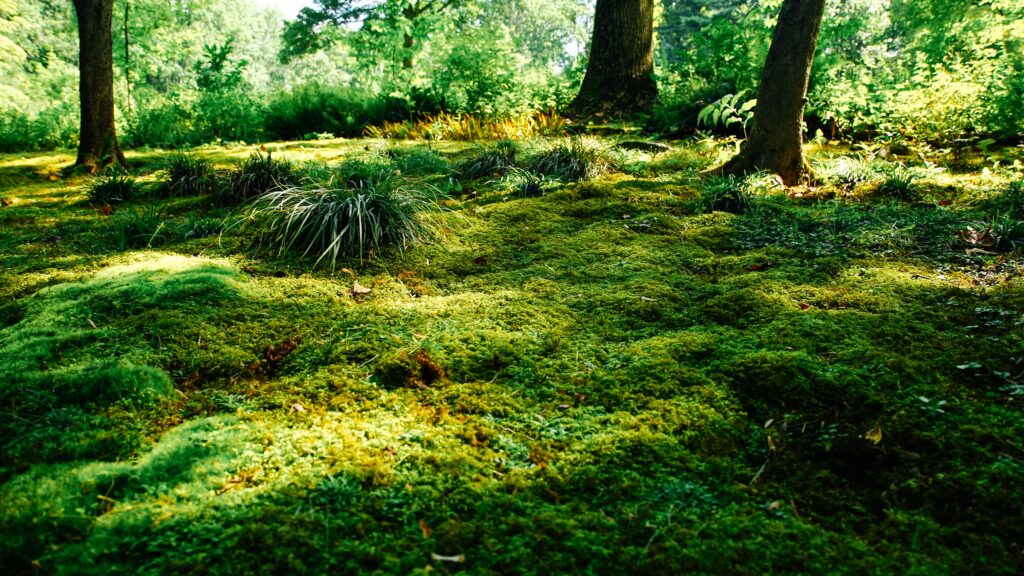
MoreStep into the quiet magic of mosses; some of the most ancient, resilient, and enchanting plants on Earth. You will be introduced to the structure, life cycle, and ecological benefits of moss communities. Your instructor, Trevor Schulte, will lead you through best practices for identifying, selecting, ethically collecting, propagating, and caring for mosses in a variety
MoreNative annuals are rewarding yet often-misunderstood groups of plants in ecological horticulture. In this engaging class, uncover the beauty, versatility, and ecological value of these short-lived garden gems. Explore how native annuals contribute vibrant seasonal color, support specialist pollinators, and fill unique design niches that perennials can’t always reach. Perfect for gardeners, designers, and native
MoreNaturalistic garden design supports wildlife and the environment by creating diverse, integrating plant communities, but it can be complicated to manage these gardens over time, an approach that lies at the heart of Mt. Cuba Center’s horticultural practice. Within these landscape designs, plants are allowed to interact, compete, and evolve, revealing both the beauty and
MoreMt. Cuba’s Propagation team produces plants for our gardens, nursery industry research, and regional conservation partners. Join Lindsey Laban, Mt. Cuba’s Conservation Propagator, in the classroom as she shares her experience purchasing and growing on plants from seed. Learn the basics of seed biology, germination, and storage. In this immersive workshop, learn techniques like scarification,
MoreThese little flying mammals are great hunters of insects, eating more than 600 mosquitoes per hour! Learn about the eight species of bats native to Delaware, where they live, and how to include suitable shelters and landscape elements for bats in your yard. Explore the key role these diminutive and often overlooked species play in
More