
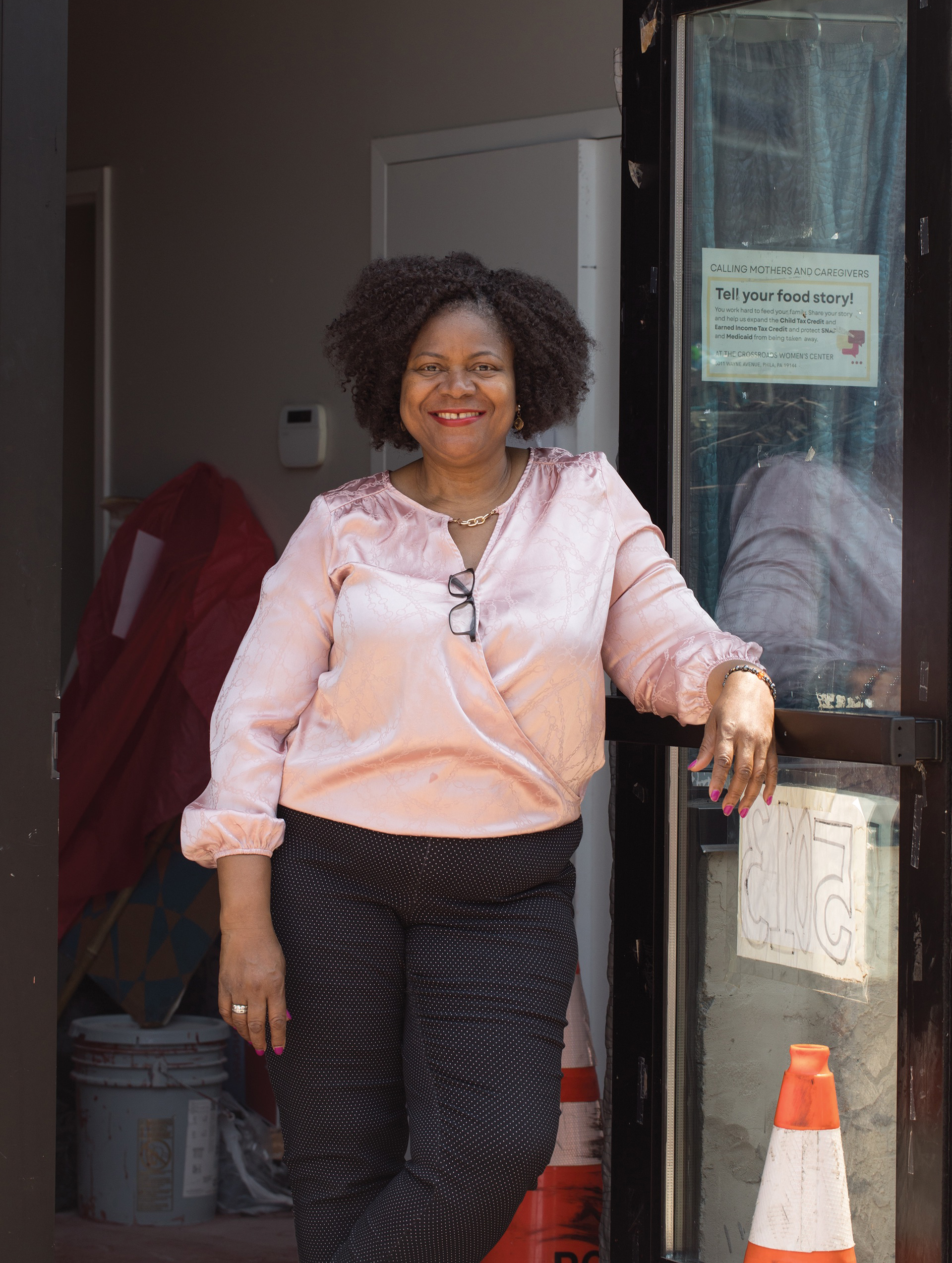
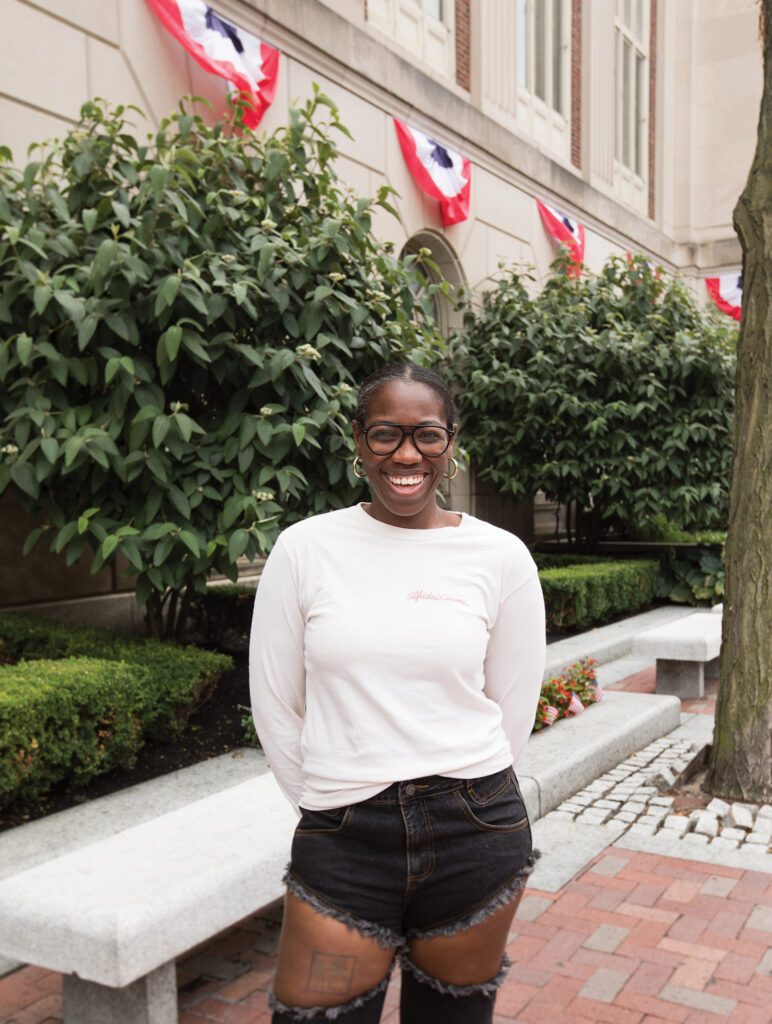
When a fellow volunteer at the Crossroads Kitchen Project announced that she didn’t like rice, Philipa Laster sensed a challenge. Laster, a native of Nigeria, grew up eating rice every day. She began thinking about a dish that would change her colleague’s mind. Masa cakes, a traditional northern Nigerian food that Laster’s mother made weekly, offered an opportunity to showcase a tasty variation on the plain steamed or boiled rice her co-worker disdained as “poor people’s food.” But it was her aunt’s recipe, slightly modified, that helped Laster win first place in the 2026 Crossroads Kitchen Community “Vegetarian Rice and Beans” cookbook contest.
“My reason for being in the competition was to show people there are different ways to make one certain food. I am strongly connected to the nutritional benefits of food rather than (just) the filling parts of food,” Laster says.
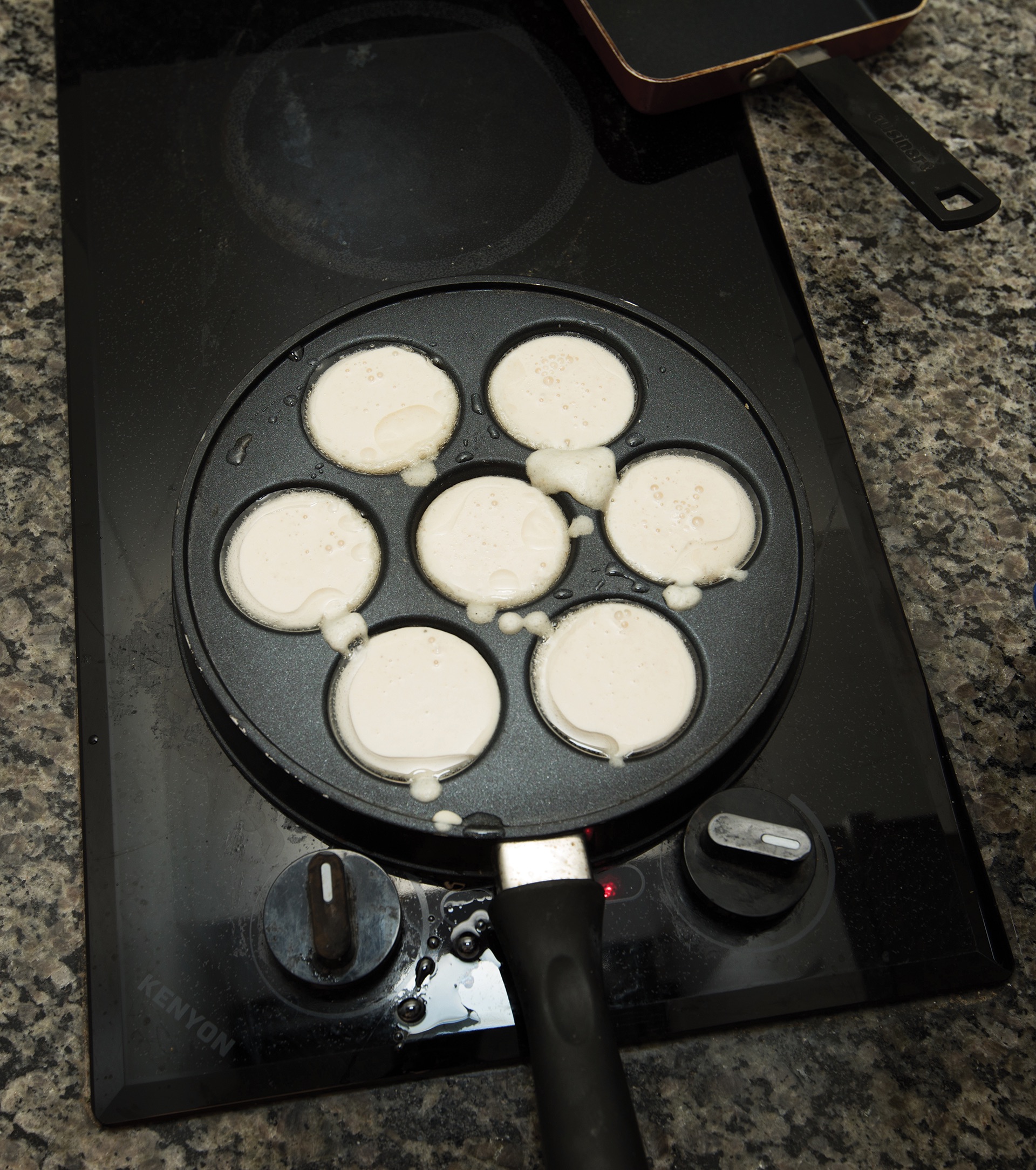
She also cherishes her deep connection to food as a tribute to the women who shaped her life. Laster’s mother served her family masa as both a snack and a meal, but her aunt, with whom Laster lived while attending college in northern Nigeria, ran a small food business. An outdoor woodstove in the front yard enabled her to sell masa and bean cakes to passersby. Laster recalls that her aunt gave so many cakes to hungry schoolchildren that she laughingly questioned whether her aunt was running a business or a charity.
Food is the main part of a healthy life. Everything starts with what we eat. Food can make you completely whole.”
— Philipa Laster
Although Laster earned a degree in engineering in Nigeria, her ambition has always involved caregiving. She attributes her interest in health and wellness to an early childhood experience. Shortly after Laster was born, her father suffered a stroke. Her mother placed the 3-month-old in bed with him during his recovery. “I was a motivational baby,” Laster jokes, saying her presence gave her father the inspiration to get stronger.
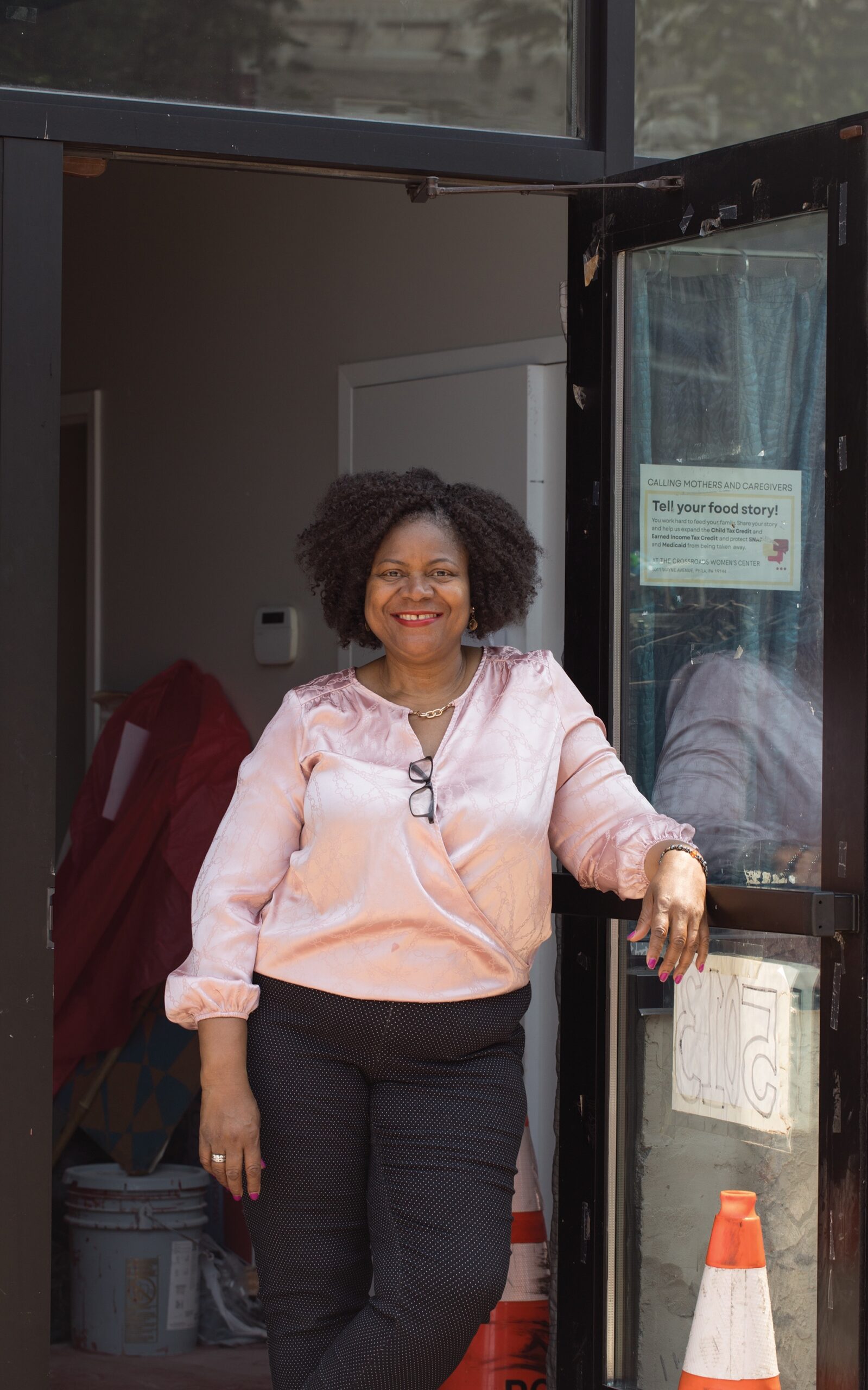
A glance at Laster’s résumé shows how much she has accomplished since moving to the United States 13 years ago. While raising two children, she became a certified nursing assistant, and after completing a Harvard Medical School Executive Education health and wellness program in 2024, she took on a freelance role as a motivational speaker and ambassador for healthy lifestyles and sustainable nutrition. “Food is the main part of a healthy life. Everything starts with what we eat. … food can make you completely whole. Food is something people share when they are happy and also they go to when they are sad. Celebration is food.”
Laster initially planned to move to Virginia, but while attending a funeral there, she met a woman who told her about Philadelphia. Laster liked the way the city sounded, “just like my name Philipa,” so she rerouted and settled here. In her small home garden in Olney, Laster grows a few African vegetables, and she is quick to rescue the dandelions from a neighbor’s yard. “We spend a lot of time on Earth either making food or eating food. I love cooking so much, and I am always searching for nutrients,” she says. “When people ask me how I get so much done, I tell them I have 48 hours in my day.”
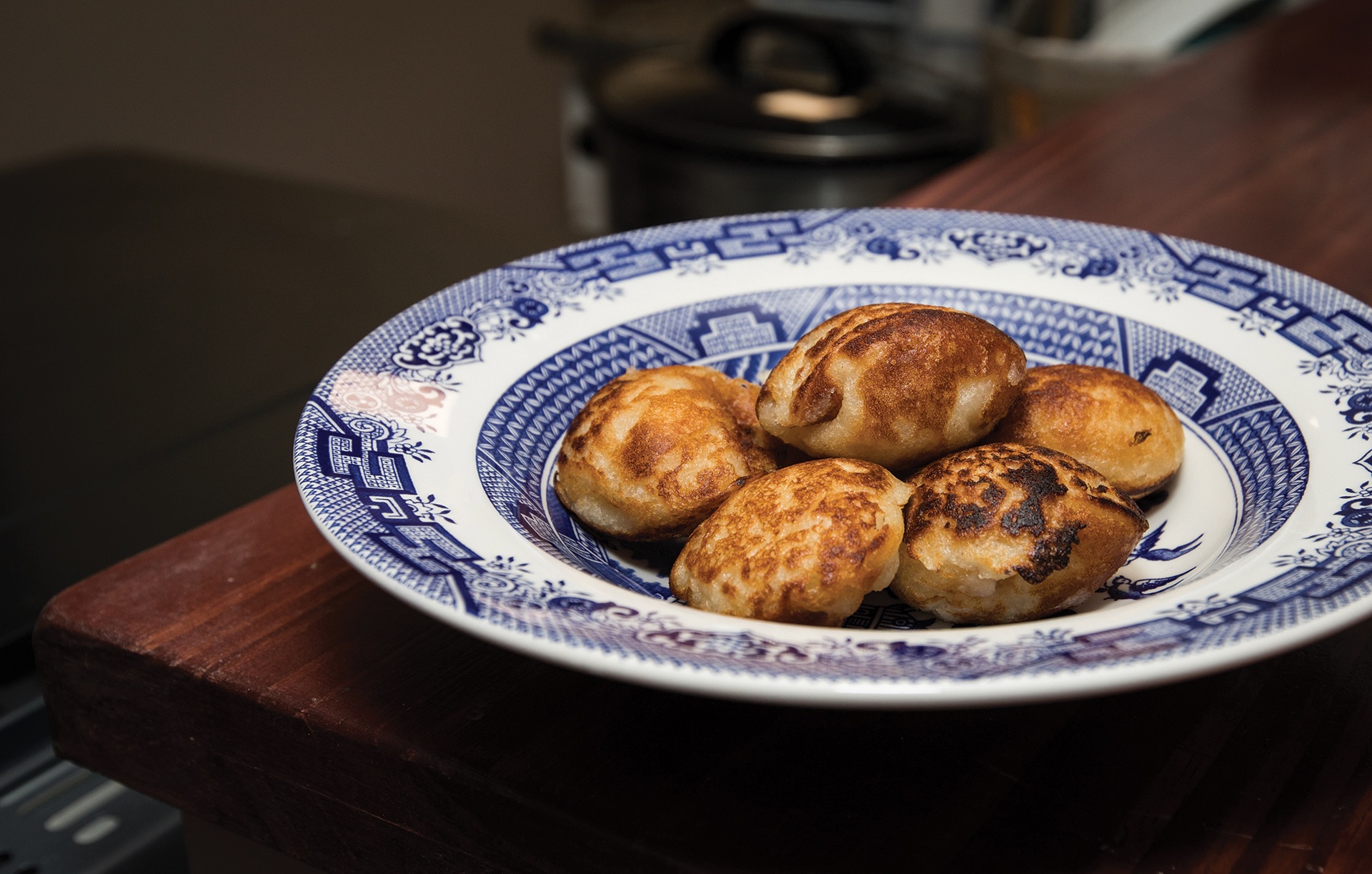
Nigerian Masa Cakes
Makes approximately 20 cakes
These cakes are very versatile. You can adapt the ingredients to make them sweet or spicy, plain, fermented like sourdough or stuffed with vegetables such as minced broccoli or other greens. Don’t be daunted by the long prep time. Once the rice has soaked and the batter has risen, the recipe comes together quickly.
Ingredients
1 cup raw short-grain or tuwo* rice
½ cup cooked short-grain or tuwo* rice
Water
cup sugar, or to taste
¼ teaspoon yeast
teaspoon baking powder
teaspoon salt
Vegetable oil, for frying
Equipment
Nonstick frying pan
Round molds, such as cookie or biscuit rings
Blender
- Thoroughly rinse the raw rice, then soften it by soaking it in water to
cover for 8 hours or overnight. - Drain the rice and combine it with the cooked rice in a blender. Blend into
a smooth paste, adding a splash of water if needed. - Pour the batter into a bowl and stir in the salt, sugar, yeast and baking
powder. Mix well. - Cover the bowl with a clean towel or plastic wrap and let it sit out at room temperature for 2 to 4 hours or until doubled in size. The fermented batter should be bubbly and airy at this stage.
- Mix well then drop small amounts of batter into a well-oiled pan over
medium-high heat. - Fry for 2 to 3 minutes on each side, or until golden brown.
Serve the masa cakes warm with a traditional Nigerian soup like Miyan Taushe, with hot sauce, or with sweet toppings such as honey, maple syrup or powdered sugar.
*a Nigerian short grain rice used to make fufu

Love this story Marilyn on Philipa Laster and the rice and beans cook-off at the Crossroads Women’s Center in Germantown. As a 45-year resident of the neighborhood, I remember Crossroads in its smaller original spot on Maplewood Mall and its wonderful founder Pat Albright from before either of us ventured up to Germantown from W. Philly near half a century ago. The rice and beans cook off was such a great idea! They topped that with a recent sustainable fashion show where folks got sewing lessons over a few months and created outfits from free clothes on the giveaway racks. I really enjoyed reading about Philipa’s life and her philosophy on foods like rice that can be prepared in many different ways. It’s an excellent profile and interview. Congratulations to her as the winner! Rasheed Ajamu of the hyper-local Germantown Info-Hub also wrote about Philipa and the contest in June, ‘25., Check it out. 💙
PS I myself will be in a story in GRID’s Sept. issue on the successful Germantown campaign to free our neighbor Chef Anou Vongbandith of Das Good Cafe from ICE detention. Can’t wait to see Constance Garcia-Barrio’s article on this community victory, led by his wife Anh and daughter Jade. It’s a family business and the best restaurant in Germantown!