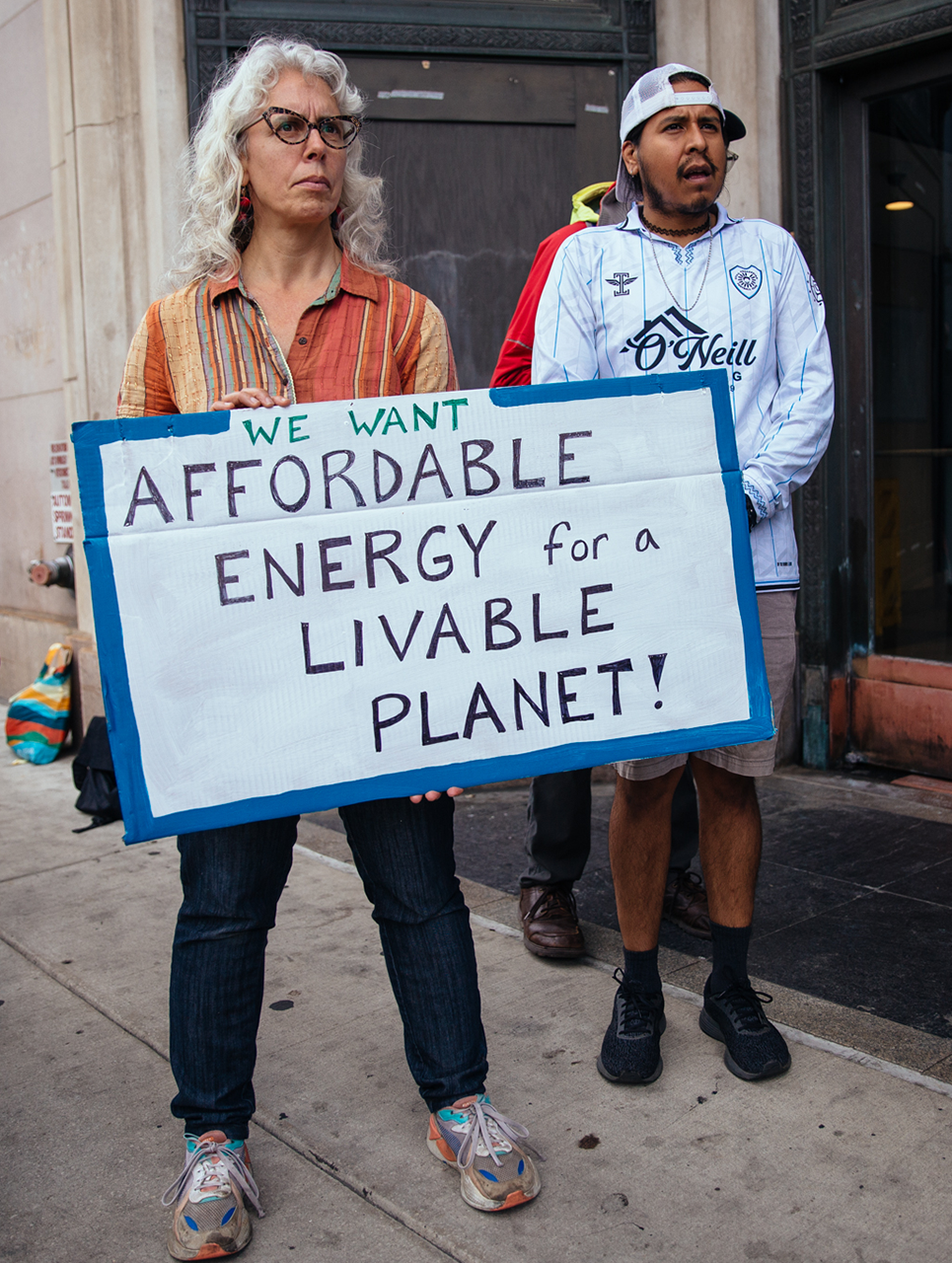
For the first time in the utility’s history, Philadelphia Gas Works (PGW) has agreed to hold community engagement meetings to discuss decarbonization.
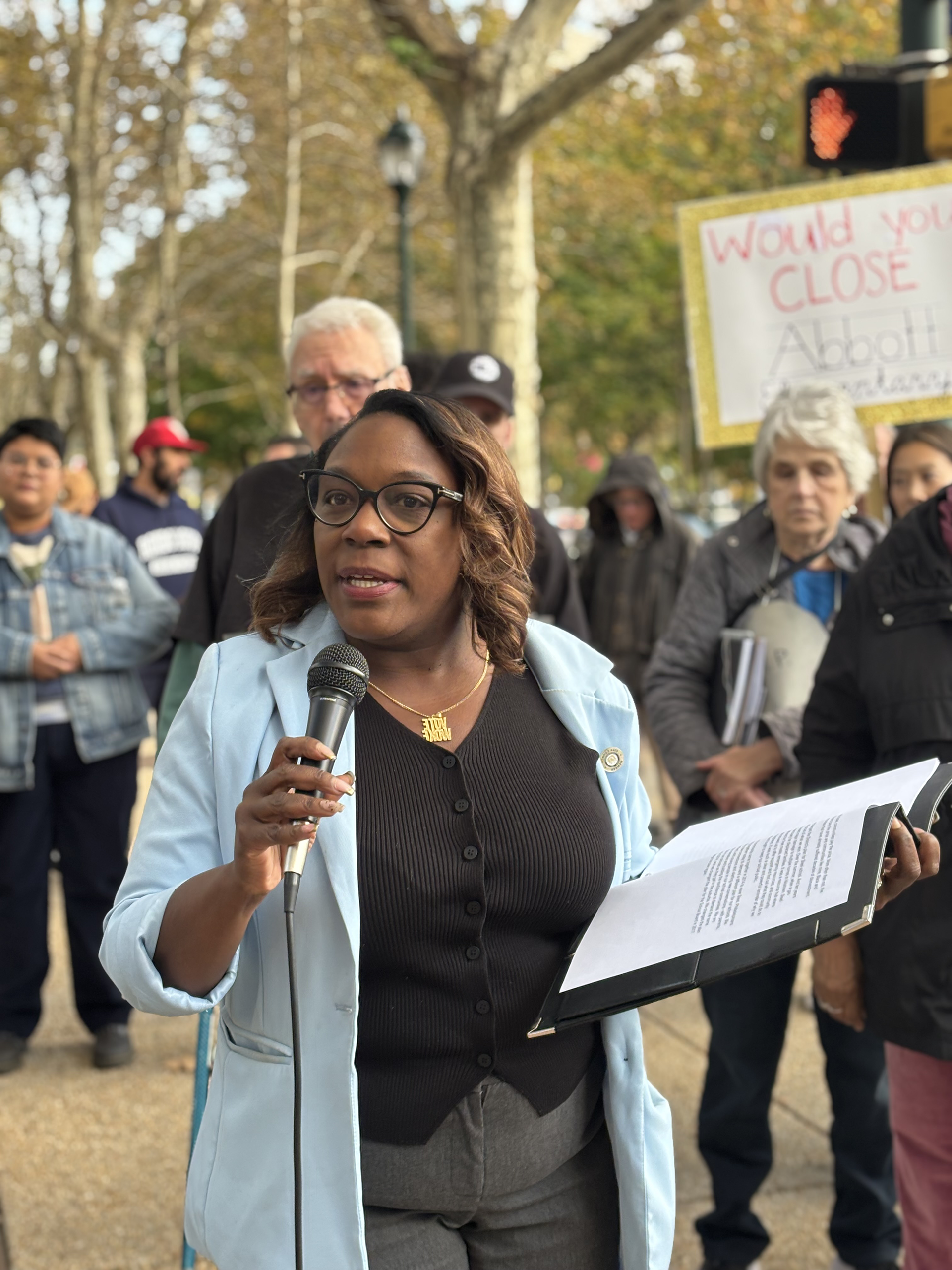
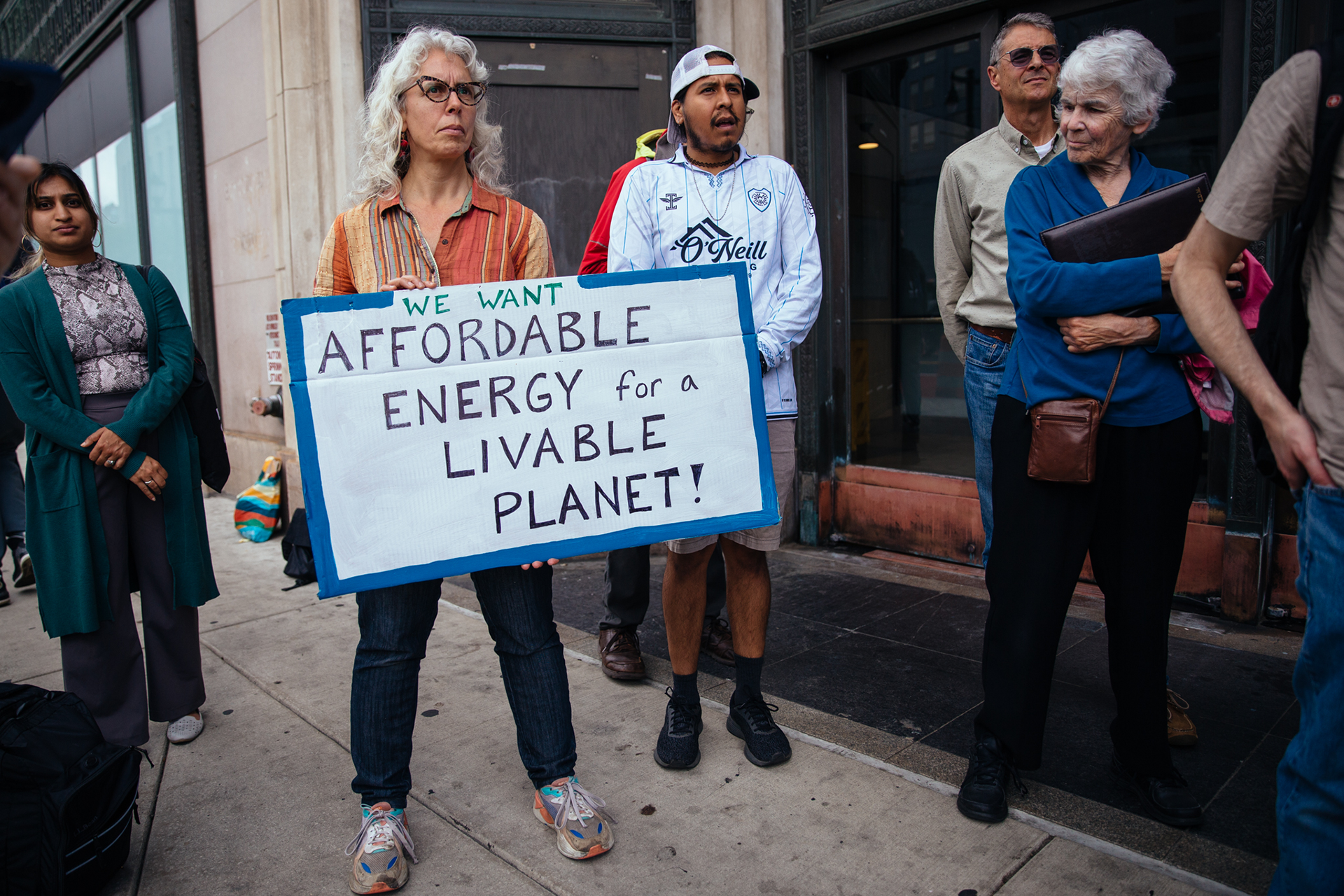
In a settlement agreement approved Oct. 9 by the Public Utility Commission (PUC), PGW agreed not only to a significantly lower rate hike than they initially proposed, but also to begin engaging in a modernization process, starting with two community meetings to discuss long-term greenhouse gas emission reductions. But activists who intervened in the ratemaking case say that time will tell whether that commitment will have any teeth.
Peter Furcht of POWER Interfaith says this settlement is a good first step towards transitioning the city-owned utility away from gas, but in terms of holding them accountable to continue that effort, “There’s still a lot to be done.”
POWER was one of seven groups, including Sierra Club Pennsylvania, Physicians for Social Responsibility Pennsylvania, Clean Air Council, Vote Solar, PennEnvironment and the Pennsylvania Public Interest Research Group, that intervened in PGW’s base ratemaking case as a coalition called the Energy Justice Advocates (EJA). The coalition, alongside consumer protection groups and consumer advocates, opposed PGW’s original proposed rate hike of $105 million, which would have increased an average monthly bill from $92.60 to $104.61. The settlement instead increases PGW’s operating revenues by $62 million, bringing the average bill up to $98.70.
The agreement is the latest in a multiyear effort to push PGW to decarbonize. In 2021, the City and PGW released a diversification study recommending the utility expand to alternatives like providing networked geothermal energy. In 2022, PGW allocated $500,000 for a geothermal pilot study, but progress seemingly stalled for three years, until this spring when PGW announced a feasibility study for installing heating and cooling pumps at John F. McCloskey Elementary School.
As part of discovery in the ratemaking case, PGW had sought the internal communications of members of EJA — in July, a judge ruled PGW was not entitled to this information on First Amendment grounds. “The First Amendment ruling was a particularly important outcome from the case, because it sets a precedent that will help protect public interest groups in the future,” says Devin McDougall, EJA’s attorney for the case.
Perhaps the most important step forward for the coalition’s member groups was PGW’s agreement to hold two community engagement meetings. The settlement states that the meetings will be held virtually, and each will include a presentation from PGW and one to two hours of public comments. There’s no set date for either of the meetings yet — PGW has agreed to convene them within 12 months of the settlement approval.
But the settlement doesn’t require PGW to act on what’s said at the meetings. The agreement states that the utility “may incorporate feedback and comments from these meetings into its low carbon pathways evaluations and considerations, as practical and as determined by PGW.”
When asked for information about when the meetings might be scheduled, PGW spokesperson Dan Gross declined to comment. In its statement after the agreement’s approval by PUC, PGW called the public input on the ratemaking case “unprecedented” and said that the settlement agreement “aims to keep PGW customers at the forefront.”
As Flora Cardoni of PennEnvironment puts it, the settlement is “just one milestone in the long process of reforming PGW, and that is really a marathon and not a sprint.”
“Philadelphians face real environmental and health risks from PGW gas as well as unnecessary costs,” Cardoni says. “We shouldn’t be investing millions and millions and millions of dollars into an energy source that we know is fueling the climate crisis, polluting our air, hurting our health, and is declining in terms of popularity.”
 This special section is a part of Every Voice, Every Vote, a collaborative project managed by The Lenfest Institute for Journalism. The William Penn Foundation provides lead support for Every Voice, Every Vote in 2024 and 2025 with additional funding from The Lenfest Institute for Journalism, Comcast NBC Universal, The John S. and James L. Knight Foundation, Henry L. Kimelman Family Foundation, Judy and Peter Leone, Arctos Foundation, Wyncote Foundation, 25th Century Foundation, Dolfinger-McMahon Foundation, and Philadelphia Health Partnership. To learn more about the project and view a full list of supporters, visit