Two hundred and fifty years ago, as a new nation was being born in Philadelphia, botanist William Bartram was on the Altamaha River in Georgia — the edge of the infant United States — nearing the end of a three-year plant-collecting expedition.
In addition to Florida, Georgia and the Carolinas, he had traversed the “powerful empire or confederacy” of the Muscogee. He spent time in the Cherokee Nation and found its people, not unlike the authors of the Declaration, committed to “the liberties and natural rights of men.” He learned about local flora and fauna from the Choctaw and Seminole.
Though he hadn’t gone farther than the Mississippi River, Bartram had traveled internationally. When he returned to Philadelphia with a wealth of scientific knowledge, much of it gleaned from Indigenous sources, he also carried a conviction that his new nation had to do more to protect the “well being of our Indian brethren.”
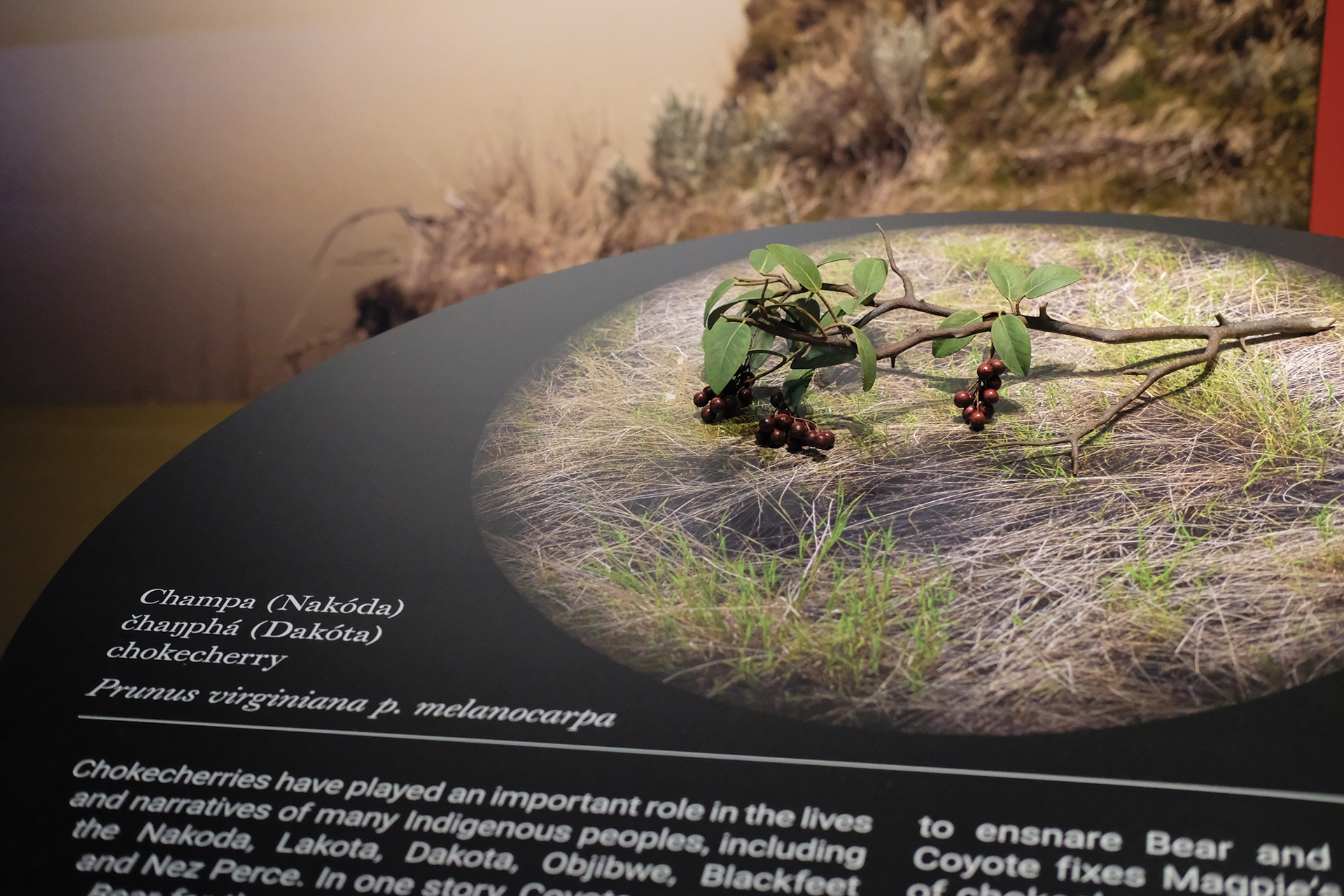
In “Botany of Nations,” an exhibit at the Academy of Natural Sciences that brings Indigenous perspectives to the storied Lewis and Clark Expedition, Bartram is a minor character: A copy of a botanical textbook from Meriwether Lewis’s traveling library sits open to Bartram’s illustration of a tobacco plant. But Bartram’s story — that of the botanist and explorer whose journey was made possible by collaboration with Indigenous peoples — resonates with the version of the Lewis and Clark tale that “Botany of Nations” aims to tell.
Almost three decades after Bartram’s travels, Lewis and Clark crossed 49 sovereign nations on their way to the Pacific as part of Thomas Jefferson’s Corps of Discovery. Though some versions of their story cast the expedition as an American odyssey, a heroes’ journey through rugged, forbidding terrain, “Botany of Nations” grounds its narrative in more ordinary historical and scientific realities: plant collecting, mapmaking and diplomacy with Native nations.
“The exhibit tries to counter this idea of terra incognita,” says curator Marina McDougall. “They were entering into this place of trade and commerce and enduring presence.”
What was new to Lewis and Clark, after all, was not new to the people who had been on the land for thousands of years. “What were understood as discoveries for Western science really have much deeper roots in Indigenous society,” McDougall says.
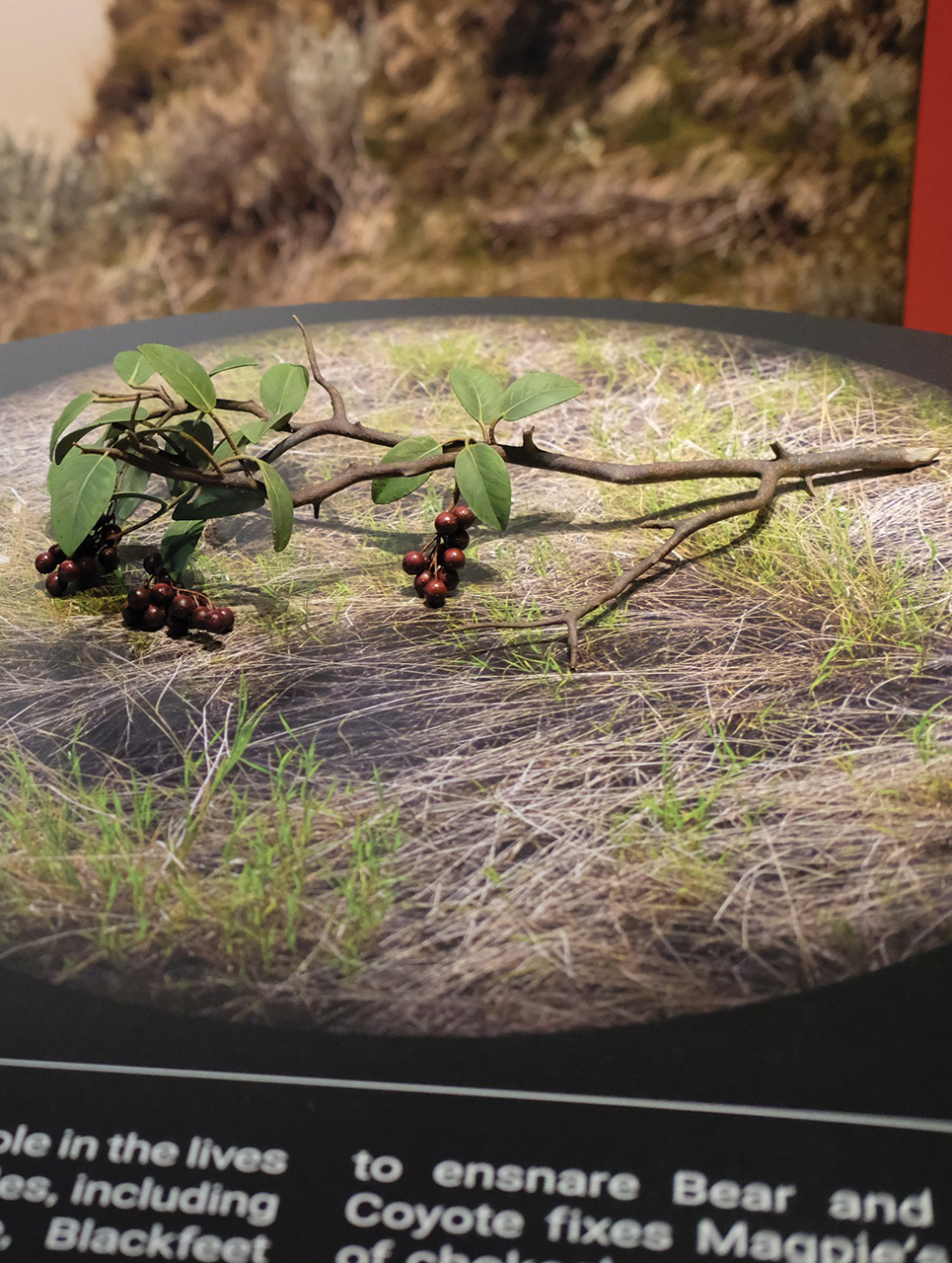
At the center of the exhibit are seven plants from the Lewis and Clark Herbarium — the collection of dried botanical specimens, housed at the Academy of Natural Sciences, that Lewis gathered during the expedition.
The exhibit’s curators and consulting ethnobotanists chose this group of culturally significant plants — among them bitterroot, chokecherry and tobacco — and then, alongside tribal members, re-collected specimens as close as possible to where Lewis and Clark had found them. These new specimens, complete with ethnobotanical information gathered from extensive interviews, will be stored alongside the originals.
When a plant is flattened in an herbarium cabinet, “you’re missing the context,” says Enrique Salmón, an ethnobotanist and the exhibit’s co-curator. “And that’s where the living knowledge is very important. It gets updated over time.”
“The exhibit is about a meeting of different ways of interpreting and knowing these plants,” Salmón says. Linnaean taxonomy has its virtues, as does ethnobotanical study. The challenge, according to Salmón, is “how to get the two approaches to complement each other.”
In this semiquincentennial year, “Botany of Nations” reminds visitors that the United States is a newcomer on the continent; understanding and protecting our environment will require collaboration with the hundreds of other nations that lie between sea and shining sea. “We wanted to make an exhibition that would include many voices,” McDougall says, “and bring people into an understanding of the ongoing presence of Indigenous people on the land.”