Last year I wrote a series of columns in Grid about several ways the City of Philadelphia could expand composting. While I have had some productive conversations with City officials over the last year, I have seen no indication that they are prepared to begin any large scale residential composting pilot program in the near future. But that doesn’t mean we should throw up our hands and give up. Composting is something an individual can do to reduce their carbon impact. And while a paid composting service, like the one provided by Bennett Compost, works for some, it doesn’t meet everyone’s needs.
That is why we want to make sure we are educating people about the benefits of composting. In the coming months, while we wait for the City to incorporate composting into the municipal waste services I will lay out some practical ways people can set up their own composting systems.
So what do you need to compost the right way?
Whether backyard-sized or a large-scale facility, there are four key ingredients necessary in any compost pile: greens, browns, oxygen and water.
Greens are food scraps, organic materials with a low carbon-to-nitrogen ratio. In backyards and community gardens, these should be limited to fruits and vegetable scraps, coffee grounds and limited grains. Think of them as vegan piles. Meat and dairy can only be composted in larger systems where the pile temperatures reach 131 degrees Fahrenheit for 72 consecutive hours.
Whether backyard-sized or a large-scale facility, there are four key ingredients necessary in any compost pile: greens, browns, oxygen and water.
Browns are organic materials with a high carbon-to-nitrogen ratio, like wood chips, untreated saw dust, fallen leaves and shredded newspaper. The ideal greens to brown ratio is one part greens for every two part browns. That being said, browns are notoriously hard for the urban composter to obtain. I’ve made quality compost in small scale settings with ratios as low as one part greens to one part browns. Anything less than that ratio and you are asking for a soupy, stinky mess — which can be remedied by adding more browns.
Once you have combined greens and browns, you need oxygen and water. The good news is that food waste tends to be 60-90% water, and Philadelphia has a fairly humid climate, so watering your pile is not as important as it is in more arid parts of the country. Oxygen gets into smaller piles through natural diffusion, “naturally” moving through the spaces between your vegetable peelings and leaves without any interventions and by turning or mixing your pile at least once per week. The type of method you use for your composting will often dictate the best way to do this.
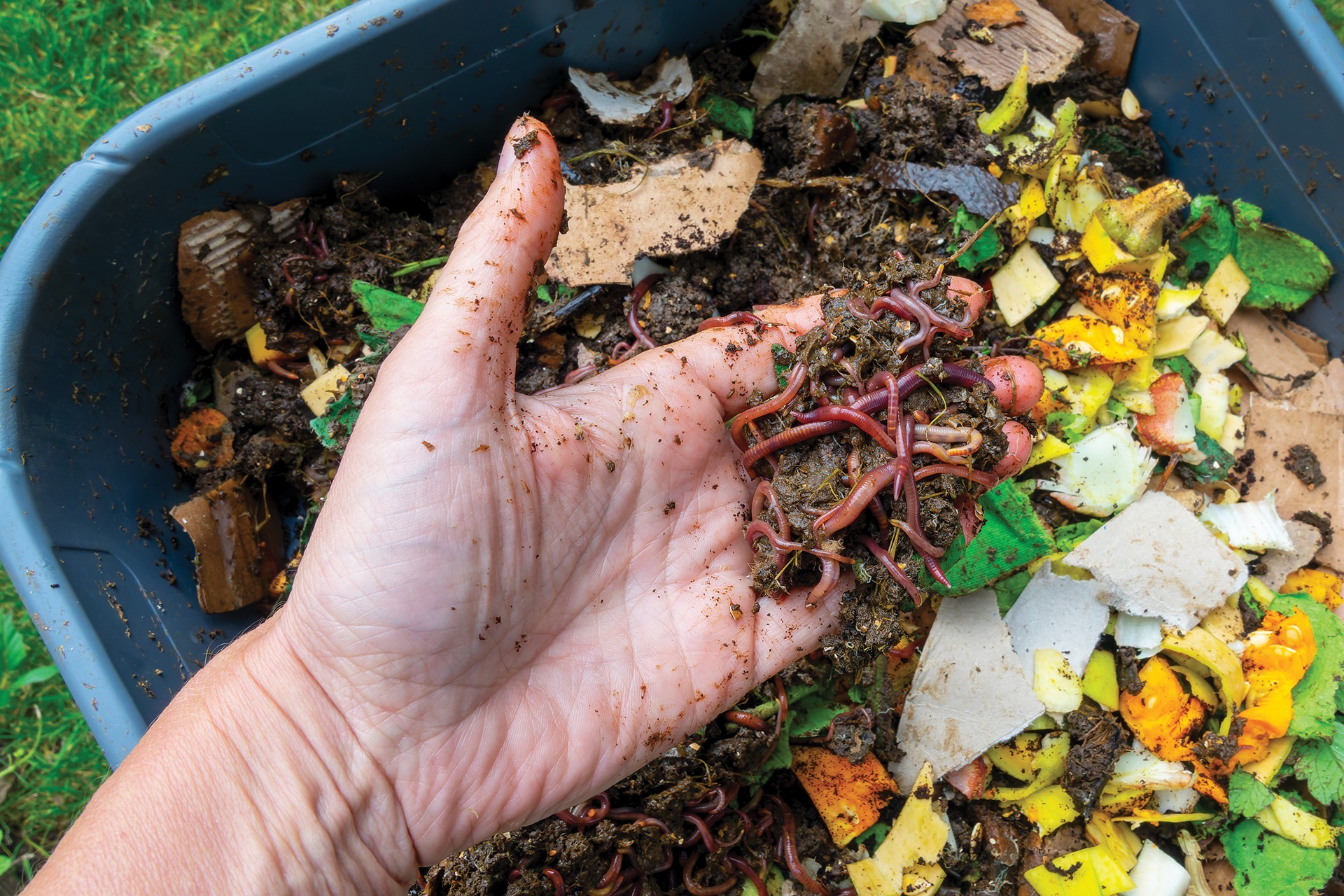
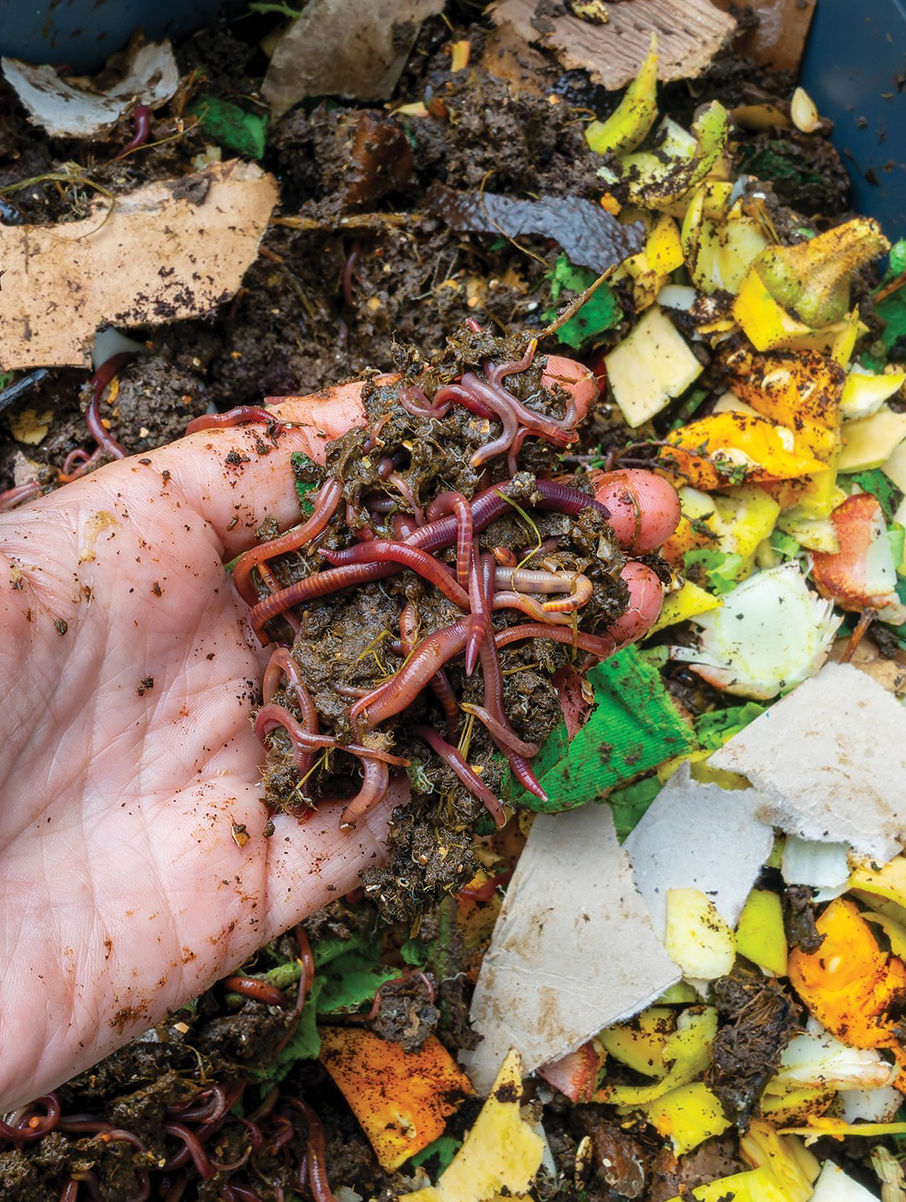
There are three primary methods to compost at home: tumblers, DIY backyard bins and vermicomposting (worms). Which method you choose will often be driven by your available space and willingness to experiment. We will break down the pros and cons of using each of these methods in future columns.
In addition to backyard composting, there are a number of community composting and drop-off programs that already exist. We will introduce these spots to you and teach you how to start your own drop-off site.
All of this is good and important work we should do as we continue to let our elected and City officials know that composting matters to Philadelphians from all walks of life. Let’s get composting!