Modern construction is notorious for producing waste. Perhaps nowhere is this more evident than in the amount of used soil abandoned to landfills. What’s needed is a cost-effective, environmentally responsible solution that keeps material in circulation and preserves its value.
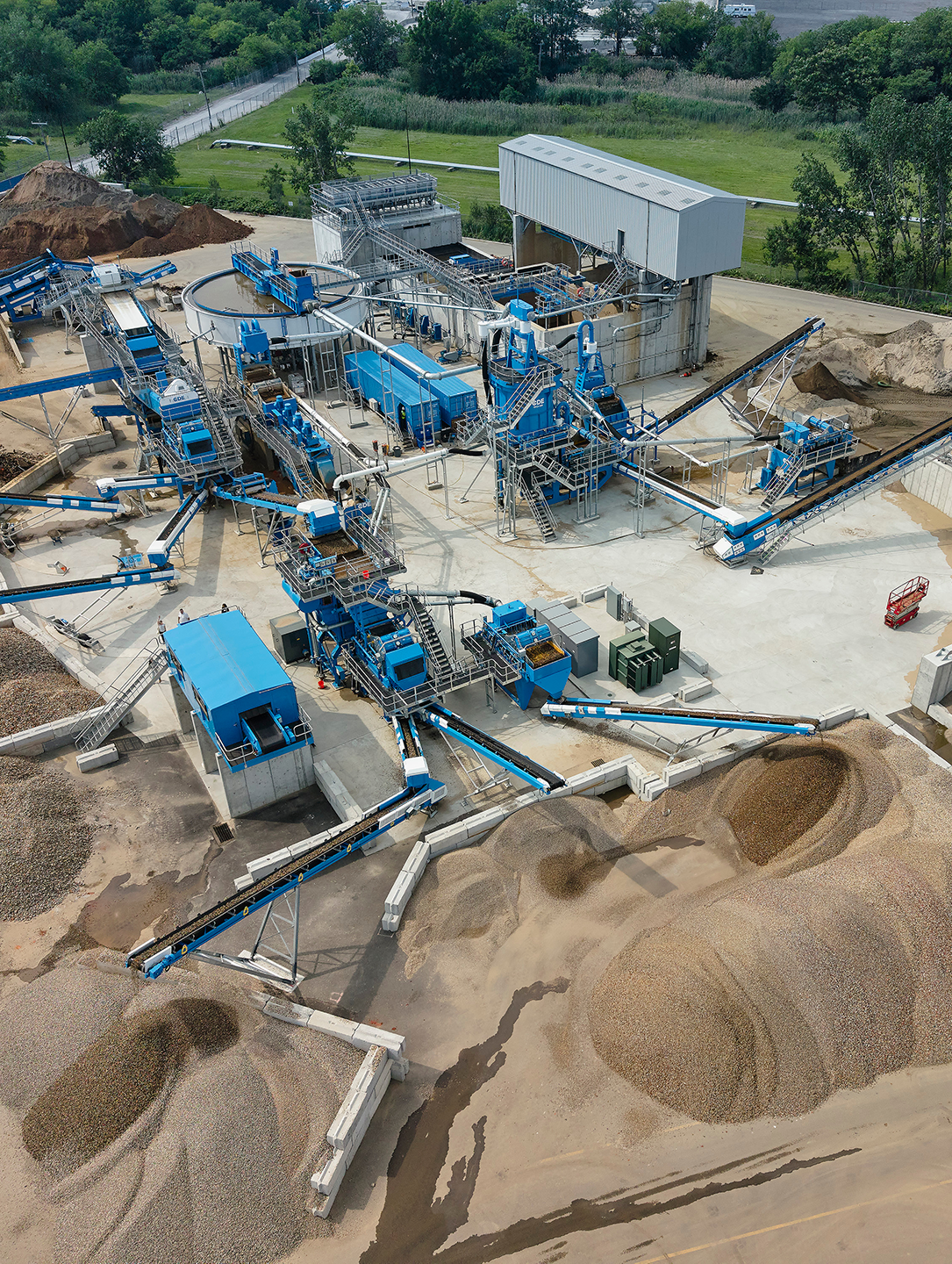
“Every day, thousands of tons of soil come off construction sites in and around Philadelphia. Most of it gets hauled long distances and dumped, even though a lot of it could be cleaned, sorted and reused,” says Andrew Paluszkiewicz, managing partner and director of operations for Eco Materials Passyunk Wash Plant, a company he founded in 2022 with partner Ken Griffin to provide a sustainable solution for the disposal of construction and excavation waste.
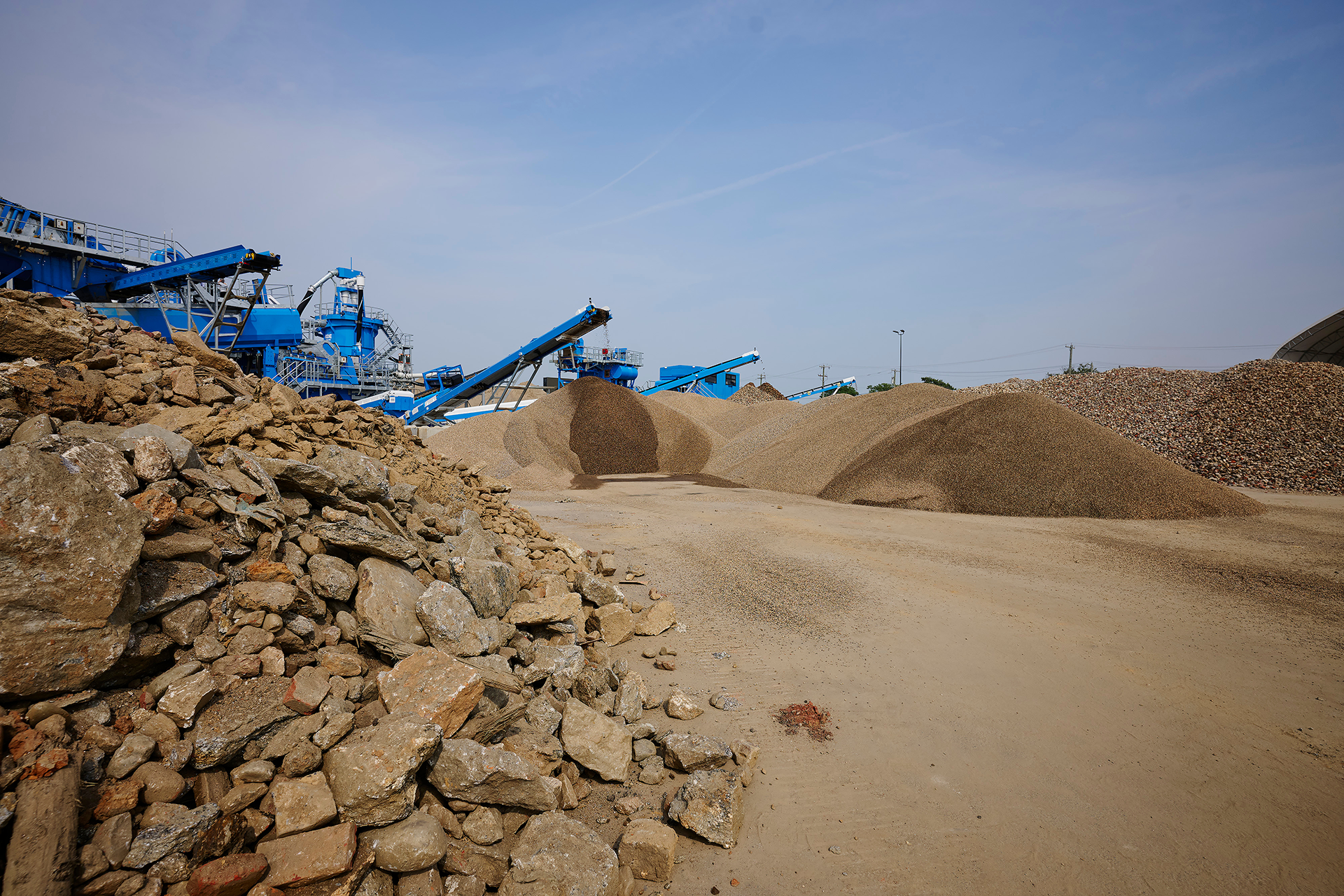
The company remediates soil — a mix of sand, stone, water, air, organic matter, and minerals — from construction and redevelopment sites that have been tested for a wide range of potential contaminants, including heavy metals, petroleum-related compounds (VOCs and SVOCs), pesticides and PCBs.
Contaminated soil is loaded into a machine that screens and sorts it, removing unwanted debris and crushing anything over 4 inches. A combination of high-pressure washing and agitation breaks up the soil and separates sand and stone from clay, silt and contaminants. A series of screens sorts the usable sand and stone by size and weight, which the company sells. It does not sell the clay and silt.
Every day, thousands of tons of soil come off construction sites in and around Philadelphia. Most of it gets hauled long distances and dumped, even though a lot of it could be cleaned, sorted and reused.”
— Andrew Paluszkiewicz, Eco Materials Passyunk Wash Plant
To Paluszkiewicz and Griffin, this was an opportunity to merge sustainability with real-world construction operations while reducing the carbon footprint associated with hauling and disposal, saving contractors money on tipping fees, trucking and material purchases. However, since theirs would be one of only six soil-wash plants in North America — and only the second to recycle contaminated soils — there wasn’t a clear playbook for how to build it. “Between navigating environmental regulations, building the right testing protocols, and designing a site that could efficiently handle, wash and separate materials, it took a lot of coordination,” says Griffin. They had to build relationships with regulators, engineers and contractors to ensure the design was safe and sized appropriately for the Philadelphia market.
“This facility represents the future of construction, where sustainability and profitability go hand in hand,” says Leo Addimando, co-founder and managing partner of Alterra IOS, a company that helped plan and build the facility. “We’re transforming dirty soil into clean, reusable material on site, and we’re doing it by cutting costs, reducing emissions and keeping the entire process local.”
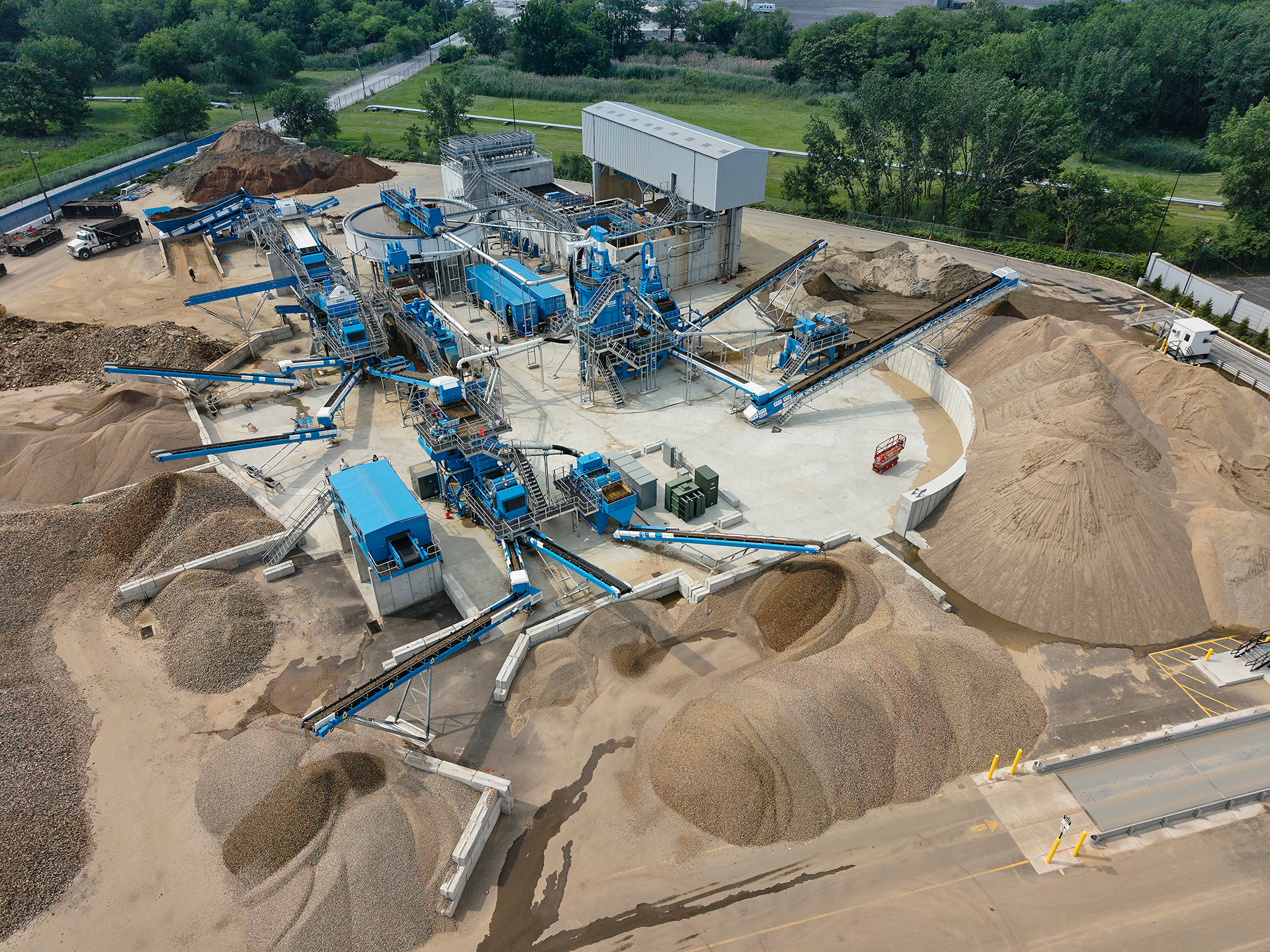
Brandywine Stormwater LLC, a builder of stormwater systems, has been a customer of Eco Materials since August 2025. Justin Keenan, chief executive officer of Brandywine Stormwater, said Eco Materials provides the company with recycled stone derived from fill dirt, helping it complete projects while meeting its sustainability goals.
Eco Materials’ intent is to make resource recovery the “new normal” for construction. “We’re already seeing interest from municipalities and developers who want to include circular material management in building cleaner, smarter sustainability plans,” says Paluszkiewicz.