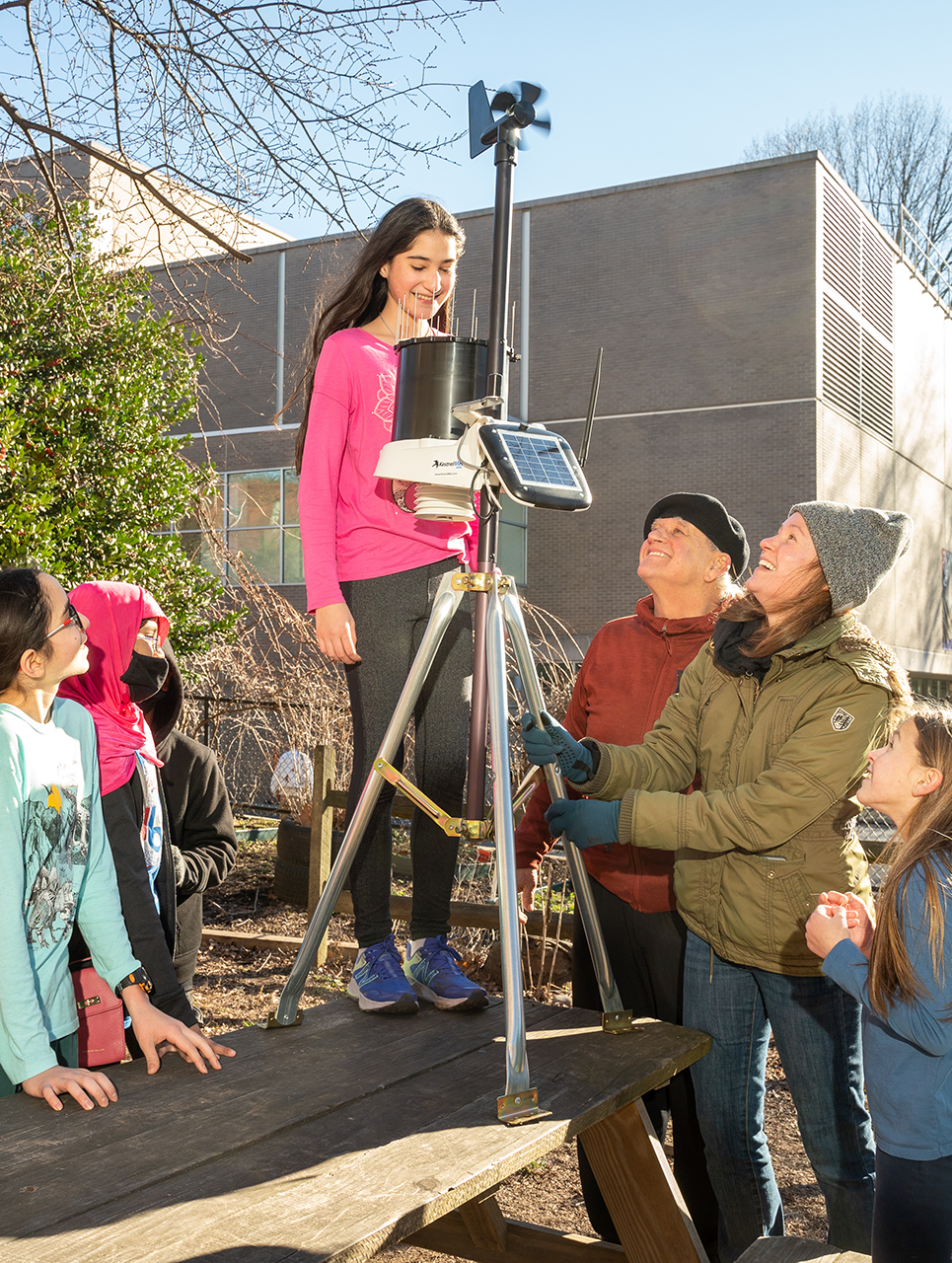
Stephanie Kearney has taught middle school science for 20 years. She uses the outdoors as a classroom, even when what’s outside is a schoolyard and the blocks of rowhouses around Penn Alexander School in West Philadelphia. Grid talked with Kearney to learn what it takes to bring the natural sciences to life for urban students.
How did you get into teaching science? Well, I actually went to pharmacy school and ended up getting a pharmaceutical business degree. I did that for half a year before I realized I am not a salesperson. So I went back to school with the goal of teaching. It wasn’t my initial plan, but middle school was where I started to love science and had really great teachers, so that’s where I turned my attention.
I love biology. I love nature. I wouldn’t say I’m particularly into birding or identifying mushrooms, but I love hiking or exploring nature, whether that’s an hour away or at the school garden. I’m always looking and saying, “I want to learn more about that.”
How does nature fit into the curriculum? The school district just purchased a new curriculum, so everyone should have quality materials. So if the previous excuse for not teaching science was “I don’t have good materials,” that excuse should be gone now.
As for nature, it takes real attention from the teacher. Teachers have to go off script to make learning units relevant to the kids, but if you’ve got a good team of teachers who understand the importance of place-based and nature education, you can figure out how to do that.
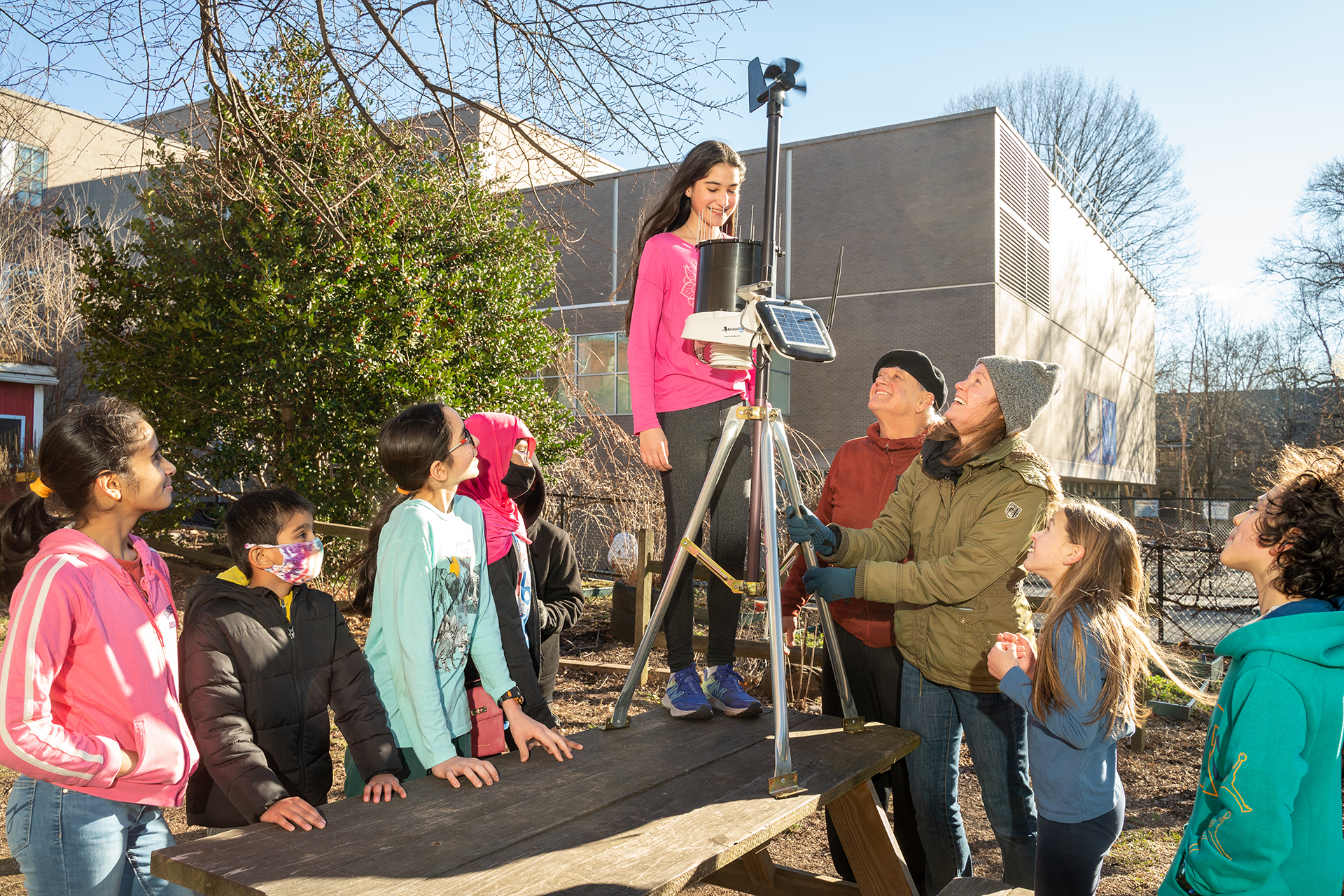
The new state curriculum standards added environmental literacy and sustainability. So kids are required to connect to their environment, but the standards don’t tell you how to teach it. The Fairmount Water Works is developing curriculum to meet the new standards, with units such as putting weather stations at schools.
Not all schools are able to take advantage of the outdoors. There is one activity for my kids about trees in Clark Park. When I shared this with other teachers [from other schools], I was met with “We don’t have trees,” and “We aren’t allowed to walk around the block because it isn’t safe.” How do you get kids connected to nature when they’re not allowed to be in nature?
We need to teach kids how to live in cities with nature, to teach kids to be stewards of their environment. Our planet needs us to green our cities and be sustainable.”
— Stephanie Kearney
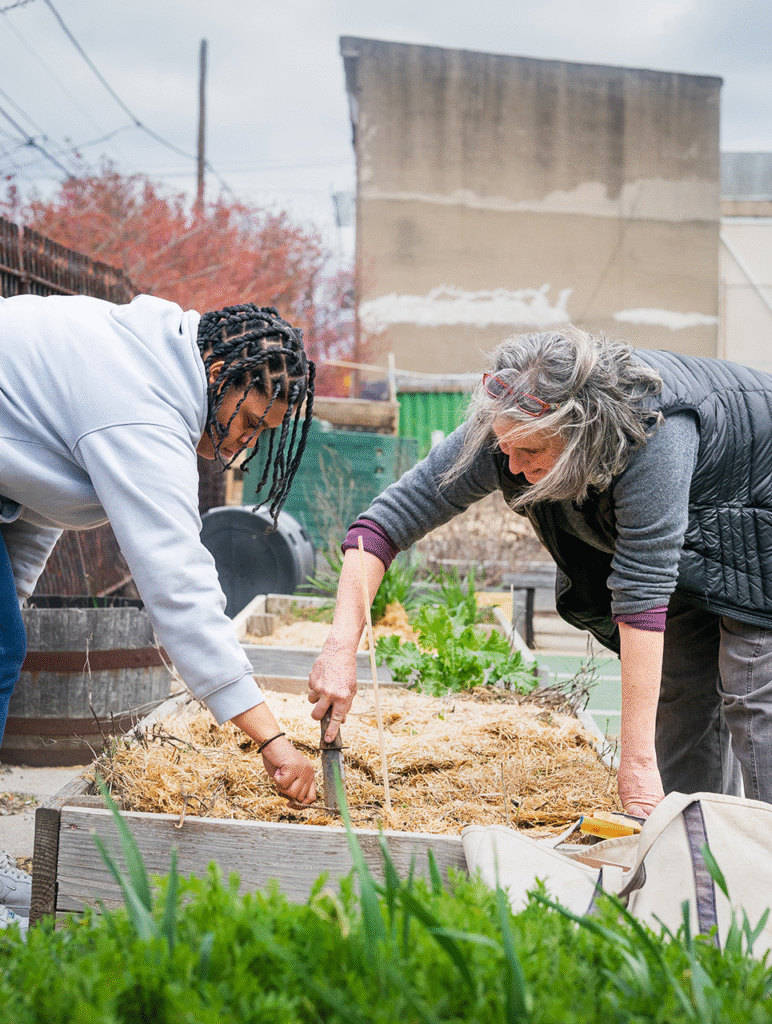
What works in connecting kids with the natural world? I am a big fan of project-based learning, and I try to connect our learning to nature whenever we can. In the spring we always do big units devoted to the outdoors. There is a middle school standard for biodiversity, so we go outside and look at what we have and we come up with solutions. We create habitat in the garden. It’s authentic work. It increases their buy-in and increases engagement with the lessons because they know it’s real work.
I think that you’ve got to get them hooked initially with something that’s really cool or really exciting. I am naturally curious and passionate and I share that with my students all the time. Kids are naturally curious, but it gradually gets beaten out of them after sitting in a chair eight hours a day 10 months of the year.
It’s important to let kids discover for themselves. I’ll direct them where to look but let them go, “this is what I see.” We have an elderberry shrub outside. If you look closer, you have aphids; and look closer, you have ants; and then we have every phase of life of the ladybug. Once they realize all that happens in that space — a science concept that they discover for themselves — they get excited.
One more tip is: The quieter you are, the more you hear and the more you see because you won’t scare things away, and the closer you look, the more you see. Starting with nature drawing is good because it forces them to be quiet and focus on what they see. I force them to come up with 20 words to describe what they see. The first are easy, but then they have to think hard about how to describe that ant or leaf.
What are barriers to this kind of teaching in the school district, and how have you dealt with them? As far as classroom management, you have to set norms before you go outside and be firm with the kids who don’t follow those norms if they think it’s time for recess. Even with older kids, it can help if they get some time to release their energy. Think about how you feel after sitting in a chair all day.
I can understand why teachers are reluctant to take large groups of kids outside, especially if there are behavior challenges inside. But I’ll add that many of my challenging kids inside are the best at doing work in the garden. They love it; they thrive when doing real, hands-on work in fresh air.
Why is it important for students to learn about nature, even in an urban setting? Because more than half of the world lives in cities and that number is increasing every year. We need to teach kids how to live in cities with nature, to teach kids to be stewards of their environment. Our planet needs us to green our cities and be sustainable.