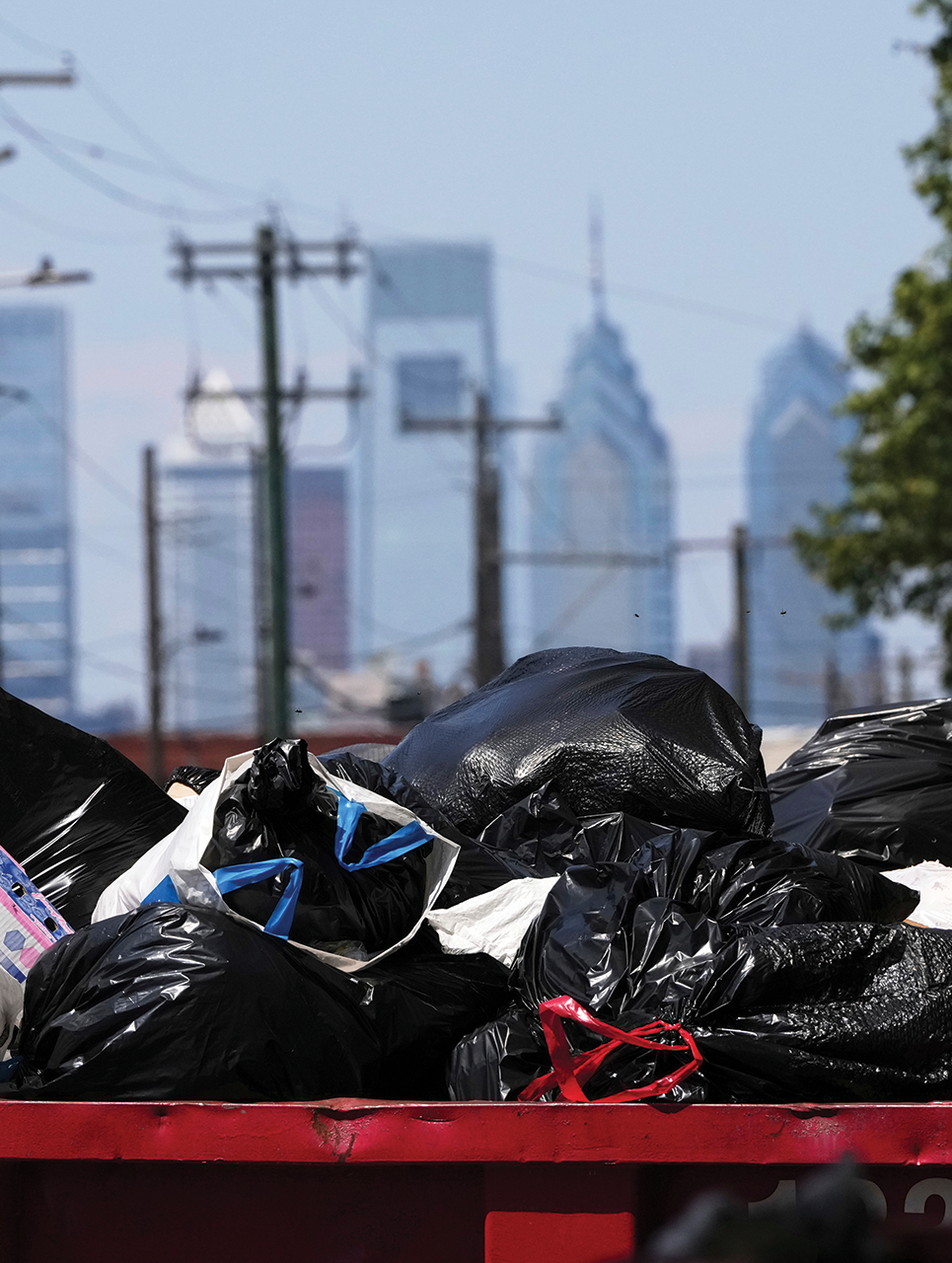
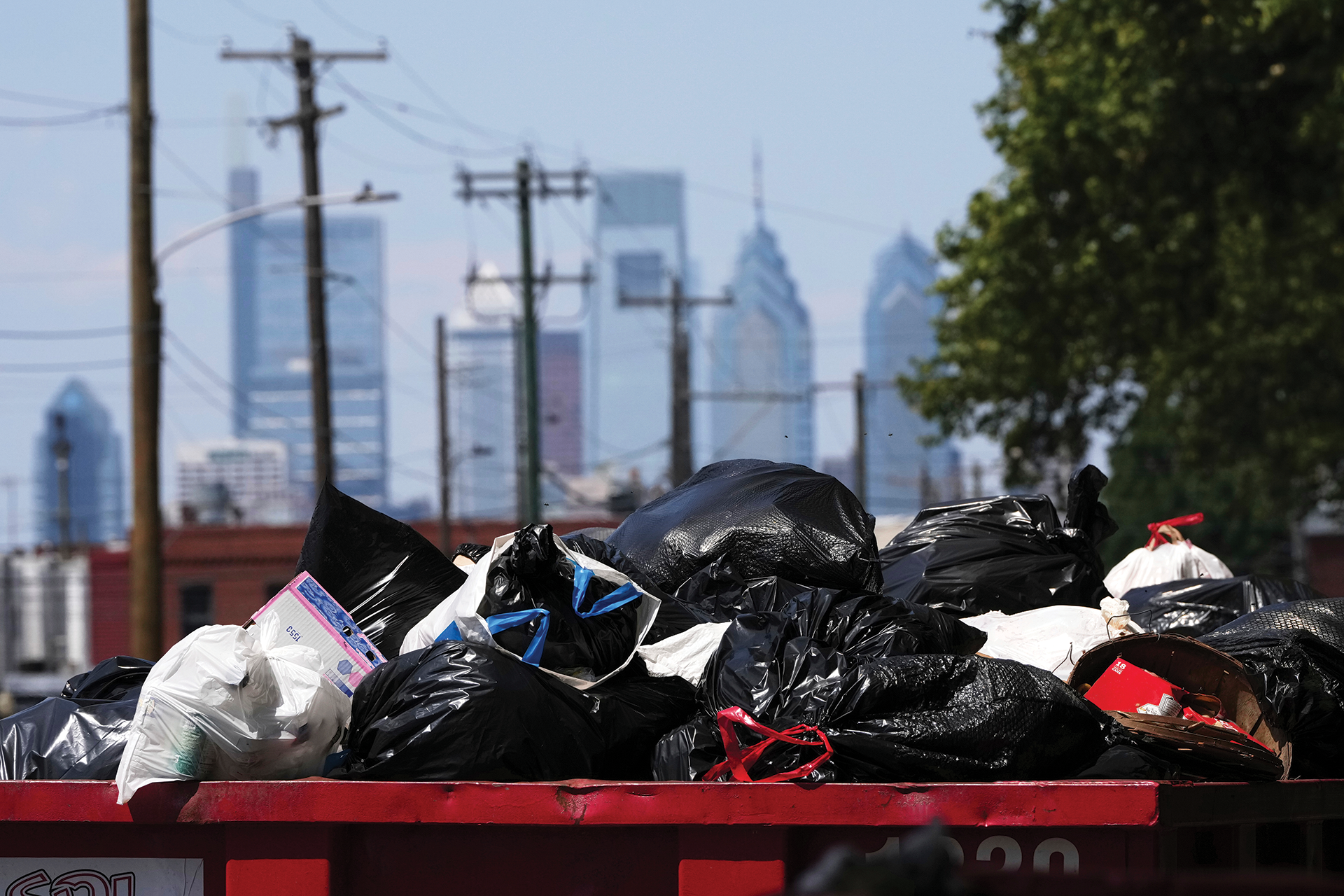
In July, for the second time in five years, Philadelphia’s waste collection system stopped working and trash piled up in the streets. Five years ago there were staffing shortages caused by the pandemic; this time it was a municipal strike by the workers of District Council 33. When collection ceases, such issues as smells and pests prompt residents to start questioning the fundamentals. Our trash stinks and is attractive to bugs and rodents primarily because it includes food scraps. Now that the latest crisis is behind us, we need to lay the groundwork for a better system.
That planning was always the purpose of this series: to highlight the issues and show what is possible. And since my first article appeared in March, we have seen some progress from the City on composting food waste. Farm Philly (part of the Philadelphia Parks & Recreation) has expanded the City’s Community Compost Network to 19 sites — including some in new neighborhoods like South, West and Southwest Philadelphia — with a goal of as many of the new sites as possible accepting public drop-offs at least one hour per week. In public meetings, the Department of Streets has discussed launching a 10-location public drop-off program using Bigbelly receptacles. The Department of Prisons has announced plans for two public drop-offs, one at their compost facility at the old Holmesburg Prison and another at the City’s State Road sanitation convenience center, in Northeast Philly. And with the current waste contract expiring in June 2026, the City released a request for information (RFI) about opportunities to diversify the handling of municipal waste. All of these are positive developments.
So how do we keep moving composting forward? Via the age-old process of organizing, advocating and holding our elected and city officials accountable.
But there is still a lot of work to be done. The City has neither a (public) master plan nor a point person to move the ball forward on composting in a systematic way. Questions remain about where the bins for the City’s public drop-off pilot will be located and how the material will be processed for composting. More pilot programs for both drop-offs and curbside collection are needed to figure out how to make composting work well across Philadelphia’s diversity of neighborhoods. This series of articles has made suggestions on these fronts, but there are many more possibilities to explore.
So how do we keep moving composting forward? Via the age-old process of organizing, advocating and holding our elected and city officials accountable. My conversations over the past six months have occurred in Kensington and Mount Airy. With individuals and groups in West Philly, Hunting Park and Holmesburg. With nonprofits and philanthropic organizations small and large. Rallying all the interested parties around a set of shared goals shows the decision-makers that addressing this issue can have a positive impact on all Philadelphians. Once these different groups are organized, they can advocate for expanded composting and apply pressure on elected officials to actually change how we manage food waste. Together we can make sure the City not only follows through on the initiatives described above but uses the input it is getting from concerned citizens, businesses and neighborhood groups through the RFI process to inform the launch of new and expanded programs to keep the momentum going.
Lower Merion Township just issued a request for proposals for a curbside collection program on the other side of City Line Avenue from Philadelphia. While small, it is the kind of pilot that Philadelphia can and should be doing. As I have said from the beginning, we can’t roll out curbside composting citywide today, but we can launch a number of smaller programs that will help us get there eventually. Don’t believe anyone who tells you otherwise. Let’s do this, Philly!
Tim Bennett is the founder of Bennett Compost. Alex Mulcahy, publisher of Grid, is also a partner.