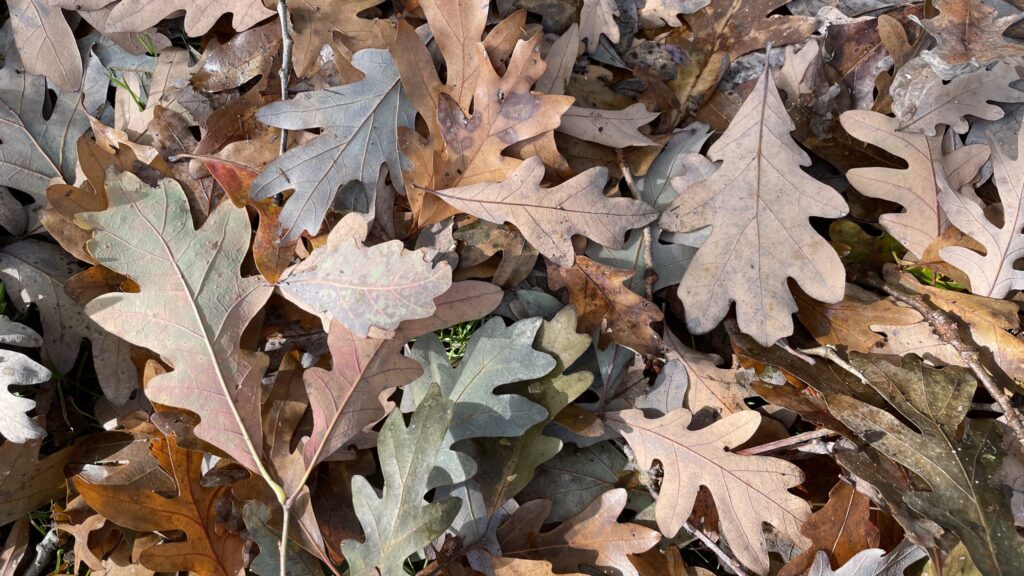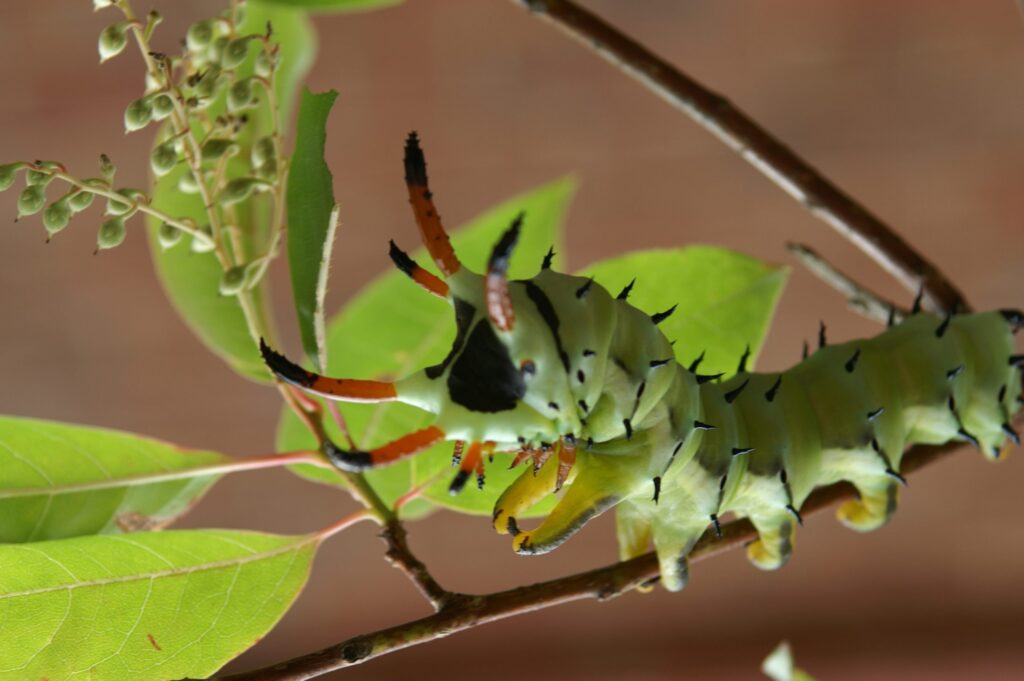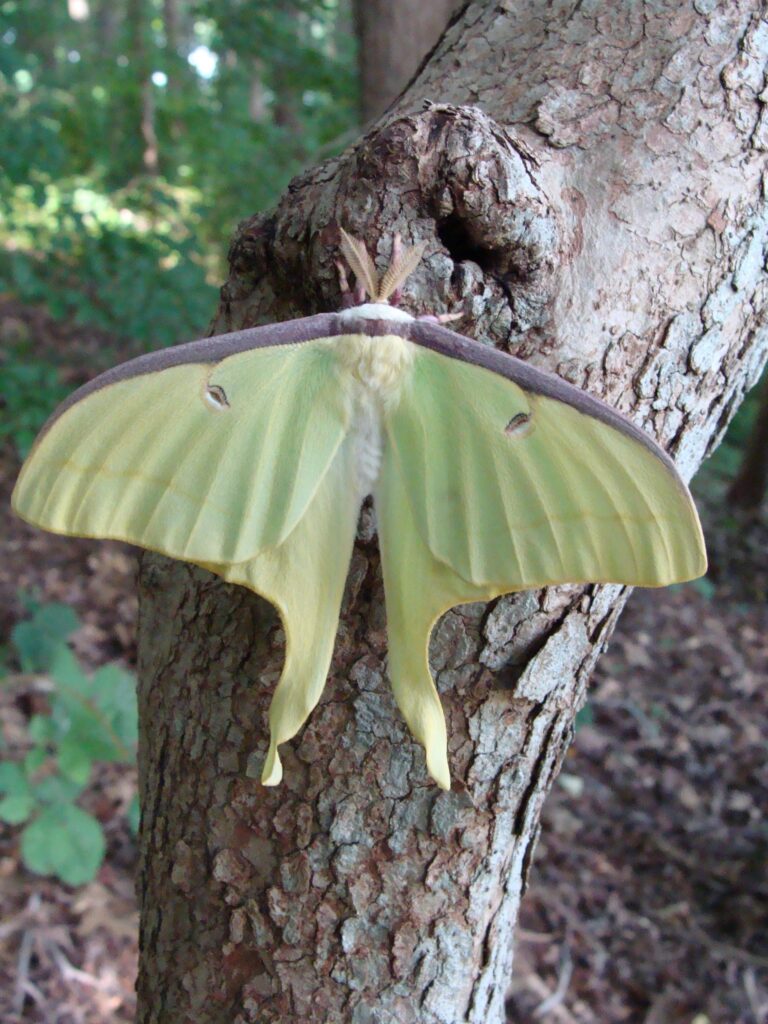
This course bridges the gap between caterpillar ecology and backyard conservation. Dr. Ellen Lake will guide you through fascinating aspects of caterpillar biology and discuss the critical ecosystem services caterpillars provide. You will learn about keystone host plants and best practices for managing a “moth-friendly” landscape. Whether you are a beginner or a seasoned naturalist,
MoreOur enchantment with butterflies isn’t surprising. These daytime flyers are easily observed and collectively encompass a rainbow palette of colors punctuated with ornate patterns. However, their close relatives the moths overwhelm butterflies in species diversity and sheer numbers. Most moths are nocturnal and largely out of sight and mind. Nonetheless, they are one of the
MoreJoin Bill McAvoy, former Delaware State Botanist, as he explores the ecological importance of the Nottingham Park Serpentine Barrens—an ecological treasure shaped by fire, geology, and time. Bill will share how this landscape, a living botanist laboratory, has plant communities which have adapted to extreme conditions, creating a refuge for species that exist in only
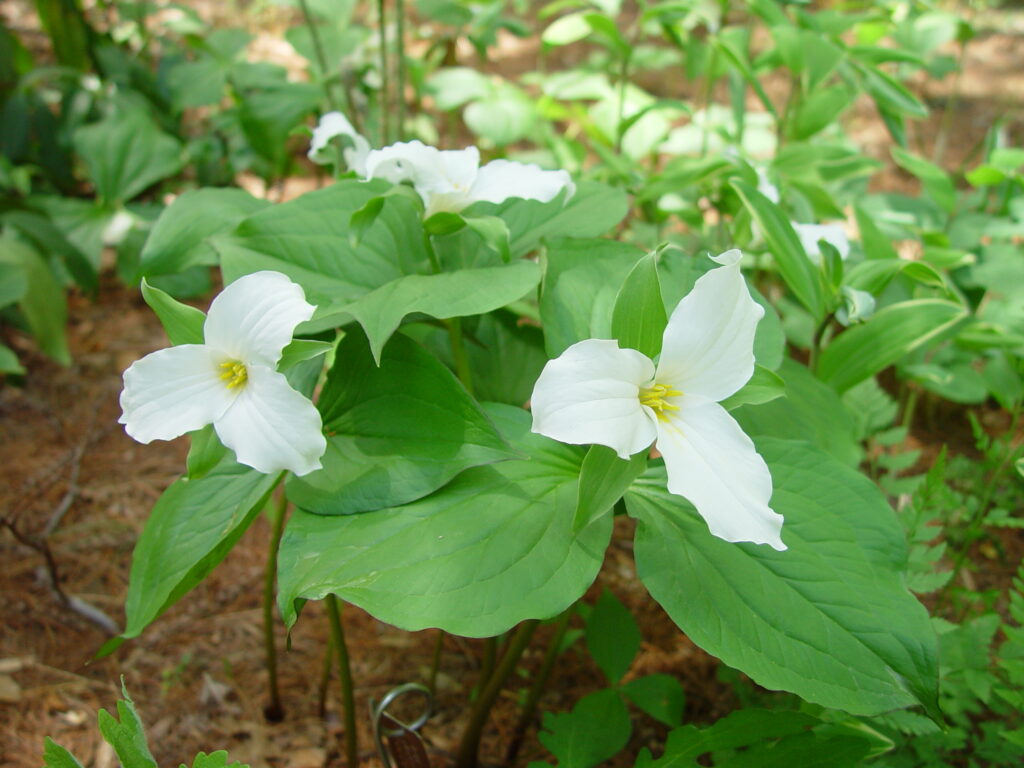
MoreMt. Cuba’s premier collection of native trilliums provides a spectacular floral display each spring. Enjoy an informative overview of our efforts to protect and conserve this iconic genus and their culture and care as garden plants. A tour of our woodland gardens to see these jewels of the forest floor completes the day. A copy
MoreFew sights capture the wonder of summer quite like the flicker of fireflies. But their glow is growing dim. Across North America, firefly populations are declining due to habitat loss, pesticide use, light pollution, and other human-caused threats. Conservation educator and macro photographer Danae Wolfe will guide you through the curious lives of fireflies, from
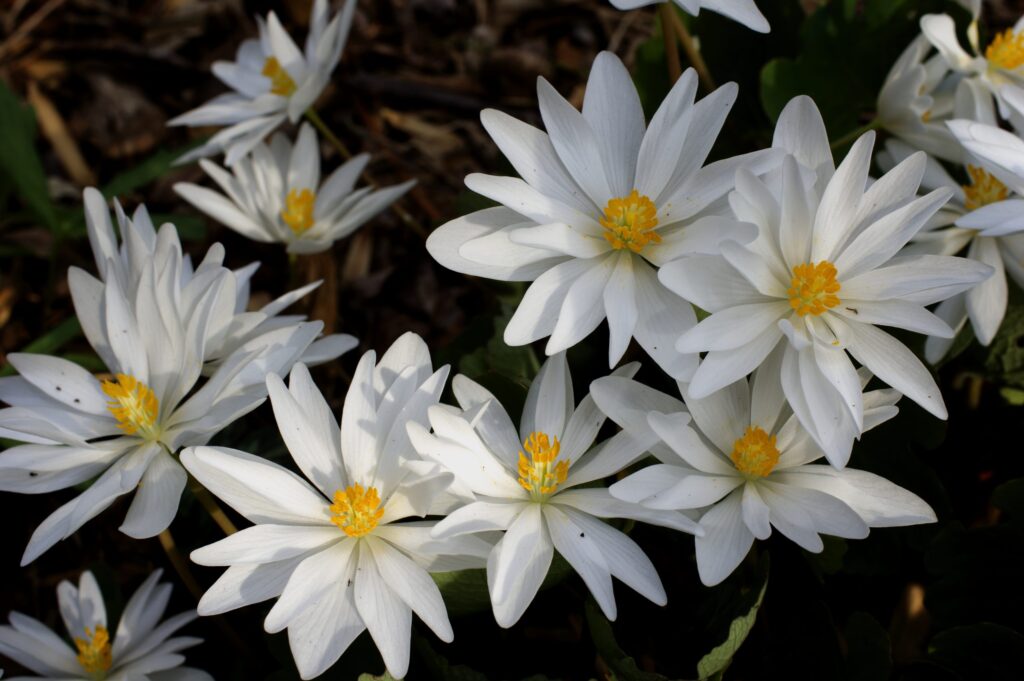
MoreSkunk cabbage, bloodroot, and trout lilies are among the first signs of spring and warmer weather ahead. Spring ephemerals and wildflowers must complete part of their life cycles before the tree canopy leafs out, reducing light levels at the forest floor. These plants face many challenges, including unpredictable weather and pollinator availability. Spring wildflowers have
MoreShrublands exist all around us, thriving in almost any environmental condition, from the blasted, wind-blown heath, to the private shade of moist forests. These diverse and inspiring ecosystems not only serve as perfect models for our gardens but offer the chance to blow apart conventional garden-making through their intense and challenging beauty. Join the authors
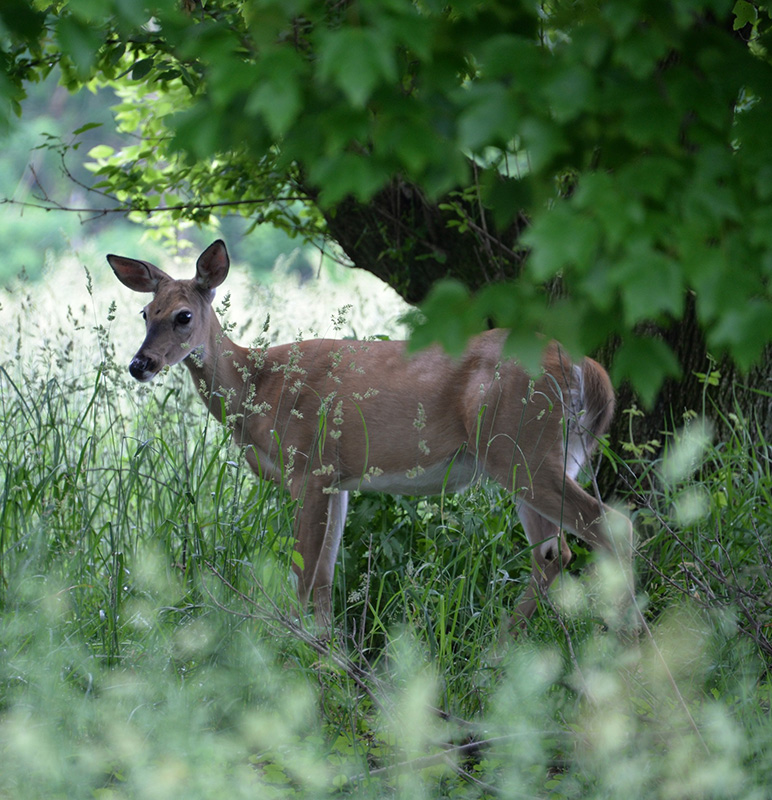
MoreGardeners and native plant lovers often see deer as a threat: They eat the plants we try to nurture, and they are a major factor influencing forest ecosystems. But the truth about deer is complicated, and so is the quest to manage their numbers. How did we get here? Explore the many facets of the deer
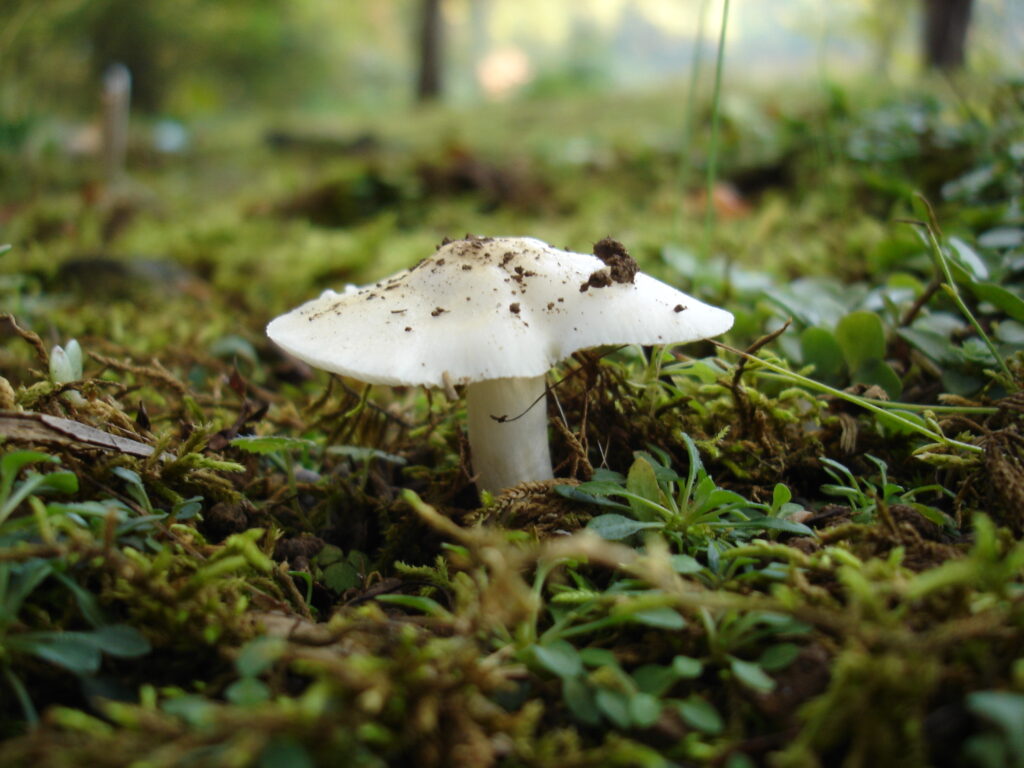
MoreLearn about the important identifying features of our local fungi. Discover some of the crucial roles they play in our ecosystems. Discuss what you can do to preserve fungal diversity in your area through community science and land stewardship. The lecture and discussion will be followed by a guided exploration of Mt. Cuba’s natural areas. Scout and
MoreLearn how to turn your household waste into nutrient-rich compost with the help of home-scale composting. Join Rick Carr, Senior Farm Director of Rodale Institute, as he shares the key elements of composting effectively in your backyard. Learn how to quickly identify and troubleshoot problems when they arise during the process, and how to harvest
More