
Imagine if developers quietly acquired and developed a few acres of Fairmount Park every year, carving them off into luxury housing. Philadelphians would rightly be outraged.
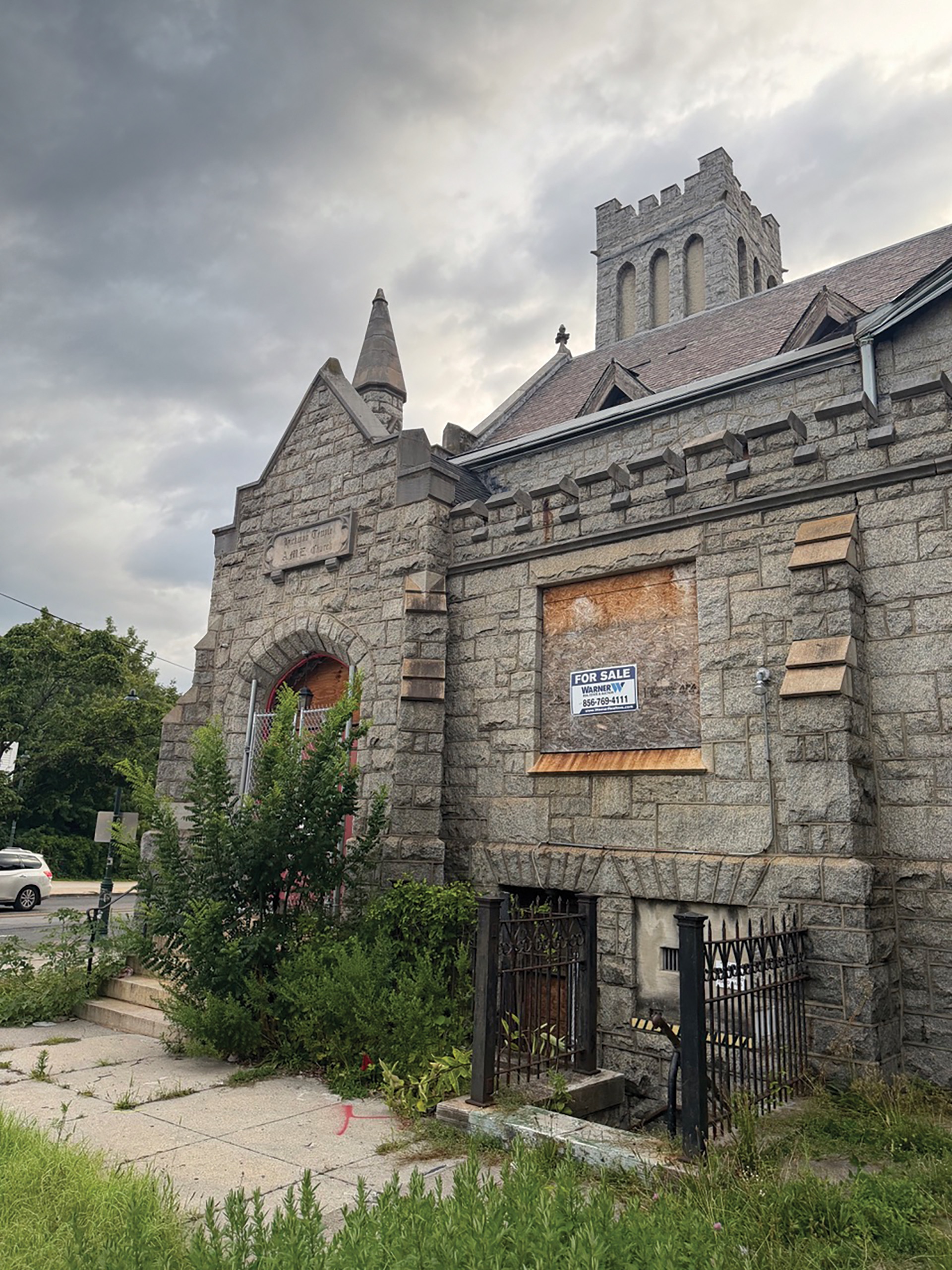
And yet: One building at a time, spaces that were designed for public assembly — churches, cultural centers, former schools — are being converted into private apartments or condominiums. And because each sale is treated as an isolated real estate transaction, it’s easy to miss what’s happening to the city as a whole.
These places are mostly privately owned, and because we’ve never recognized them as part of the same civic ecosystem, their disappearance barely registers.
During the Nutter administration, when our libraries and recreation centers faced closure after years of deferred maintenance, public outcry pushed the City not to accept their slow decline. It ultimately chose another path through the Rebuild initiative in 2017, investing in the places where neighborhood life happens.
Perhaps what we need now isn’t another Rebuild, but a broader conversation about how we revitalize and steward the places that make community possible — regardless of who currently owns them.
This isn’t an argument for historic preservation as an end in itself. I’d rather live in a Philadelphia where a few beautiful old buildings have been replaced by simple, functional community centers than one where every magnificent stone sanctuary has been preserved as luxury apartments with “gated access.”
Nor is this an argument against building more housing. Philadelphia absolutely needs more homes. But we also have thousands of vacant lots and houses that can accommodate new residents.
Community gathering space is different. After a hall designed to bring hundreds of neighbors together has been divided into private units, we are extraordinarily unlikely to ever recreate it. Even with unlimited funding, no one is going to convince eight neighboring homeowners to sell their contiguous properties so we can build a new community center.
When we lose these buildings, we also lose all the things they might have made possible.
Where will a neighborhood gather after a tragedy? Where will a councilmember hold a public meeting, or neighbors come together to shape the future of their block? Where will the next community organizer host a neighborhood dinner, or an emerging artist stage their first performance? Where will young people find spaces to learn, create and belong? Where can neighbors who have never met gather, regardless of means? And where will we create the community hubs that every neighborhood needs?
Increasingly, the answer seems to be: nowhere.
Or perhaps, on Zoom.
We spend a great deal of time talking about resilience hubs, emergency preparedness, loneliness, civic participation and rebuilding trust. But resilience is more than backup generators and cooling centers. It relies on local places where neighbors can build relationships, develop trust and learn how to care for one another long before a crisis strikes. Those places must exist within walking distance of where people live. They cannot be improvised after the fact.
Organizations like Partners for Sacred Places have done important work documenting historic congregations and helping individual buildings survive. But this challenge extends beyond preservation, and beyond any one organization. Philadelphia needs a broader conversation about the future of its indoor civic commons.
There won’t be a single solution. Every neighborhood has different needs, histories and opportunities. What we need is a way to see these buildings as part of a system of connected civic infrastructure — and to bring together the people who can imagine new futures for them.
Most of all, we need a shared vision.
Because once these spaces are gone, they’re gone for generations.
Before we lose another place to gather, perhaps we should pause long enough to ask some simple questions: Do we want to let Philadelphia slowly become a place where there’s nowhere left for us to come together? If not, what should we be doing together to change that?
Jacques-Jean “JJ” Tiziou is an artist, community organizer and block captain whose work explores the relationship between place, community and civic life. He organizes Walk Around Philadelphia, a participatory exploration of the city’s furthest margins.


Gone for generations? Nay gone forever. Perhaps a solution would be to facilitate more churches, union halls, and community gardens to make their space available to other groups similar to the Ethical Society, Spring Gardens. and Saint Andrew Lithuanian Church at 1900 Wallace St.