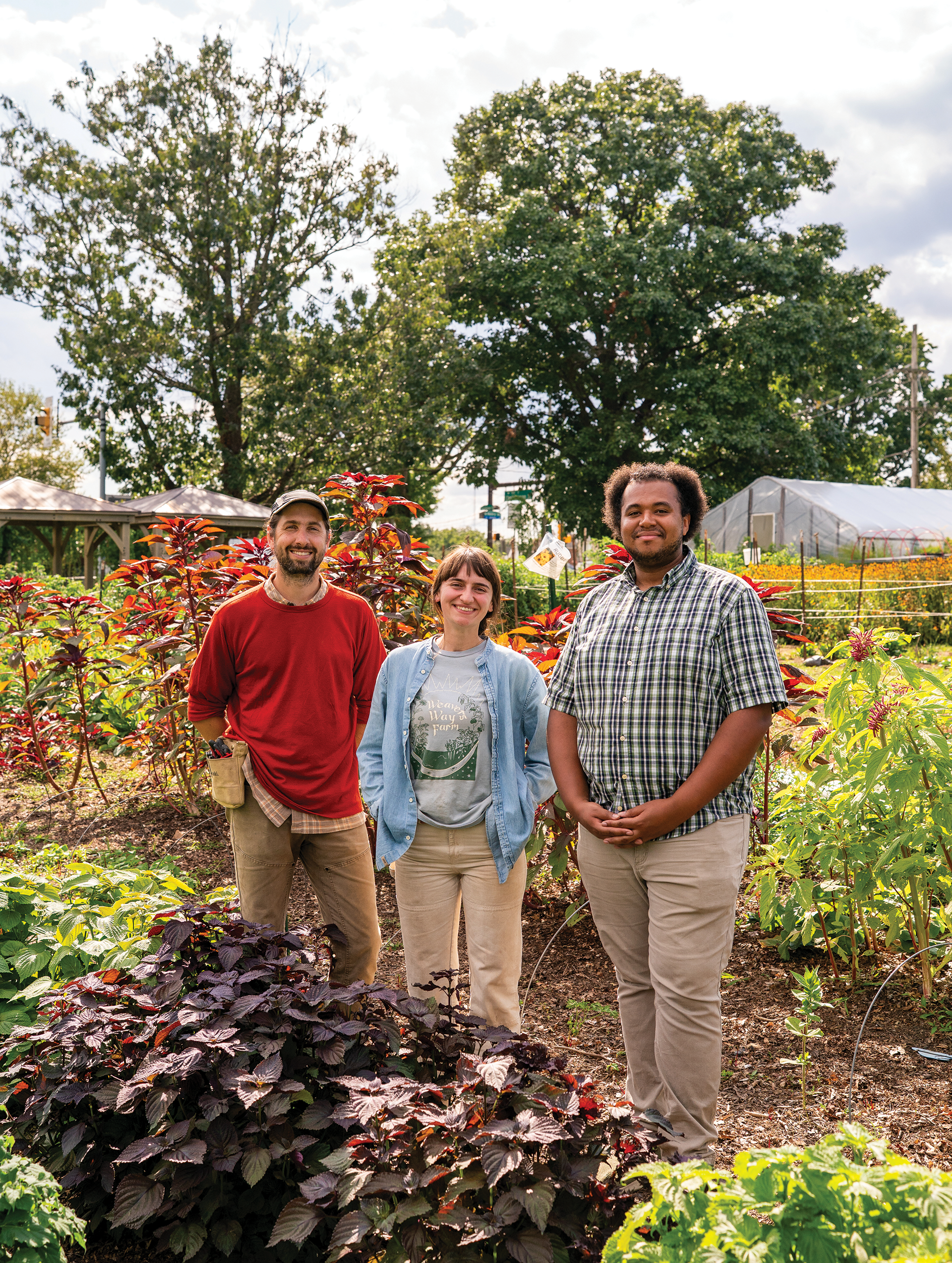
After nearly two decades, Henry Got Crops, the farm at the W.B. Saul Agricultural High School, still doesn’t turn a profit. But that doesn’t bother senior farm manager Ali Ascherio. The partnership between the school and Weavers Way Co-op pays off in other ways.
The vegetable farm takes up two acres behind the school. A hodgepodge of caretakers tend to its produce, herbs and flowers: staff members of the Weavers Way Cooperative, participants of state-sponsored apprenticeships, occasionally the working members of the co-op — and, most importantly, students of the high school.
“Our small vegetable farms and market generally are not profitable and are viewed more as a community resource — a way for folks to participate directly in the local food system, and an opportunity for young and beginning farmers to hone their skills and gain experience,” Ascherio says. “But, in the event that we became profitable, we have agreed to donate half of the profits to the school.”
Student interns voluntarily work on the farm in conjunction with their classes, and they can partake in paid internships during the summer. The farm also offers outside-the-classroom opportunities for students of all grade levels across Saul’s four majors to spend class time in the field.
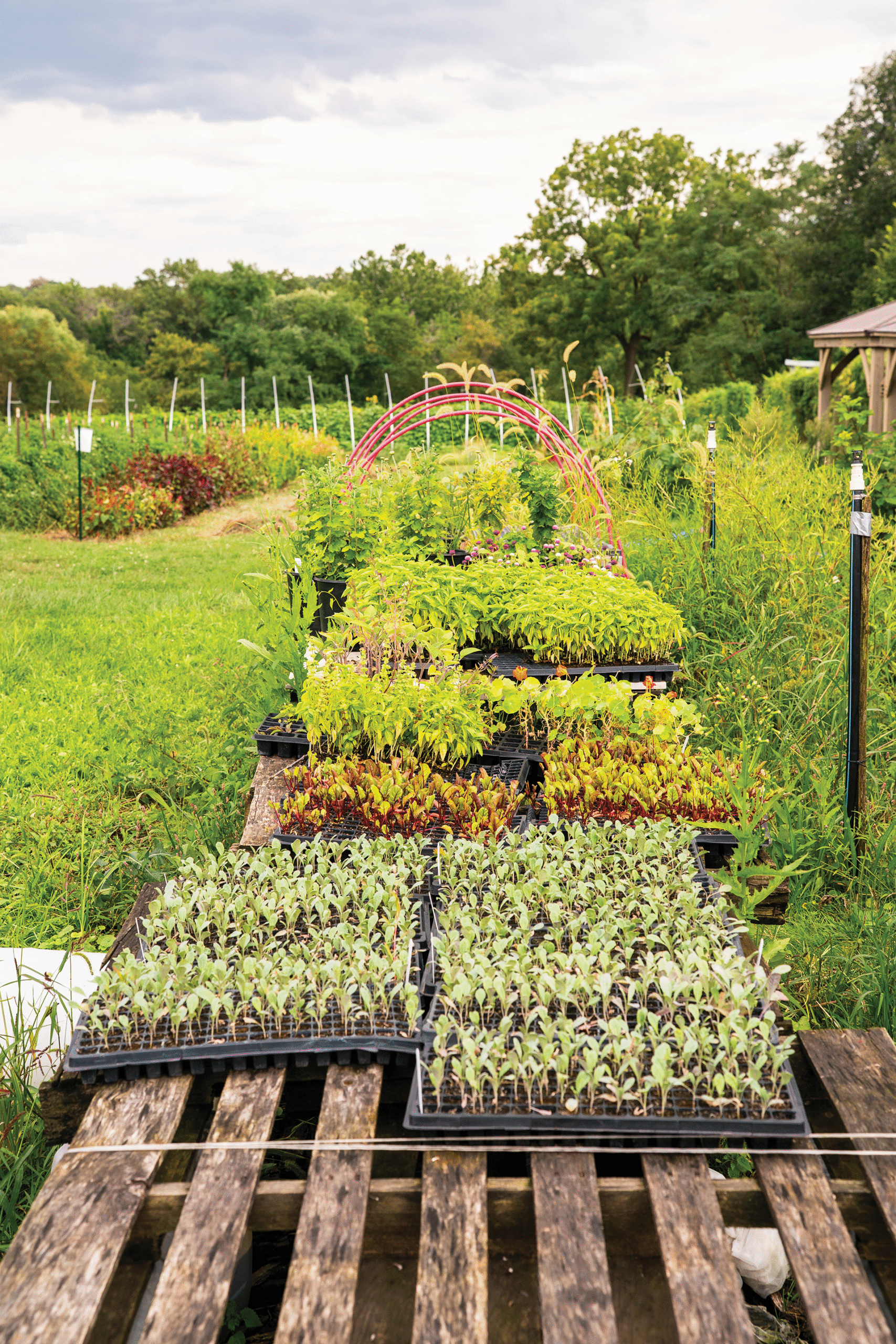
Jacob Turko says that roughly half of the 11th- and 12th-graders he teaches are interested in interning at the farm this year. Turko, a horticulture teacher at Saul, is considering adding more opportunities to his curriculum for the whole class to head to the farm, so that more non-interning students can reap the benefits of the resource.
“Besides actual interns and employees, we have classes that come out and supplement their curriculum [by] doing projects in our field,” Ascherio says. “We have a goose problem in the spring. A couple years ago, we had an animal science class sort of do goose mitigation research. They put up wildlife cameras and did surveys and tried different methods for mitigating geese.”
While Ascherio says that, in that instance, the students found there wasn’t much to be done about the geese, the recollection highlights the mutually beneficial nature of the partnership: bringing students out to the farm bolsters their classroom discussions, allows them to work through theories and gives them real-world opportunities to experiment in a setting that is sustained by their hands-on lessons.
Even though [students are] doing what we’re doing, there’s a way to do it where it’s still a generative experience for them. They’re not just hands for more work.”
— Ali Ascherio, Henry Got Crops farm manager
“Even though they’re doing what we’re doing, there’s a way to do it where it’s still a generative experience for them. They’re not just hands for more work,” he says.
Interested students can also apply to work at the on-site Farm Market, a Weavers Way storefront that repurposes an old chicken shack that is open four days a week. The market sells produce from the co-op’s farms as well as locally sourced crops and grocery items. In this case, locally sourced means within 150 miles of Philadelphia, according to the co-op’s website.
Jenna Swartz, the Farm Market manager, says that student workers get Weavers Way employee benefits and, from her perspective, invaluable experience in sales and customer service, developing social skills and simply getting familiar with vegetables.
“A lot of students get to take produce home and try it, and experience different produce that they might not otherwise know about,” she says.
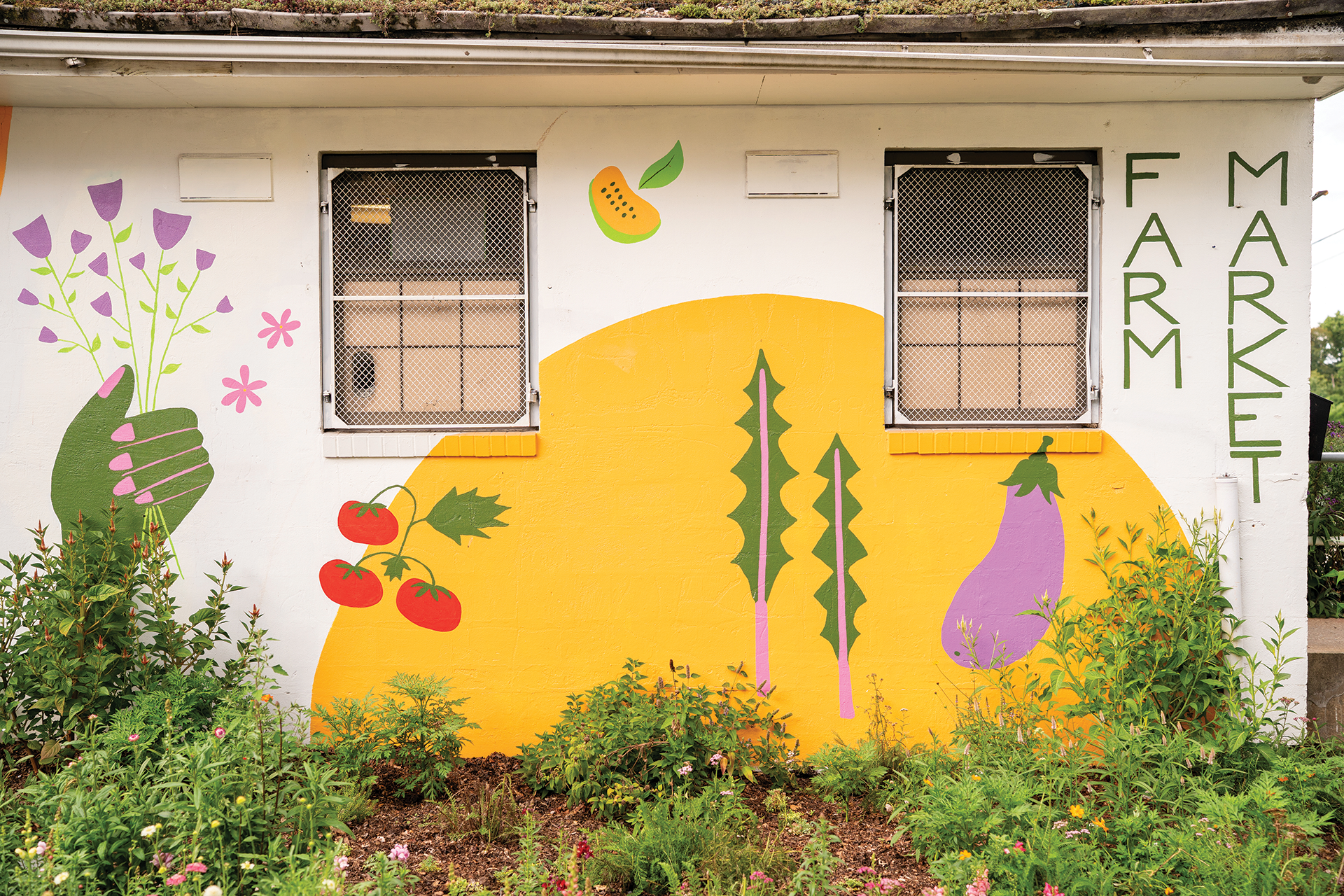
Because Henry Got Crops is a community-supported agriculture (CSA) program, consumers can purchase a share upfront and then receive weekly portions of the crops grown there and at Weavers Way’s Mort Brooks Memorial Farm. Students can participate in the CSA distribution, which allows shareholders to pick up produce weekly, with pickup opportunities occurring three times a week at the farm. There’s also a “You Pick” option at Henry Got Crops, where CSA members pick directly from the field at designated opportunities.
Food Moxie, an educational offshoot of Weavers Way, creates tailored programs to get more students school-wide out onto the farm. Deja Edwards is an educational coordinator who says that this year — her first with the nonprofit — she aims to create programming that builds off of classroom curriculum, specifically focusing on topics that students need additional time to explore.
“I learned early on that teaching outside of the classroom really does show what students really remember,” Edwards says. “That repetition will help their brains actually retain that information.”
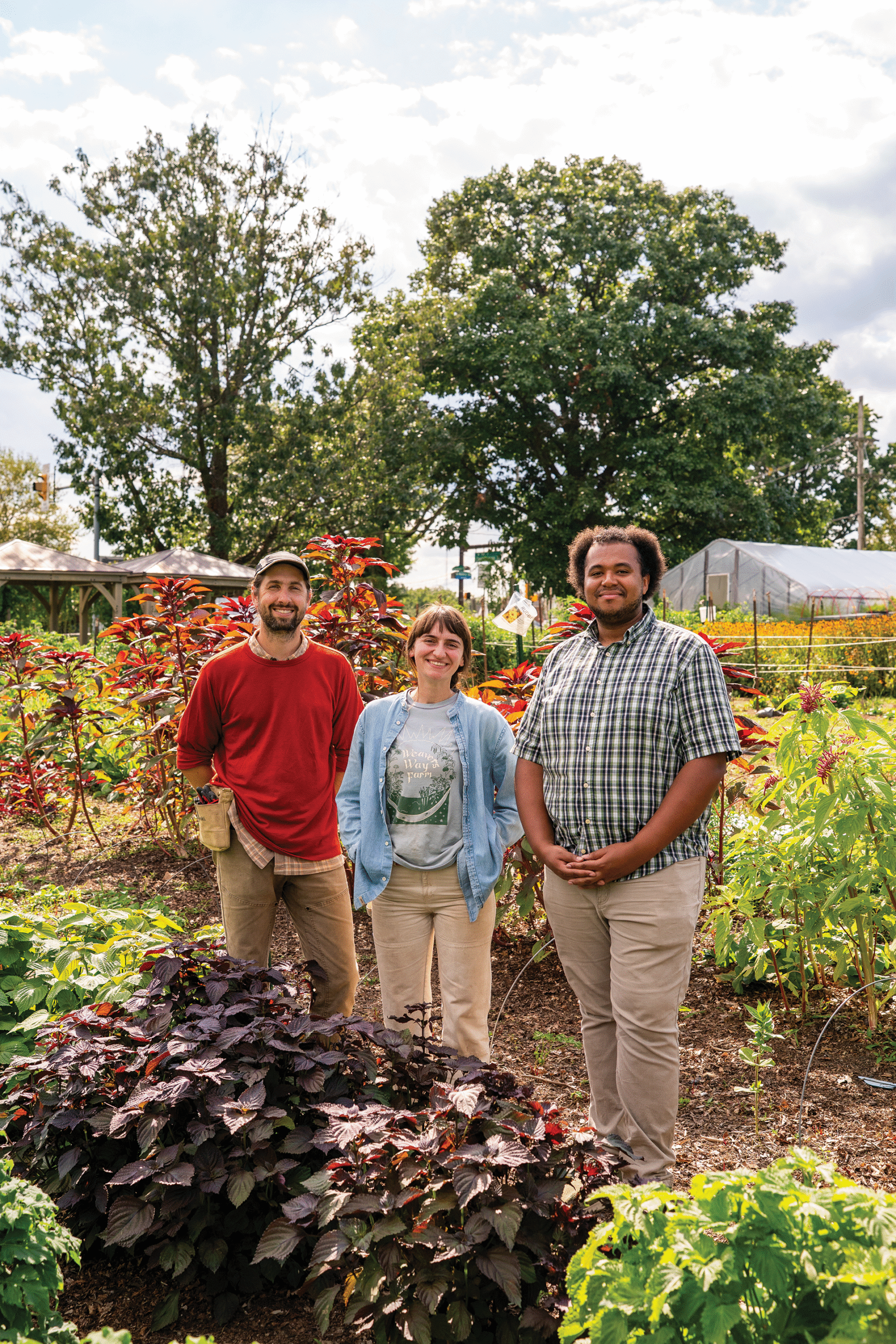
Conversations mapping out the program calendar for the current school year between Food Moxie, Saul faculty and other community players willing to help out are ongoing.
Edwards, who won’t work with the interns but rather with the rest of the student body, says she will also incorporate their interests, which is already a significant factor in bringing the kids onto the farm: similar to how the animal science students attempted goose mitigation, food science majors pick blackberries to make jam, and those in horticulture classes make floral arrangements with varieties blooming in the field.
Turko also says it is important to connect Black youth, who make up about 64% of Saul’s student body, with farming. “I think it’s a personal point too, helping to reframe what does farming, specifically agribusiness, look like for Black students… and changing that framing and mindset of its ties to slavery,” Turko says. “There’s a lot more to it in terms of ties culturally and, for some students, spiritually as well.”
Henry Got Crops has flourished in both ongoing student participation and CSA buy-in, which is at an all-time high of 282 shareholders, thanks to years of collective, intentional effort. “Nobody’s boss essentially decided that this partnership was going to happen — it was people who work for these organizations that saw potential, came together and made it happen, which I think is so special, but it also takes work to maintain,” Ascherio says. “This has become a really special place.”
For more information and to sign up for Weavers Way community-supported agriculture, visit weaversway.coop/stores/csa/