Black grease smeared across my phone screen as I plucked at the keyboard. “About to take trash bike for a spin,” I wrote in the group chat. “It’s either going to be awesome or deadly.”
A minute later, the first response: “11 p.m. sounds like the best time to try a bike out for the first time.”
My friends were probably tired of hearing about my trash bike project. I’d been giving play-by-play updates for a month, ever since I came across a rusty road bike left out on the sidewalk for scrappers.
I took it home with a vague plan for a sustainable summer project: refurbish and piece it together with other found bike trash from the neighborhood.
Never mind that my bicycle repair skills were limited to changing a tube and installing basic add-ons; I live in an era in which anyone with a phone can learn how to do just about anything — and people throw everything away.
With that in mind, I set a goal to build a bike for $0.
That goal was dashed immediately. It turns out a screwdriver, hammer, hex key set, tire lever and wrench are not enough to Frankenstein a bicycle together.
I visited the worker-owned cooperative Keystone Bicycle Co., where an employee figured (correctly) that I needed three new tools and some goo: a chain tool, freewheel remover, wire cutter and rust remover (cost: $118).
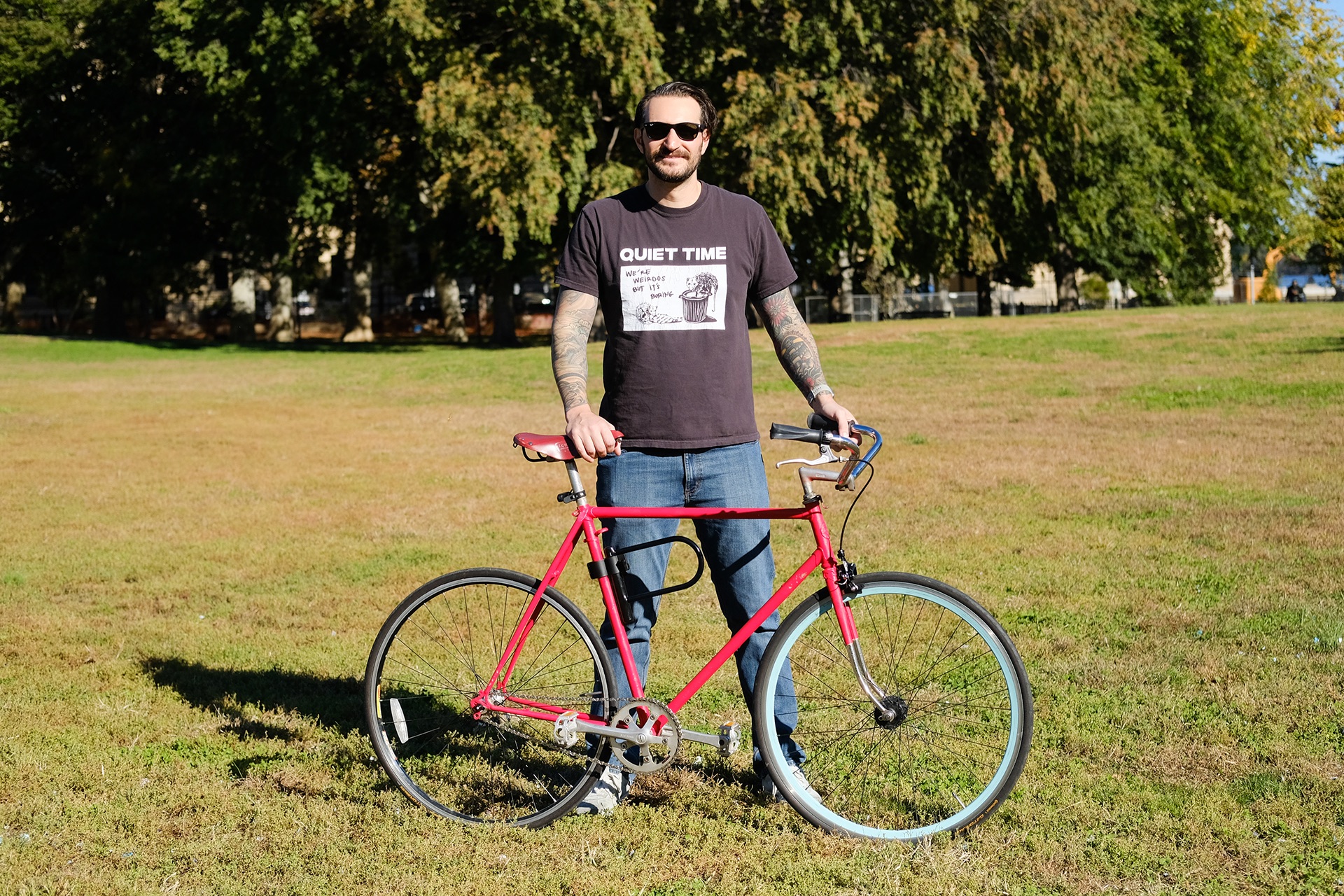
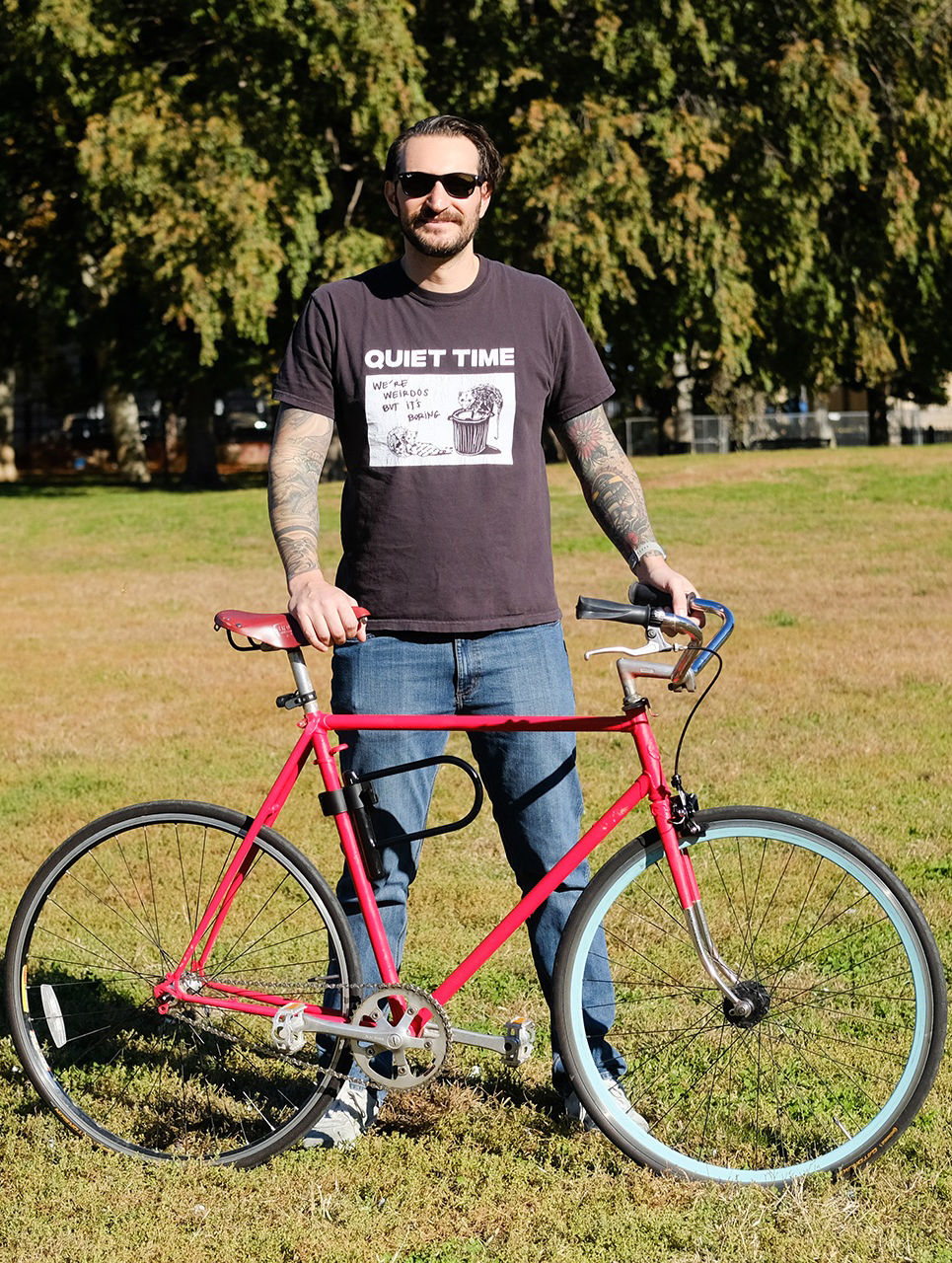
Now the real work could begin. Over hours spent sanding the frame and removing rusted brakes and gears, I realized my options were practically limitless. I could build the bike exactly the way I wanted: cherry red, like the vintage Peugeot my dad passed down to me when I was a teenager; with tall, wide granola handlebars so I’m not always leaning over when I ride it; and single speed, like the beater I used to learn Philadelphia’s geography in the early 2000s.
You can find almost anything on the city’s streets. College students dump their whole lives on the sidewalk when the semester ends. My neighbor who scraps metal estimates he’s picked up thousands of bicycles — an estimated 15 million are discarded worldwide each year. Bicycling is better for the environment than virtually any other form of transportation, but a discarded bike can take hundreds of years to decompose.
Luckily, as long as a frame isn’t bent or warped, it can be the body of your bike. Places like Neighborhood Bike Works (which salvages reusable bikes and parts from sources including the City’s yearly dead-bike sweeps) will even teach you how to maintain it.
Within days, I found usable pedals, brakes and the highly coveted granola handlebars. I bought glossy red spray paint from Benito’s Ace Hardware (cost: $20). My friend Jorge Brito had a basement full of bike junk and offered me wheels, a stem and a saddle (cost: $60). I did the responsible thing and bought new brake pads and tubes from Frankenstein Bike Worx in Center City (cost: $25), and spent my nights rewatching YouTube bike repair videos.
All of which led me to my 11 p.m. maiden voyage. My first ride on “trash bike” was neither awesome nor deadly; it lasted about 100 yards before a chain link broke. I rolled the half-block home, reattached the broken link and retightened everything.
It would be another week and a slow ride on the Delaware River Trail before I realized I needed a new brake that fit the wheel (cost: $20).
In the end, I spent $243 — which, while not $0, is a deal for my new skills and the feeling I get from riding it. There’s a bicycle project out there; you just need to find it.