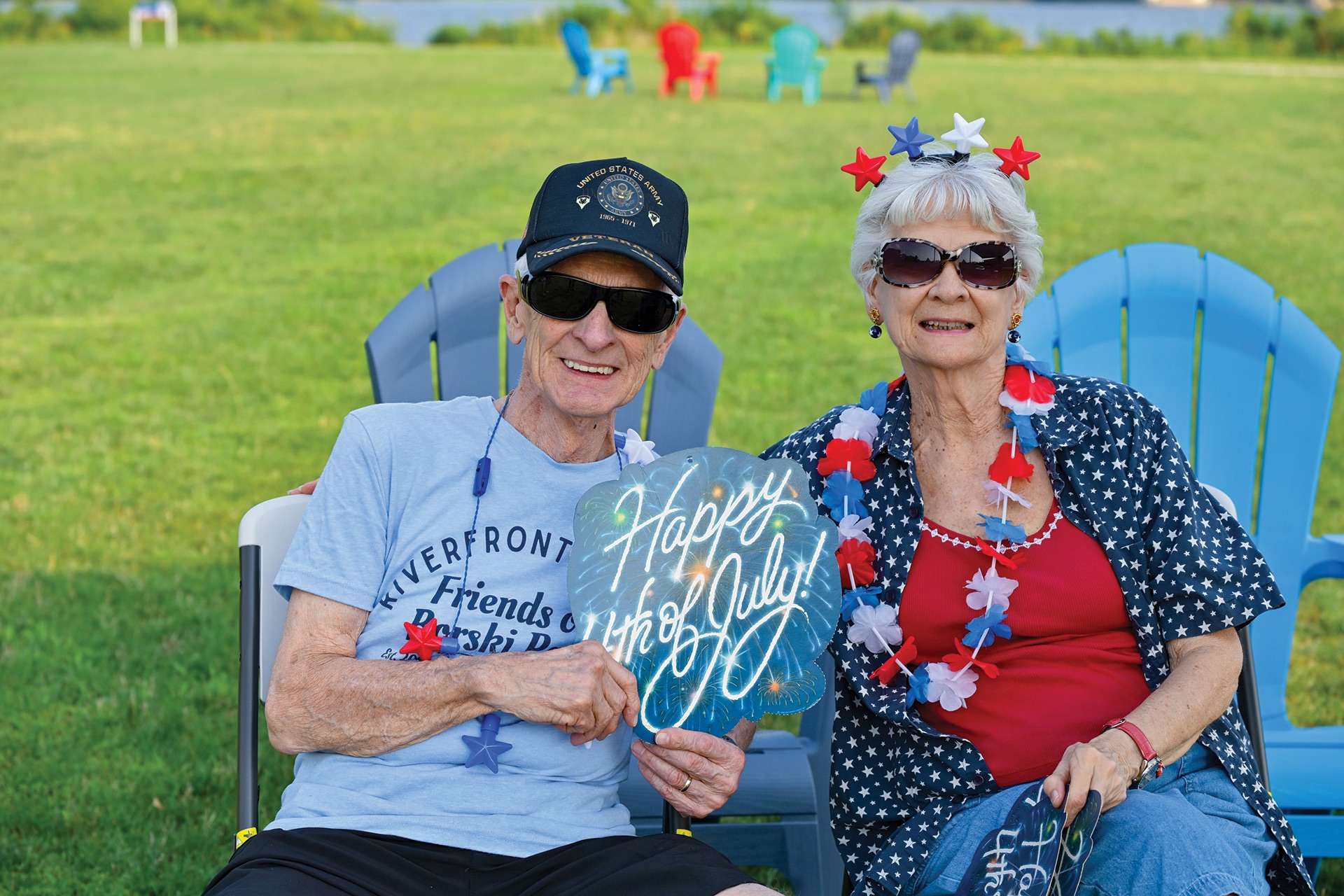
In the year since Borski Park officially opened along the Delaware riverfront in Bridesburg, it has been home to an exciting slate of events, including a five-day beer pop-up hosted by Parks on Tap, a weekly “silver sneakers” exercise class designed for older adults, and a patriotic bicycle decorating contest celebrating July 4. But for longtime Bridesburg residents Tony and Fran Coppola, it’s their hidden gem of tranquility.
“It has that calming, just restful feeling, being there,” Tony Coppola says. “And it’s nice — the kids are playing, there’s activity in that regard. So you get a little bit of everything.”
The couple lives about a half-mile from the park. With the opening of Borski Park, 97% of Philadelphians now have access to a park within walking distance of where they live, according to the Trust for Public Land’s 2026 ParkScore index.
“We’re getting closer to 100%, which is amazing, because that means that every resident in Philadelphia, hopefully in the next couple of years, will be able to access a public space within a 10-minute walk,” says Elizabeth Class-Maldonado, associate vice president and Pennsylvania state director of Trust for Public Land (TPL).
The ParkScore results also show that Borski bumped Philadelphia up one spot in TPL’s national ranking of cities by park system quality, which rates categories like acreage, access and investment. The report found that “every $1 invested in parks and recreation returns, on average, at least $3 in local economic benefits each year,” as a result of things like lower healthcare costs from access to a public space for fitness and recreation, among other factors.
Class-Maldonado says that seeing industrial spaces becoming spaces for communities to access for recreation is “transformational, especially with Borski Park. It was an area that people didn’t have access to anything related to nature at all.”
Borski Park is the eighth and final park imagined in Riverfront North Partnership’s (RNP) original 2005 master plan for the Delaware waterfront, says executive director Stephanie Phillips. The park transformed a former concrete factory site into a public green space, reconnecting longtime Bridesburg residents with the riverfront they had been cut off from for decades while creating a new park for future generations to enjoy.
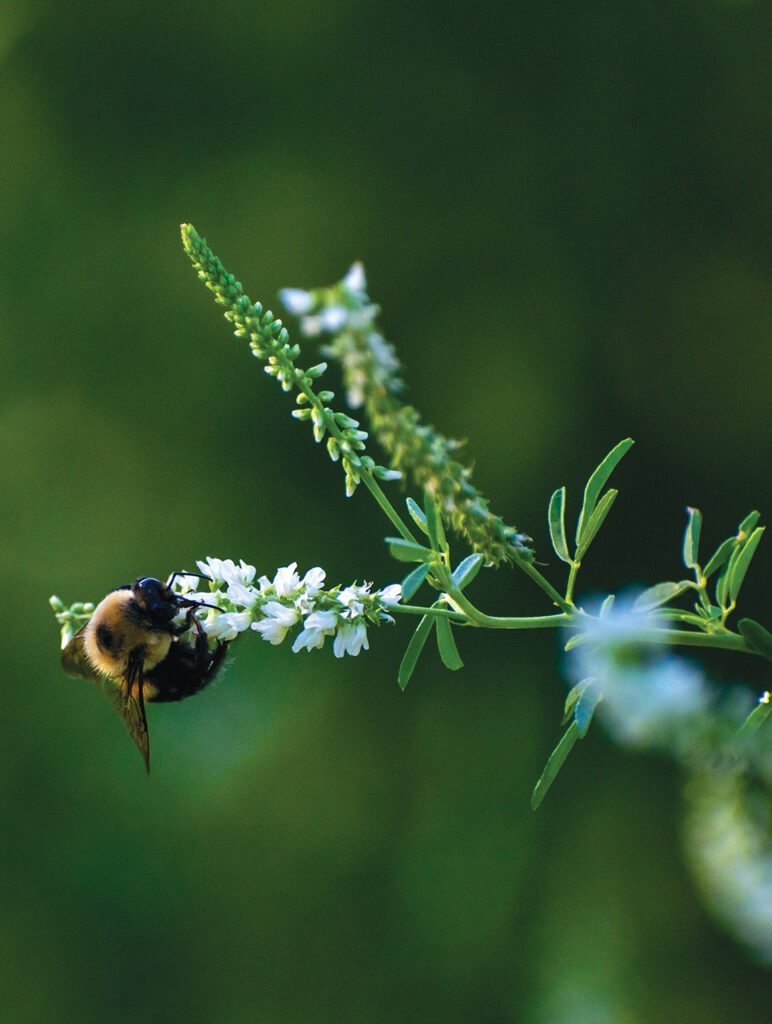
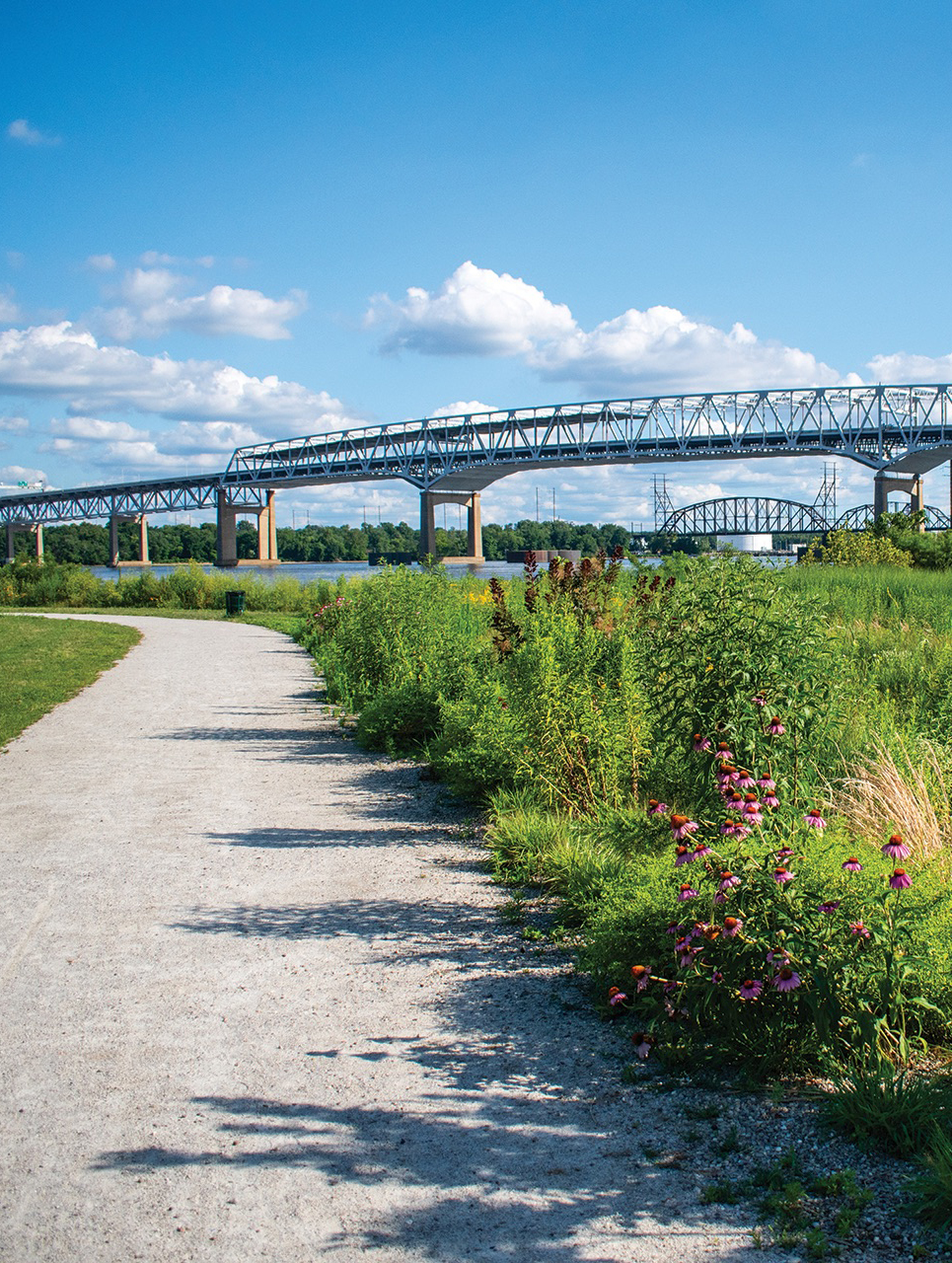
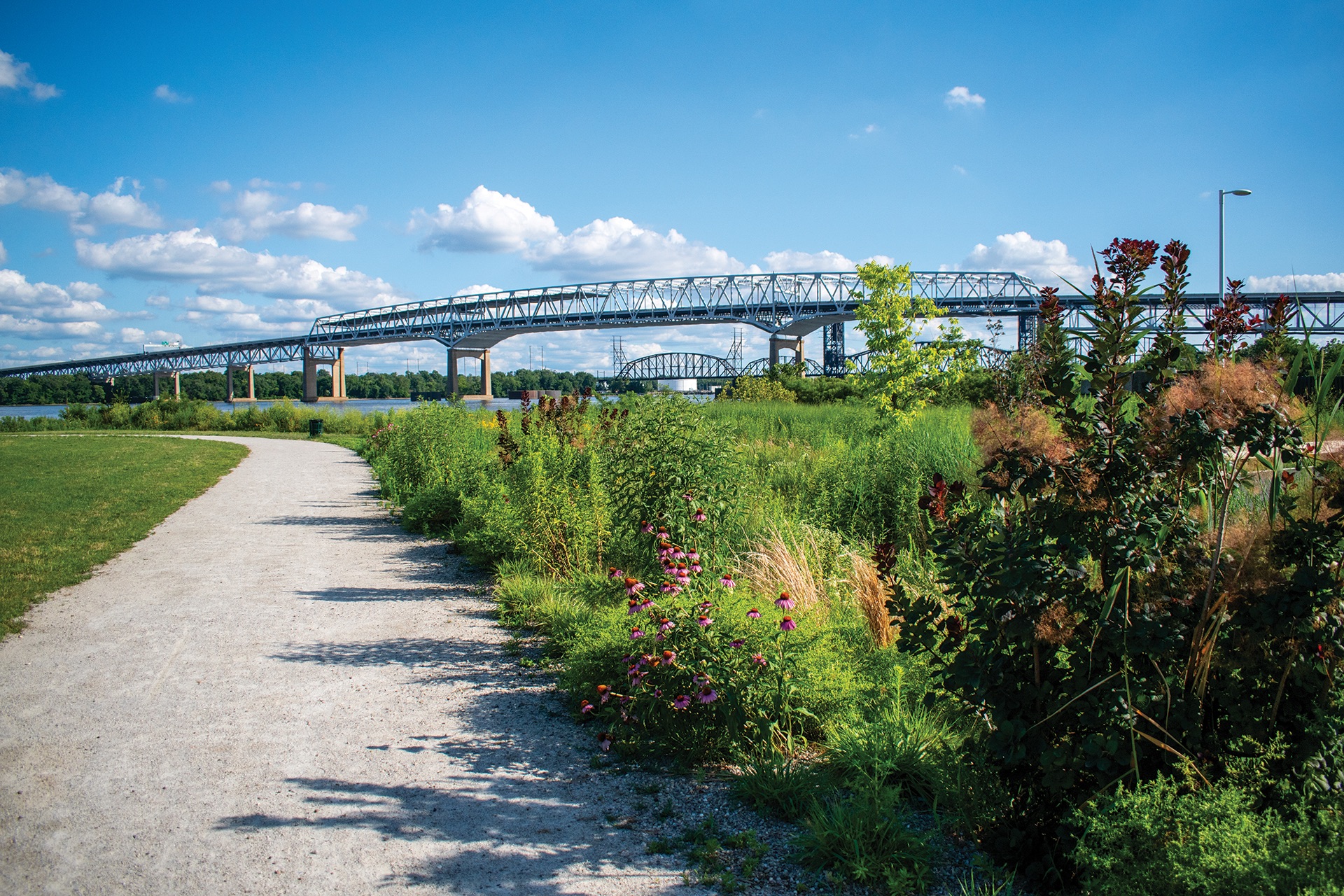
The 10-acre park is split almost in half between two distinct green spaces: a multipurpose lawn, known as the Great Lawn, and a wooded area to the northeast called the Upper Meadow. From the park entrance, a gravel trail leads visitors between a series of rain gardens toward a view of the Betsy Ross Bridge, then loops around the lawn and connects up into the meadow. That walking path winds between lush tall grasses and patches of wildflowers buzzing with bees and dragonflies — a native garden that Phillips says grew naturally from the rocky soil left behind by demolition debris deposited at the post-industrial site decades ago.
“All we really have done there is to manage invasive species, and we installed some walking paths,” Phillips says. “It’s just this lovely little natural space.”
“To have lived in the neighborhood this long, and to have waited 79 years for this to happen, it’s unbelievable to me.”
— Fran Coppola, Bridesburg resident
On a July evening, when Grid visited the park, the serene meadow’s overlooks offered a moment of solitude, but the Great Lawn was sprinkled with activity. The main event was an all-ages beginner bike-riding class, a father and son kicked a soccer ball around, volunteers picked weeds and a lone angler fished from the concrete shoreline. Fishing at the shoreline is popular among young and old, Tony Coppola says, now that the water’s edge is accessible.
The park’s shoreline is made up of roughly three acres of concrete, a holdover from the site’s history as a former concrete factory.
“The concrete trucks would just dump their dregs directly into the river for decades, and that created what we call the ‘concrete lava mountain,’” Phillips says. “When we were in design, it was decided that there was just too much of the ‘lava’ to actually try to restore a natural shoreline.” But, she says, those mounds of concrete at the river’s edge tell the story of the site’s industrial background.
During construction, some of the concrete shoreline was cut to create drainage ditches, which people now use to access the river for fishing. RNP is currently fundraising for a second phase of construction, which will add a wooden boardwalk to the shoreline, providing even more up-close access to the riverfront.
“Fishing is one of those activities that naturally bridges cultures. There’s a really wonderful youth and elder connection when it comes to fishing and mentorship,” says Jazmine da Costa, senior program officer at the William Penn Foundation (WPF), which helped fund planning, construction and programming for the park over several years. Da Costa says that riverfronts naturally bring people together and bridge divides, and Borski Park is a space that exemplifies those programming opportunities.
Funding from the foundation supported a six-year community engagement effort, including an advisory council, park visits, art campaigns and neighborhood events.
“When we would go to community meetings at first in 2018 and 2019, what we heard was like, ‘This park is never going to happen. We’ve been promised this park for 20 years. It’s never going to happen,’” says Phillips. “And then it kind of morphed into, ‘Oh, this park is happening. How do we make this a safe and welcoming spot for our community?’”
For years, the Coppolas thought they’d never see the long-promised park come to fruition. But when they set foot in the finished Borski for the first time last summer, Fran was in awe and full of gratitude.
“To have lived in the neighborhood this long, and to have waited 79 years for this to happen, it’s unbelievable to me,” Fran Coppola says.
The Coppolas are original members of the Friends of Borski Park, which had roughly 30 people at the park’s ribbon cutting. Tony says the Friends group works to ensure the park offers programming for all ages and meets the needs of the community as it evolves into its future.
For the second phase of Borski’s transformation, there are also plans for a band shell, terraced lawn seating and a picnic pavilion on the Great Lawn, making it a potential venue for live music and entertainment. But its identity will still be that of a nature park, Phillips says — the park will eventually become the near-midpoint of a fully connected 11-mile greenway. Two trail segments have yet to be completed: one connecting Borski to the Frankford Boat Launch, which PennDOT is set to break ground on in 2029, and the other connecting Pennypack on the Delaware Park to the Tacony Boat Launch, which is currently in active design, Phillips says.
“You get to Borski Park, and it’s really more about nature. It’s about enjoying. That’s what the whole meadow is. And I don’t think people were able to really envision that until they were actually in the space. And it’s been really nice to see them embrace it,” says Phillips.