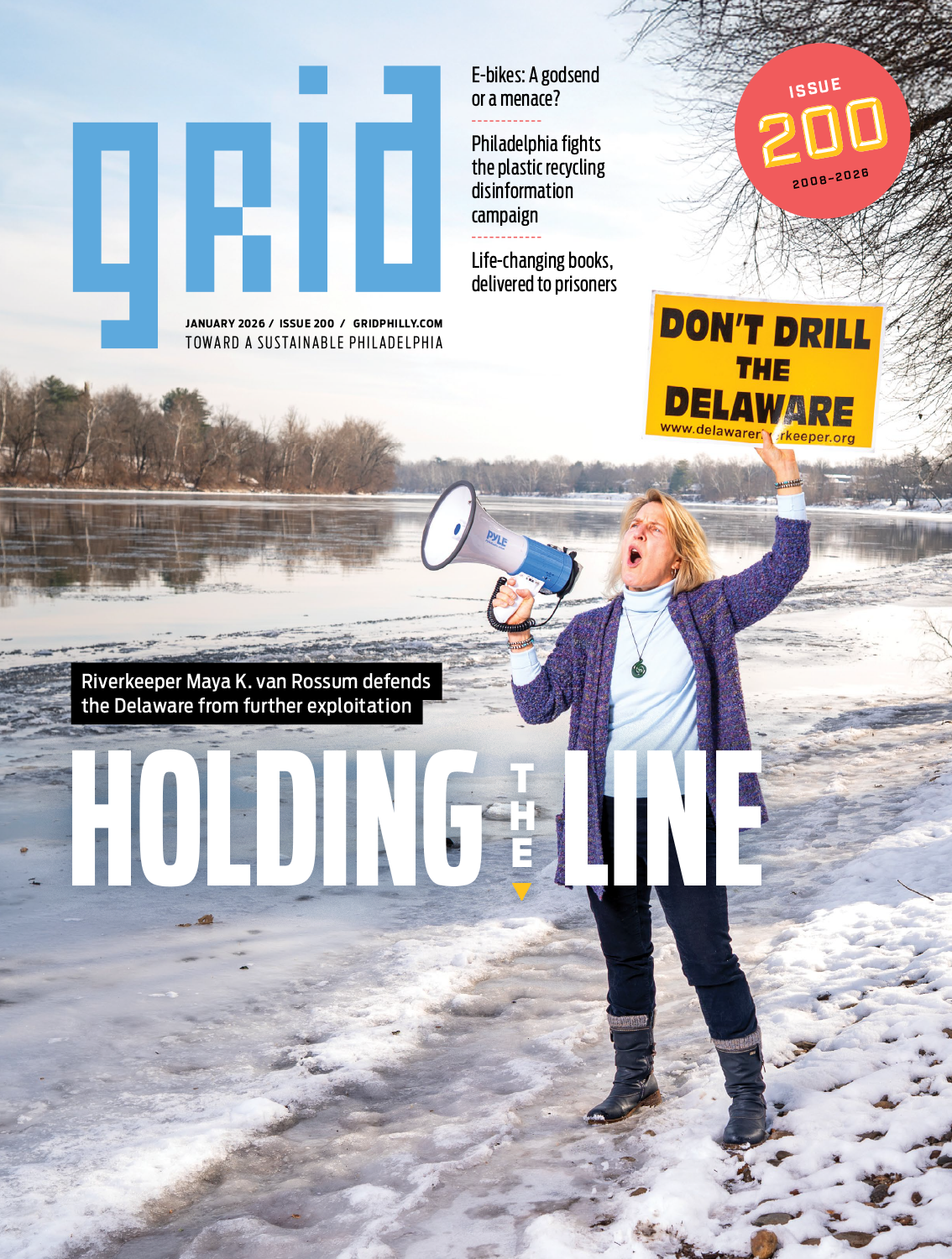
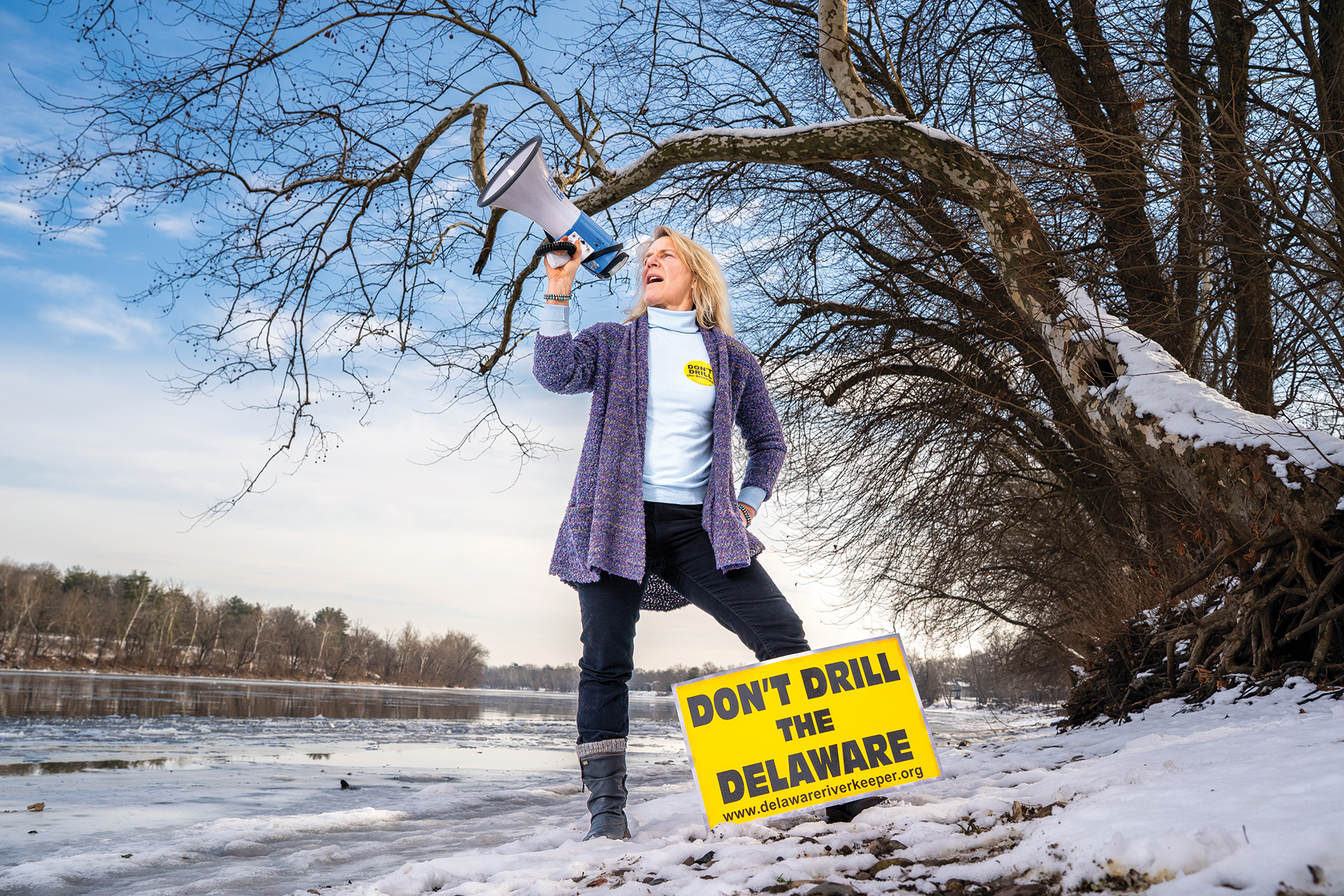
Delaware Riverkeeper Maya K. van Rossum always knew 45 feet was a stopping point on the way down to 50. As head of the Delaware Riverkeeper Network, she led a three-decade battle against the Port of Philadelphia’s plan to deepen the Delaware River’s main shipping channel. Despite environmental concerns and a lengthy lawsuit, the project went ahead. The river’s new 45-foot depth was cemented in 2021 when the final few inches of bedrock were gouged away.
But not even bedrock is set in stone. In October 2024, the port signaled its intent to deepen the river by another five feet.
“I said throughout that as soon as they got permission to go to 45, they would very quickly pivot to try to get to 50,” says van Rossum.
The “announcement,” appearing on page 46 of the port’s 60-page strategic plan, activated van Rossum’s alarm bells. Now, she is preparing the Riverkeeper Network for another fight. The same concerns about drinking water contamination and species preservation that plagued the 45-foot project remain just as relevant today, and the new project has broached an old question: How should we shape the future of the Delaware River?
A river shaped by industry
The Delaware River has been used for transportation and commerce since the time of the Lenape. Despite its status as the longest undammed river on the East Coast, the Delaware has been dramatically altered by industry since colonization. Between 1898 and today, the U.S. Army Corps of Engineers (USACE) has deepened the floor of the main shipping channel by 25 feet over multiple dredging projects to accommodate larger ships — some as large as four football fields in length.
The Port of Philadelphia’s (PhilaPort) strategic plan lays out a multi-phase vision for the next 15 years of commerce on the river — a vision that stresses the need to remain competitive.
“A 50-foot channel would allow PhilaPort to accommodate larger vessels and compete with peer-ports for traffic in high volume trade-lanes,” the plan states. The port estimates that this, along with other infrastructure improvements detailed in the report, will generate $2.84 billion in new business revenue and $170 million in state and local taxes by 2040.
Proponents of the original 45-foot project similarly claimed deepening was a competitive imperative, and that the estimated $13 million of annual benefit outweighed the price tag, which grew to $480 million as the project progressed. Two thirds of that bill was footed by the federal government. Ryan Mulvey, director of government and public affairs at PhilaPort, says the port is already seeing an economic difference from the deepening.
“We are setting records year-over-year on our container growth as well as new auto imports,” says Mulvey.
USACE also conducted four comprehensive environmental impact assessments of the 45-foot project in 1997, 2009, 2011 and 2013. Saltwater contamination of the water supply was a chief concern evaluated in these reports.
The Delaware River is an estuary, where salty ocean water and fresh river water meet. The upstream edge of the salty portion of the river, known as the salt line, shifts up and down with the opposing forces of river and tide. A drinking water intake for Philadelphia is located well above the normal salt line, but reduced river flow or increased pressure from the ocean can push the salt upstream toward it. The closest the salt line has ever gotten to infiltrating the water supply was during the historic 1960s drought, when it stopped just eight miles south of the intake.
Dredging, according to Robert Chant, a professor in Rutgers University’s Department of Marine and Coastal Sciences, will make it worse. The river’s flow is limited, but the pressure of the sea is endless, so a deeper channel will fill with saltwater, pushing the salt line upstream.
The 1997 USACE assessment modeled the impact of a 45-foot channel and determined that even in the extreme drought conditions of 1965, the salt line would have only moved 1.3 miles further upstream. Since it still fell short of the intake, USACE deemed the risk acceptable.
A river changed by climate
Chant says the impact of the 45-foot deepening project on the salt line may already be presenting itself. During a dry spell in November 2024, the salt line reached farther upstream than any year since the 1960s. October 2025 broke that record again.
It will take at least another year of data to certify, but Chant suspects these two major saltwater intrusion events are the result of dredging. When comparing historical river flows to spikes in salt line movement, he says, “there were periods of longer low flows in the ‘70s or the ‘80s that didn’t produce the salt intrusion that we’re seeing today.”
In one dredging operation, they can basically do what climate change will take a couple hundred years to achieve.”
— Robert Chant, Rutgers University
These signals are showing up against the backdrop of significant regional climate changes. According to the Northeast Regional Climate Center, while the Northeast is generally getting wetter with climate change, precipitation is more often falling in extreme bursts, with extended dry days in between.
Additionally, Philadelphia has experienced just over eight inches of sea level rise since 1992. Models from the U.S. Earth Information Center show it rising by another nine inches by 2050. Since rising seas will irrevocably advance the salt line, Chant questions pushing the river’s boundaries any further with dredging.
“Even in the worst-case scenarios, we’re not going to see a five-foot sea level rise in 100 years,” says Chant. “In one dredging operation, they can basically do what climate change will take a couple hundred years to achieve.”
A river for the fish
The Delaware River estuary is home to hundreds of species of fish, mollusks, birds and aquatic plants. Many species are highly sensitive to changes in salinity and will either be pushed upstream with the salt line or simply become stressed and die.
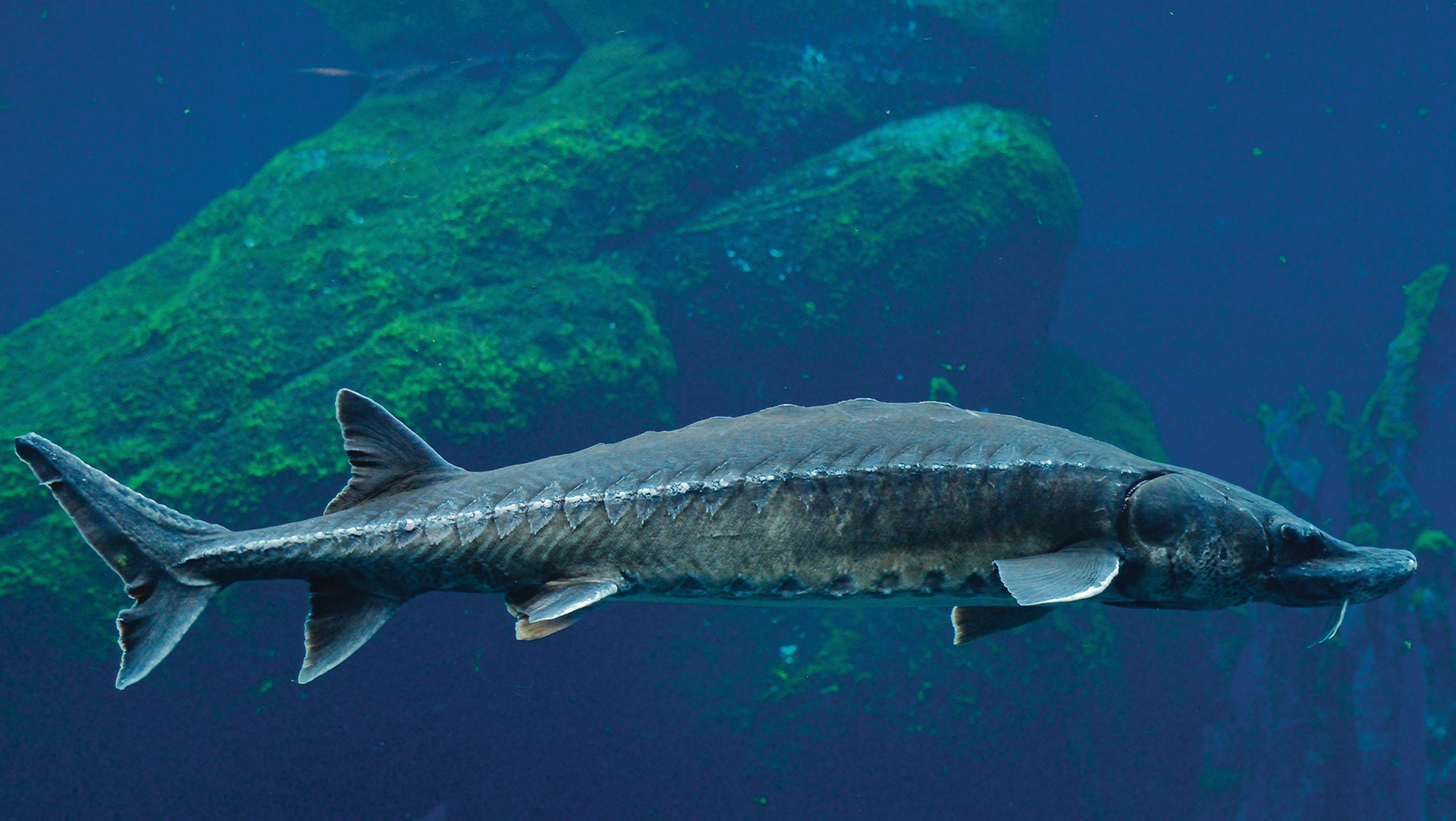
Of particular concern are the federally endangered Atlantic sturgeon, prehistoric-looking fish with bony plates along their backs and whisker-like protrusions hanging off their elongated snouts. Dwayne Fox, professor of fisheries at Delaware State University, says dredging is just one environmental insult that the species has borne in the last century. Overfishing, pollution and poor water quality have shrunk the population in the Delaware River to just 250 spawning adults.
The fish rely on safe freshwater habitat to spawn, which the upstream advance of the salt line threatens. Additionally, sturgeon like to hunt in the deeper, faster-flowing central channel, putting them in the path of oncoming ships.
Atlantic sturgeon were listed as endangered in 2012, two years after a federal district court gave PhilaPort the green light to begin dredging. But since then, Fox says, sturgeon experts have seen very little movement to create and execute a species recovery plan for the Delaware.
“I think the key is to get everybody in a room to start talking,” says Fox. “But here we are in 2025 and that still hasn’t happened.”
A river for the people
Conversation, van Rossum says, was sorely lacking during the last dredging project — so much so that by the end of the fight, she was submitting weekly Freedom of Information Act requests to acquire public information that was otherwise not forthcoming. She is concerned this pattern will repeat itself if the 50-foot project gets underway.
PhilaPort slots the deepening project into the second phase of their plan, which may not even begin for another decade, but Mulvey says the port is eager to start as soon as possible.
“If we were able to set aside some of the bureaucratic hurdles, and obviously the cost associated with these types of projects, we would want to start going to 50 feet tomorrow,” says Mulvey.
When we make the river and its protection the top priority in all government decision making, that’s when we best protect our people.”
— Maya k. van Rossum, Delaware Riverkeeper
The first hurdle, cleared in 2024, was securing authorization in the Water Resources Development Act to conduct a feasibility study, which would surface potential environmental and civil concerns. The port has yet to secure funding to undertake the study, however. Mulvey says PhilaPort is committed to transparency and invites community members looking for more information to attend the public sessions of the port’s board meetings, held on the third Monday of every month.
Any formal pursuit of 50 feet will require the involvement and approval of agencies like the Delaware River Basin Commission, USACE and the Philadelphia Water Department. Van Rossum will be involved too, using her voice to ensure decision makers value not just economic benefit, but all the communities — human and nonhuman — that call the river home.
“When we make the river and its protection the top priority in all government decision making, that’s when we best protect our people,” says van Rossum.
A Look Back

Notes from Publisher Alex Mulcahy
When Samantha Drake reported on this in 2008, we listed the contaminants, including arsenic, copper, lead, mercury, zinc and polychlorinated biphenyls (PCBs), that the act of dredging the Delaware River would stir up, as well as the need to dispose of the “spoils,” the 26 million cubic yards of contaminated sand, clay and silt the process would produce. This was a level of detail we felt was missing in existing media, and that rather than gloss over the issue as the “environmental concerns of advocates,” we would draw attention to the specifics of the impacts.