As the holiday season approaches, college campus cafés are preparing for the influx of students ordering coffee and pastries to power them through final exams. But once the semester officially ends, what happens to the product that isn’t sold?
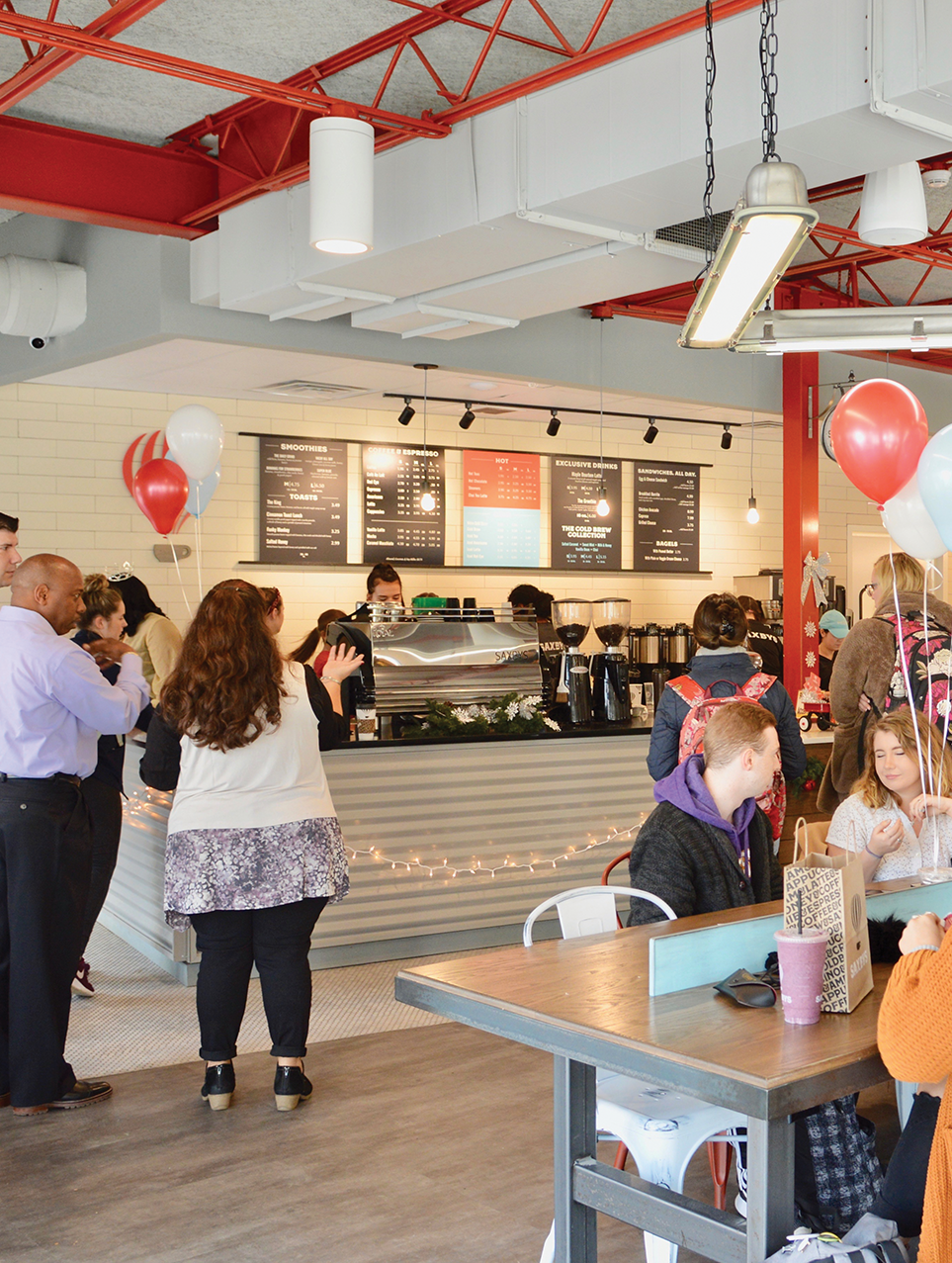
That’s what Saxbys cafés across nine states tackled last academic year as they participated in the Inventory Wind-Down Challenge, the second iteration of the Food Saver Challenge held by the Sustainable Business Network of Greater Philadelphia (SBN).
The first challenge, won by Crust Bakery, was a competition between various food businesses in Philadelphia. Caterers, grocery stores, bakeries and cafés competed to reduce their organic waste or divert it from landfills through strategies like composting, donating and even creating new recipes using food scraps.
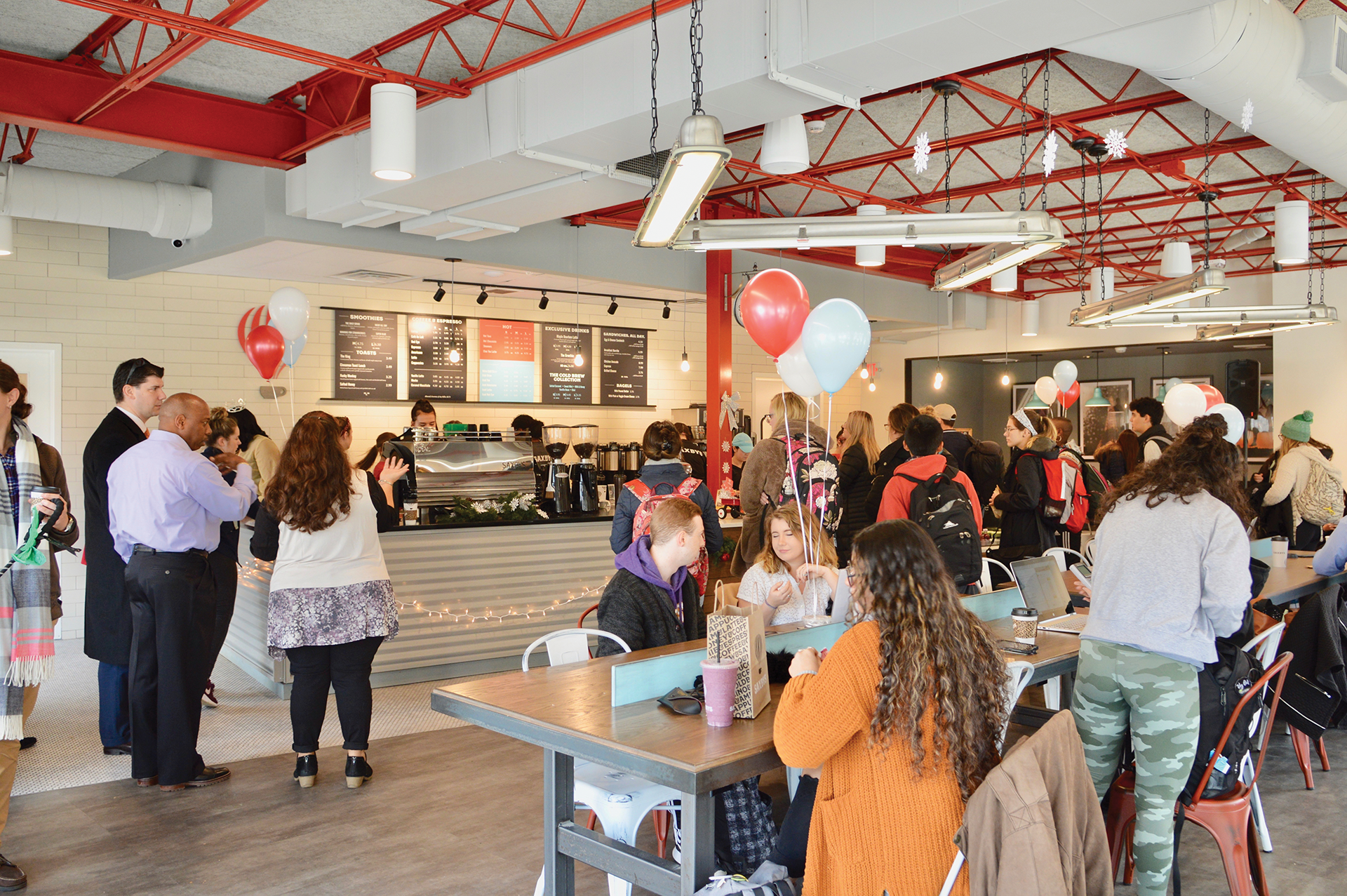
For the second challenge, things worked differently: Instead of having different businesses compete, SBN partnered with Saxbys, and the coffee chain had its café locations compete against each other to earn the most points for waste reduction practices. That friendly competition was a great fit for Saxbys, says Rebecca Nichols Franqui, program and membership manager at SBN, since it operates on an experiential learning model, in which most cafés are located on college campuses and are run fully by students.
“They got really invested. They cared deeply and really had fun with it,” says Nichols Franqui. “Lots of them really did embrace the topic and the cause in general of preventing food waste.”
In accordance with the university calendars, most Saxbys cafés close for weeks at a time during summer and winter breaks. As each semester winds down, they tend to see increased traffic during final exam weeks, followed by a massive drop in sales as students leave campus. These drastic shifts were driving large amounts of food waste at the start of each break, necessitating a process for “winding down” inventory without running out of stock.
“We want the guest experience the day before break to be the same as any other day,” says Alexandra Romey, director of product and operations implementation at Saxbys.
Twenty-eight participating Saxbys locations took on the challenge in the final weeks of the fall 2023 and spring 2024 semesters. Cafés earned points for actions like tracking expiration dates, making purchasing decisions based on actual use, and donating food that would expire during a break to a campus partner or compost collection organization. But that didn’t mean the cafés that ordered the least fared the best – they lost points if a menu item went out of stock.
“You can’t have a Saxbys without cold brew or grilled cheese. Our team has to have these menu items every day until the very end of the semester,” says Romey.
In addition to actual product savings, the challenge also resulted in major cost savings for Saxbys. According to SBN’s Food Saver Challenge report, nine Saxbys cafés saved thousands of dollars during the challenge. It was so successful, Romey says, that Saxbys will continue implementing these inventory wind-downs at future breaks.
“Especially right now when ingredient costs are going up, this has been one way that we’ve been able to keep our costs steady,” says Romey.
The third round of the Food Saver Challenge will be in Montgomery County. SBN was selected as one of the grantees for the County’s $610,000 investment in food systems infrastructure grants. The goal of this challenge will be to divert 75,000 pounds of food from the landfill.