The American Lung Association has released its latest annual report on the state of the nation’s air — and the news isn’t good for Philadelphia. In last year’s report, the Philadelphia-Reading-Camden metro area had the 65th worst air quality in the country; now it has the 26th worst.
Based on data collected between 2021 and 2023, Philadelphia recorded a failing grade for all three measures of air quality — and all signs point to the city’s air quality getting worse. Philly averaged 6.3 days per year of unhealthy ozone smog, up from 5.5 days per year. The number of unhealthy days for short-term particle pollution, meanwhile, jumped from 1.5 days per year to 5.8. And levels of year-round particle pollution jumped above the federal standard from 9.1 to 10.0 micrograms per cubic meter.
Bad air quality is bad for everyone’s health. But for Philadelphians who are most at risk — including people under 18 or over 65, as well as people with lung or heart conditions — the consequences are particularly severe.
“One bad air day can be one bad air day too many for a person who is in one of the many higher-risk groups for air pollution,” says Kevin M. Stewart of the American Lung Association. “There are people who are especially sensitive to air pollution who really can’t go out when the air pollution levels are elevated, or can’t do some of the activities of daily life, let alone strenuous activity like sports or hard work. Those people are at risk of needing medical care or being hospitalized. Some people even die from exposure to air pollution.”
We have a great opportunity to clean up our air by switching away from fossil fuel-based heating and transportation. The technology is here. All we need to do is work to adopt it.”
— Alex Bomstein, Clean Air Council
According to Stewart, much of the blame for the city’s declining air quality can be attributed to smoke from wildfires. As climate change accelerates, those wildfires are more likely to continue polluting the air in Philadelphia. “We know that higher temperatures, less rainfall and changes in wind patterns affect how much wildfire risk there is,” Stewart says. “When there are major fires, and especially the closer they are, we are then more likely to experience significant observable problems from that.”
The report is sobering, Stewart says, but it is intended to be empowering. “We are issuing this report to make sure that people know what they’re breathing, what the problems can be as a result of that, but also to let them know that they can express their concerns and encourage their elected officials to do the right thing.”
For Alex Bomstein, the executive director of the Clean Air Council, lobbying elected officials to “do the right thing” in support of healthy air is his job. And he says that we’ve made progress in the past through, for instance, technologies that make fossil fuel-powered cars and power plants cleaner. But those advances have coincided with more cars on the road and greater energy demand, which means that we now need bigger systemic changes. “If you continue to burn fossil fuels, you can’t make that infinitely cleaner,” he says. “We have a great opportunity to clean up our air by switching away from fossil fuel-based heating and transportation. The technology is here. All we need to do is work to adopt it.”
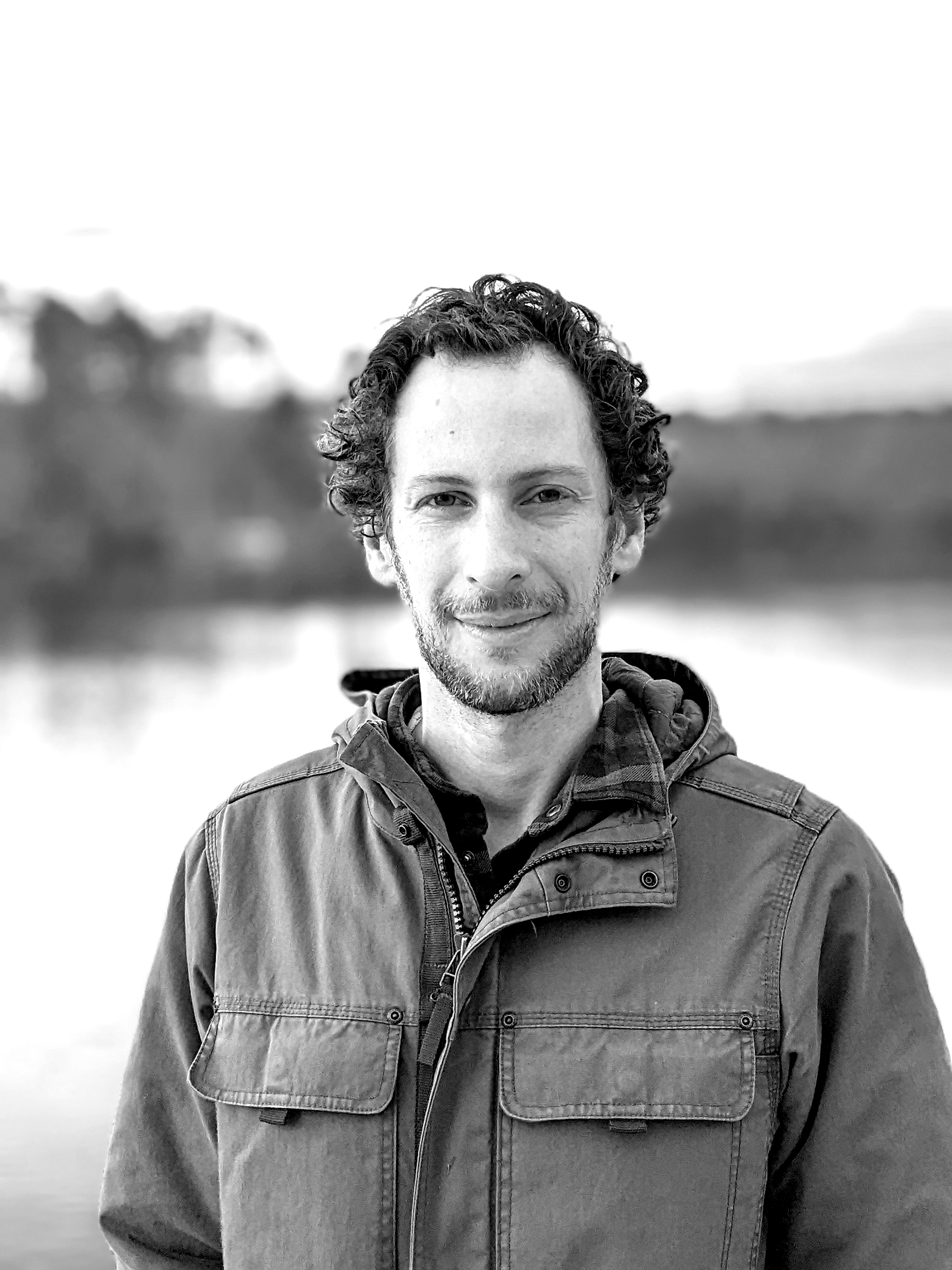
Clean air is entirely achievable, Bomstein says, if we prioritize it. We can, for instance, shutter dirty peaker plants and replace them with batteries, expand funding for public transit to take cars off the road and decarbonize industrial facilities through programs like RISE PA. “There actually is a ton that we can do, but we need the political will and the political power,” he says.
 This special section is a part of Every Voice, Every Vote, a collaborative project managed by The Lenfest Institute for Journalism. The William Penn Foundation provides lead support for Every Voice, Every Vote in 2024 and 2025 with additional funding from The Lenfest Institute for Journalism, Comcast NBC Universal, The John S. and James L. Knight Foundation, Henry L. Kimelman Family Foundation, Judy and Peter Leone, Arctos Foundation, Wyncote Foundation, 25th Century Foundation, Dolfinger-McMahon Foundation, and Philadelphia Health Partnership. To learn more about the project and view a full list of supporters, visit