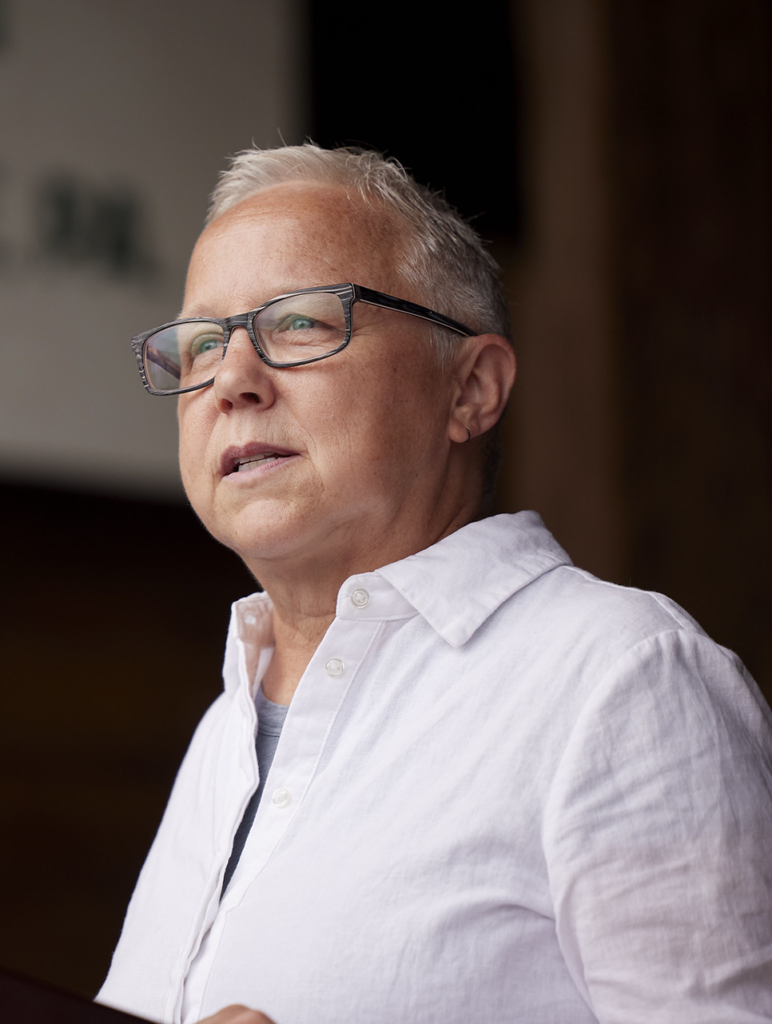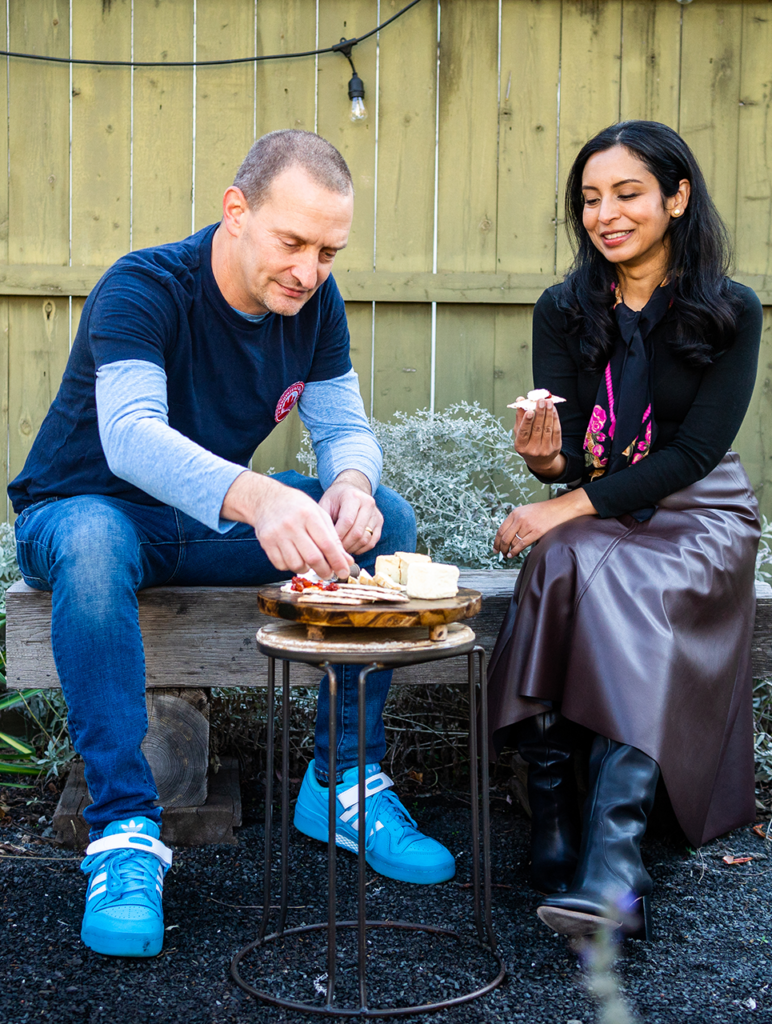

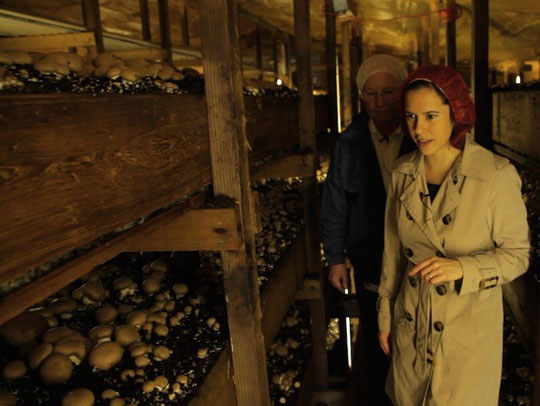
 Nicole Jolly in a from “How Does It Grow?” episode one: Mushrooms.Most Americans probably couldn’t define “agricultural literacy” let alone recognize that they’re, well, agriculturally illiterate. Nicole and Mark Jolly, Philadelphia-based filmmakers and journalists, aim to fill that education gap with their one-of-a-kind film series “How Does It Grow?”
Each of six episodes in the mini-series traces a single crop from “field to fork,” familiarizing viewers with a food system from which the filmmakers argue we, as a society, have become woefully detached. They’ve filmed the first episode—all about mushrooms and filmed at Phillips Mushroom Farms in Kennett Square, PA — and on Nov. 4 they launched a Kickstarter to fund the rest of season one, and they are well on their way with over $17,000, but there are just a few days left until their Friday, Dec. 6 deadline. “Six episodes is just the beginning,” the couple announces on the fundraising page. “There are dozens upon dozens of crops whose stories are waiting to be told.”
“How Does It Grow?” is the couple’s latest endeavor in their award-winning filmmaking and journalism careers. With the help of their Kickstarter, they hope to expand the educational experience from film to developing books, apps, school curricula, and potentially a Season Two.
Visit the “How Does It Grow?” website and Kickstarter to watch a clip of Episode One, make a pledge or check out the creative donor thank-you gifts. Learn more about the filmmakers by visiting Manic Media online, too. The Kickstarter campaign ends at 5 p.m. on Friday, Dec. 6.
Danielle Wayda is a Grideditorial intern and a recent graduate of Mount Holyoke College.