Given the sweeping cuts to the tax credits that were part of the federal budget bill, and all the clean energy funding cancellations and rescissions by the Trump administration, you might assume that the solar industry would be down in the dumps and busily preparing to shut down. Indeed, some solar developers are preparing for bankruptcy, and in fact, several companies, including Posigen, a very key player in the Philadelphia region, have already laid off many of their employees.
The solar industry has been on this roller coaster before. In 1980, when President Jimmy Carter was replaced by Ronald Reagan, solar water heating was the primary casualty. (At the time, solar photovoltaics [PV], or solar electricity, were still expensive and had not yet become popular.) Reagan’s sudden withdrawal of federal support for the emerging solar industry caused massive changes, with local businesses closing left and right, investment moving to Germany and the United States losing its advantage as the global leader in solar. Then in 2012, when the American Recovery and Reinvestment Act funding was not renewed, Pennsylvania experienced a similar 180-degree turn, with a sudden drop in support for both energy efficiency and solar. The Mid-Atlantic Solar and Storage Industries Association estimates that many solar companies either closed or left the state at that time due to the lack of favorable state policies for renewable energy in PA.
The current about-face in federal policy has echoes of these earlier shocks, with one very big difference: solar PV is now the cheapest and fastest form of energy in the world. This means that solar can outcompete fossil fuels on a level playing field. That said, in Pennsylvania we do not have a level playing field — the state provides more than $3.5 billion in subsidies to fossil fuels annually — and so we will see more solar businesses go under in Pennsylvania, or move away to greener pastures.
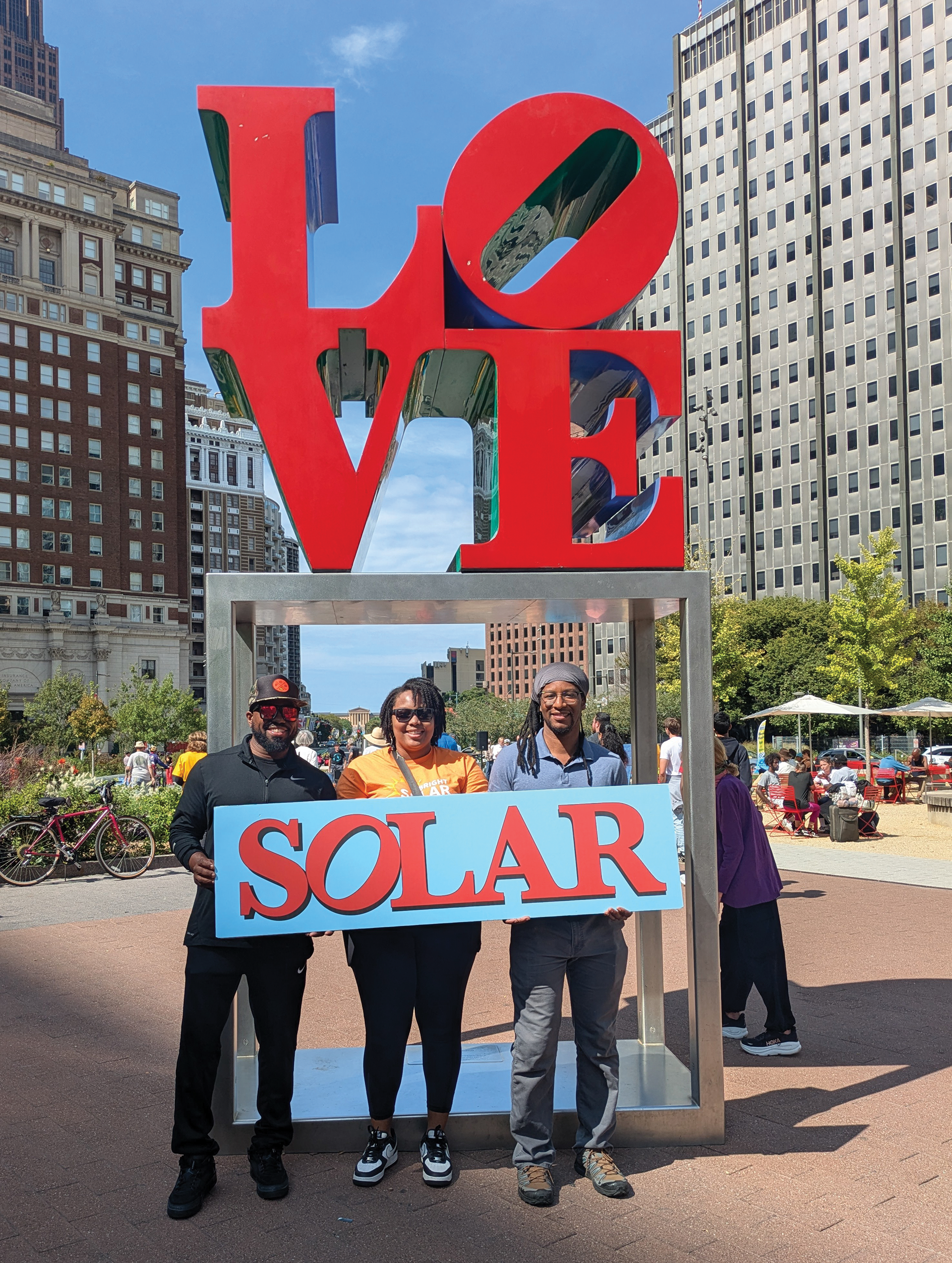
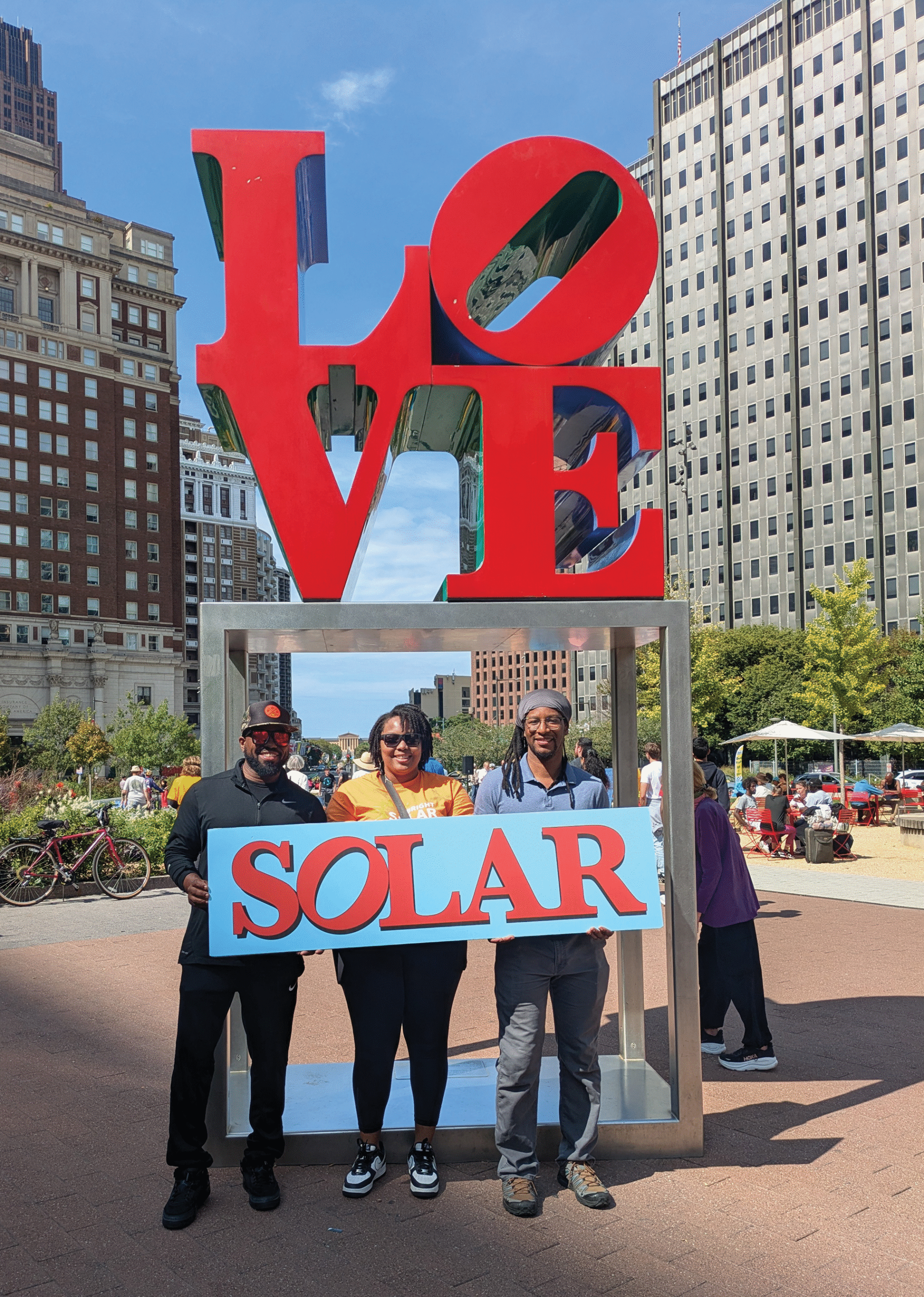
Sun Day, September 21, was a national day to celebrate the fact that solar energy is now cheaper, cleaner and faster than any other form of energy on the planet, and is growing more rapidly than any other form of energy. When you look closely at the data, you can’t help but notice that the really explosive growth is coming from China. China is, frankly, eating our lunch. The country is adding an average of 3 gigawatts (GW) of solar capacity every day. The United States is adding almost 3 GW of solar every month, and this represents a significant increase from the year before. Sun Day was designed to provide an opportunity for all Americans to show their love of solar. In Pennsylvania, as in almost every state, solar is the most popular form of energy. Eighty-one percent of Pennsylvanians — Democrats and Republicans, urban and rural, young and old — said in a 2022 Vote Solar poll that solar energy was their favorite energy source.
It’s not hard to see why people like solar. It’s cheap, clean, fast and provides resilience, independence and protection from increasingly frequent and steep rate increases. In fact, solar is the only resource that can be built quickly enough to meet the growing demand for electricity that is driving those rising costs. A backlog in construction of gas turbines and high global demand means that it could be 2032 before a new gas generating station can come on line.
Sun Day was also designed to draw attention to the fact that solar is much more expensive in the United States than it is in most of the rest of the world, due to our arcane permitting and interconnection processes. These “soft costs” add an unnecessary 30% to 50% to the cost of solar in the United States.
The reality is that solar developers are busier than ever as they race to reach as many customers as possible before the residential tax credits expire at the end of 2025. Most solar developers are swamped with work right now. Commercial customers, like schools, nonprofits, local governments and businesses, must start their solar projects by July 2026 or complete them by 2027 in order to qualify for the tax credit. That sounds better, but commercial projects are more complicated than residential ones, and they take longer.
A huge and rapidly growing problem in Pennsylvania is interconnection. This is the process of connecting solar to the grid. Pennsylvania’s interconnection rules were developed 20 years ago, and are now out of date, incomplete and not up to the task of meeting current demand. As a result, many projects are delayed months and months by inadequate interconnection processes, and some of these projects never get built for this reason. The Pennsylvania Public Utility Commission (PUC) promised to open a docket on interconnection back in May to address these issues, but here we are six months later, and nothing has been done. Given that we have an energy crisis on our hands, with rising demand and inadequate supply driving up prices, it is surprising that the PUC has made no response to the realities on the ground.
Permitting is another related “soft cost” that can easily be streamlined. A number of states are adopting permitting software, such as SolarAPP+, which automates solar permitting. While the City of Philadelphia hasn’t adopted software yet, it has developed the EZ permit, a paper process that greatly streamlines residential permitting, reducing the typical time to get a permit from a week to a day. With the expansion of the Solarize Philly program to the surrounding counties, streamlining permitting and speeding interconnection become even more urgent. Helping as many schools, local governments and businesses save money by going solar is truly a priority. The next year is critically important for the solar industry as it adjusts to another abrupt shift in federal policy. How much damage is done to the industry will depend in no small measure on state and local energy policy.
Liz Robinson is Executive Director of the Philadelphia Solar Energy Association.



Liz….Thank you for all your work on making clean energy info available to so many. I’ve had solar for 10 yrs & never miss a chance to recommend it to neighbors. I do see more solar in the Wissahickon neighborhood but we could be doing SO much better.
I will contact you with some ideas I have for promoting it in out neighborhoods.