From Nature to Nylons: A Touch-Based History of Textiles
A private learning experience that combines a personally guided exploration of select gallery exhibits and a hands-on study of objects
Please be sure to check the event organizer’s website for any last-minute changes or cancellations prior to attending.
Have an event that will fit well on our calendar?
A private learning experience that combines a personally guided exploration of select gallery exhibits and a hands-on study of objects
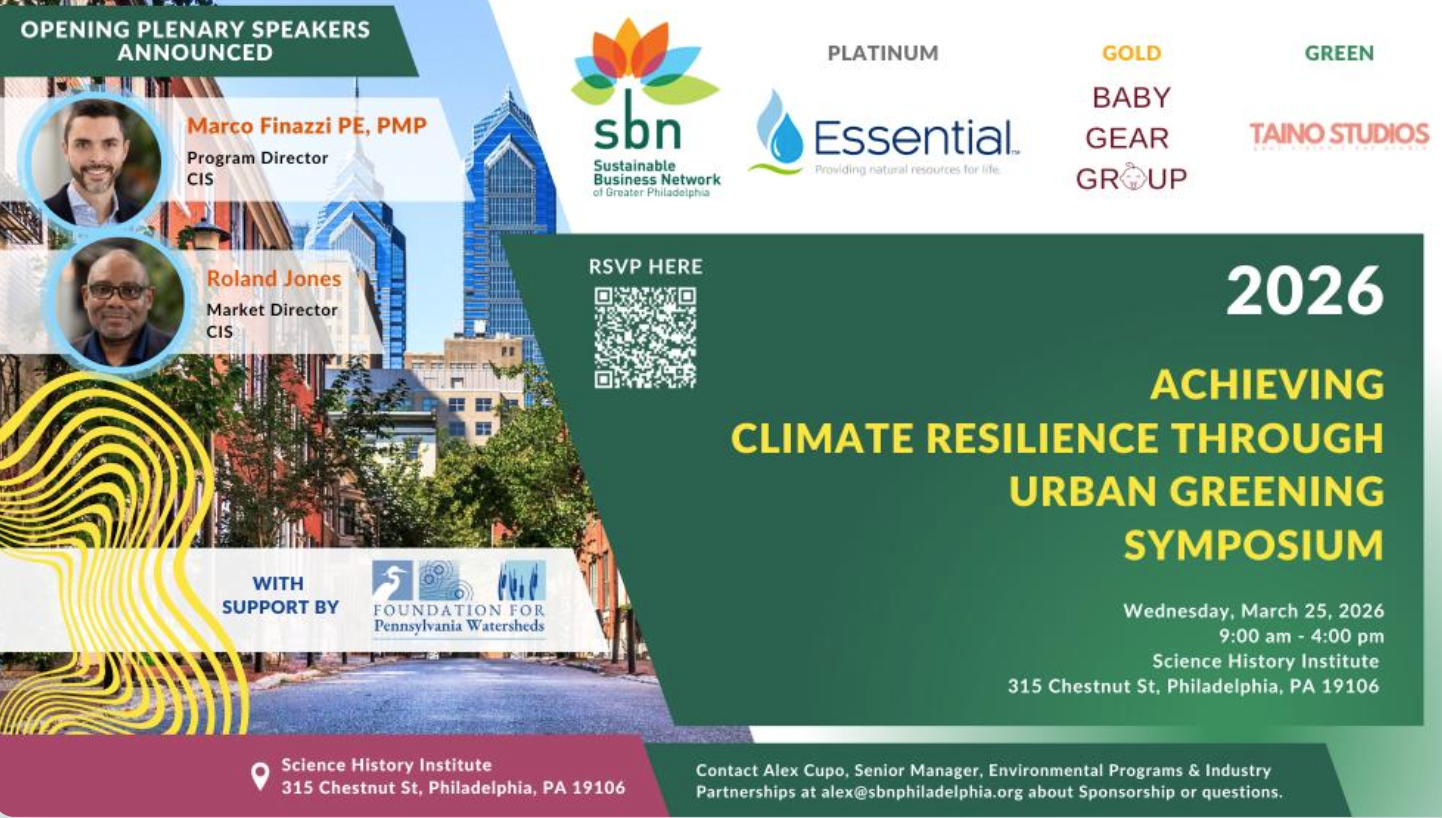
The Sustainable Business Network of Greater Philadelphia (SBN) is excited to announce that it will hold the "Achieving Climate Resilience Through Urban Greening" Symposium on March 25, 2026 in Philadelphia, PA at the Science History Institute (315 Chestnut St, Philadelphia, PA 19106). The day-long conference will convene business-owners, professionals, and other interested parties that work in the urban greening fields and other issues relating to water and tree canopy management, quality, equity, and climate resilience. The symposium will include two tracks, Urban Greening Management: New Approaches, Stewardship, and Maintenance, as well as Funding & Financing Opportunities for Community Greening &
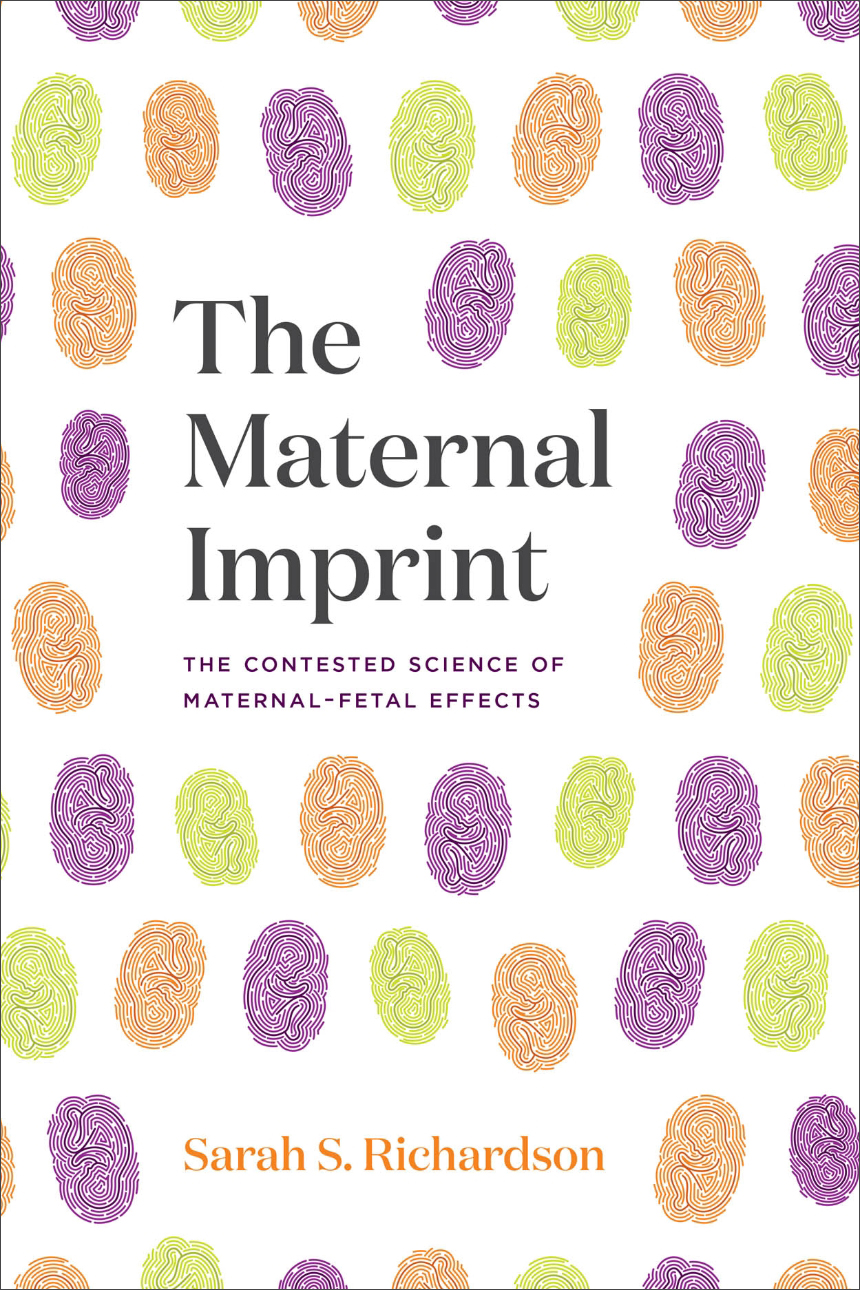
This Women’s History Month, you’re invited to a thought-provoking presentation where leading gender and science scholar Sarah S. Richardson charts the untold history of the idea that women’s health and behavior during pregnancy can have long-term effects on their children’s health and welfare. The Maternal Imprint, Richardson’s groundbreaking book, offers a critical analysis of conceptual and ethical issues—in particular, the staggering implications for maternal well-being and reproductive autonomy—provoked by the striking rise of epigenetics and fetal origins science in postgenomic biology today. Richardson examines what we might take for granted about human pregnancy, and invites us to challenge our values
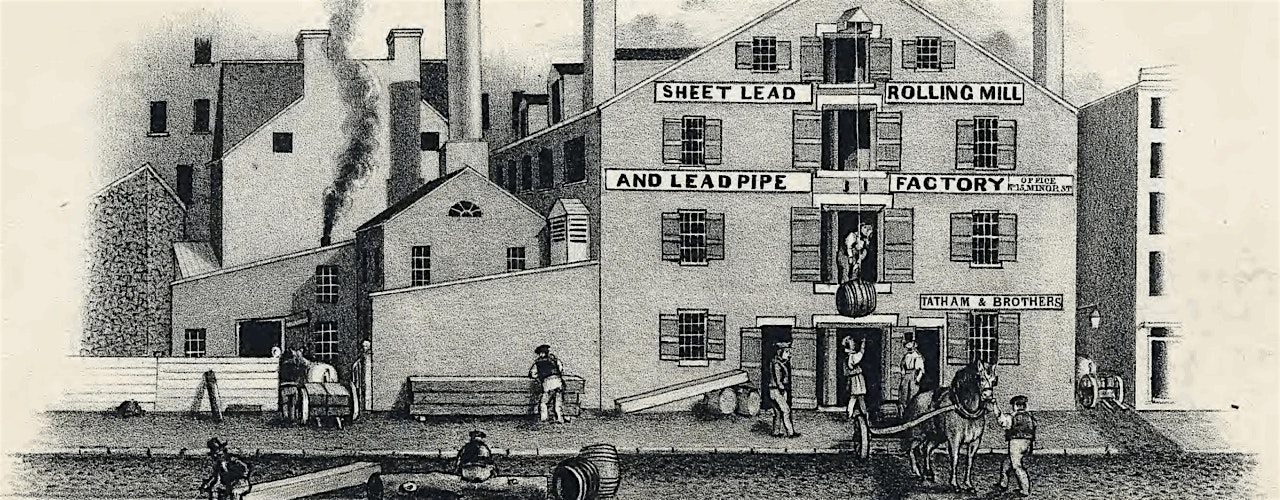
Join us on First Friday as we unveil the newest exhibition in our A Closer Read series. Philadelphia was once known as the “workshop of the world” due to the abundance of factories, products, and infrastructure located within the city. From the 1800s through the 1920s, ships, yarn, paints, and more were manufactured on the banks of the Schuylkill and Delaware. This display features works originally published by some of the pioneering companies that made Philadelphia an industrial powerhouse. Guests can enjoy handling collection activities in our museum and a talk by curator Caroline Meehan, followed by a light reception.
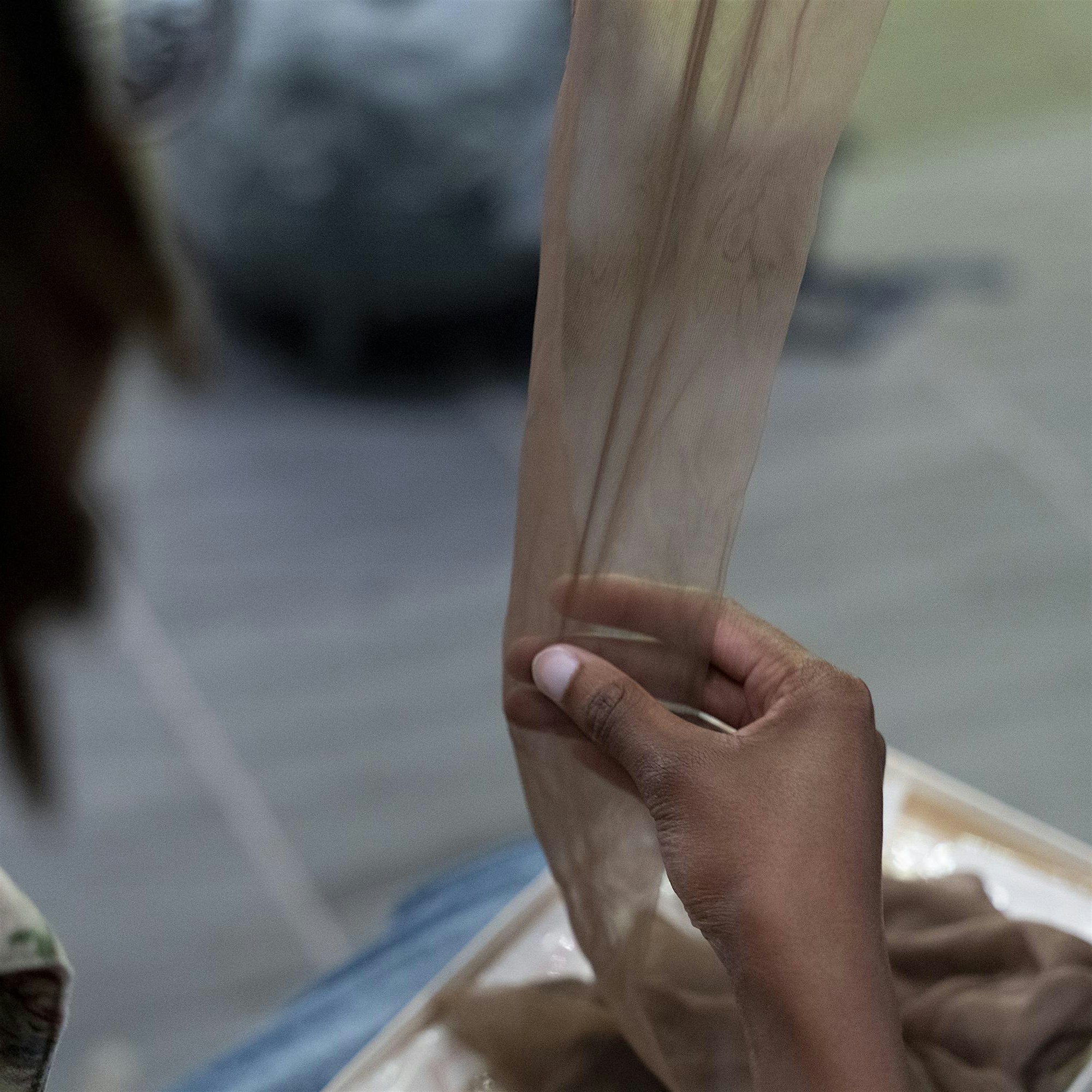
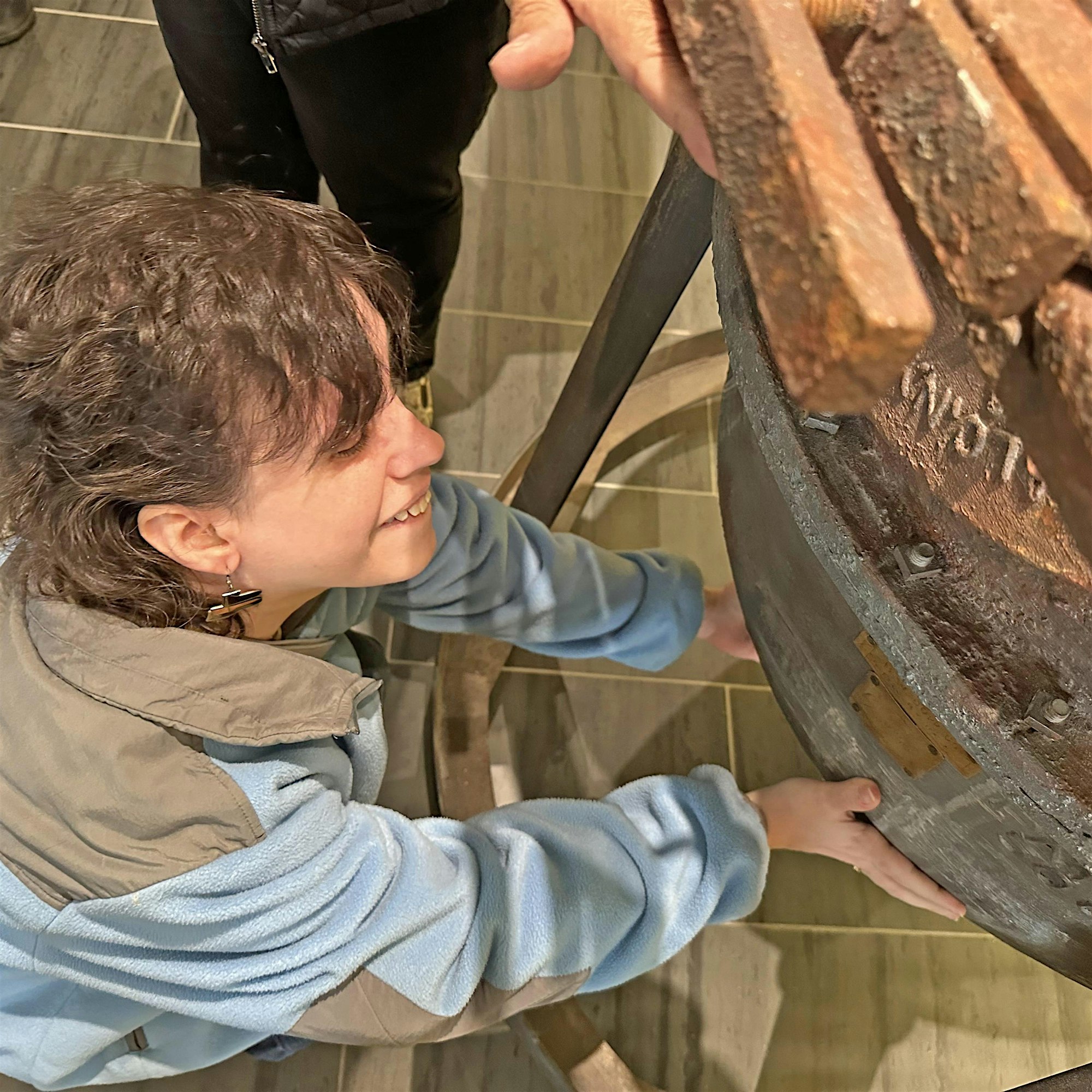
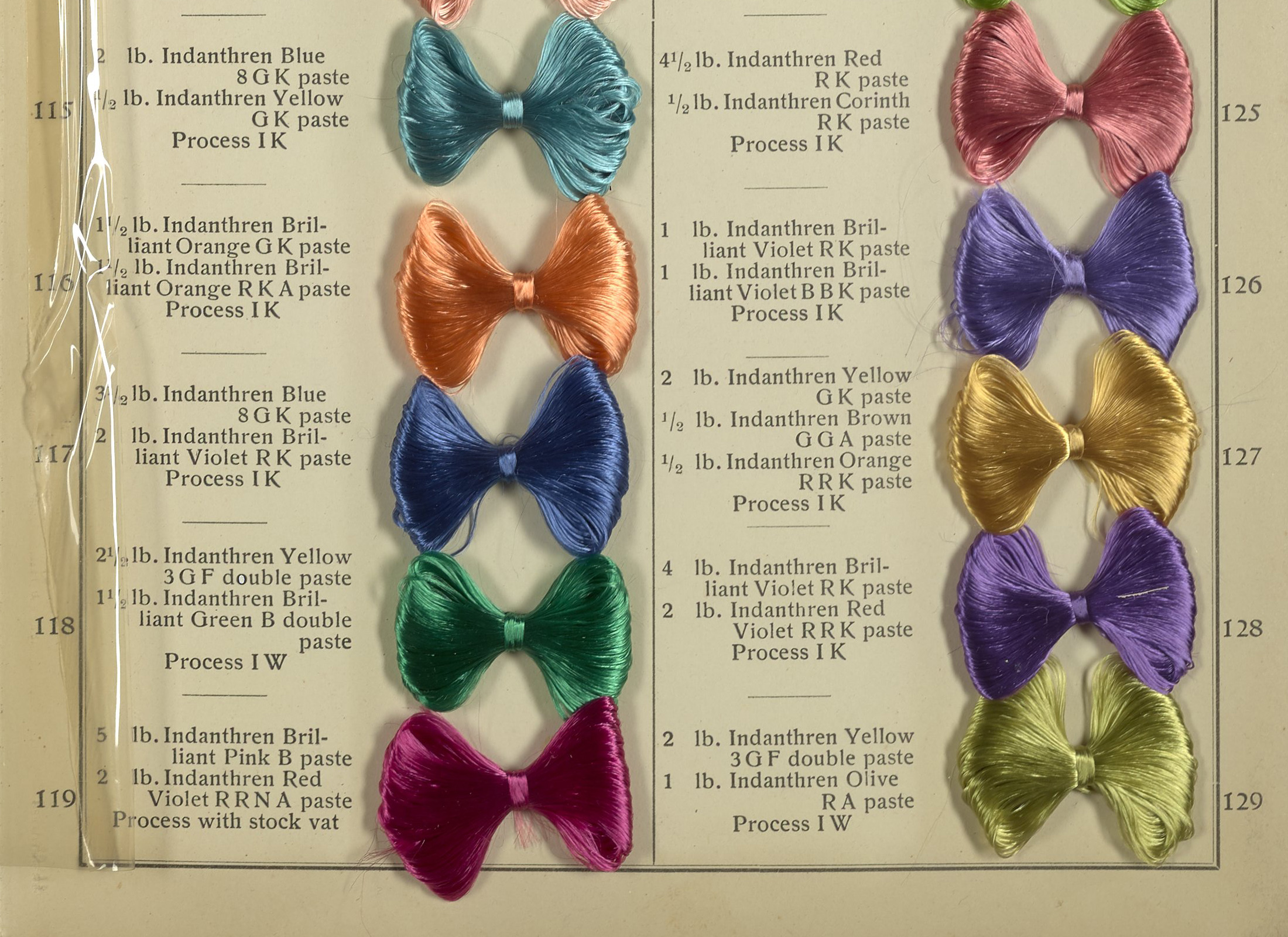
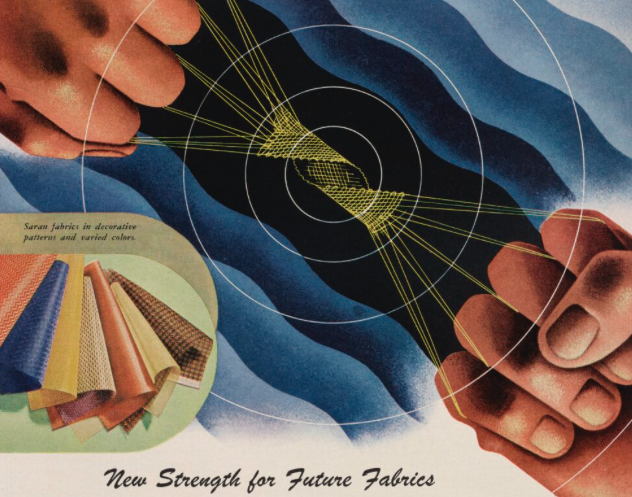
A private learning experience that combines a personally guided exploration of select gallery exhibits and a hands-on study of objectsThis touch-based tour offers guests a private learning experience that combines a personally guided exploration of select gallery exhibits and a hands-on study of objects from our collection.The tour begins with an introduction to natural fibers, such as wool and linen, and moves on to the development of plastics and synthetic materials like Nylon and GORE-TEX. Guests will leave with a better understanding of how these fibers changed our world and how the changing world influenced our desire for high-tech textiles.This
The history of tofu is anything but bland! Spend an engaging evening with the Science History Institute’s Jesse Smith and food historian Russell Thomas, author of "Tofu: A Culinary History." In this lively talk, Thomas traces tofu’s remarkable journey from its ancient origins in East Asia to its global rise as a staple of modern plant-based cuisine. Blending cultural history, food science, and surprising culinary anecdotes, he reveals how a humble soybean product became a symbol of tradition, innovation, and identity across continents. This global history of bean curd stretches from ancient creation myths and tomb paintings, via Chinese poetry
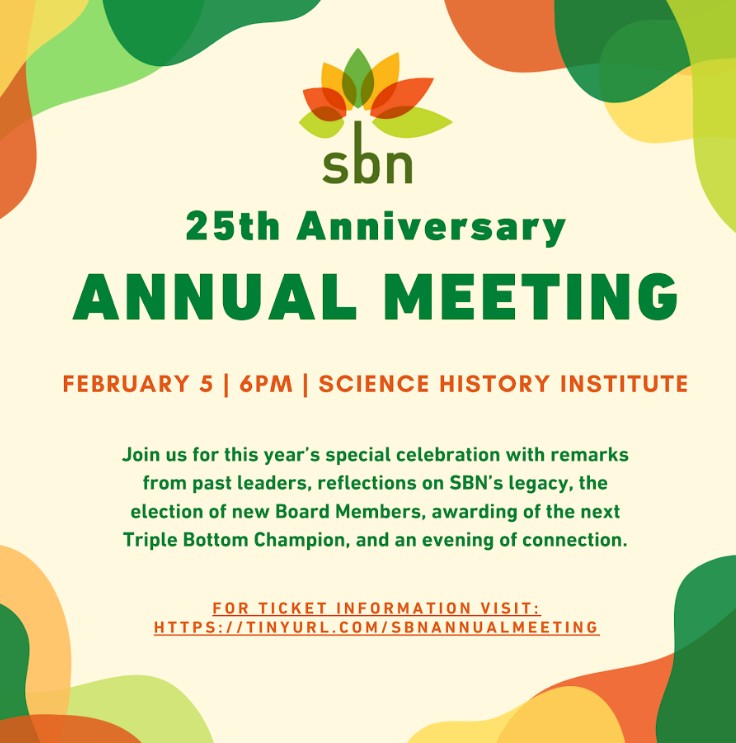
Join The Sustainable Business Network of Greater Philadelphia at our Annual Members Meeting as we celebrate our 25th Anniversary! We will discuss our roots, legacy, and future plans with extra special guests from our past, including founder Judy Wicks and previous Executive Directors. Mark your calendar for Thursday, February 5, 2026, and join us at the historic Science History Institute in Old City, Philadelphia for an evening of inspiration, connection, and celebration with the Greater Philadelphia sustainable business community. Get ready to reflect on SBN's achievements from the past year and explore exciting plans for the year ahead and cast
Join author Sam Kean for an archaeological experience like no other. What does history taste like? How about the smell? Sound and touch? Experimental archeologists have gone rogue and immersed themselves fully into the material landscape of a time long ago. Sam Kean’s latest book, “Dinner with King Tut,” tells about his time learning with this team of innovative researchers across the globe to uncover what life was really like for our ancient ancestors. From firing medieval catapults, trying his hand at ancient surgery and tattooing, to building Roman-style roads, this is sure to be an exciting tale of history’s
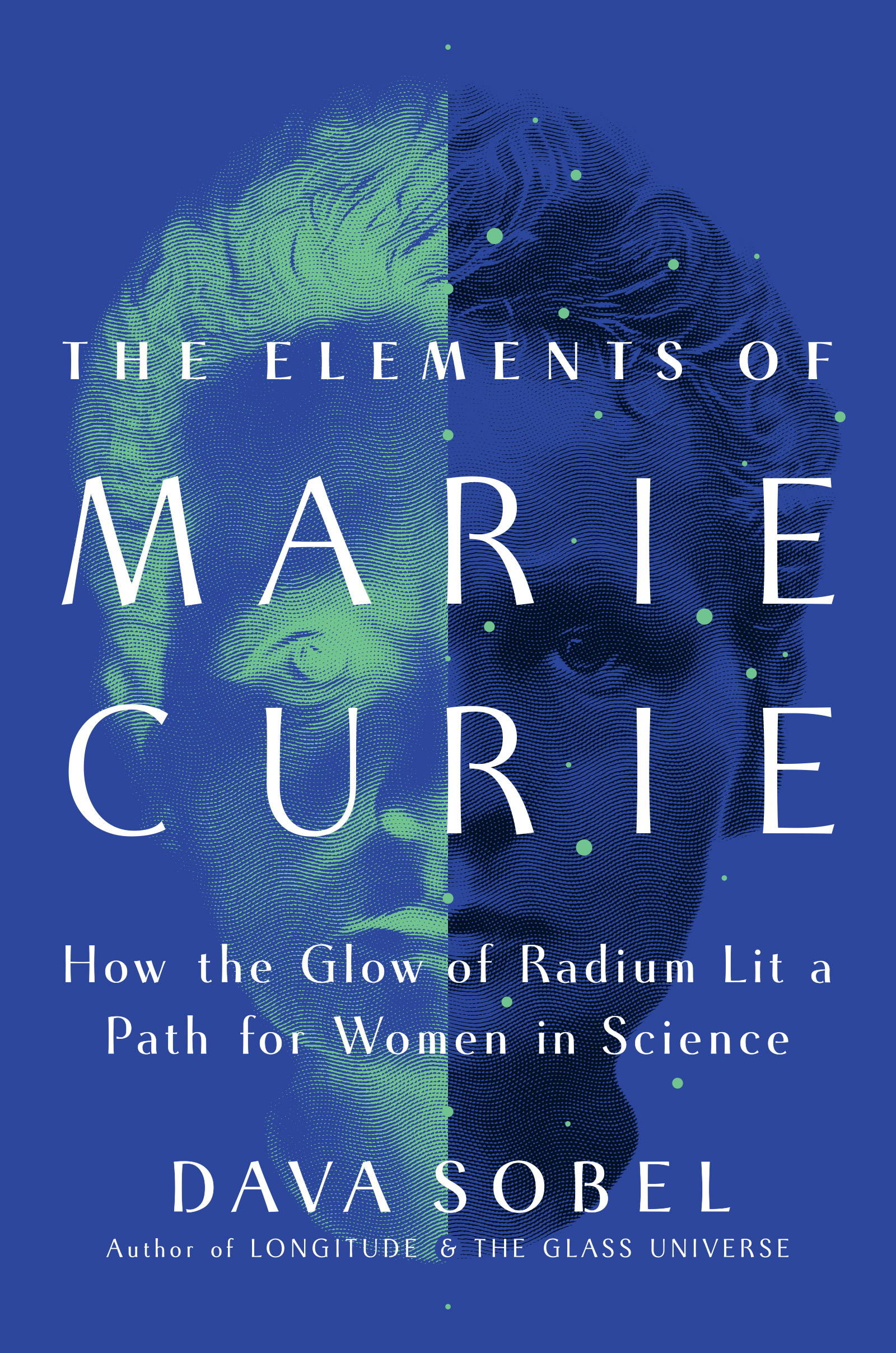
Join author Dava Sobel for an exciting evening exploring how the glow of radium lit a path for women in science. We all know the legendary name, Madame Marie Sklodowska Curie, one of the most iconic figures in the history of science. But tonight, we dive into a story that’s rarely told: the extraordinary legacy she left behind, not just in the lab, but in the lives of the brilliant women she mentored and inspired. Her influence reaches far beyond Nobel Prizes and groundbreaking discoveries. Madame Curie paved a new path in the culture of science by opening doors and
Topics will range from medieval medicine to modern climate science.The Science History Institute is pleased to cohost the Fall 2025 meeting of the Society for the History of Alchemy and Chemistry (SHAC). Invited speakers will present papers for discussion on topics ranging from medieval medicine to modern climate science.The Society for the History of Alchemy and Chemistry (SHAC), founded in 1935, has a long-standing tradition in the fields of alchemy and chemistry, organizing colloquia, publications and promoting the interdisciplinary study of the field from its early beginnings to the present. It brings together members interested in the history of chemistry
Join the Science History Institute for opening of our new permanent exhibition featuring a collection of over 20 minerals.Across centuries and cultures, minerals have provided humans with essential raw materials. But how have we come to know and use the natural world?Join the Science History Institute as we celebrate the opening of Earthly Matters, our new permanent exhibition that explores the history and science behind a collection of more than 20 minerals. These elements, crystals, gemstones—and even a meteorite!—tell stories of human curiosity about the natural world around us. Visitors will learn about the long history of minerals and how
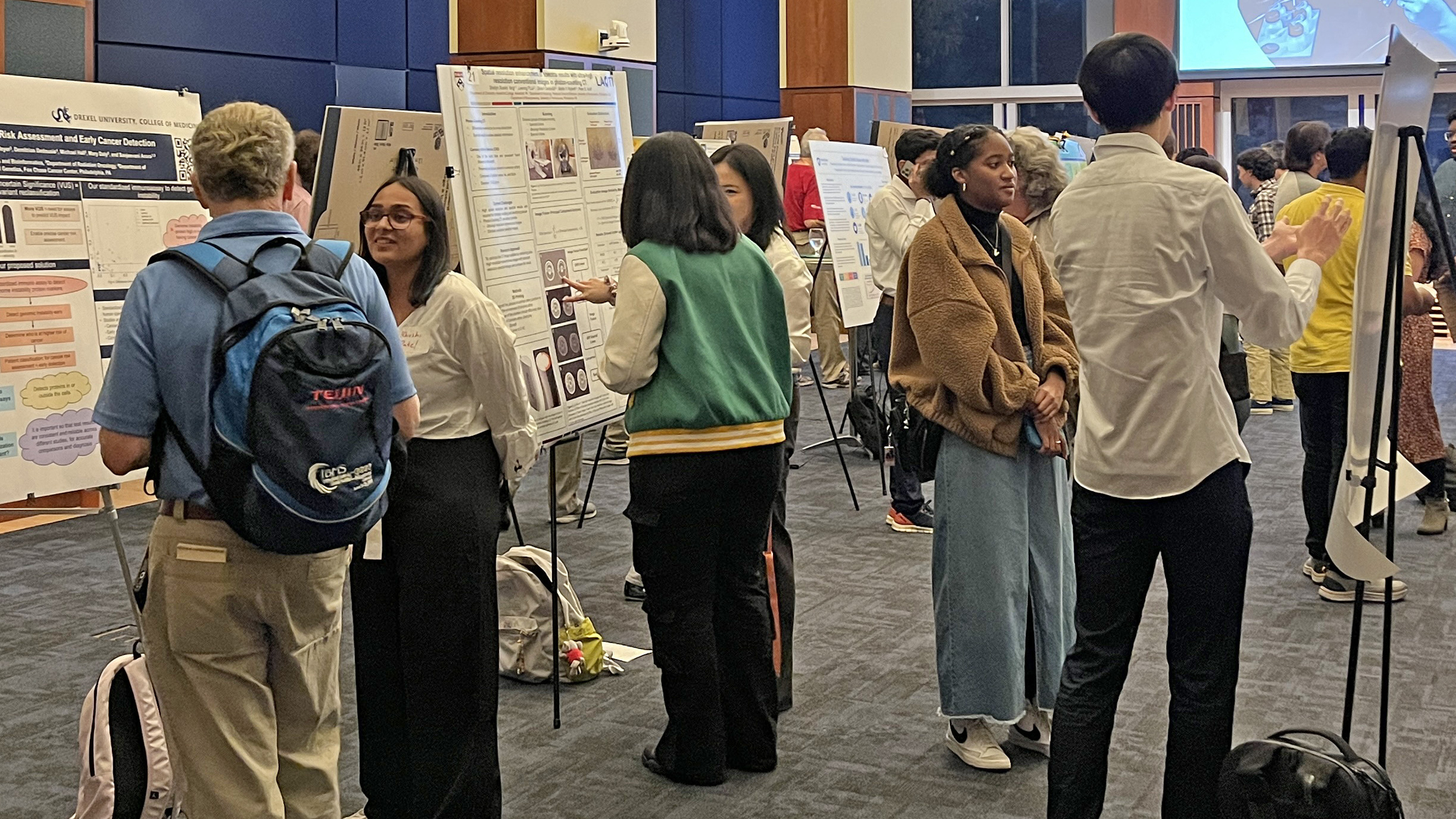
Want to know what really happens in a laboratory? Want to meet scientists doing cutting-edge research in physics, medicine, biochemistry, and more? Then let’s Start Talking Science! This First Friday, you’ll meet dozens of researchers from local universities, presenting innovative projects and answering your questions live. Stop in the museum to explore the history of science education and try out cool, quirky, and engaging science toys and games. Indulge your inner nerd, bring your curiosity to a fun-filled evening of everything STEM!
Sixty years ago, in Gainesville, Florida, a new drink called Gatorade was created. The idea for Gatorade was sparked by an unlikely conversation between a University of Florida nephrologist named James Robert Cade and an assistant coach for the Florida Gators, Dewayne Douglas. Dehydrated and occasionally hospitalized, players were losing their games. According to Cade’s research, they were also losing an average of 18 pounds of water and critical amounts of sodium and chloride per 3½ hour game. Cade developed a mix of replacement fluids, containing glucose, sodium, potassium, phosphate and water. It tasted awful. Liberally doctored with lemon juice
This First Friday, explore the intersection between art and science! See a display of artists’ books created by the Guild of Book Workers inspired by the Institute’s collection of historic sample books on textiles, paints, and dyes. These works of art will be on view on the museum’s mezzanine level, along with the Institute’s inspirational sample books on display on the first floor. Members of the Guild will also be on hand at a bookmaking table to show off the tools of their trade and to demonstrate how the magic happens! Hear from the president of the Guild and Institute
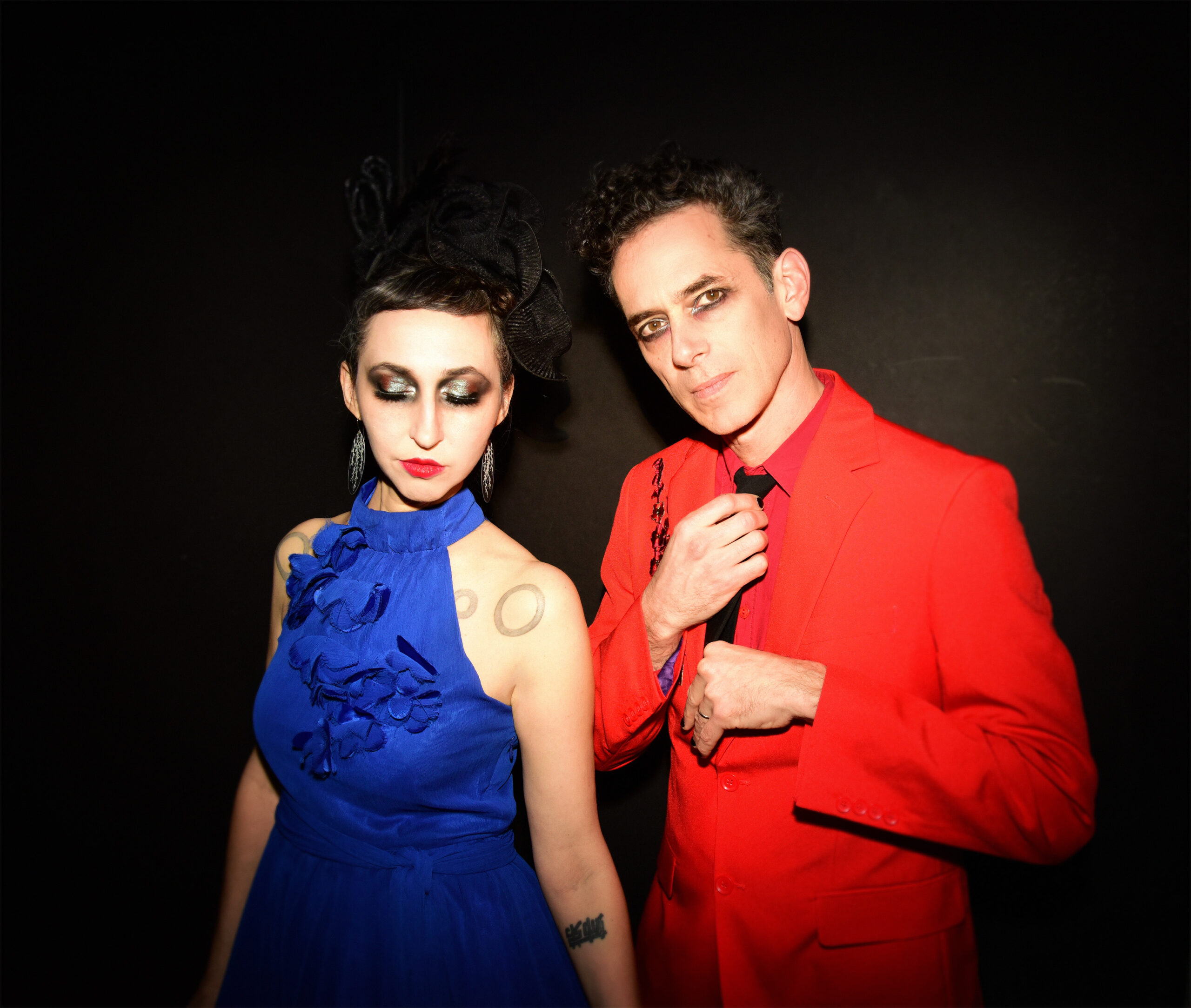
The Science History Institute invites you to an evening of music and scientific wonder with goth-folk duo Charming Disaster! Charming Disaster’s newest album, The Double, explores the world that exists behind the one we know, featuring songs inspired by nature, mortality, magic, ritual, and literary genres ranging from science fiction to Victorian horror. Through darkly whimsical songs about time travel, transformation, and the power of ritual, Charming Disaster celebrates the strange beauty of the natural world hidden world just beyond our perception—from the familiar trees in your backyard to the fantastical forests of imagination. Before the concert, join us in
Celebrate the superheroes of science with an exciting event that blends fashion, function, and the spirit of Pride! Explore the cutting-edge world of super suits—from swimsuits to binders to bulletproof vests, and everything in between. Get ready to discover the science behind the textiles and fabrics that keep us safe, stylish, and supported in all kinds of environments. In honor of Pride Month, the Science History Institute’s historical research library will also be showcasing an inspiring collection of books written by LGBTQ+ scientists. Unleash your creativity with a superhero suit fabric craft activity! Design your own super suit using fabrics,
Curious Histories Fest returns! The Science History Institute is hosting its third annual celebration of science, history, exploration, and experimentation. This free, daylong event features hands-on activities and family-friendly fun, as well as exciting talks, tours, and highlights from our special collections. Come enjoy some free ice cream, then visit our museum; talk to curators and experts; take part in performances, story times, and special events; and immerse yourself in curiosity! Plus, the first 100 visitors will receive a free Lunchtime lunchbox! What’s for Lunch? Curious Histories Fest highlights a new theme each year. Inspired by the current exhibition, Lunchtime:
It’s National Library Week! Celebrate at the Science History Institute with exhibits, activities, and experiences that bring our collections in the history of science and medicine to light. Join the curators and librarians for a fun after-hours event in the Othmer Library’s reading room where you’ll have the opportunity to see unexpected treasures not usually on display make a craft to take home support the library by adopting collection items and much more! Admission is free, and registration is required.
Join us for a fun and interactive evening event exploring rare books, archives, and library collections.Join our curators and librarians for a fun after-hours event in the Othmer Library’s reading room where you’ll have the opportunity tosee unexpected treasures not usually on displaymake a craft to take homesupport the library by adopting collection itemsand much more!About the Othmer LibraryThe Donald F. and Mildred Topp Othmer Library of Chemical History is an independent research library encompassing the history of chemistry and related sciences and industries.The Othmer Library was founded in 1988 when Donald and Mildred Topp Othmer announced their challenge grant
This First Friday, journey into the heart of our oceans as we explore the urgent challenges of water pollution, microplastics, and the incredible creatures that call the deep sea home. Plunge into the world of citizen science by testing out some of the instruments scientists use to monitor the health of our oceans, and learn what we can all do to combat this global issue. How well do you know the creatures of the deep? Test your knowledge by diving into an interactive digital guessing game, “dissecting” a sculptural model of a shark from the collection, and playing a very
Mark your calendar for Thursday, February 6, 2025, and join us at the historic Science History Institute in Old City, Philadelphia, for SBN's Annual Members Meeting—an evening of inspiration, connection, and celebration with the Greater Philadelphia sustainable business community. Get ready to: ✨ Reflect on SBN's achievements from the past year and explore exciting plans for the year ahead. 🗳️ Cast your vote in the election of new Board Members, shaping the future of our impactful network. 🏆 Witness the announcement of this year’s Triple Bottom Champion Award, honoring a business that exemplifies the harmony of people, planet, and profit.
Join chemist and author Michelle Francl for an intriguing evening exploring the science behind the world’s most popular beverage: tea!Tea can be a pick-me-up or give us a meditative moment. It’s been used to secure diplomacy and friendship, and been a coveted, contested commodity.Dr. Francl’s recent book, Steeped: The Chemistry of Tea, explores the science behind caffeine; the perfect temperature for steeping your tea leaves; the secret benefits of drying, roasting, and aging; and so much more. You’ll never experience your favorite tea—whether black, green, or pu’erh—the same way again!About the SpeakerMichelle M. Francl, PhD is the Frank B. Mallory
This annual public lecture celebrates the positive role that the chemical and molecular sciences play in our lives.The 2024 Ullyot Public Affairs Lecture will be presented by Omar Yaghi, James and Neeltje Tretter Chair Professor of Chemistry, University of California, Berkeley.Endowed in 1990 by chemist Glenn Edgar Ullyot, this annual lecture seeks to emphasize to the general public the positive role the chemical and molecular sciences play in our daily lives. It is organized jointly with the Department of Chemistry and the Department of History and Sociology of Science at the University of Pennsylvania; the Department of Chemistry and Biochemistry
From Gore-Tex to do-it-yourself kits, hear how synthetic fibers have transformed the outdoor industry.Join us in person or online as historian Rachel Gross, author of Shopping All the Way to the Woods: How the Outdoor Industry Sold Nature to America, examines how our changing ideas about nature, commerce, and self-identity have shaped the outdoor goods market into a booming, multi-billion-dollar industry.Gore-Tex and Do-It-Yourself Kits: How Synthetic Fibers Transformed the Outdoor IndustryOutdoorspeople flipping through the pages of popular magazines such as Backpacker or Field and Stream in the late 1970s would have seen page after page referencing a revolution in materials.
At this special Philly science café we explore the myths, legends, and science behind some of our favorite mythical creatures.Humans have been fascinated by the things we cannot fully explain since the beginning of time. Larger than life creatures like the Loch Ness Monster, Kraken, Bigfoot, and the recently discovered “Chinese Dragon” provide a glimpse into how humans have used the knowledge they have to help understand and explain phenomena in their world.At this special Science on Tap as we explore the myths, legends, and science behind some of our favorite mythical creatures. We’ll take a close look at how
What does energy look like on the big screen?Join us for a Fellow in Focus conversation with Raechel Lutz and Conevery Bolton Valencius, coeditor and contributor to the recent collection American Energy Cinema. By analyzing Hollywood films that feature energy as historical objects, the volume shows how energy systems of all kinds are both integral to the daily life of Americans and inextricable from larger societal change and global politics.About the speakersRaechel Lutz is a historian and teacher at the Wardlaw + Hartridge School. She earned her PhD in United States history from Rutgers University, and is the coeditor of
Science and Society Speaker SeriesThe Science History Institute’s newest exhibition, BOLD: Color from Test Tube to Textile, explores the 150-year history of the synthetic dyes that color our clothes and make our style stand out. But what does the future look like for sustainable fashion? And how can circular design—durable, reusable, and recyclable fashion—help combat “fast fashion” pollution and transform the relationships between us, our clothes, and our environment?Join experts from Philadelphia’s leading fashion sustainability initiatives for an engaging panel talk on the future of circular design!ModeratorRachel HigginsCofounder, PA FibershedSpeakersJo Corvus has a master of science in sustainable development and
The Sustainable Business Network of Greater Philadelphia (SBN) is pleased to announce the sessions being presented at the Achieving Climate Resilience Through Water Symposium on March 20! Please see below for session titles, leads, and a brief summary of the content that will be presented at the symposium. Full descriptions will be provided to registrants in advance of the event. Attendees will have three tracks with twelve sessions in total to choose from being led by content experts, leaders in their fields, and government officials about a range of topics from inter-municipal collaboration and stormwater utilities to innovative technologies and
Shireen Hamza examines the incorporation of non-Western medicine into biomedical institutions in the United States.The incorporation of elements of non-Western medicine by biomedical institutions in the United States has been called complementary, integrative, or "alternative" medicine. But to offer acupuncture, yoga, or herbal medicine within a biomedical clinic is a radically different context from those in which these therapeutic practices were first developed.In this lecture, Shireen Hamza will explore the long histories of these traditions, their transformation through colonialism, and the plural approach of several "people's medicine" initiatives, including the Black Panthers. The history and philosophy of science can help
The T. T. Chao Symposium on Innovation explores, celebrates, and encourages innovation and sustainability in the chemical sciences.Synthetic plastics—once heralded as the materials of the future—are now recognized as a growing environmental threat. But when did our wonder and excitement about plastic products transform into anxiety and doubt?When Did Plastics Become a Problem?Join us for a lively panel conversation exploring this question. Expert speakers will examine plastics history and share perspectives ranging from local to global—and share inspiring contemporary case studies that approach the promise and perils of plastics in new and innovative ways. From plastics circularity in healthcare to
Advancing WaSH Goals in a Changing World Through Innovation and ResilienceGlobal Water Alliance 16th Annual Conference: Advancing WaSH Goals in a Changing World Through Innovation and ResilienceThe challenges of climate change and resource shortages require innovative approaches to advance resiliency and mitigation in WaSH (water, sanitation, and hygiene). Co-hosted by Science History Institute This 1-day conference will address the urgent need for new technologies and new data analytics in water management throughout the world in order to adapt to the future realities of more extreme weather patterns and events, sea-level rising, glacier melting and drought. Innovative thinking is needed. Successful
The challenges of climate change and resource shortages require innovative approaches to advance resiliency and mitigation in WaSH (water, sanitation, and hygiene). This 1-day conference will address the urgent need for new technologies and new data analytics in water management throughout the world in order to adapt to the future realities of more extreme weather patterns and events, sea-level rising, glacier melting and drought. Innovative thinking is needed. Successful implementation of new and modern (water) management tools will be highlighted; innovative approaches for community involvement and commercial buy-in will be debated; and practical solutions as brokered by governing bodies, market
Join WHYY News' Climate Desk and the Science History Institute for an evening of climate-related games and conversation.WHYY News and the Science History Institute are excited to bring you an evening of trivia and climate-related conversation.Pairing the Science History Institute’s environmentally themed board game collection with WHYY's Climate Desk reporters and local experts, explore a deeper context and understanding of climate change and environmental concerns. Attendees will participate in 3 rounds of trivia to test their knowledge. WHYY Climate Desk's Susan Phillips and Sophia Schmidt and SHI's Jesse Smith and Curatorial Fellow Sherri Sheu. Networking and light refreshments will be