Please be sure to check the event organizer’s website for any last-minute changes or cancellations prior to attending.


Have an event that will fit well on our calendar?

Submit it here!

  • Habitat Advocate: Native Plants for Winter Interest and Wildlife

    102 Chester St 102 Chester Street, Lancaster, PA, United States

    Learn how to create a native garden with visual interest and benefits for wildlife!Our home gardens are often designed for the warm growing season, overlooking the potential of a stunning winter garden with snow-capped seed heads and hints of green.Students will learn 20 native plants that are showstoppers in a winter home garden and tips on supporting overwintering wild bees, butterflies/moths, and songbirds.Bring a jar/vase to build a take-home native plant winter bouquet!The Lancaster Conservancy has protected over 10,000 acres of natural lands, which are critically important to supporting biodiversity. Smaller patches of native habitats spread throughout urban landscapes are

  • Habitat Advocate: Green Mulch – Using Native Plants as Groundcovers

    102 Chester St 102 Chester Street, Lancaster, PA, United States

    Kick the mulch habit! Learn how to integrate native groundcovers (“green" or "living" mulch) into your garden.Do you find yourself in a seasonal habit of spreading wood mulch in your garden beds to suppress weeds? In this interactive workshop, learn how to kick that habit to the curb and instead nurture a new land ethic of cultivating a layered landscape by integrating native groundcovers (“green or living mulch”) in your garden. Through mimicking natural landscapes in your home garden, you truly can experience the joys of stewarding your own mini nature preserve (don’t let anyone stop you from making your

  • Habitat Advocate: Site Assessment 101 – Sit-Spots to Soil Analysis

    102 Chester St 102 Chester Street, Lancaster, PA, United States

    Practice how to observe and record the baseline aspects of a landscape before diving into designing a habitat garden.Building observation skills is essential in building biodiversity in our landscapes. In this class, we will learn about the 5 E’s of Ecological Gardening and will conduct a site analysis. Expand your reach by applying these newly acquired observation skills of hydrology, sun/shade analysis, circulation, and more in your home landscape or in community project space!The Lancaster Conservancy has protected over 10,000 acres of natural lands, which are critically important to supporting biodiversity. Smaller patches of native habitats spread throughout urban landscapes

  • Habitat Advocate: Native Plant Interpretive Hike

    102 Chester St 102 Chester Street, Lancaster, PA, United States

    Explore nature through the lens of an ecological designer!For habitat advocates, nature is our inspiration. Before we design native gardens in our home landscapes, we first must observe the natural spaces that inspire us to action. Nature knows best!In this class we will learn how to mimic the natural growing patterns of native Carex (sedges) and other native species.Leave fueled to build back biodiversity in your home landscape, inspired by the native plants that we met on our gentle hiking adventure.The cost of the Habitat Advocate classes covers instructor fees. If the cost of this class is prohibitive, please reach

  • Habitat Advocate: Building Biodiversity in Our Community

    102 Chester St 102 Chester Street, Lancaster, PA, United States

    Join other curious conservation peers for this introduction to native habitats!Join other curious conservation peers for this introduction to designing, building, and stewarding native habitats! This is the introductory class for the series and is required for a majority of the other classes as well as for those wishing to complete a Habitat Advocate Certification. Gain baseline awareness of why conservation landscaping is a multifaceted approach in solving our water, climate, and habitat crises. The scope of the Lancaster Conservancy Habitat Advocate Certificate program will also be shared.Students will receive a binder of compiled native habitat resources ($30 value).The Lancaster

  • Habitat Advocate: Invasive Species ID & Mitigation

    102 Chester St 102 Chester Street, Lancaster, PA, United States

    Learn how to observe nature through the lens of a habitat steward, and learn how to ID invasive species.What native species are supporting wildlife, and which introduced plant species require human action to restore the land for optimal ecological function? What methods does a habitat steward use to remove introduced plants? Students will receive the latest edition Invasive Plants of the Mid-Atlantic Field Guide.All stewarding tools provided. Participants are responsible to provide their own sturdy shoes, attire for mildly strenuous outdoor work, sun/bug protection, and refillable water bottle. You are welcome to bring a picnic lunch to enjoy after the

  • Habitat Advocate: Native Garden Design for Stormwater Management

    102 Chester St 102 Chester Street, Lancaster, PA, United States

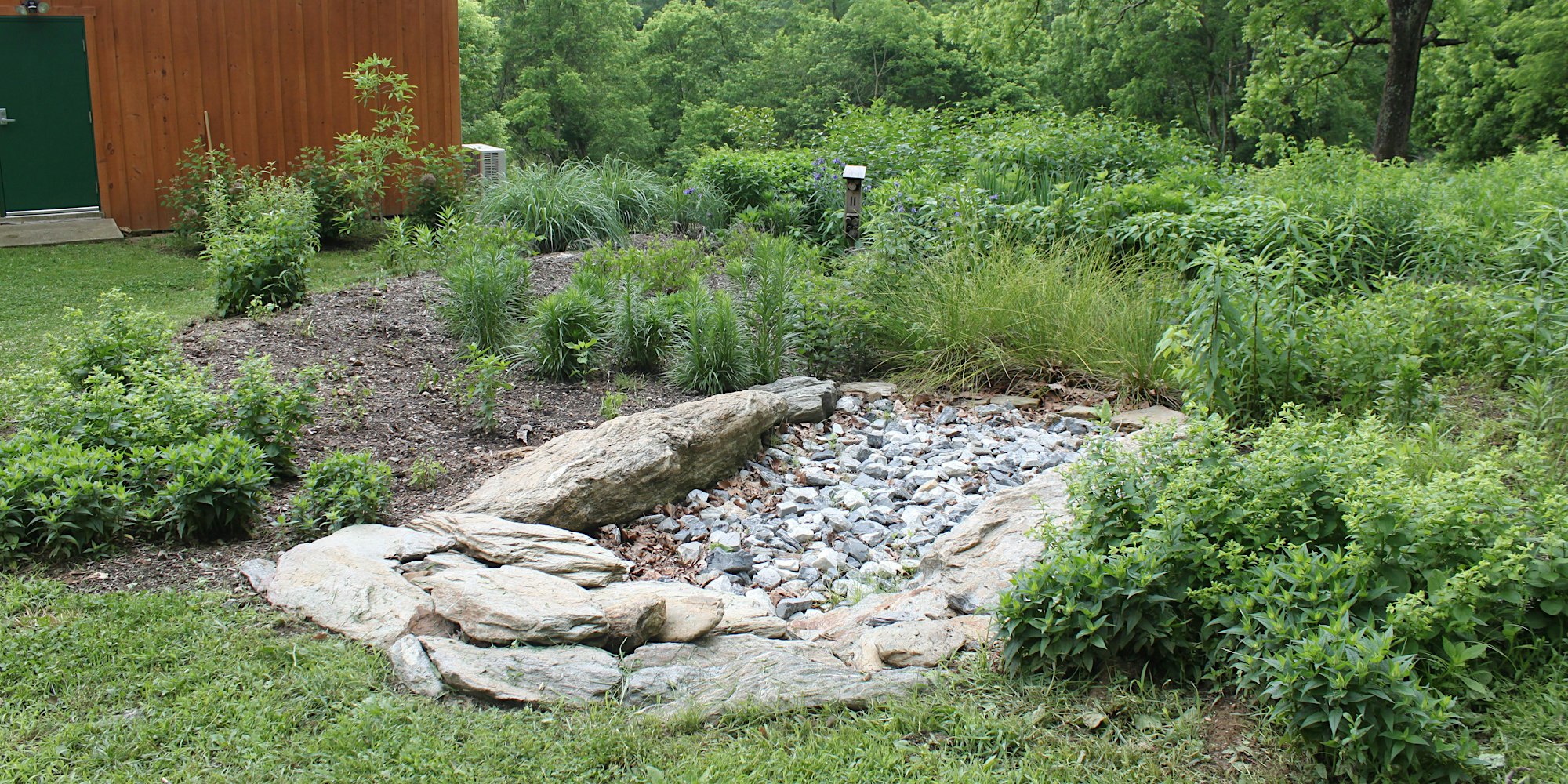
    Learn how to transform your stormwater chaos into a creative conservation landscaping project!With increasing storm intensity, are you discovering more water on your property than you can manage? In this course, you’ll learn how to calculate the rain runoff volume of impervious surfaces (roof, driveway, etc.) and how to transform your stormwater chaos into a creative conservation landscaping project.The Lancaster Conservancy has protected over 10,000 acres of natural lands, which are critically important to supporting biodiversity. Smaller patches of native habitats spread throughout urban landscapes are also essential to creating corridors of habitat – food and refuge – for wildlife.

  • Habitat Advocate: Native Plants for Winter Interest and Wildlife

    102 Chester St 102 Chester Street, Lancaster, PA, United States

    Learn how to create a native garden with visual interest and benefits for wildlife!Our home gardens are often designed for the warm growing season, overlooking the potential of a stunning winter garden with snow-capped seed heads and hints of green.Students will learn 20 native plants that are showstoppers in a winter home garden and tips on supporting overwintering wild bees, butterflies/moths, and songbirds.Bring a jar/vase to build a take-home native plant winter bouquet!The Lancaster Conservancy has protected over 10,000 acres of natural lands, which are critically important to supporting biodiversity. Smaller patches of native habitats spread throughout urban landscapes are

  • Habitat Advocate: Invasive Species ID & Mitigation

    102 Chester St 102 Chester Street, Lancaster, PA, United States

    Learn how to observe nature through the lens of a habitat steward, and learn how to ID invasive species.What native species are supporting wildlife, and which introduced plant species require human action to restore the land for optimal ecological function? What methods does a habitat steward use to remove introduced plants? Students will receive the latest edition Invasive Plants of the Mid-Atlantic Field Guide.All stewarding tools provided. Participants are responsible to provide their own sturdy shoes, attire for mildly strenuous outdoor work, sun/bug protection, and refillable water bottle. You are welcome to bring a picnic lunch to enjoy after the

  • Habitat Advocate: Site Assessment 101 – Sit-Spots to Soil Analysis

    102 Chester St 102 Chester Street, Lancaster, PA, United States

    Practice how to observe and record the baseline aspects of a landscape before diving into designing a habitat garden.Building observation skills is essential in building biodiversity in our landscapes. In this class, we will learn about the 5 E’s of Ecological Gardening and will conduct a site analysis. Expand your reach by applying these newly acquired observation skills of hydrology, sun/shade analysis, circulation, and more in your home landscape or in community project space!The Lancaster Conservancy has protected over 10,000 acres of natural lands, which are critically important to supporting biodiversity. Smaller patches of native habitats spread throughout urban landscapes

  • Habitat Advocate: Native Garden Design for Stormwater Management

    102 Chester St 102 Chester Street, Lancaster, PA, United States

    Learn how to transform your stormwater chaos into a creative conservation landscaping project!With increasing storm intensity, are you discovering more water on your property than you can manage? In this course, you’ll learn how to calculate the rain runoff volume of impervious surfaces (roof, driveway, etc.) and how to transform your stormwater chaos into a creative conservation landscaping project.The Lancaster Conservancy has protected over 10,000 acres of natural lands, which are critically important to supporting biodiversity. Smaller patches of native habitats spread throughout urban landscapes are also essential to creating corridors of habitat – food and refuge – for wildlife.

  • Habitat Advocate: Lepidoptera ID & Host Plants

    102 Chester St 102 Chester Street, Lancaster, PA, United States

    Learn to identify lepidoptera (moths and butterflies) and the plants that host them!If you build it, they will come! Once your home-grown habitat is in the ground and thriving, the lepidoptera (moths and butterflies) will come to dine on your biodiversity buffet. Students in this course will learn the key attributes of several species of lepidoptera in this ecoregion and the host plants they need to complete their life cycles.The Lancaster Conservancy has protected over 10,000 acres of natural lands, which are critically important to supporting biodiversity. Smaller patches of native habitats spread throughout urban landscapes are also essential to

  • Habitat Advocate: Nature Journaling & Navigating Citizen Science Apps

    102 Chester St 102 Chester Street, Lancaster, PA, United States

    Observing and recording your backyard biodiversity findings is both an art and a science. Learn some tools for both!Explore the basics of nature journaling with local extraordinaire Carol Welsh, and bolster your skills in navigating scientific apps like iNaturalist and BirdNet to record your wildlife findings.Watercolor paper and paints provided, although you are welcome to bring your favorite supplies for nature journaling in the field. Participants are responsible for providing their own sturdy shoes, sun/tick protection, and refillable water bottle. You are welcome to bring a picnic lunch to enjoy after the class!The Lancaster Conservancy has protected over 10,000 acres

  • Habitat Advocate: Powerhouse Native Plants for Wildlife

    102 Chester St 102 Chester Street, Lancaster, PA, United States

    Uncover powerhouse native plants worthy of wildlife’s 5-star review!Whether they're sustaining a bird’s stamina for winter migration, providing ample nectar for hungry bees and butterflies, or serving as a host plant for hundreds of juicy caterpillars to fuel the ecosystem food web, these native plants pack a punch in their ecological services.Collaborate with habitat advocate peers on how to put the compiled field research trials into compassionate action, right in your backyard!The Lancaster Conservancy has protected over 10,000 acres of natural lands, which are critically important to supporting biodiversity. Smaller patches of native habitats spread throughout urban landscapes are also

  • Habitat Advocate: Building Biodiversity in Our Community

    102 Chester St 102 Chester Street, Lancaster, PA, United States

    Join other curious conservation peers for this introduction to native habitats!Join other curious conservation peers for this introduction to designing, building, and stewarding native habitats! This is the introductory class for the series and is required for a majority of the other classes as well as for those wishing to complete a Habitat Advocate Certification. Gain baseline awareness of why conservation landscaping is a multifaceted approach in solving our water, climate, and habitat crises. The scope of the Lancaster Conservancy Habitat Advocate Certificate program will also be shared.Students will receive a binder of compiled native habitat resources ($30 value).The Lancaster