
Please be sure to check the event organizer’s website for any last-minute changes or cancellations prior to attending.


Have an event that will fit well on our calendar?

Submit it here!

  • Dragonflies: Aerial Acrobats (Online)

    Dragonflies have been around for 300 million years, with several extinct species having wingspans of over two feet. Inhabiting sites around lakes, ponds, streams, and wetlands, they are excellent predators, eating mosquitoes and other small insects. Examine the habitats that support dragonflies, as well as their lifecycles, foraging behaviors, and reproductive strategies. This program takes place online Wednesday, July 9, 2025. About the Instructor: Michael Moore recently retired from being a Biology professor after 38 years. He learned a love of the outdoors from my father who was an avid outdoorsman and fisherman. He started birding in Massachusetts when he

    $25
  • The Pollinator Connection: How Your Garden Can Save Wildlife

    Mt Cuba 3120 Barley Mill Rd, Hockessin, DE, United States

    Protecting pollinators, and the essential ecological services they provide, requires an all-hands-on-deck approach. Be a part of the solution by contributing to pollinator conservation right in your own yard, neighborhood, town, or city through individual actions and collaborative efforts. Learn about pollinator diversity, Delaware native bees, how to make your local landscape pollinator-friendly by providing habitat, improving pesticide protection, engaging in community science, and educating others. This program takes place in-person at Mt. Cuba Center Wednesday, August 20, 2025. About the Instructor: Kelly Gill is a Senior Pollinator Conservation Specialist with the Xerces Society and a Partner Biologist with USDA-NRCS.

    $49
  • Caterpillars 101

    Mt Cuba 3120 Barley Mill Rd, Hockessin, DE, United States

    Learn about the amazing adaptations of caterpillars from host specialization to defensive mechanisms. Discuss the critical role caterpillars play in food webs and how to promote them in your garden. Discover signs of caterpillar activity, tools to identify them, and explore outdoors to hone your search skills. This program takes place in-person at Mt. Cuba Center Thursday, August 21, 2025. About the Instructor: Ellen Lake, PhD, is the Director of Conservation and Research at Mt. Cuba Center. She taught environmental education and was the Education Director at the Brandywine and Red Clay Valley Associations. Ellen has a master’s degree in

    $49
  • Designing Resilient Landscapes

    Mt Cuba 3120 Barley Mill Rd, Hockessin, DE, United States

    Late summer is a great time to make observations and devise a plan for the fall to improve your garden. Explore ways to create diverse, attractive, and functional landscapes using basic principles of naturalistic gardening design. Learn how to work with your site to solve problems and maximize its use. Discover ways to design pathways that have purpose, beds that create interest and variety throughout the year considering sun, shade, wind patterns, microclimates, existing conditions, and other factors. This program takes place in-person at Mt. Cuba Center Friday, August 22, 2025. About the Instructor: Nancy Bell is the Education and

    $49
  • Lawn-less Yards

    Mt Cuba 3120 Barley Mill Rd, Hockessin, DE, United States

    Reducing the American lawn is good for everyone. We can add more native plants, reduce flooding in our watershed, attract pollinators, and bring balance to our ecosystems. Dive into some examples projects where native plant solutions have replaced lawns. Class will focus on a variety of site conditions such as sunny slopes, low wet spots, and wooded areas. View before/during/after images and learn the plant lists that made them successful as inspiration to transform your lawn into less. This program takes place in-person at Mt. Cuba Center Saturday, August 23, 2025. About the Instructor: Lucy Dinsmore is a horticulturist and

    $39
  • Backyard Composting (Online)

    Learn how to turn your household waste into nutrient-rich compost with the help of home-scale composting. Join Rick Carr, Senior Farm Director of Rodale Institute, as he shares the key elements of composting effectively in your backyard. Learn how to quickly identify and troubleshoot problems when they arise during the process, and how to harvest and use the finished compost in your garden to improve plant growth. This program takes place online Wednesday, August 27, 2025. About the Instructor: From laboratory research to field applications, Rick Carr has been studying the science and utilization of compost, vermicompost, and liquid compost

    $25
  • Understanding the Misunderstood: Ecology of Fungi

    Mt Cuba 3120 Barley Mill Rd, Hockessin, DE, United States

    Learn about the important identifying features of our local fungi. Discover some of the crucial roles they play in our ecosystems. Discuss what you can do to preserve fungal diversity in your area through community science and land stewardship. The lecture and discussion will be followed by a guided exploration of Mt. Cuba’s natural areas. Scout and learn about the fungal diversity in the area. Be prepared for a lengthy hike through hilly (sometimes steep) and uneven terrain. Dress for the weather and bring a water bottle. This program takes place in-person at Mt. Cuba Center Saturday, November 8, 2025 (Rain Date:

    $49
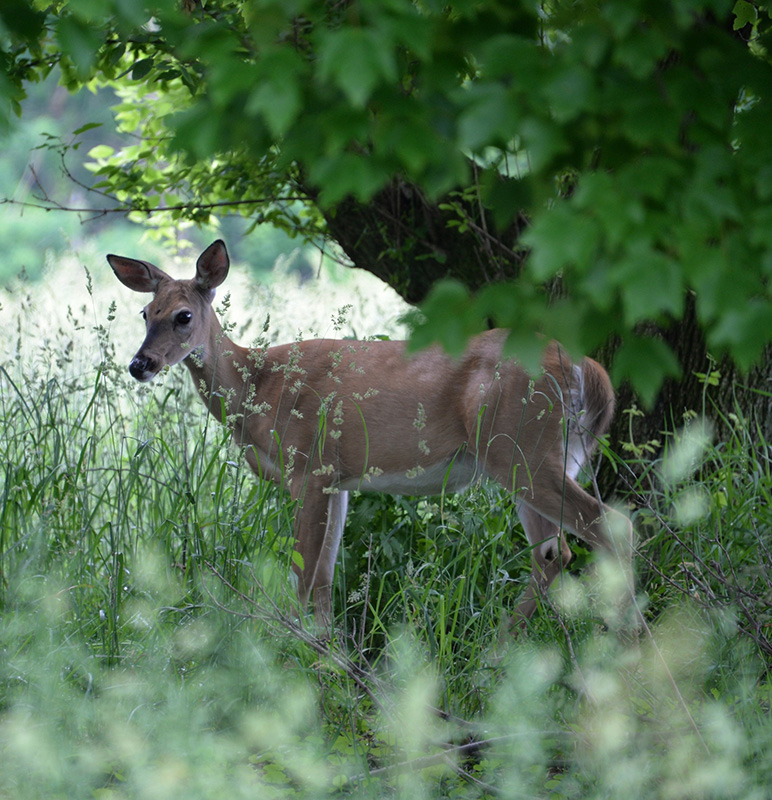
  • The Deer Conundrum (Online)

    Gardeners and native plant lovers often see deer as a threat: They eat the plants we try to nurture, and they are a major factor influencing forest ecosystems. But the truth about deer is complicated, and so is the quest to manage their numbers. How did we get here? Explore the many facets of the deer question, particularly the history of their changing populations in North America with author Erika Howsare of the book The Age of the Deer: Trouble and Kinship with Our Wild Neighbors. Join live to participate in our online learning community or watch after as your schedule

    $25
  • Shrouded In Light: Illuminating the Wild Potential of Shrublands (Online)

    Shrublands exist all around us, thriving in almost any environmental condition, from the blasted, wind-blown heath, to the private shade of moist forests. These diverse and inspiring ecosystems not only serve as perfect models for our gardens but offer the chance to blow apart conventional garden-making through their intense and challenging beauty. Join the authors of  Shrouded in Light: Naturalistic Planting Inspired by Wild Shrublands as they invite you to work, live and play with shrubs. Explore a glorious spectrum of wild shrublands and discover the philosophies, cultures, radical aesthetics and design strategies behind accepting and understanding these magnificent plant communities.

    $25
  • The Secret Lives of Spring Wildflowers (Online)

    Skunk cabbage, bloodroot, and trout lilies are among the first signs of spring and warmer weather ahead. Spring ephemerals and wildflowers must complete part of their life cycles before the tree canopy leafs out, reducing light levels at the forest floor. These plants face many challenges, including unpredictable weather and pollinator availability. Spring wildflowers have special adaptations to overcome these challenges and intricate relationships with pollinators and seed dispersers. Learn more about these wildflowers, their life histories, and plant-insect interactions. Join live to participate in our online learning community or watch after as your schedule allows. All registrants will receive

    $25
  • Let It Glow: Protecting Fireflies in the Home Garden (Online)

    Few sights capture the wonder of summer quite like the flicker of fireflies. But their glow is growing dim. Across North America, firefly populations are declining due to habitat loss, pesticide use, light pollution, and other human-caused threats. Conservation educator and macro photographer Danae Wolfe will guide you through the curious lives of fireflies, from glowing larvae to synchronous spectacles. Author of Grass Isn’t Greener: The Everyday Conservationists Guide to Bringing Nature to Your Yard will share how to identify common backyard fireflies, understand their unique flash patterns and lifecycles, and discover what makes them so vulnerable. Come away with

    $25
  • Preserving Iconic Wildflowers: Trillium

    Mt Cuba 3120 Barley Mill Rd, Hockessin, DE, United States

    Mt. Cuba’s premier collection of native trilliums provides a spectacular floral display each spring. Enjoy an informative overview of our efforts to protect and conserve this iconic genus and their culture and care as garden plants. A tour of our woodland gardens to see these jewels of the forest floor completes the day. A copy of Trilliums of Mt. Cuba Center is included. Class is rain or shine. This program takes place in-person at Mt. Cuba Center Sunday, April 26, 2026. About the Instructor: Élan Alford, Plant Conservation Scientist at Mt. Cuba Center, earned a B.S. in Ecology & Evolution

    $39
  • Botanize the Barrens at Nottingham Park Serpentine Barrens

    Mt Cuba 3120 Barley Mill Rd, Hockessin, DE, United States

    Join Bill McAvoy, former Delaware State Botanist, as he explores the ecological importance of the Nottingham Park Serpentine Barrens—an ecological treasure shaped by fire, geology, and time. Bill will share how this landscape, a living botanist laboratory, has plant communities which have adapted to extreme conditions, creating a refuge for species that exist in only a few places on Earth. In a virtual meeting on Monday, 6/1 at 7 PM, Bill will explain why the serpentine barrens are uncommon in the region. Sites like Nottingham play an important role in preserving the Mid-Atlantic’s ecological diversity. A recent evaluation through the

    $59
  • Mysterious Moths (Online)

    Our enchantment with butterflies isn’t surprising. These daytime flyers are easily observed and collectively encompass a rainbow palette of colors punctuated with ornate patterns. However, their close relatives the moths overwhelm butterflies in species diversity and sheer numbers. Most moths are nocturnal and largely out of sight and mind. Nonetheless, they are one of the most important animal groups. Moths are inextricably intertwined with native plants, bats, birds, and the whole of the eastern deciduous forest ecosystem. They play an enormous role in the pollination of native plants and over the eons have spurred the evolution of myriad defensive plant

    $25
  • Exploring Caterpillar Ecology and How to Support Them in Your Landscape (Online)

    This course bridges the gap between caterpillar ecology and backyard conservation. Dr. Ellen Lake will guide you through fascinating aspects of caterpillar biology and discuss the critical ecosystem services caterpillars provide. You will learn about keystone host plants and best practices for managing a “moth-friendly” landscape. Whether you are a beginner or a seasoned naturalist, you’ll learn how to search for caterpillars, the tools to identify them, and the knowledge to protect and promote them through every stage of their life cycle. Virtual class ends at 10:30, as the instructor takes the in-person students for a tour of the gardens.

    $25
  • Why Fall Leaves Add Value to Your Garden

    Mt Cuba 3120 Barley Mill Rd, Hockessin, DE, United States

    Every fall, homeowners face the same question: rake, mulch, or leave the leaves? Join Dr. Max Ferlauto, State Entomologist for the Maryland Natural Heritage Program, for an eye-opening exploration around research on how leaf litter affects residential landscapes. Learn what the data reveals about the insects, spiders, and soil life that depend on leaf cover—and how common cleanup habits can unintentionally disrupt them. You’ll also discover how removing leaves changes soil temperature, moisture, and organic matter, influencing the long-term health of your yard. Gardeners of every level will enjoy a lively lecture and guided garden tour, while gaining practical, neighborhood-friendly

    $39