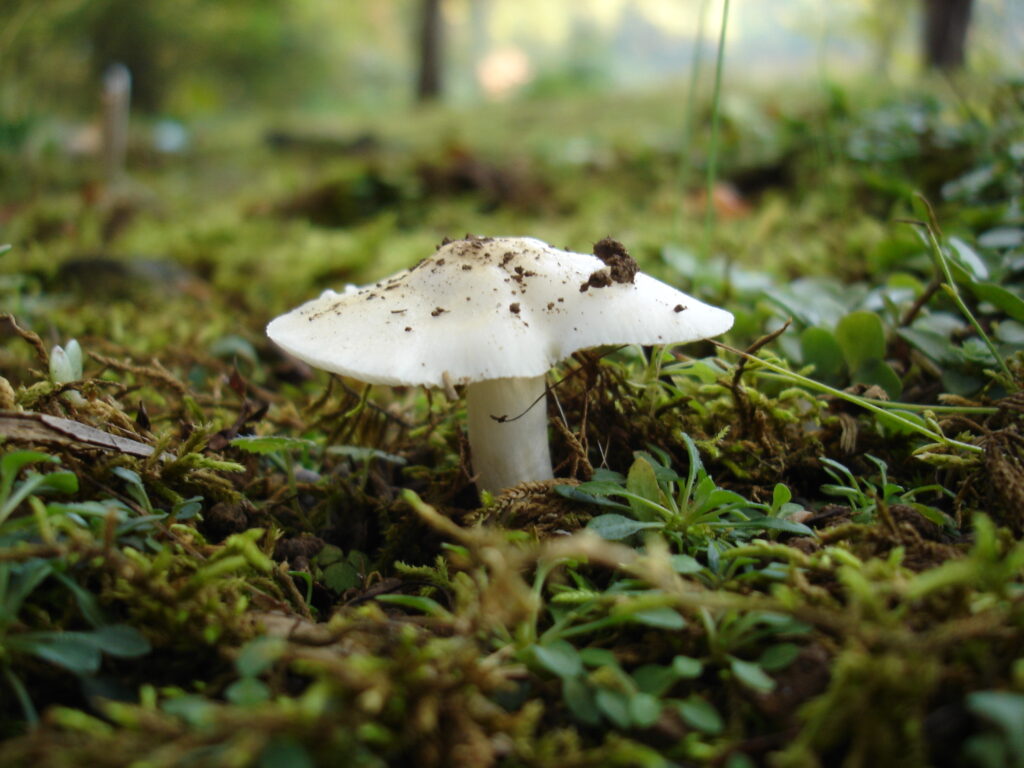
Learn about the important identifying features of our local fungi. Discover some of the crucial roles they play in our ecosystems. Discuss what you can do to preserve fungal diversity in your area through community science and land stewardship. The lecture and discussion will be followed by a guided exploration of Mt. Cuba’s natural areas. Scout and
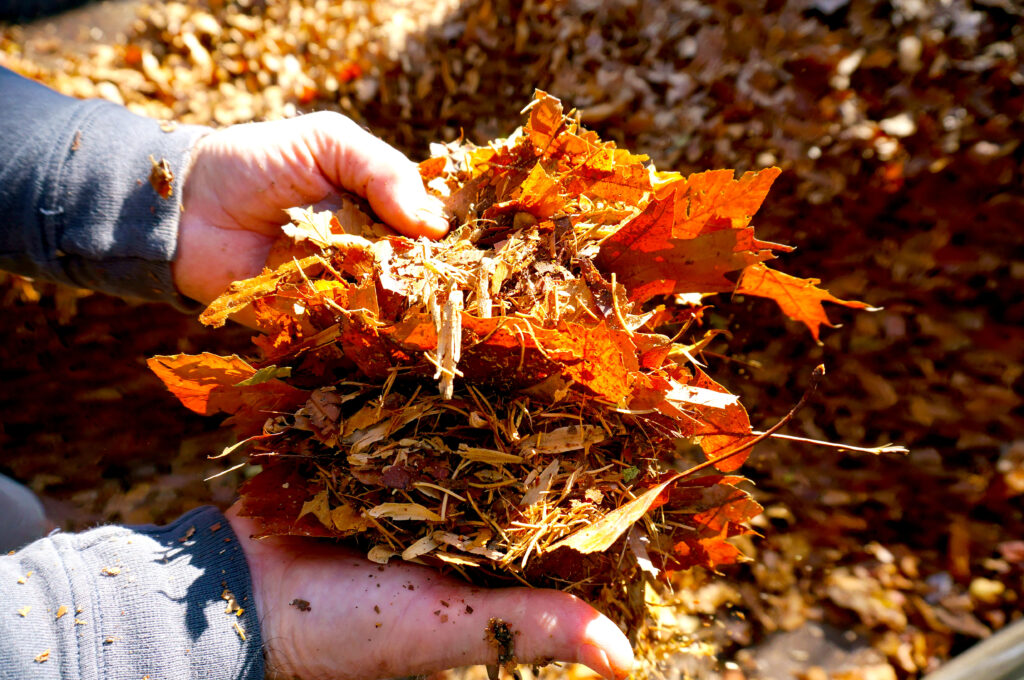
MoreLearn how to turn your household waste into nutrient-rich compost with the help of home-scale composting. Join Rick Carr, Senior Farm Director of Rodale Institute, as he shares the key elements of composting effectively in your backyard. Learn how to quickly identify and troubleshoot problems when they arise during the process, and how to harvest
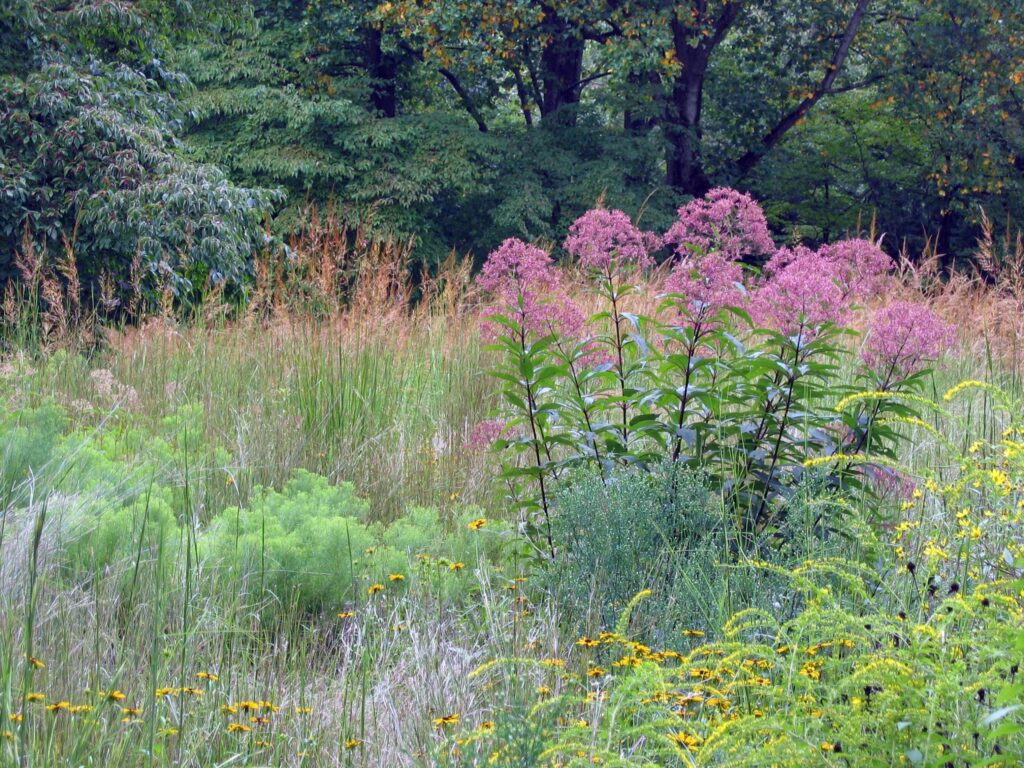
MoreReducing the American lawn is good for everyone. We can add more native plants, reduce flooding in our watershed, attract pollinators, and bring balance to our ecosystems. Dive into some examples projects where native plant solutions have replaced lawns. Class will focus on a variety of site conditions such as sunny slopes, low wet spots,
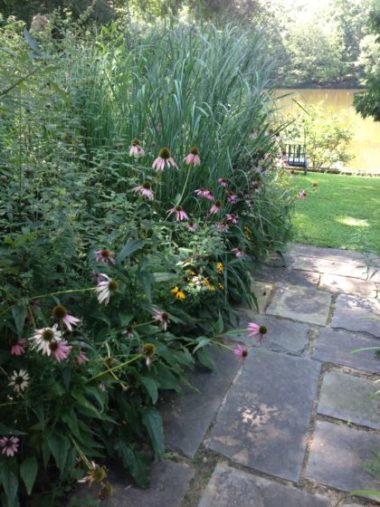
MoreLate summer is a great time to make observations and devise a plan for the fall to improve your garden. Explore ways to create diverse, attractive, and functional landscapes using basic principles of naturalistic gardening design. Learn how to work with your site to solve problems and maximize its use. Discover ways to design pathways
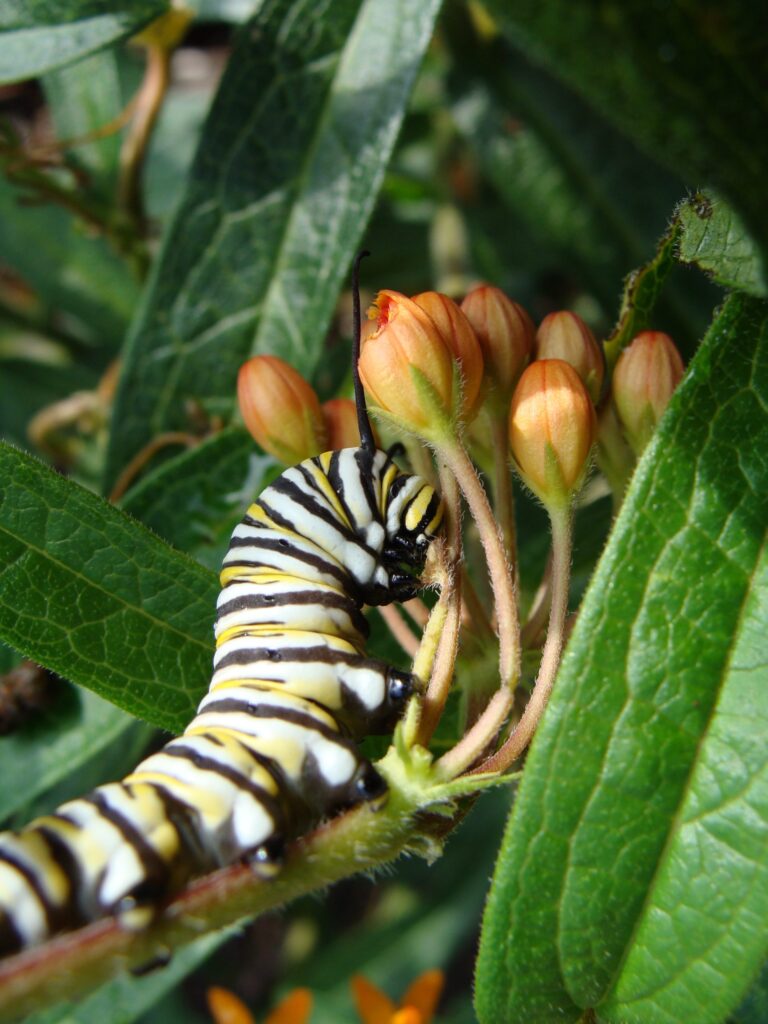
MoreLearn about the amazing adaptations of caterpillars from host specialization to defensive mechanisms. Discuss the critical role caterpillars play in food webs and how to promote them in your garden. Discover signs of caterpillar activity, tools to identify them, and explore outdoors to hone your search skills. This program takes place in-person at Mt. Cuba
MoreProtecting pollinators, and the essential ecological services they provide, requires an all-hands-on-deck approach. Be a part of the solution by contributing to pollinator conservation right in your own yard, neighborhood, town, or city through individual actions and collaborative efforts. Learn about pollinator diversity, Delaware native bees, how to make your local landscape pollinator-friendly by providing
MoreDragonflies have been around for 300 million years, with several extinct species having wingspans of over two feet. Inhabiting sites around lakes, ponds, streams, and wetlands, they are excellent predators, eating mosquitoes and other small insects. Examine the habitats that support dragonflies, as well as their lifecycles, foraging behaviors, and reproductive strategies. This program takes
MoreThese little flying mammals are great hunters of insects, eating more than 600 mosquitoes per hour! Learn about the eight species of bats native to Delaware, where they live, and how to include suitable shelters and landscape elements for bats in your yard. Then walk Mt. Cuba’s property to scout locations where bats are likely
MoreThese little flying mammals are great hunters of insects, eating more than 600 mosquitoes per hour! Learn about the eight species of bats native to Delaware, where they live, and how to include suitable shelters and landscape elements for bats in your yard. This program takes place online Wednesday, May 14, 2025. About the Instructor:
MoreLearn about the important identifying features of our local fungi and discover some of the crucial roles they play in our ecosystems. Discuss what you can do to preserve fungal diversity in your area through community science and land stewardship. The lecture and discussion will be followed by a guided exploration of Mt. Cuba’s natural areas. Scout
More