
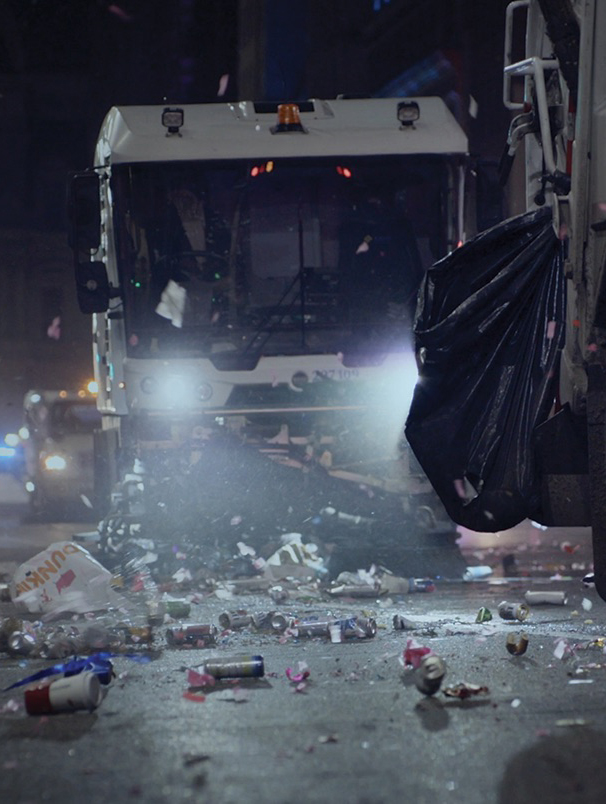
Opening with subterranean footage of the foam cups, plastic bottles and sodden cardboard that decorate the sewer inlets underneath Philadelphia, filmmaker Melissa Langer’s 2025 documentary, “In Excess,” probes into the unseen places where the city’s litter ends up. Spoiler alert: When it comes to the city’s trash, there is no throwing it “away.”
“Every object we discard lives on somewhere else, disturbing someone else’s environment, forever,” says Langer. Langer, who moved to Philadelphia in 2017, immediately noticed disproportionate amounts of litter and illegal dumping in Northeast Philly and began exploring what the City was doing about it.
The product is her 70-minute feature, which weaves haunting stretches of trash footage with candid vignettes of the people tasked with cleaning it up, from Philadelphia Water Department (PWD) sewer inlet crews to a small Streets Department team that monitors hundreds of security cameras for illegal dumping.
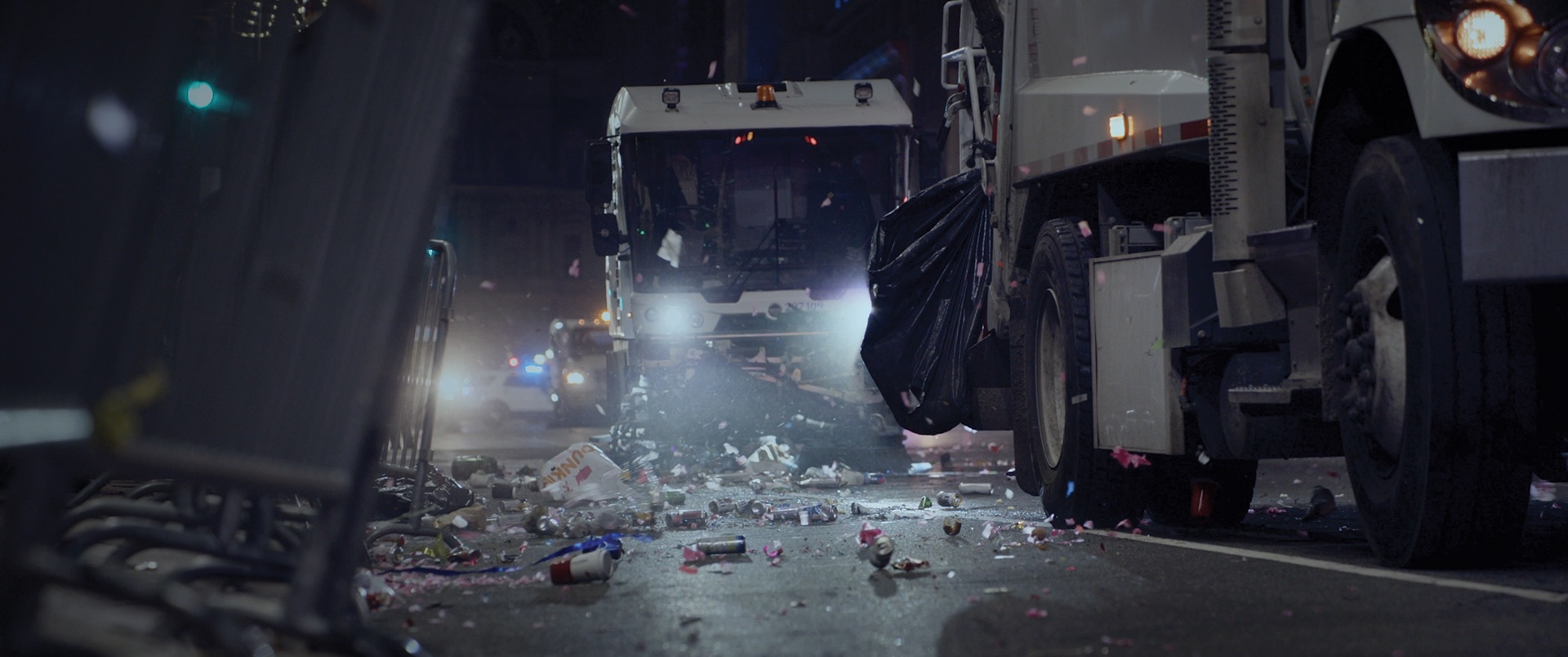
The project began as an installation at Vox Populi Gallery, where Langer is an artist member, that featured footage from those illegal dumping monitoring cameras. The completed film, which has its first public Philadelphia screening on March 8, examines additional layers of the city’s waste-related infrastructure and inquires into Philadelphia’s long, fraught history of waste management.
The film reveals the burden trash, like the floating litter in the opening frames, places on the city’s water infrastructure. Langer sourced that footage from PWD’s sewer maintenance archives. They use robotic cameras to move through the sewers, assessing joints and debris. PWD employees in the film say some of this material can remain lodged in sewers and inlets for decades.
“It’s all interconnected, the above-ground and below-ground systems,” says Langer. “Trash just seeps everywhere and infuses everything, whether you’re talking about particles in the air from incineration, waste on the street level or the trash that travels in these subterranean sewers.”

With help from producer Nora Wilkinson, editor Julian Turner and archival producer Caitlin Riggsbee, Langer mapped the grimy routes trash takes — ending up as incinerator ash polluting communities, piled on city sidewalks, caught in sewer joints or floating down the Delaware River on its way to join the Great Pacific Garbage Patch. But more glaringly, the film shows that those routes haven’t changed much over the decades. It chronicles the voyages of 1980s ash barges, including the Khian Sea that hauled toxic incinerator ash from Philadelphia in search of overseas dumping sites after regional landfills were exhausted. Bookended by present-day scenes of litter and illegal dumping, this story underscores that “we, like the rest of the world, have not yet solved our fraught relationship to disposability culture,” Langer says.
Reflecting on the filmmaking process, Langer says that she created the film as a window for the public to see the daily realities of Philadelphia’s municipal workers who deal with waste.
“Being a witness to all of that labor and using the film as a way to get to know my city more intimately was really a privilege.”
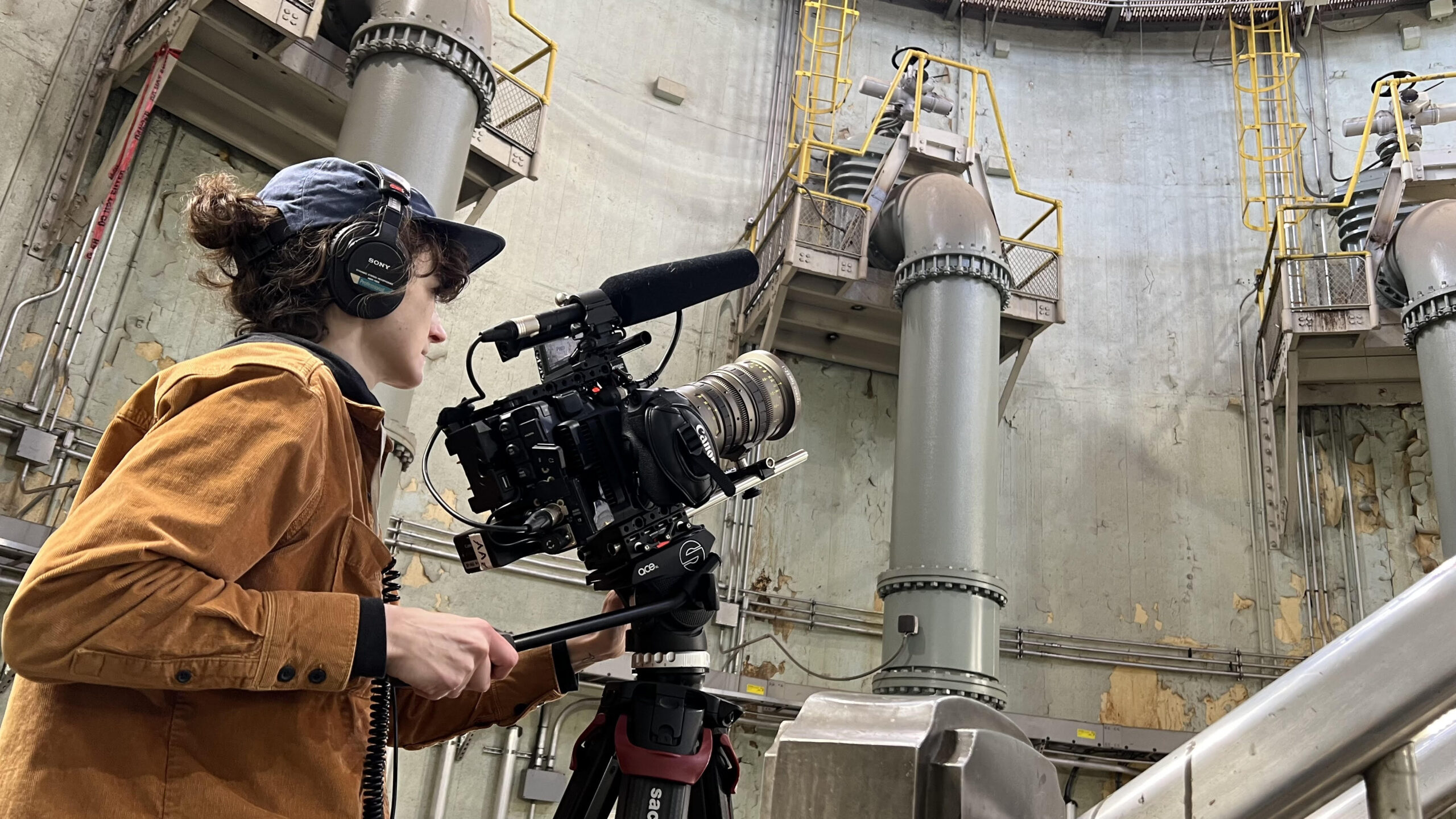
“In Excess” will be screened at the Lightbox Film Center on March 8 at 5 p.m. The screening will be followed by a conversation with the filmmakers. For more information, go to lightboxfilmcenter.org/events/in-excess.

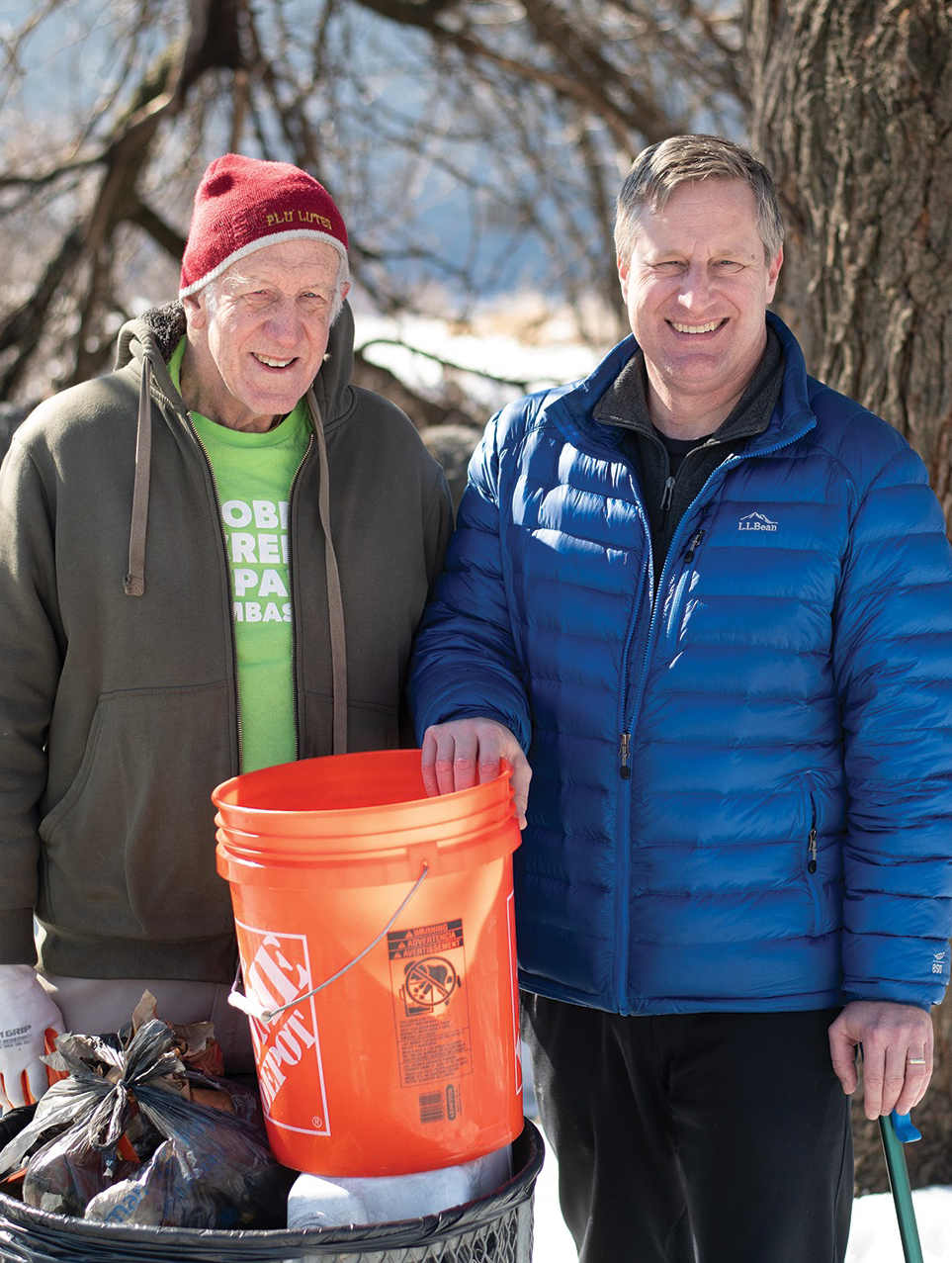



I am from Central PA and in charge of a large river cleanup where the two branches of the Susquehanna River meet. I came across this article and would love to see this documentary. How do I view it?