/

Plant lovers unite at the Pennsylvania Horticultural Society’s monthly gatherings

Start

At the Pennsylvania Horticultural Society (PHS) Pop Up Garden at South Street one evening in August, two long picnic tables are covered in plants: philodendrons, lantanas, begonias and more. Around them, dozens of people anxiously hover, some picking up plants from the table to inspect them, others using their phones to look up the species. Then, after some announcements, the words they’ve been waiting for: “Let the plant swap begin!” The exclamation has the effect of a starter pistol. For the next few minutes, the garden is alive with activity as guests quickly snap up pots and jars.
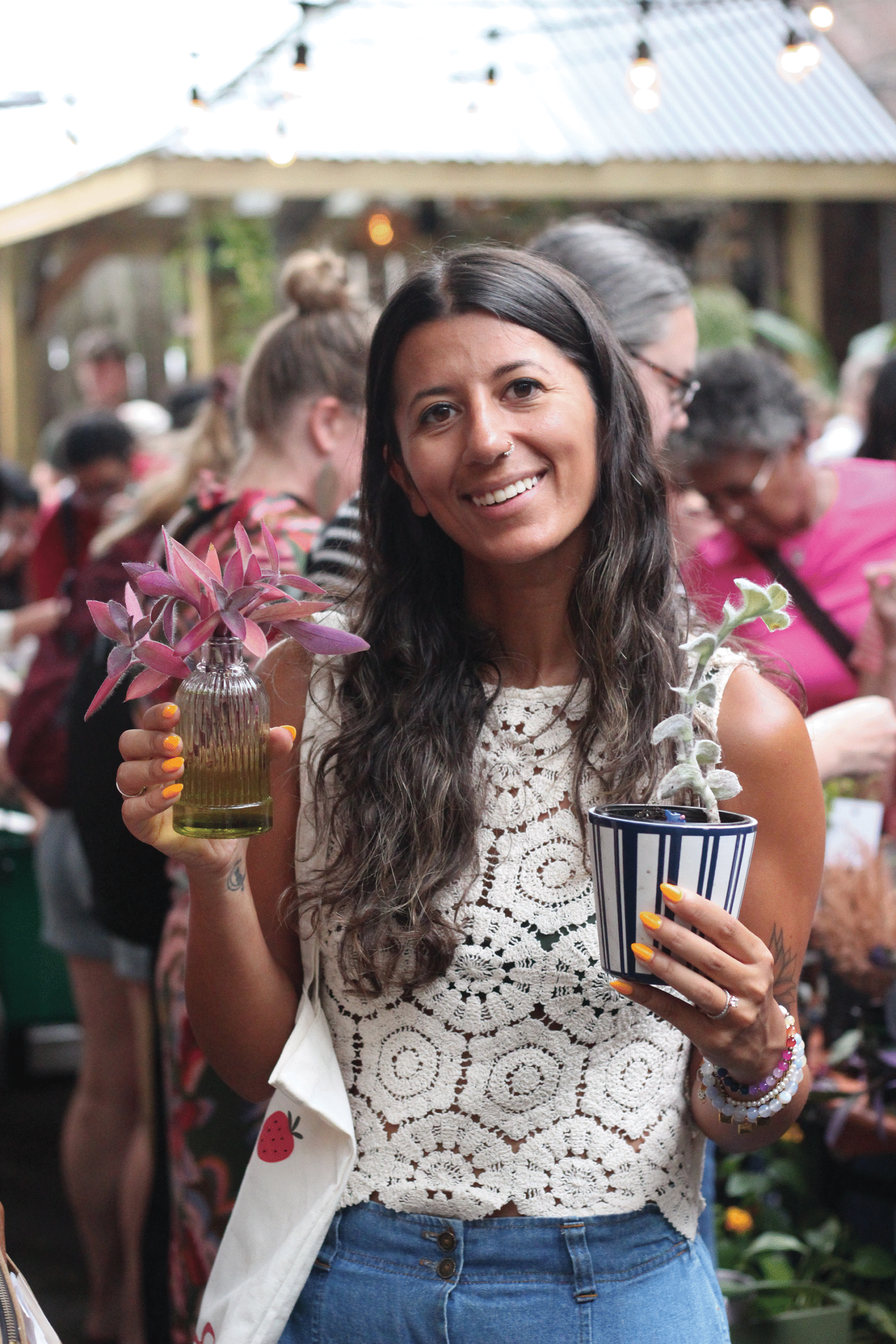
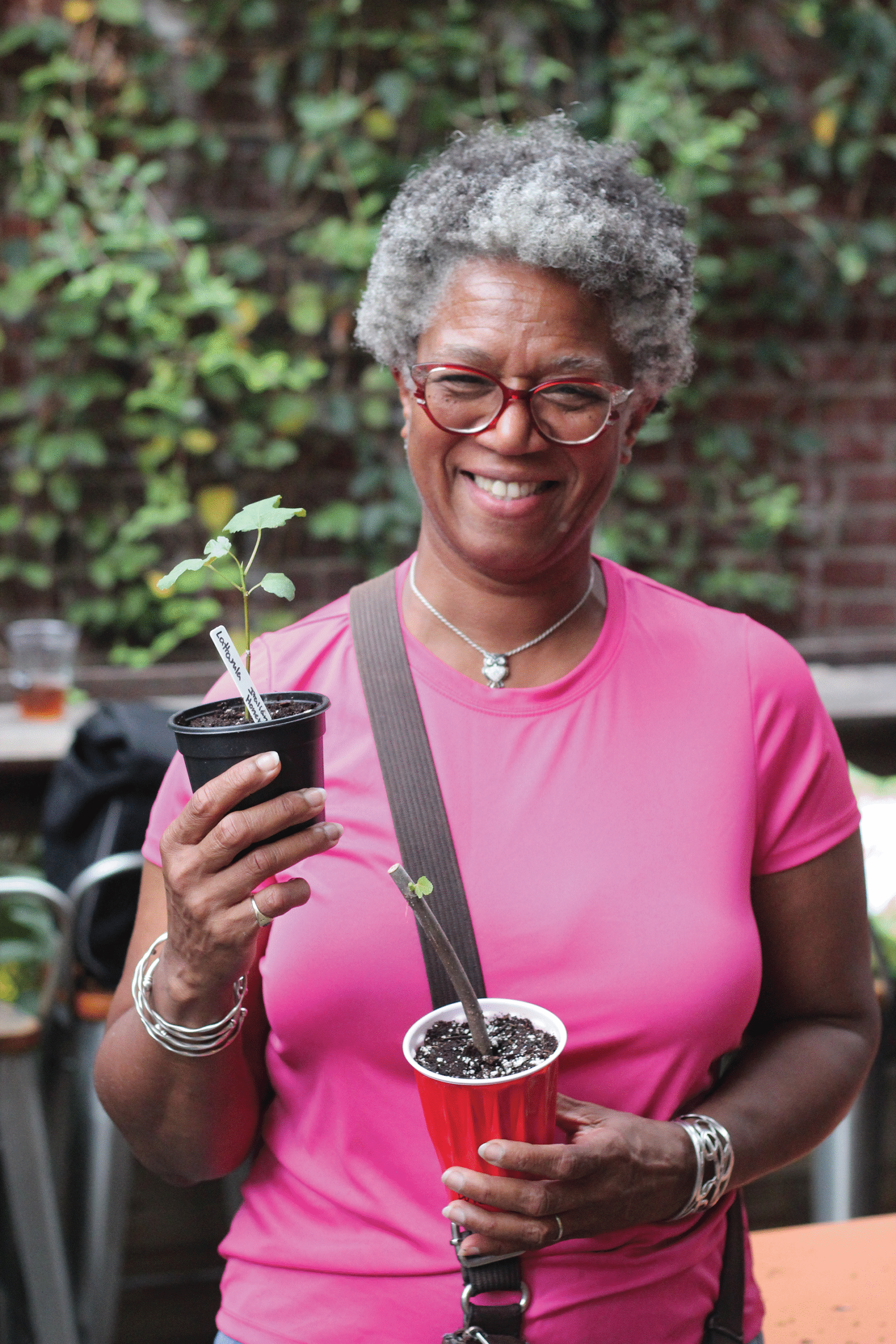
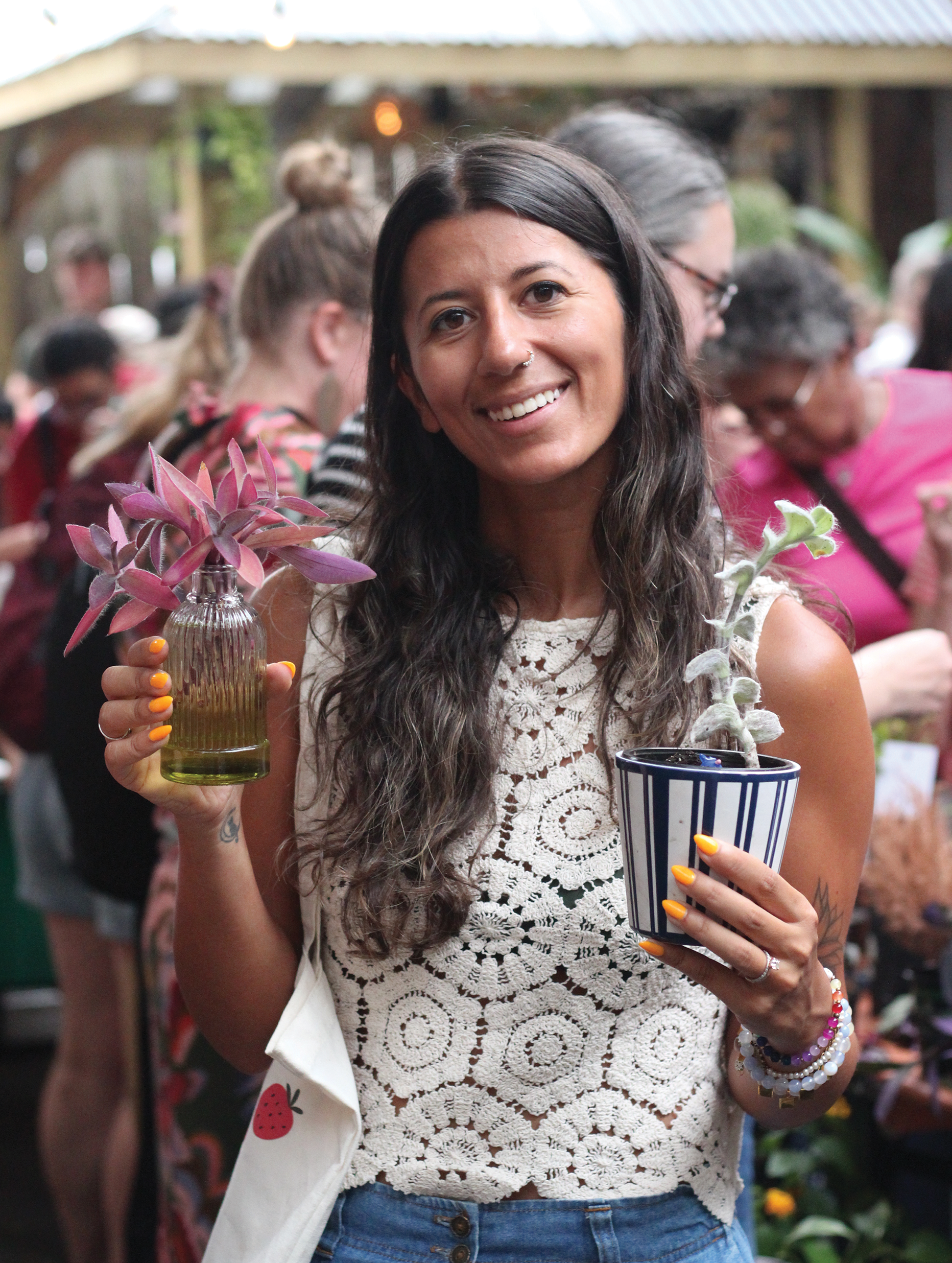
Carley Jackson doesn’t have kids, but she does have plants. “They’re kind of like my children,” she says. “My monstera is my pride and joy right now. She’s my baby.” Today, at Jackson’s first PHS plant swap, she’s expanding her family with two new plants. “I’m not really sure what they are,” she says. “I’m hoping to take care of them and learn as I go.” Photo by Jordan Teicher.
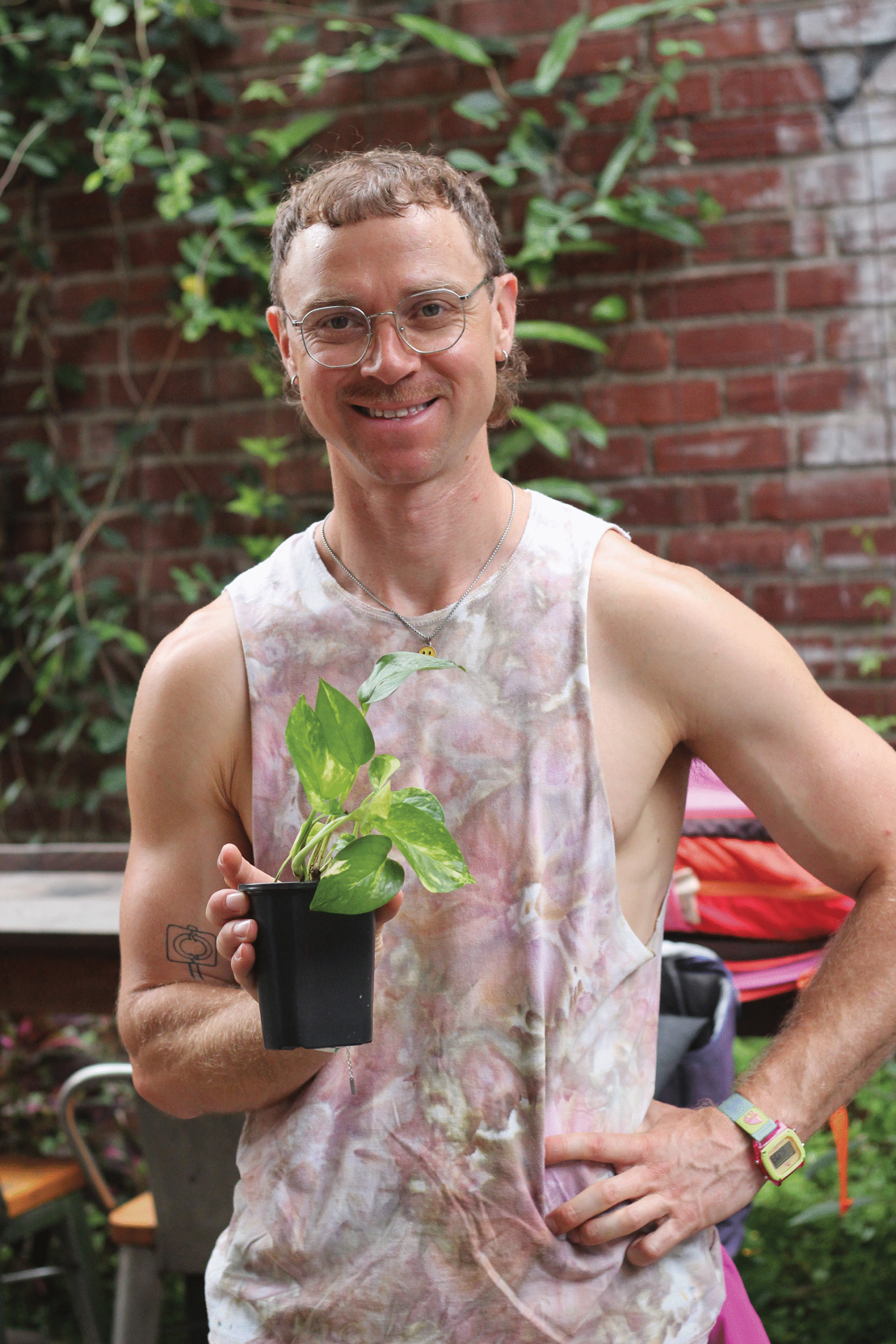
Nate Fletcher started keeping houseplants nearly a decade ago, and now he has more than two dozen. He appreciates how they “make the inside feel like the outside,” and he likes to think they purify the air. “If I smoke weed, I end up cleaning them and rearranging them. I dust them and fidget with them,” he says. Photo by Jordan Teicher.

PHS’s plant swaps are one-for-one exchanges: If you bring a plant, you can take a plant. If you bring more, you can take more. “It’s anything gardening-related,” says Cristina Tessaro, who heads up the plant swap programming at PHS. “You can bring that pot from the plant that you killed. Or maybe you’ve got that plant that really isn’t digging your house and it just needs a new home. Or maybe you have a big garden and you need to make room for something else. Or maybe you’re moving and you need to downsize.”
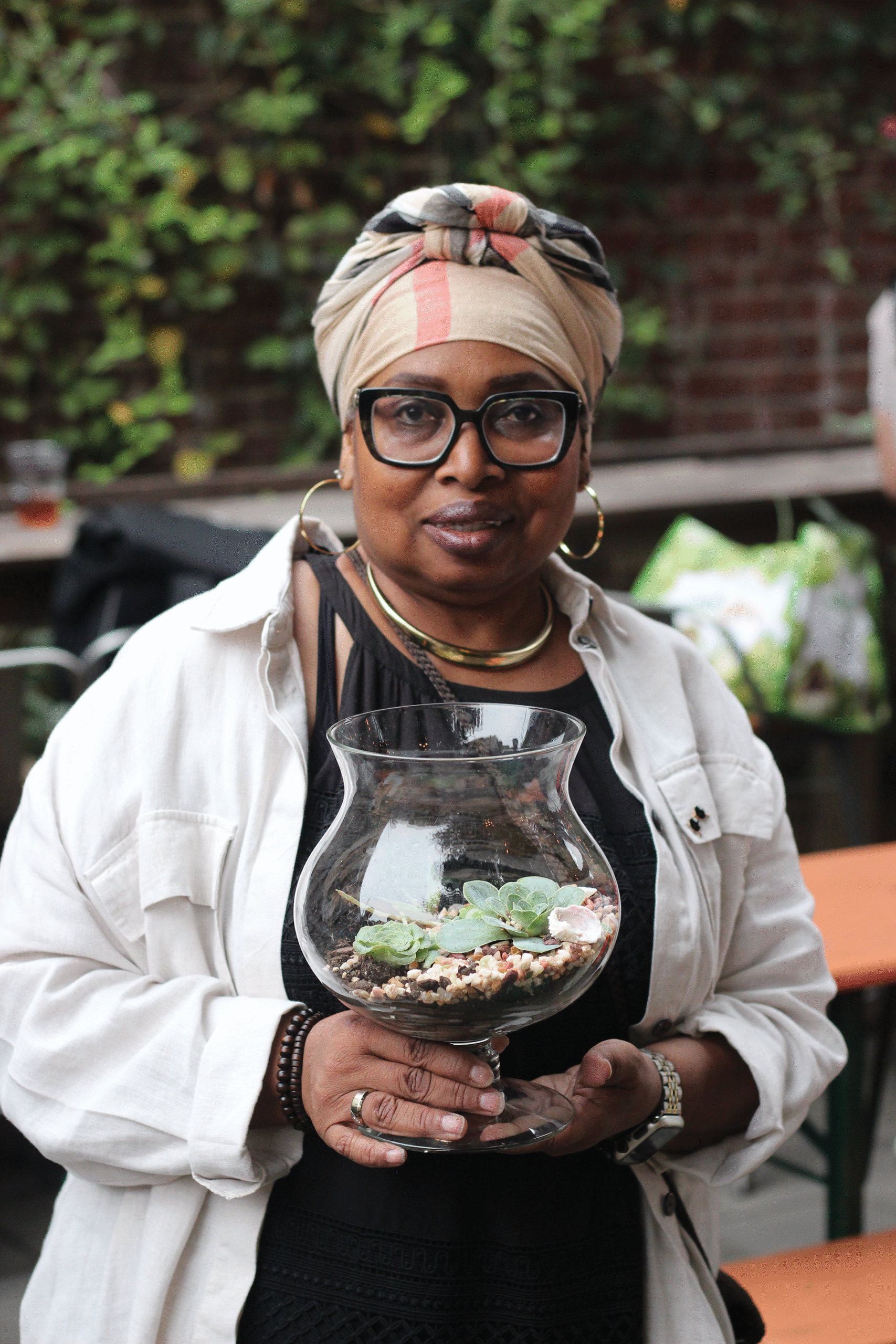
Laverne Cook started taking care of houseplants during the pandemic. Five years later, she has 260 houseplants — and counting. “My favorite plant is my vein plant [Fittonia albivenis], but it’s so picky. It’s like having another female in the house. I can only have one diva in the house and that’s me,” she says. Photo by Jordan Teicher.
The free plant swaps are held monthly from April to October at PHS’s two pop-up beer gardens: on South Street and in Manayunk. Their goal, Tessaro says, is to make gardening more accessible and to build community around horticulture. “I’ve seen friendships blossom. I’ve seen people bring their co-workers. I’ve seen people — especially since COVID — being able to meet like-minded people and experience something new physically in person not behind a computer. That has been really special,” she says.

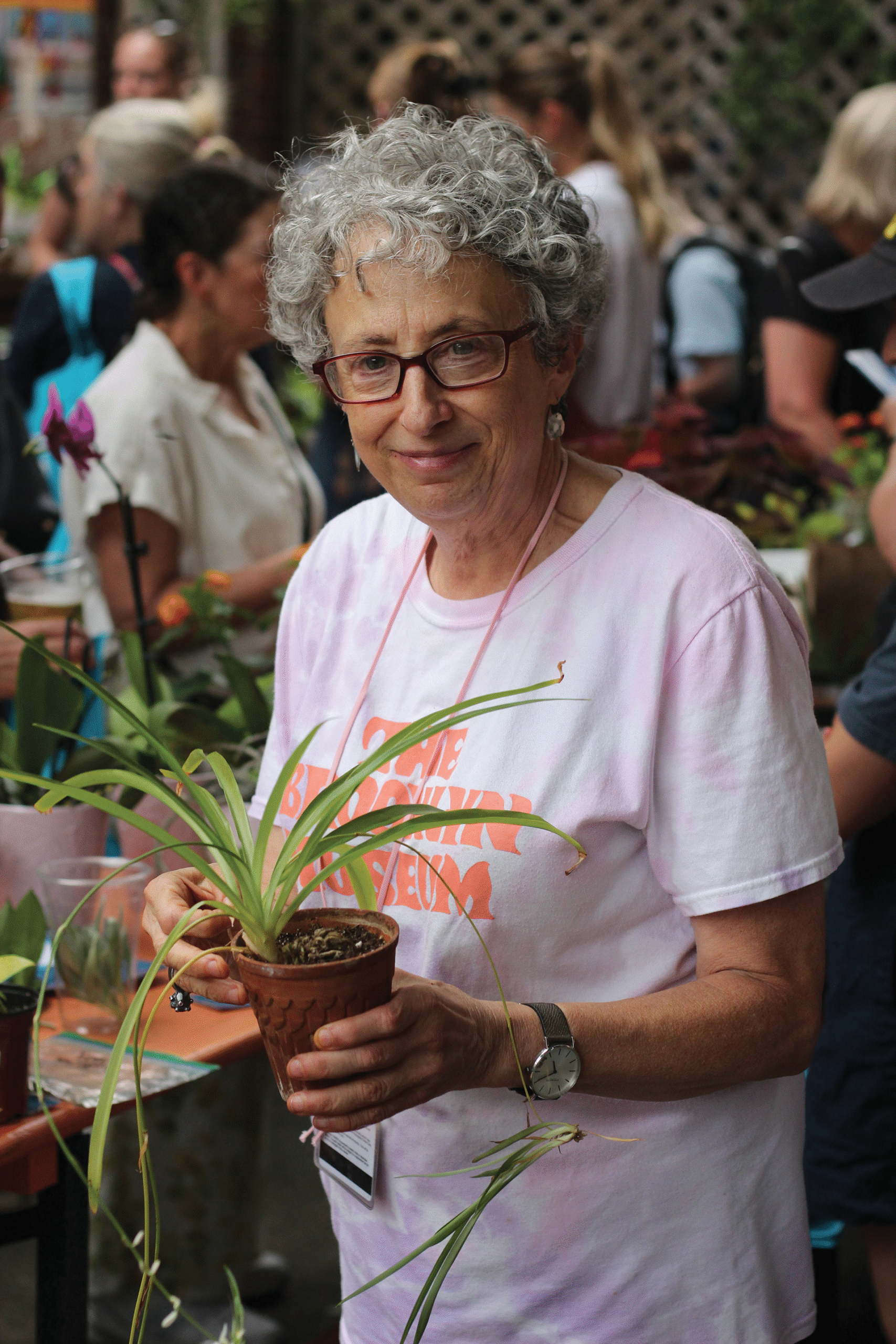
“I have been loving indoor gardening since college — which was 800 years ago or so — and it stayed with me all these years,” says Nancy Berman. “I just love taking care of them, propagating them, sharing them. I had to pare down because it takes so long to water them that it’s become a little bit of a burden.” Photo by Jordan Teicher.
When Felicia Bryant retired and moved to Willingboro, New Jersey, she started planting in her backyard — and never stopped. Today, she grows peppers, tomatoes, squash, herbs, cucumbers, peanuts and more. “My husband died in April 2024. For me, it’s comforting to watch things grow,” she says. “I go out in my backyard every morning. I wake up and say hello to my dog and we go out in the back. I pick a cucumber and have it for breakfast, and I sit out on my porch and watch the bees. I saw a hummingbird for the first time. I didn’t know they were in our area.” Photo by Jordan Teicher.

At the end of the night, many guests leave with large plastic tubs full of plants. And yet, there are still more on the tables. For Tessaro, that’s an opportunity to start more conversations and introduce some unsuspecting visitors to the joys of plant parenthood. “I’ll go through the rest of the garden and talk to the people just here having food or drinks,” says Tessaro. “I’ll be like, ‘Anybody want to take a plant? It’s OK if you kill it. We don’t want you to kill it, but there’s no financial investment. Come try something new.’”


Leave a Reply

Your email address will not be published.

Previous Story

Think Philly kids don’t care much for the city’s waterways? Think again

Next Story

Community garden volunteers learn to make water purifiers from plastic bottles

Latest from #196 September 2025